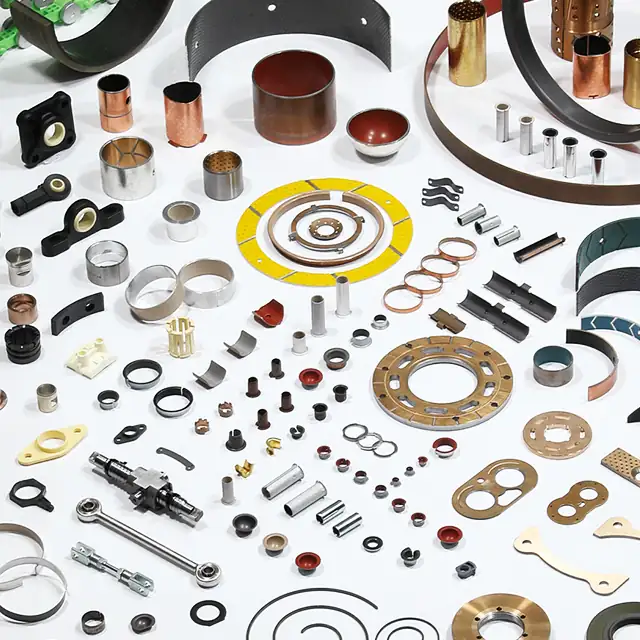
Choosing the right self-lubricating bearing feels complex. The wrong choice leads to failure and downtime. Understanding the core material types makes your decision simple and effective.
Self-lubricating bearing materials fall into three main categories. Metal-based materials are for heavy loads. Composite materials are for maintenance-free operation[^1]. Engineering plastics are for lightweight or corrosive environments. Matching the material to your needs is key.
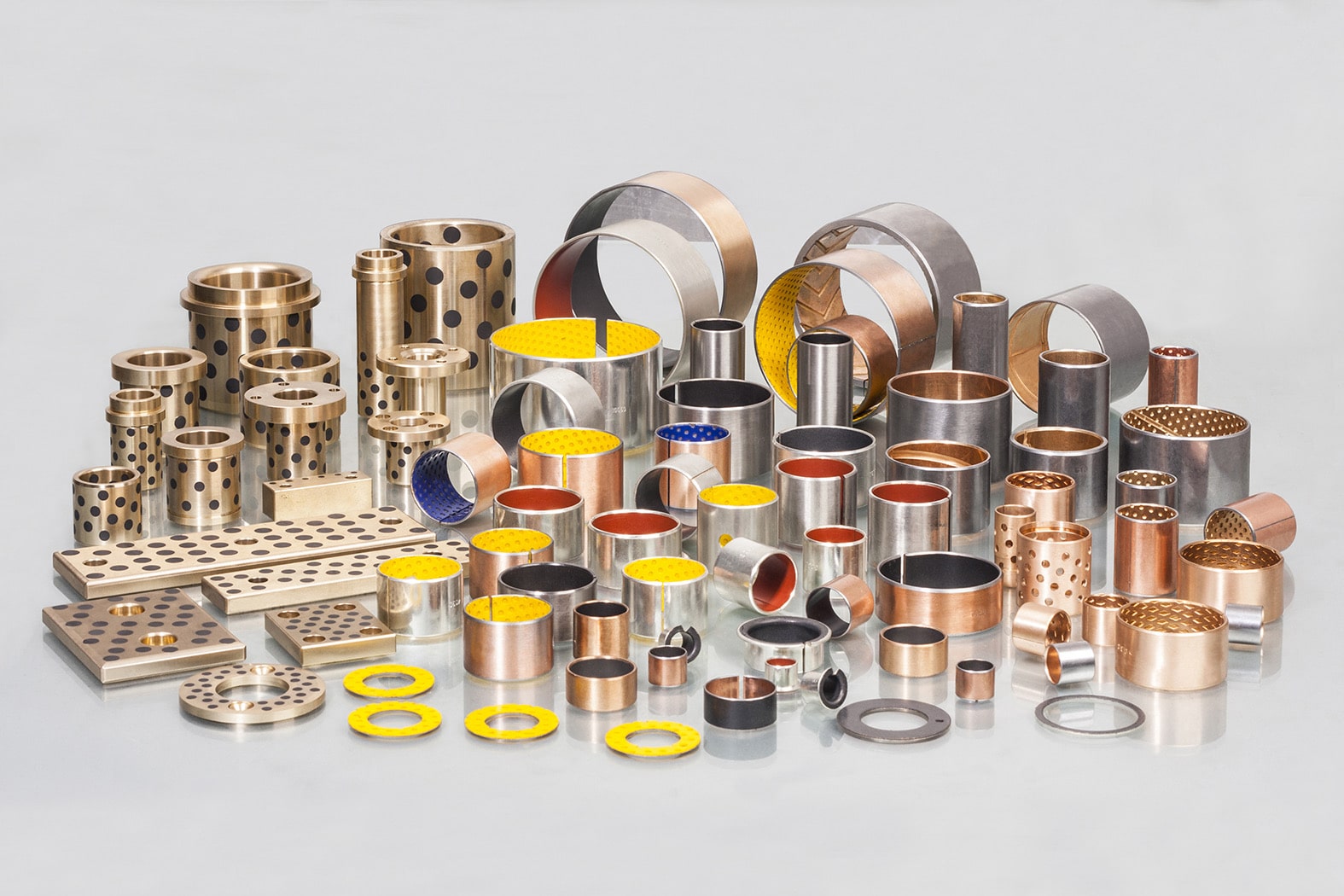
I've seen countless engineers struggle with this choice. It's easy to get lost in technical data sheets and part numbers. But after manufacturing these parts for years, I've learned it really comes down to understanding three basic groups of materials. Once you know what they are and what they do best, you can pick the right bearing with confidence every single time. Let's break them down so you can see how simple it can be.
Are Metal-Based Materials the Strongest Choice for Self-Lubricating Bearings?
Do you need bearings for very heavy loads? Traditional greased bearings are messy and require constant upkeep. Metal-based self-lubricating bearings offer a durable, powerful, and clean alternative.
Yes, metal-based materials[^2] like bronze and bimetal offer the highest load capacity. They are perfect for heavy-duty, low-speed equipment. They replace traditional greased systems with a more robust and long-lasting solution.
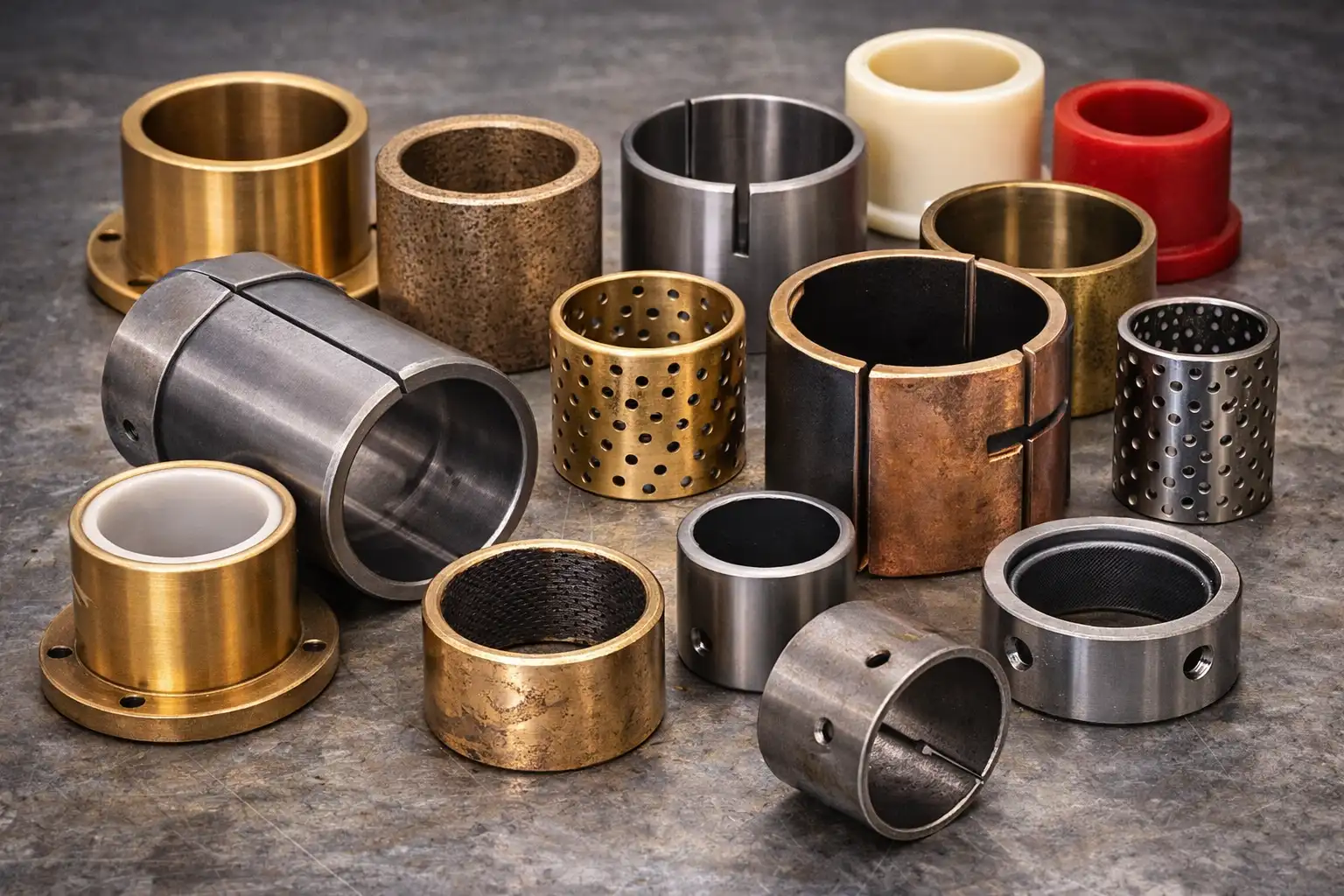
When we talk about "replacing traditional grease," we're talking about moving away from constant, messy maintenance toward a built-in solution. This is where metal-based self-lubricating bearings really shine. They are the workhorses of the industry, designed for applications where strength and durability are non-negotiable. I've seen them used in everything from construction equipment to industrial presses, where failure is not an option. Their main job is to handle immense pressure without deforming, providing a stable and reliable pivot point. The self-lubricating feature isn't just a convenience; it's a fundamental part of their design that ensures they perform under stress for a long, long time.
Why Metal is the Go-To for Heavy-Duty Jobs
The strength of metal is its core advantage. These materials are not meant for high-speed, delicate machinery. They are built for raw power and slow, powerful movements.
| Material Type | Key Feature | Best For... |
|---|---|---|
| Sintered Bronze | Porous structure holds oil | Medium loads, medium speeds |
| Graphite-Plugged Bronze | Solid graphite plugs lubricate | Very heavy loads, slow movements |
| Bimetal Bearings | Steel back + bronze layer | High loads, excellent fatigue resistance |
| Solid Bronze/Brass | Machinable, strong | Custom shapes, high-impact loads |
Each of these options provides a stable structure that can withstand shock and vibration. They are the perfect choice when your primary concerns are load capacity and long-term durability in a demanding environment.
When Should You Choose Composite Self-Lubricating Bearings?
Are you tired of scheduling regular bearing maintenance? Downtime for lubrication costs you time and money. Composite bearings offer a true "fit and forget" solution for many applications.
Choose composite bearings for consistent, maintenance-free operation. Their special layered structure with a PTFE[^3] or POM[^4] surface gives them very low friction, even when running dry. They are perfect for applications where reliability is critical.
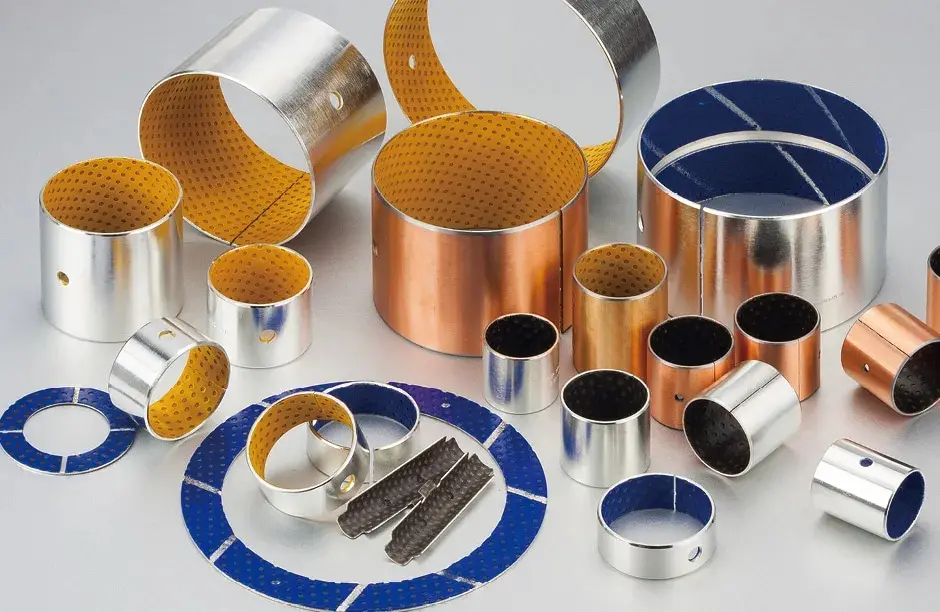
The "maintenance-free solution" is a powerful promise, and composite bearings deliver on it. A customer once came to us with a problem in their automated assembly line. The machines ran 24/7, and stopping to grease dozens of small bearings was causing major production delays. We switched them to a PTFE-based composite bearing. The problem disappeared. The line ran smoothly with no need for lubrication stops. This is the power of composites. They are designed for consistency. The performance you get on day one is the same performance you get a year later, without any intervention. This makes them ideal for sealed units, consumer products, and any machine where access is difficult or regular maintenance is impractical.
The Structure Behind Maintenance-Free Performance
The secret to these bearings is their multi-layer construction. It’s a smart design that combines the best properties of different materials.
- Steel Backing: This is the foundation. It provides the mechanical strength and allows the bearing to be press-fit securely.
- Sintered Bronze Layer: This middle layer is bonded to the steel. It is porous, acting like a sponge that locks the lubricating top layer in place. It also helps transfer heat away from the bearing surface.
- PTFE or POM Top Layer: This is the self-lubricating surface. During initial use, a thin film of this material transfers to the shaft, creating a smooth, low-friction surface that requires no external grease or oil.
- PTFE-based (like DU, SF-1): Best for completely dry running and very low friction.
- POM-based (like DX, SF-2): Best for applications with some initial grease or intermittent lubrication. The surface has small pockets to hold grease for a very long time.
This structure ensures stable performance and a long, predictable service life.
Could Engineering Plastic Bearings Be the Modern Alternative You Need?
Do metal bearings cause problems in your application? Corrosion, weight, and noise can be major issues in certain environments. Engineering plastics offer a clean, quiet, and lightweight solution.
Yes, plastic bearings are an excellent modern alternative. They are ideal for applications where corrosion resistance, low weight, and quiet operation are critical. Materials like PEEK and Nylon excel in wet or chemical environments.
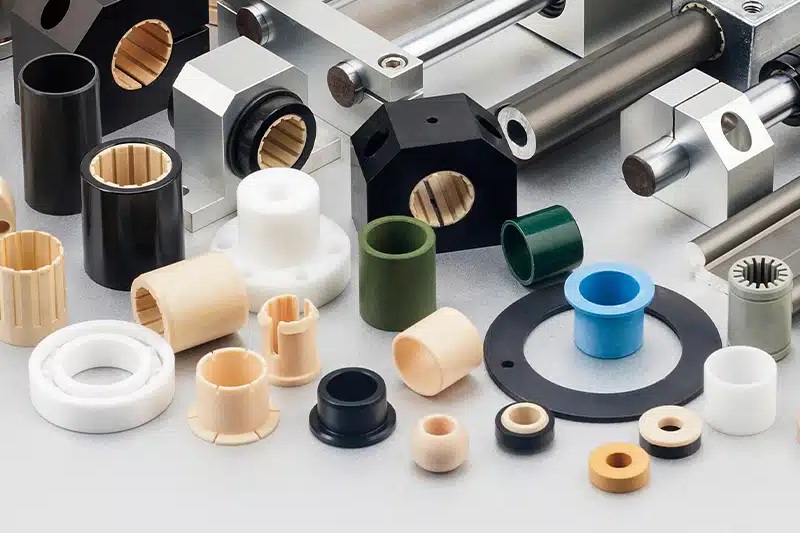
We often recommend plastic bearings as a "metal replacement" solution. Think about food processing equipment. Metal bearings, even with food-safe grease, can be a contamination risk. And the cleaning process with harsh chemicals can cause corrosion. A customer in the beverage bottling industry faced this exact problem. Their metal bearings were failing quickly due to constant washdowns. We helped them switch to a UHMWPE[^5] plastic bearing. It was completely resistant to the cleaning chemicals, needed no lubrication, and was FDA-compliant. It solved their contamination and corrosion problems in one step. This is where plastics are a game-changer. They open up possibilities for machine design in environments where metal just isn't a good fit.
Key Advantages of Switching to Plastic
Plastics are not as strong as metal, so they aren't for heavy-load applications. But they have unique properties that make them the best choice in many other situations. Their ability to run without lubrication and resist harsh environments is a huge advantage.
| Plastic Material | Primary Strength | Common Use Cases |
|---|---|---|
| PTFE[^3] (Teflon) | Lowest friction, chemical resistance | Food processing, chemical pumps |
| PEEK | High temperature & wear resistance | Aerospace, medical devices |
| Nylon | Good all-around, cost-effective | Office equipment, consumer goods |
| UHMWPE | High impact strength, abrasion resistance | Conveyor systems, bottling plants |
If your machine operates in a wet, sterile, or quiet environment, or if reducing weight is a major goal, then engineering plastic bearings are likely the best and most modern solution for you.
How Do You Choose the Right Material for Your Specific Needs?
You know the material types, but you might still feel unsure. Choosing based on only one factor can lead to poor performance. Let's quickly break down how to choose correctly.
Select your material by looking at load, speed, and environment together. For heavy loads, start with metal. For maintenance-free needs, look at composites. For wet or lightweight applications, consider plastics. Combining these factors ensures the best fit.
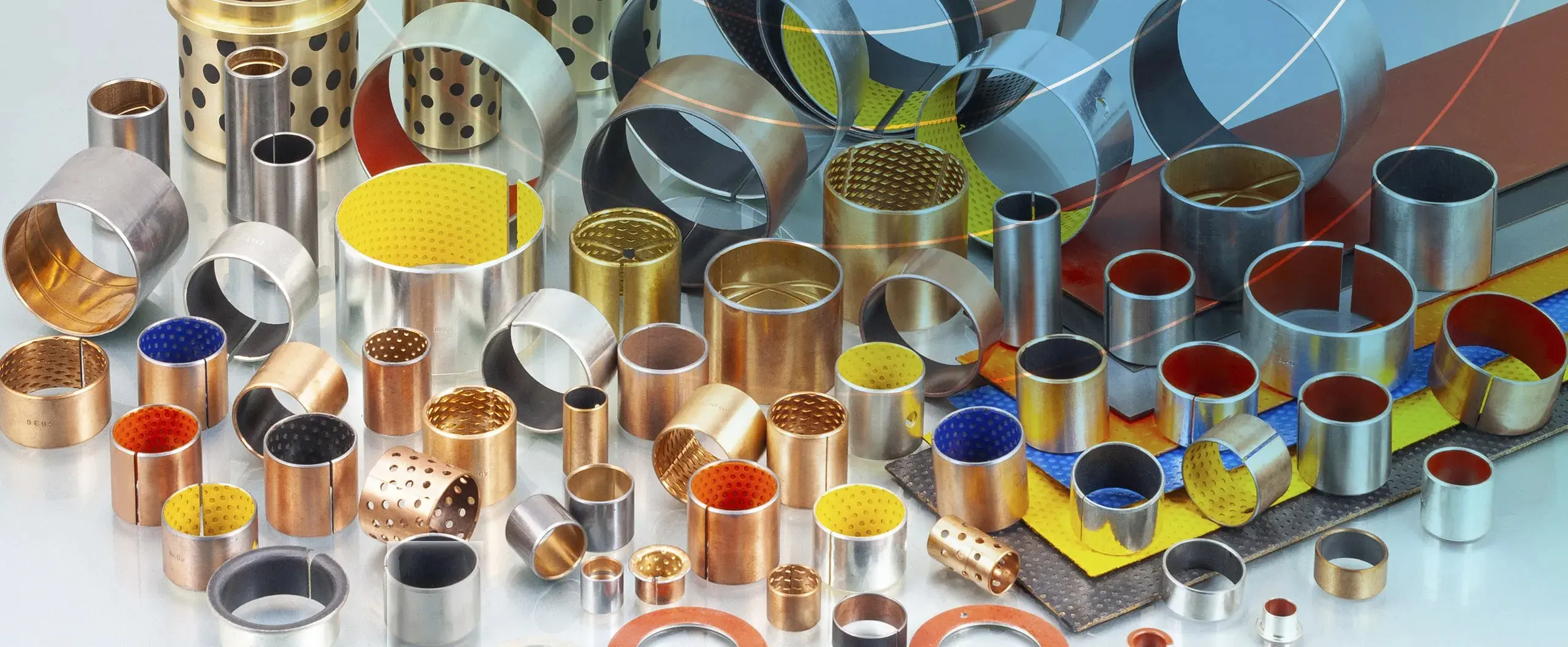
Making the final decision is a process of balancing priorities. There is rarely one "perfect" bearing for every single aspect of a design. You have to decide what is most important. Is it the ability to handle extreme weight? Or is it the need to run for five years without a single drop of oil? Or maybe it must operate underwater. I always tell my clients to start with their biggest problem. Identify the single most demanding condition your bearing will face, and use that as your starting point. From there, you can narrow down the choices and find the material that gives you the best overall performance for your specific machine.
Choosing by Load
- Heavy Load: Your choice is metal. Start with graphite-plugged bronze or bimetal bearings.
- Medium Load: Composite bearings are a great fit. Sintered bronze can also work well here.
- Light Load: Engineering plastics are the best option. They provide smooth motion without being over-engineered.
Choosing by Speed
- Low Speed: Graphite-plugged bronze, brass, and heavy-duty composites work best.
- Medium Speed: Composite bearings and sintered bronze are excellent choices.
- High Speed: Sintered bronze or specific high-speed engineering plastics are designed for this.
Choosing by Environment
- High Temperature: Graphite-plugged bronze is the clear winner.
- Wet/Humid/Chemicals: Engineering plastics are ideal. For higher loads, a stainless-steel-backed composite or a high-strength brass can also work.
- Dusty/Dirty: Composite bearings are great because their sealed surface prevents dirt from getting in.
If you look at your needs through these three lenses—load, speed, and environment—the right choice often becomes clear. If you're still not sure, you can always contact us. We'll be happy to help you find the perfect bearing for your project.
Conclusion
Understanding metal, composite, and plastic materials is key. Analyze your load, speed, and environment to select the perfect self-lubricating bearing for your machine's long-term success.
[^1]: Explore the concept of maintenance-free operation and its benefits for reducing downtime. [^2]: Learn about the benefits of metal-based materials for heavy-duty applications and their performance. [^3]: Explore the properties of PTFE and its role in providing low friction and chemical resistance. [^4]: Learn about POM's benefits in bearings, especially in applications requiring some lubrication. [^5]: Find out how UHMWPE offers high impact strength and abrasion resistance for various systems.