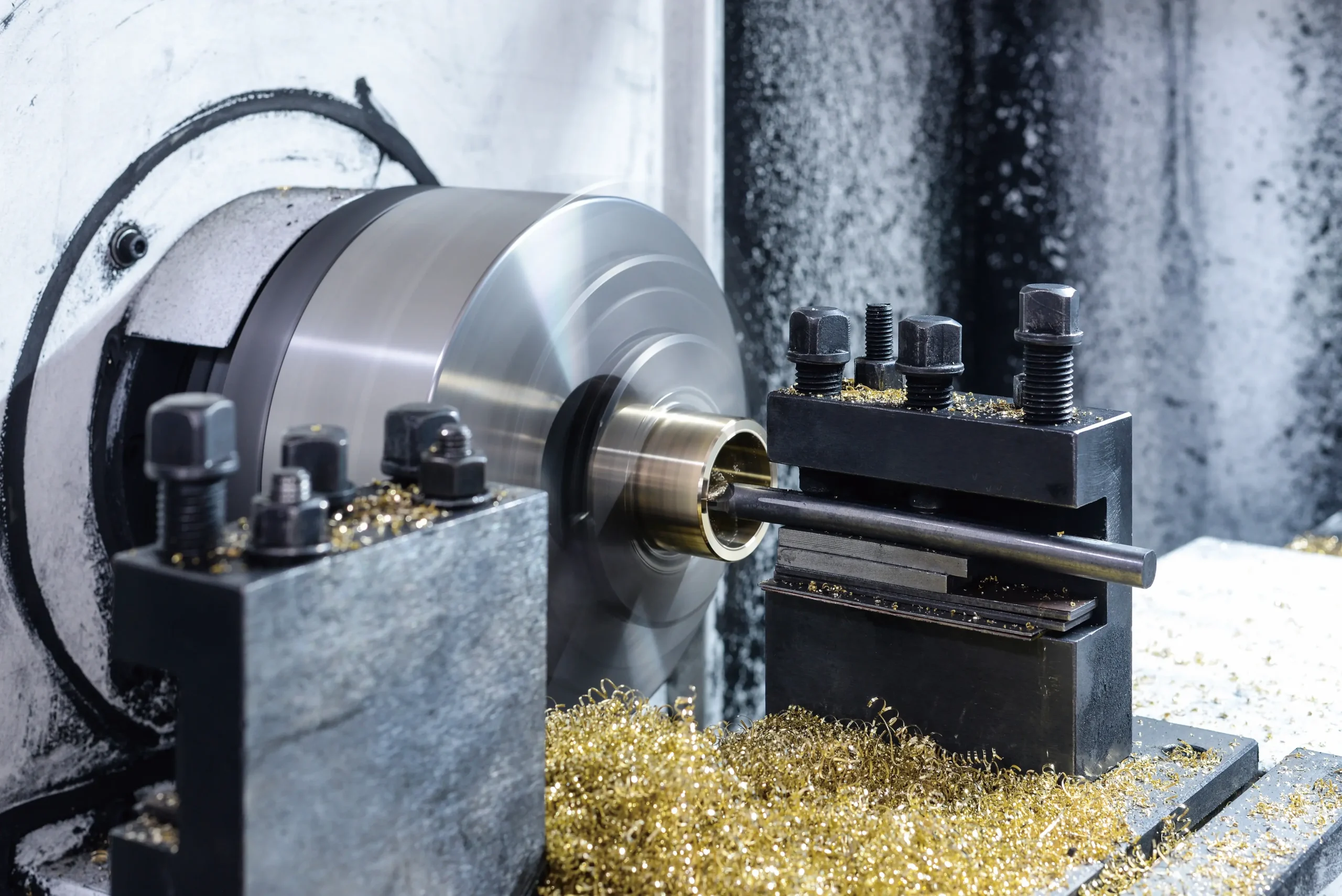
Your machinery needs to run smoothly, but constant greasing is a major headache. This downtime costs you money and stops production, a problem that self-lubricating bearings[^1] can solve.
Self-lubricating bearings are used in three main areas: in equipment where lubrication is difficult, in extreme and contaminated environments, and in machinery with heavy loads and low speeds. They are ideal for applications like cranes, mining equipment, and excavator joints where regular maintenance is impractical.
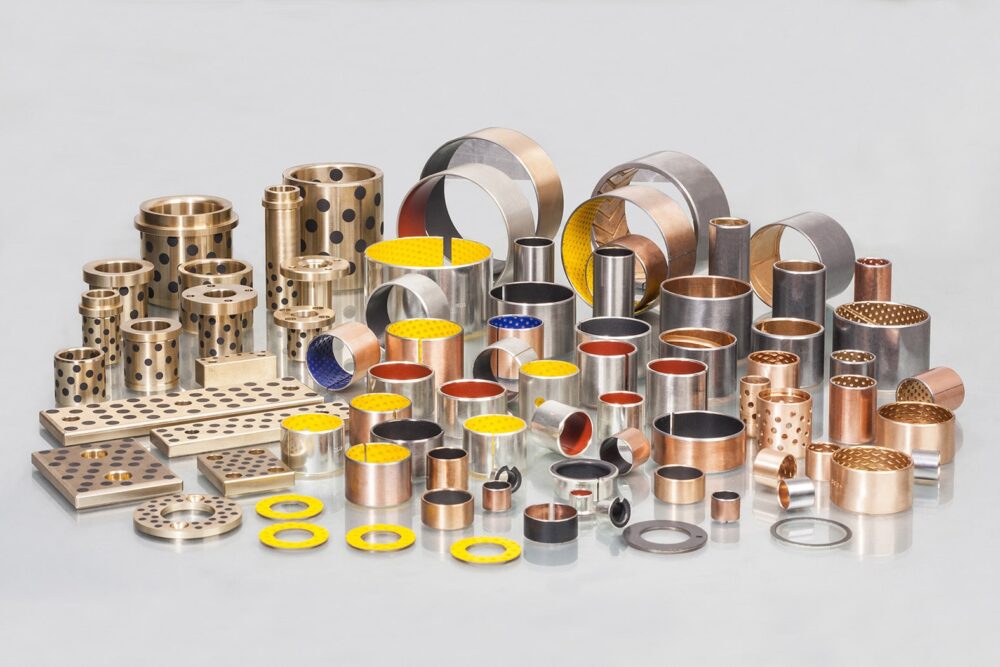
These applications are more common in industrial equipment than you might think. We see them every day in the projects our customers bring to us. Understanding these scenarios helps you choose the right bearing for the job and avoid costly failures down the line. Let's look at each of these situations to see exactly how these bearings make a difference.
When is it impossible to add grease to a machine?
Some parts of your machine are sealed tight or too high to reach. You cannot stop everything just to grease a single part inside a gearbox or climb a tall crane every day. Self-lubricating bearings are made for these exact "fit and forget" situations.
Self-lubricating bearings are necessary when parts are inaccessible. This includes sealed units like motors and gearboxes, high-altitude equipment like cranes and lifts, and long-life machinery like wind turbines or subsea equipment where routine maintenance is simply not possible or is too expensive.
Let's dive deeper into why access is such a critical factor. The design of many machines makes regular lubrication a huge challenge.
Enclosed and Sealed Units
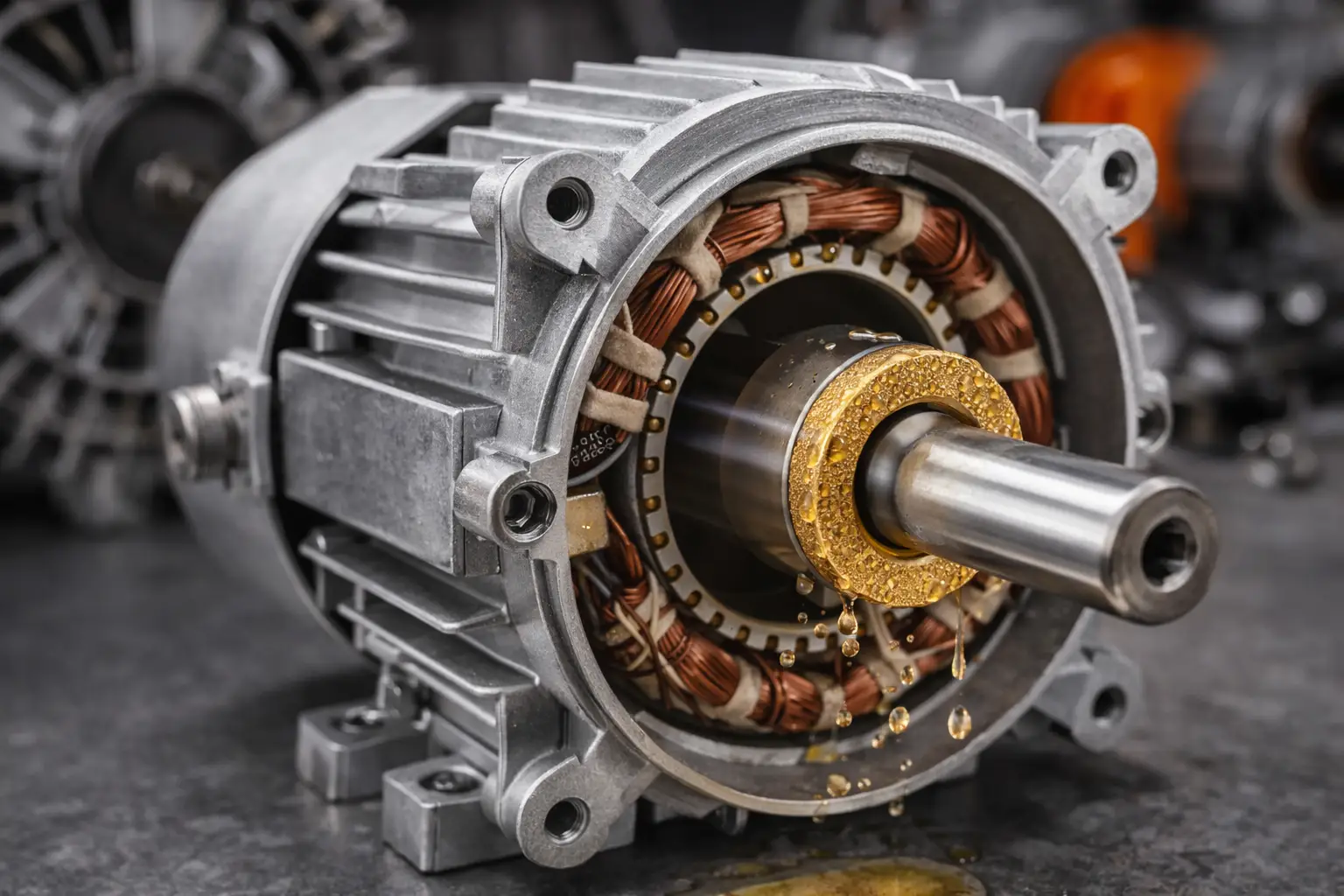
Think about the inside of an electric motor or a large industrial gearbox. These components are sealed to protect them from the outside world. You can't just open them up for a quick grease top-up without a major shutdown. A self-lubricating bearing, like a sintered bronze bushing, is perfect here. It has oil stored within its porous structure. The bearing releases this oil during operation and reabsorbs it when at rest. This ensures the internal parts run smoothly for their entire service life without any external help. This is a core reason why many OEM manufacturers come to us for their motor and transmission projects.
Hard-to-Reach Equipment
Now consider equipment that operates at great heights, like a construction crane, or in remote locations, like a wind turbine. The cost and danger of sending a technician to lubricate a single pivot point are massive. It’s not just the cost of the lubricant, but the labor, safety equipment, and lost operational time. Metal-polymer composite bearings provide a reliable, maintenance-free solution[^2] in these cases. They run dry, ensuring safety and uptime for equipment that must perform flawlessly far from the ground.
| Feature | Traditional Greased Bearing | Self-Lubricating Bearing |
|---|---|---|
| Maintenance | Requires regular greasing schedule | "Fit and forget" for its service life |
| Accessibility | Needs easy access for service gun | Ideal for sealed or remote parts |
| Downtime | Frequent stops for maintenance | Minimizes operational downtime |
| Long-Term Cost | Labor and lubricant costs add up | Higher initial cost, lower total cost |
How do bearings survive in harsh and dirty environments?
Dust, dirt, and water seem to get into everything on a job site. These contaminants mix with grease, creating a grinding paste that quickly destroys your expensive bearings and shafts. Self-lubricating bearings run dry, so contaminants have nothing to stick to, and the problem is solved.
They survive because they do not need liquid lubricants that attract dirt. In dusty mining equipment, wet marine applications, or high-heat metallurgical plants, a dry-running self-lubricating bearing provides consistent performance without the risk of contaminated grease causing damage.
Harsh environments present unique challenges that standard bearings often cannot handle. The right self-lubricating material can make all the difference.
High Contamination (Dust, Debris)
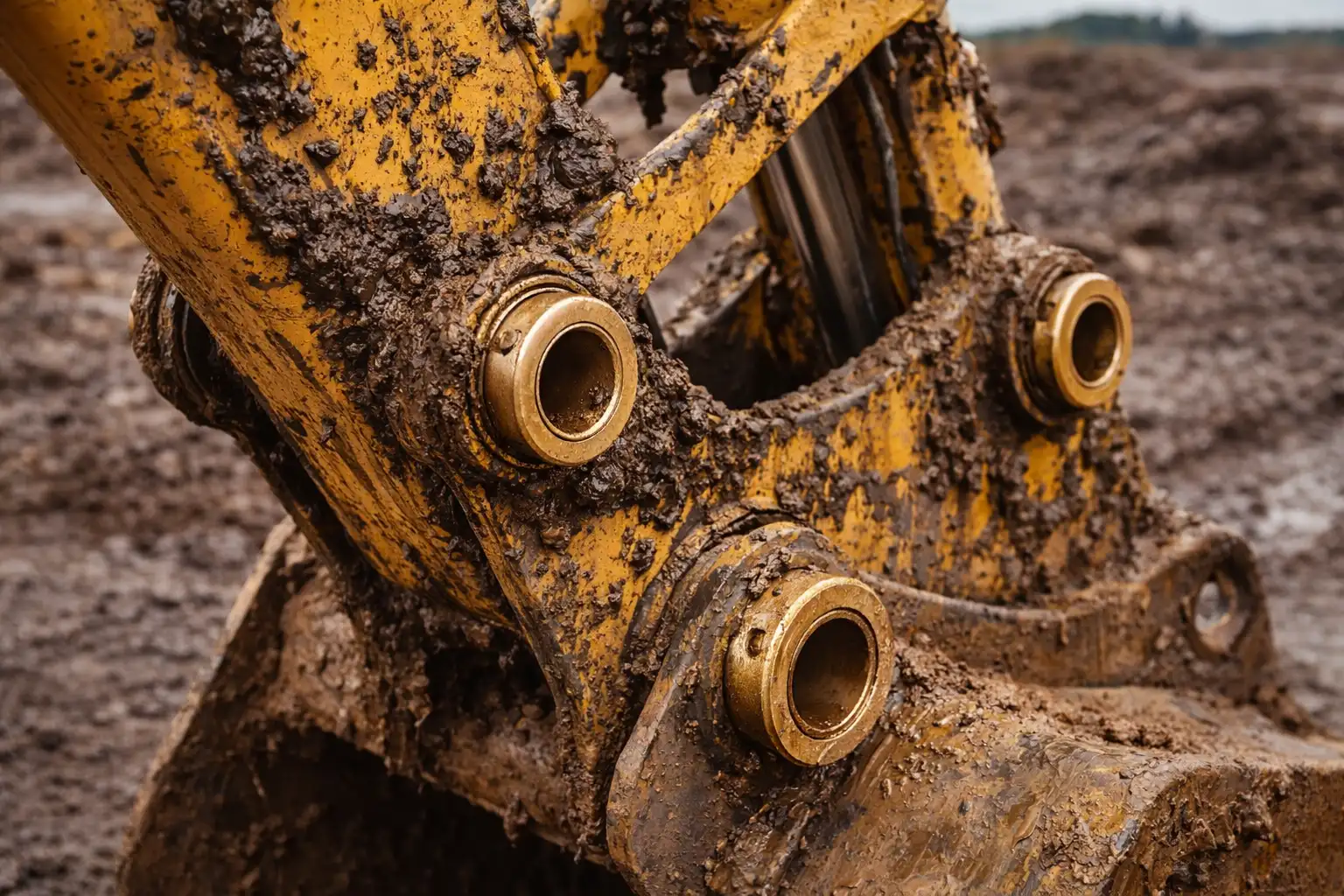
We work with many clients in the mining and construction industries. In these settings, dust and sand are everywhere. These abrasive particles are like a magnet to sticky grease. The mixture creates a grinding compound that wears down shafts and bearings at an alarming rate. A self-lubricating composite bearing works differently. It has a solid lubricant layer, like PTFE, on its surface. There is no grease for dust to cling to. The bearing surface stays clean and functional. This dramatically extends the life of critical pivot points and reduces the need for frequent, costly replacements.
Corrosive Environments (Water, Chemicals)
Now, let's think about marine and offshore equipment. Saltwater is extremely corrosive. It can wash away grease and quickly rust standard steel bearings. For these applications, we manufacture bearings from materials that resist corrosion. Our bronze wrapped bushings, for example, can be made from special alloys that hold up well in humid or wet conditions. When paired with a stainless steel shaft, these bearings provide a robust and long-lasting solution for ships, docks, and offshore platforms, preventing seizure and failure.
Extreme Temperatures
In places like steel mills or foundries, the heat is intense. High temperatures can cook standard grease, causing it to break down and lose its lubricating properties completely. This leads to catastrophic failure. Self-lubricating bearings designed for high temperatures, such as graphite-plugged bronze bushings, can operate where traditional lubricants would burn off. The solid graphite provides lubrication at temperatures far beyond the limits of oil or grease.
Why use self-lubricating bearings for heavy-load, low-speed jobs?
Heavy loads and slow, jerky movements are very tough on bearings. The thin oil film in a traditional bearing can break down under these conditions. This causes metal-to-metal contact and rapid wear. Self-lubricating bearings excel here by providing a solid barrier that prevents this wear.
They are used because traditional bearings struggle to maintain a lubricating film under heavy, slow, or oscillating motion. Self-lubricating bearings have a solid lubricant layer that handles extreme pressure and prevents seizure, making them perfect for construction equipment joints and stamping presses.
The physics of lubrication is the key to understanding this. A standard bearing needs speed to work correctly.
The Challenge of Low Speed and Oscillation
A traditional bearing relies on the rotation of the shaft to pull a wedge of oil between the moving surfaces. This is called hydrodynamic lubrication. It creates a film that separates the metal parts. But when movement is very slow, or when it just moves back and forth a little (oscillation), there isn't enough speed to build this film. The metal surfaces start to touch, causing high friction, heat, and wear.
The Self-Lubricating Solution
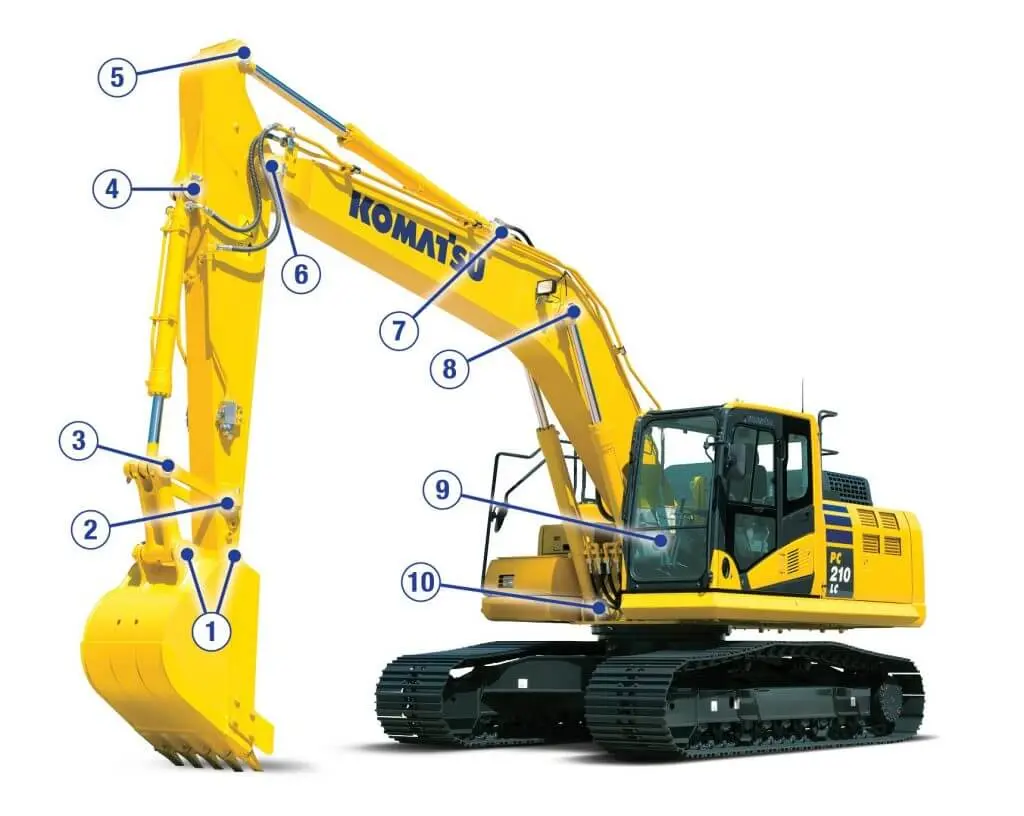
I remember a customer who repairs construction equipment. He was constantly replacing the greased bronze bushings in excavator arms. The joints see massive loads but only pivot slowly. The grease was always being squeezed out, and dirt was getting in. He switched to our metal-polymer self-lubricating bearings. The solid PTFE layer on the bearing transfers a tiny amount to the shaft, creating a durable, low-friction surface. This new surface handles the high pressure without needing an oil film. His maintenance intervals became much longer, and the equipment was far more reliable. We even have pages on our site for construction and agricultural applications to help customers like him.
| Application | Movement Type | Load | Why Self-Lubricating is Better |
|---|---|---|---|
| Excavator Arm Joint | Oscillating, Slow | Very High, Shock | Prevents metal contact and seizure |
| Stamping Press | Intermittent, High Impact | High | Handles shock loads without failure |
| Agricultural Machinery | Seasonal, Oscillating | High, Dusty | Resists contamination and works after storage |
| Loader Articulation Point | Pivoting, Slow | High | Greatly reduces frequent maintenance needs |
Conclusion
Self-lubricating bearings excel where maintenance is tough. They are vital for inaccessible, harsh, or heavy-load applications, ensuring reliability and reducing long-term costs for your equipment.
[^1]: Explore the advantages of self-lubricating bearings to enhance your machinery's performance and reduce maintenance costs. [^2]: Explore the benefits of maintenance-free solutions to reduce downtime and improve operational efficiency.