Struggling with friction in your machinery? Standard bearings are expensive and complex. There's a simpler, cost-effective solution for many common applications you might be overlooking.
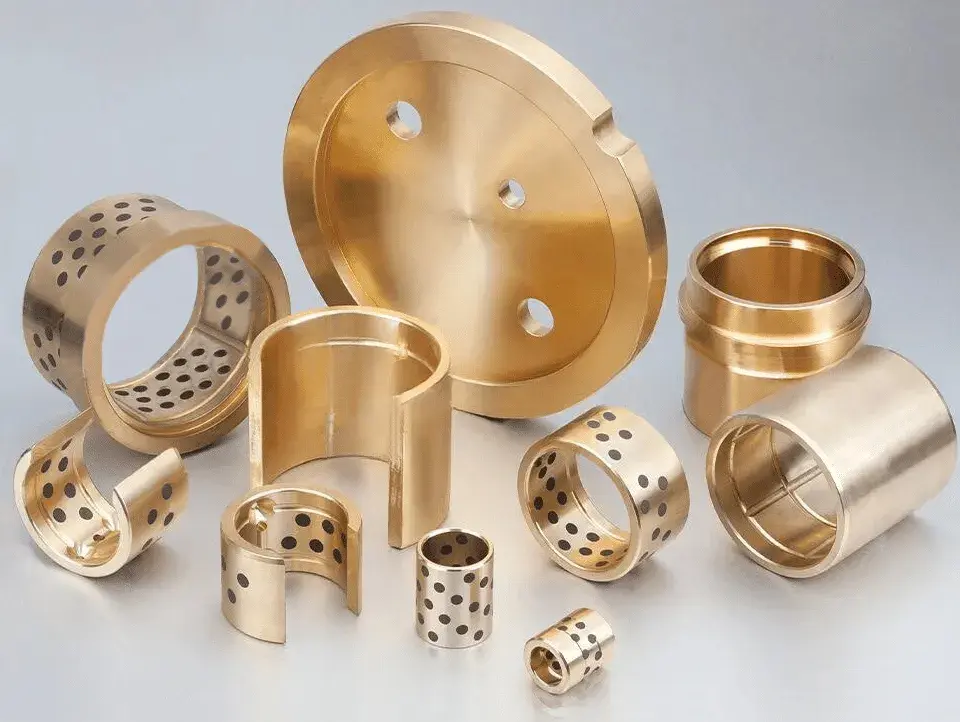
A brass bushing sleeve[^1] is a cylindrical plain bearing made from a copper-zinc alloy[^2]. It is used to reduce friction and wear between a rotating shaft and its housing, providing a cost-effective solution for medium-load, low-speed applications where regular lubrication is possible.
That's the quick answer. But as a manufacturer, I know the real questions are about performance and cost. Choosing the right bushing material is critical, so let's dig into the details to see if brass is the right fit for your project.
Is a Brass Bushing Really Better Than a Bronze One?
Choosing between brass and bronze bushings can be confusing. Making the wrong choice can lead to premature failure or unnecessary costs for your project.
Neither is "better" overall; they serve different purposes. Brass bushings are a cost-effective choice for moderate loads. Bronze bushings are stronger and more wear-resistant, making them ideal for heavy-duty applications. The best choice depends entirely on your specific performance and budget requirements.
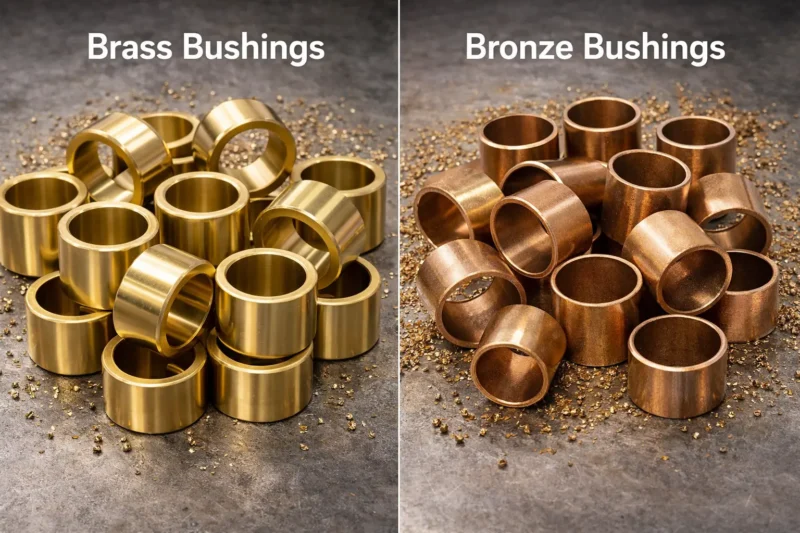
This is a question I get all the time from engineers and procurement managers. The answer almost always comes down to two things: performance needs and budget. The main difference is the metal mixed with copper. Brass uses zinc, while bronze typically uses tin. This small change has a big impact on how the bushing performs in your equipment. Let's break it down simply.
Brass vs. Bronze: A Quick Comparison
Think of it this way: brass is your cost-effective solution, and bronze is your heavy-duty performance solution.
| Feature | Brass Bushing | Bronze Bushing |
|---|---|---|
| Alloy | Copper + Zinc | Copper + Tin/Aluminum |
| Hardness | Lower | Higher |
| Wear Resistance | Good | Excellent |
| Load Capacity | Medium | High |
| Cost | Lower | Higher |
When to Choose Brass
I often recommend brass to clients working on large-scale production of light machinery or consumer goods. For example, a customer manufacturing office chairs needed a simple pivot bushing. The loads were low and the movement was infrequent. Brass was the perfect fit. The lower cost per unit added up to significant savings across their production run without sacrificing the necessary performance. It’s strong enough for many common jobs.
When You Must Use Bronze
However, if a client is building something like construction equipment or a high-load industrial gearbox, I steer them toward bronze. Its superior hardness and wear resistance are non-negotiable in those tough environments. Using brass here would lead to rapid failure and costly warranty claims. So, brass isn't "better" than bronze, but for the right application, it's often the smarter economic choice for your business.
What Are the Ideal Applications for a Brass Bushing Sleeve?
Are you unsure if a brass bushing fits your design? Using the wrong component can cause unexpected breakdowns and costly repairs down the line.
Brass bushing sleeves are perfect for medium-to-low load, low-speed applications where you can apply lubrication regularly. They are most common in cost-sensitive projects like home appliances, hardware, light machinery, and some valves, where high performance is not the primary requirement.
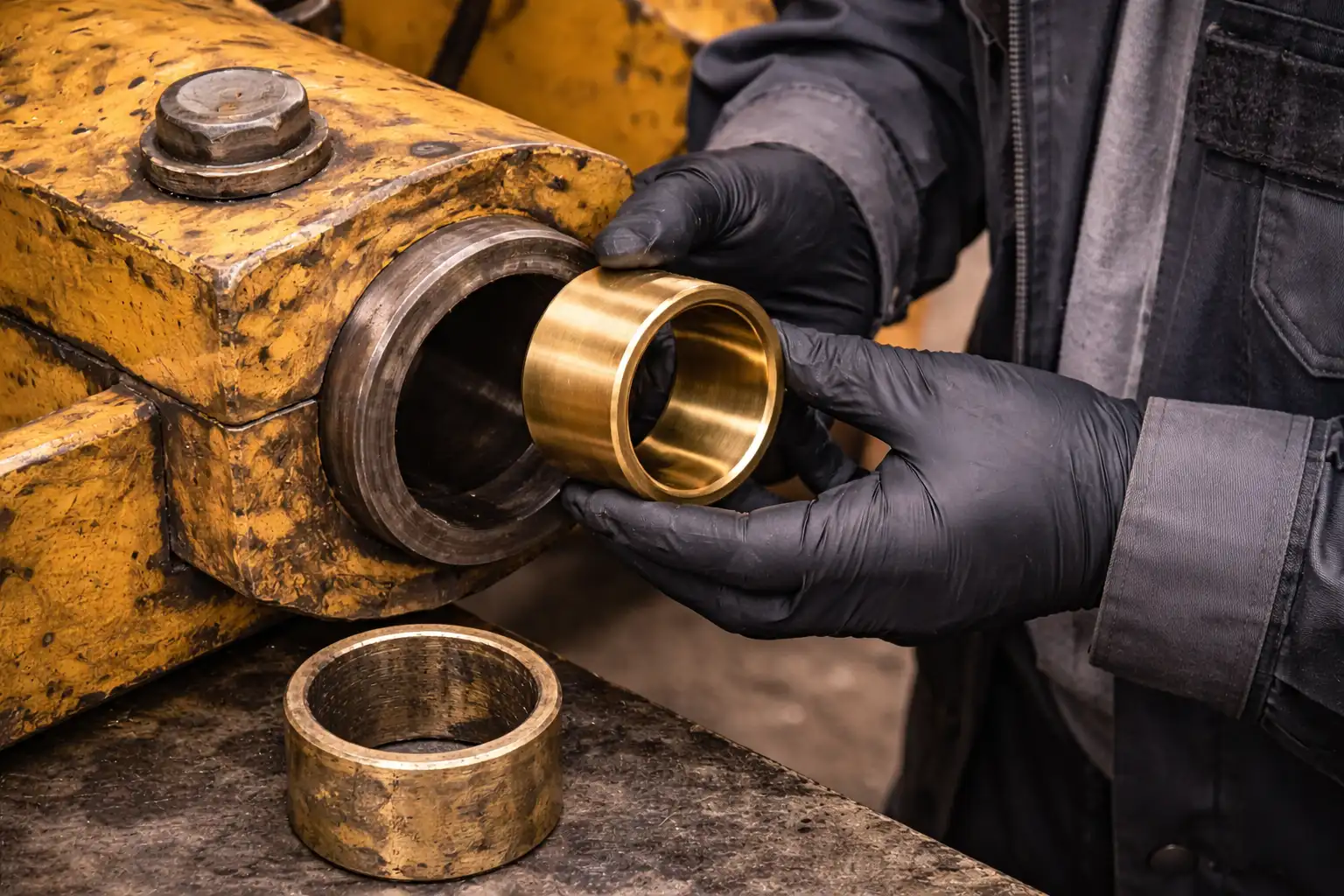
I've seen our brass bushings used successfully in thousands of different products. They shine in very specific conditions. If your application fits these criteria, you have likely found a great, cost-effective solution for your supply chain.
1. Medium to Low Load Environments
Think about the forces involved in your machine. We are not talking about the main pivot on a bulldozer arm. We are talking about lighter jobs. I have supplied brass bushings for office furniture mechanisms, small electric motor shafts, and simple levers in consumer products. The load is moderate, so the higher strength of bronze is not necessary. Paying for that extra strength would be a waste of money.
2. Low-Speed or Intermittent Motion
Brass is great for simple rotations that are not too fast. High speeds generate a lot of heat from friction, which can cause brass to wear out quickly. But for a hinge on a cabinet that only moves occasionally or a control knob shaft that rotates slowly, brass works perfectly and will last for the lifetime of the product.
3. Environments Allowing for Lubrication
This is a critical point you must consider. Standard brass bushings are not self-lubricating. They need grease or oil to create a protective film between the bushing and the shaft. As manufacturers, we often machine oil grooves or holes into our brass bushings to help hold and distribute this lubricant. If your design allows for periodic maintenance, brass is a viable option. If not, you need to look at other materials.
4. Cost-Sensitive Projects
This is often the deciding factor for our customers. For companies producing thousands of units, saving even a small amount on each component makes a huge difference to the bottom line. We work with many OEMs in the home appliance and hardware industries who choose brass specifically for its balance of acceptable performance and low cost for mass production.
Can You Customize Brass Bushings or Are There Better Alternatives?
You found a standard brass bushing that is almost right, but not perfect. Do you have to compromise your design, or are there better options available?
Yes, brass bushings are fully customizable by dimension, material grade, and features like oil grooves. However, if your application needs to be maintenance-free, self-lubricating alternatives like sintered or composite bushings are a better choice. Customization ensures a perfect fit for your specific needs.
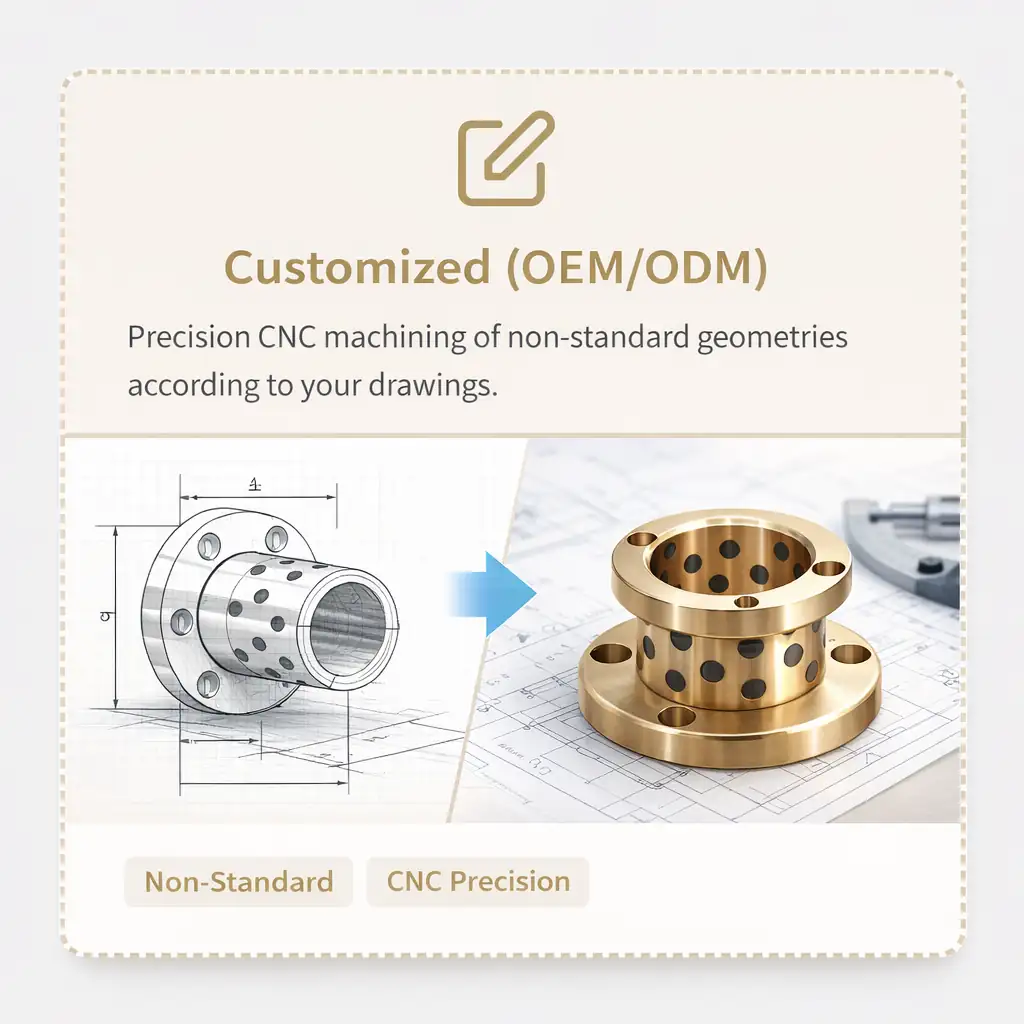
As a manufacturer, "custom" is our standard language. A part that is "almost right" is not good enough for a reliable production line. We build bushings to your exact specifications to ensure they work perfectly in your assembly.
Complete Customization
Never let a standard catalog limit your design. We can tailor almost every aspect of a brass bushing to meet your project's needs.
- Dimensions: We machine to precise inner diameter (ID), outer diameter (OD), and length requirements. This guarantees a perfect fit and smooth assembly on your production line.
- Material: While "brass" is a general term, we can use specific alloys like C3604 or H59. The choice depends on your need for strength, corrosion resistance, or machinability.
- Features: We can add oil grooves, lubrication holes, flanges, or even make split designs. These features can match your assembly and maintenance plan perfectly.
When to Consider Alternatives
The biggest limitation of a standard brass bushing is its need for lubrication. A few years ago, a client building an automated conveyor system needed a bushing for a pivot point. This pivot was very hard to access for maintenance. Brass was not the right fit. We recommended a composite, self-lubricating bushing instead. It had a higher upfront cost but eliminated the need for maintenance, saving them money in the long run. If your application needs to be "fit-and-forget," you should explore:
- Sintered Bearings: These are porous and filled with oil, providing self-lubrication.
- Composite Bushings: These have layers of materials, often with a low-friction PTFE surface that requires no external lubrication.
The key is to match the bushing to the application's entire lifecycle, not just the initial cost.
Conclusion
So, brass bushings are a great, low-cost choice for many applications. But always match the material to the load, speed, and maintenance requirements of your specific project.
[^1]: Explore this link to understand the versatility and benefits of brass bushing sleeves in various applications. [^2]: Learn about the properties and uses of copper-zinc alloys, which are essential in manufacturing brass bushings.