Are you confused about the difference between a bushing[^1] and a bearing[^2]? You might pick the wrong part for your machine. I can help clear this up for you.
A bushing is a specific type of plain bearing[^3], usually a sleeve that allows for sliding motion. A standard bearing, often called a rolling-element bearing[^4], uses balls or rollers to reduce friction. They serve different purposes, but sometimes they can be used in the same application.
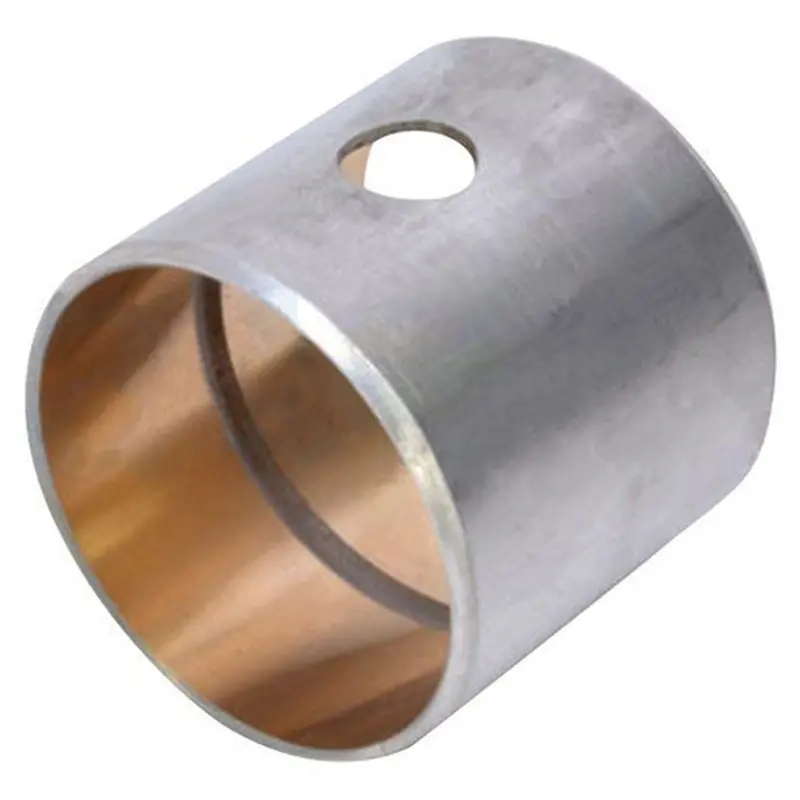
In my years of manufacturing, I've seen a lot of confusion around these two parts. People often use the names interchangeably. But for an equipment manufacturer or an engineer, knowing the difference is critical. It affects your machine's performance, its lifespan, and your final cost. Let's break it down so you can make the right choice every time for your B2B needs.
Is a bushing just a type of bearing?
Do you find the industry terms confusing? Using the wrong name can lead to sourcing the wrong part. This can cause major delays and failures in your equipment assembly line[^5].
Yes, a bushing is a sub-category of bearing. Specifically, a bushing is a type of plain bearing, also known as a sliding bearing. This is different from the more commonly pictured rolling-element bearings that use balls or rollers. So, all bushings are bearings, but not all bearings are bushings.
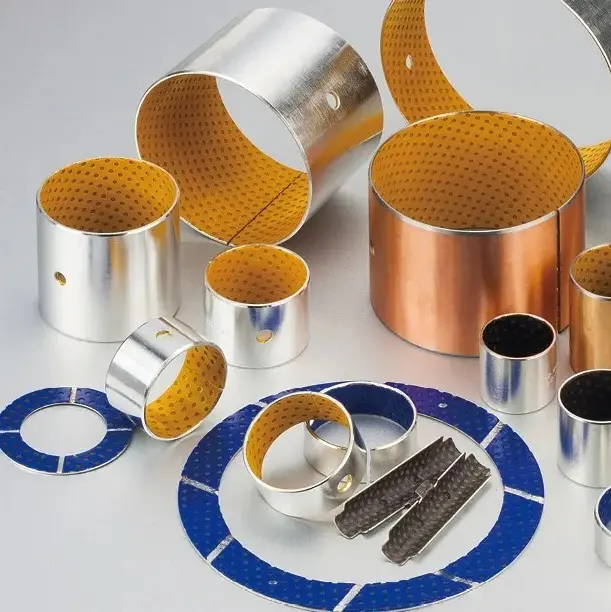
To understand this better, I like to think of it like a family tree. The main family name is "Bearing." This family has two major branches.
One branch is Plain Bearings. This is where bushings live. They are simple, often one-piece components. Their job is to provide a low-friction sliding surface[^6] for a shaft to rotate or move within. As a factory, we at FESODA specialize in this branch. We make millions of these parts, like metal-polymer bushings and bronze bushings, that don't have any moving parts inside them.
The other branch is Rolling-Element Bearings. This is what most people think of when they hear "bearing." These are more complex parts with inner and outer rings, and either balls or rollers in between. They are designed to roll, not slide.
Here is a simple table to show the basic difference in their design principle:
| Feature | Plain Bearing (Bushing) | Rolling-Element Bearing |
|---|---|---|
| Core Principle | Sliding Motion | Rolling Motion |
| Contact Type | Surface-to-surface contact | Point or line contact |
| Internal Parts | None (usually a single sleeve) | Many (balls, rollers, cage, races) |
| Main Function | Protects the shaft, allows sliding | Reduces rotational friction |
So, when you contact a supplier, being specific is key. If you need a part for a high-load, slow-moving pivot, you are looking for a plain bearing, or a bushing. If you need a part for a fast-spinning motor shaft, you need a rolling-element bearing.
How do bushings and bearings actually work differently?
Have you ever seen a component fail too early? It's frustrating and costly. Often, it's because the part’s basic working principle was wrong for the job it was asked to do.
Bushings work through sliding motion, often using self-lubricating materials[^7] built into their surface. Rolling-element bearings use balls or rollers to separate two surfaces, allowing them to roll instead of slide. This rolling action is better for high speeds, while sliding is better for handling heavy loads.
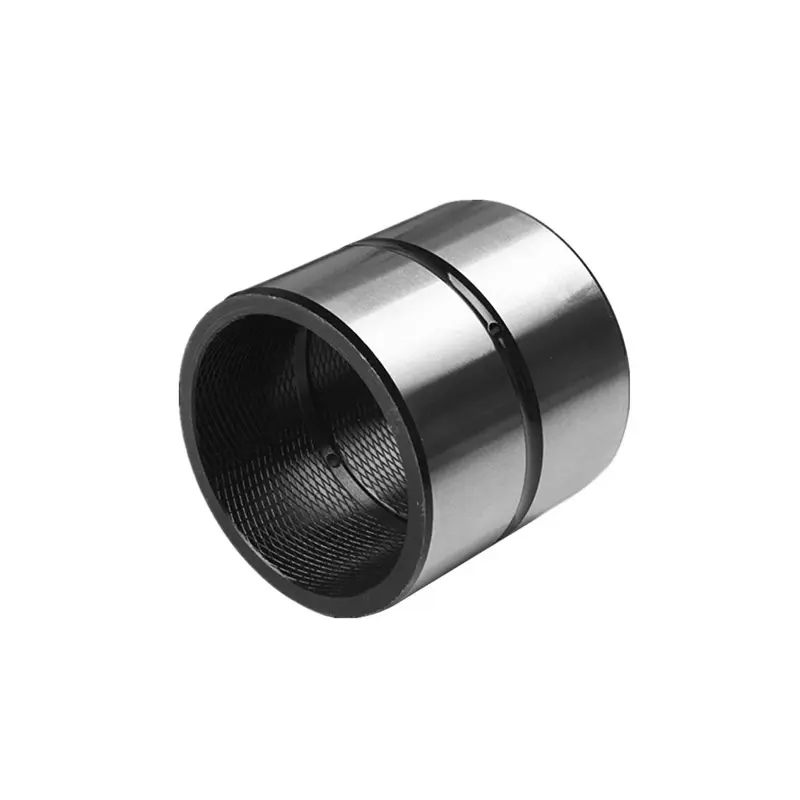
Let's dive deeper into how their mechanics differ in real-world applications. This is something we deal with every day in our factory.
How a Bushing Works
A bushing is essentially a protective sleeve. It fits between a housing and a shaft. When the shaft turns or moves, it slides directly against the inner surface of the bushing. There are no rolling parts. The magic is in the material. Many of the bushings we manufacture are self-lubricating.
- Built-in Lubrication: We embed solid lubricants like graphite or PTFE into the material. Or, for sintered bearings, we impregnate porous metal with oil.
- No Maintenance: This means they can run for thousands of hours without needing more grease. This is perfect for places that are hard to reach.
- Large Contact Area: The entire inner surface of the bushing supports the shaft. This spreads the load over a wide area, which is why they are so good under heavy pressure.
How a Rolling-Element Bearing Works
A rolling-element bearing is designed to do one thing very well: roll.
- Rolling Elements: It has balls or rollers trapped between two rings (called races). When the shaft turns, the elements roll, creating very little friction.
- External Lubrication: While they are low-friction, those rolling parts still need lubrication, usually grease or oil, to prevent wear and heat buildup. They can be sealed to keep the grease in, but they are not truly "self-lubricating" in the same way a bushing is.
- Small Contact Area: The load is concentrated on very small points (on a ball) or lines (on a roller). This is great for speed but can be a problem under extreme shock loads.
Here is a quick comparison of their operational differences:
| Characteristic | Bushing (Plain Bearing) | Bearing (Rolling-Element) |
|---|---|---|
| Motion | Sliding | Rolling |
| Primary Lubrication | Self-contained (solid, oil-impregnated) | External (grease, oil) |
| Load Distribution | Over a large surface area | On small points or lines |
| Ideal Speed | Low to medium | Medium to very high |
Understanding this fundamental difference is the first step to choosing the right component for your equipment.
When should I choose a bushing instead of a bearing?
Are you worried about making a design choice[^8] that could lead to costly failures? Choosing a complex rolling bearing for a dirty, heavy-duty job could be a big mistake. So how do you decide?
Choose a bushing for high-load, low-speed applications, especially where maintenance is difficult or the environment is dirty. Use a rolling-element bearing for high-speed, high-precision applications[^9] where minimizing friction is the most important goal.
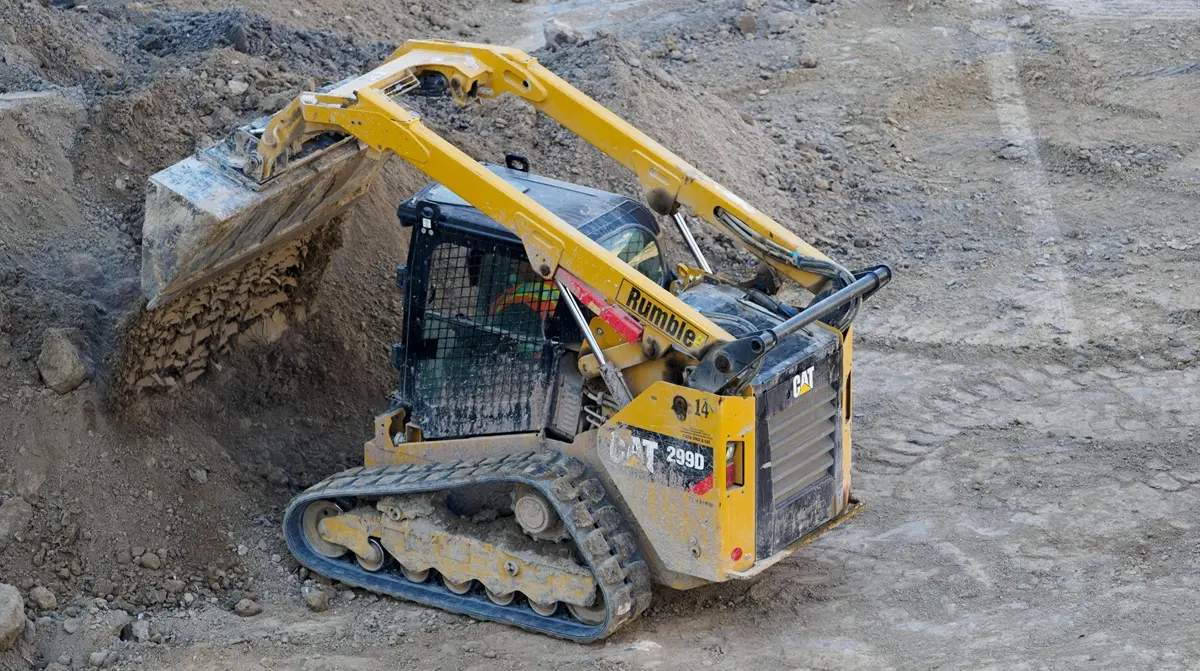
As a manufacturer who supplies both standard and custom parts, I help engineers with this decision all the time. The choice depends entirely on the job you need the part to do. It's a trade-off between load, speed, maintenance, and cost.
You should use a bushing in these situations:
- High Loads, Low Speeds: Think of the pivot points on a piece of construction equipment, like an excavator arm. The loads are huge, but the movement is slow or oscillating back and forth. A bushing's large surface area is perfect for this.
- Maintenance-Free Operation: For consumer products or equipment parts that are sealed for life, a self-lubricating bushing is the ideal choice. There's no need to add grease later.
- Dirty or Harsh Environments: Bushings are often single-piece designs with no rolling parts to get jammed by dirt, dust, or moisture. This makes them more reliable in agricultural or mining machinery.
- Cost-Effectiveness: For many high-load, low-speed jobs, a bushing provides the required performance at a lower cost than a complex rolling-element bearing.
You should use a rolling-element bearing in these situations:
- High Rotational Speeds: This is the main reason to choose a rolling-element bearing. Think of electric motors, wheel hubs, and gearboxes. They are designed to spin fast with very little friction.
- Precision is Key: When the exact position of a shaft must be maintained with minimal wobble, a rolling-element bearing is superior.
Here is a table to help you decide based on your application:
| Application Factor | Choose a Bushing | Choose a Rolling-Element Bearing |
|---|---|---|
| Load | Very High, Shock Loads | Moderate to High, Smooth Loads |
| Speed | Low, Oscillating, Intermittent | High, Continuous Rotation |
| Environment | Dirty, Gritty, Wet | Clean, Protected |
| Maintenance | None or Very Low | Requires periodic lubrication |
| Example | Bulldozer Arm Pivot | Car Wheel Hub |
| Example | Office Chair Swivel | Electric Motor Shaft |
Sometimes their capabilities overlap. But if your application involves heavy loads and slow movement, a bushing is almost always the more robust and economical choice.
Conclusion
Bushings are for high-load, low-speed sliding, while rolling-element bearings are for high-speed rolling. Choosing the right one is critical for your equipment's reliability and your bottom line.
[^1]: Understanding bushings is essential for selecting the right components in machinery, ensuring optimal performance. [^2]: This resource will clarify the distinctions between bushings and bearings, helping you make informed choices. [^3]: Learn about plain bearings to understand their applications and advantages in various machinery. [^4]: Explore the functionality of rolling-element bearings to see how they differ from bushings. [^5]: Learn about potential pitfalls in assembly lines to avoid costly mistakes. [^6]: Understanding low-friction surfaces can enhance your knowledge of efficient machinery design. [^7]: Discover the benefits of self-lubricating materials in bushings for maintenance-free operation. [^8]: This guide will help you navigate the decision-making process for component selection. [^9]: Learn why precision is crucial in certain applications and how rolling-element bearings fulfill this need.