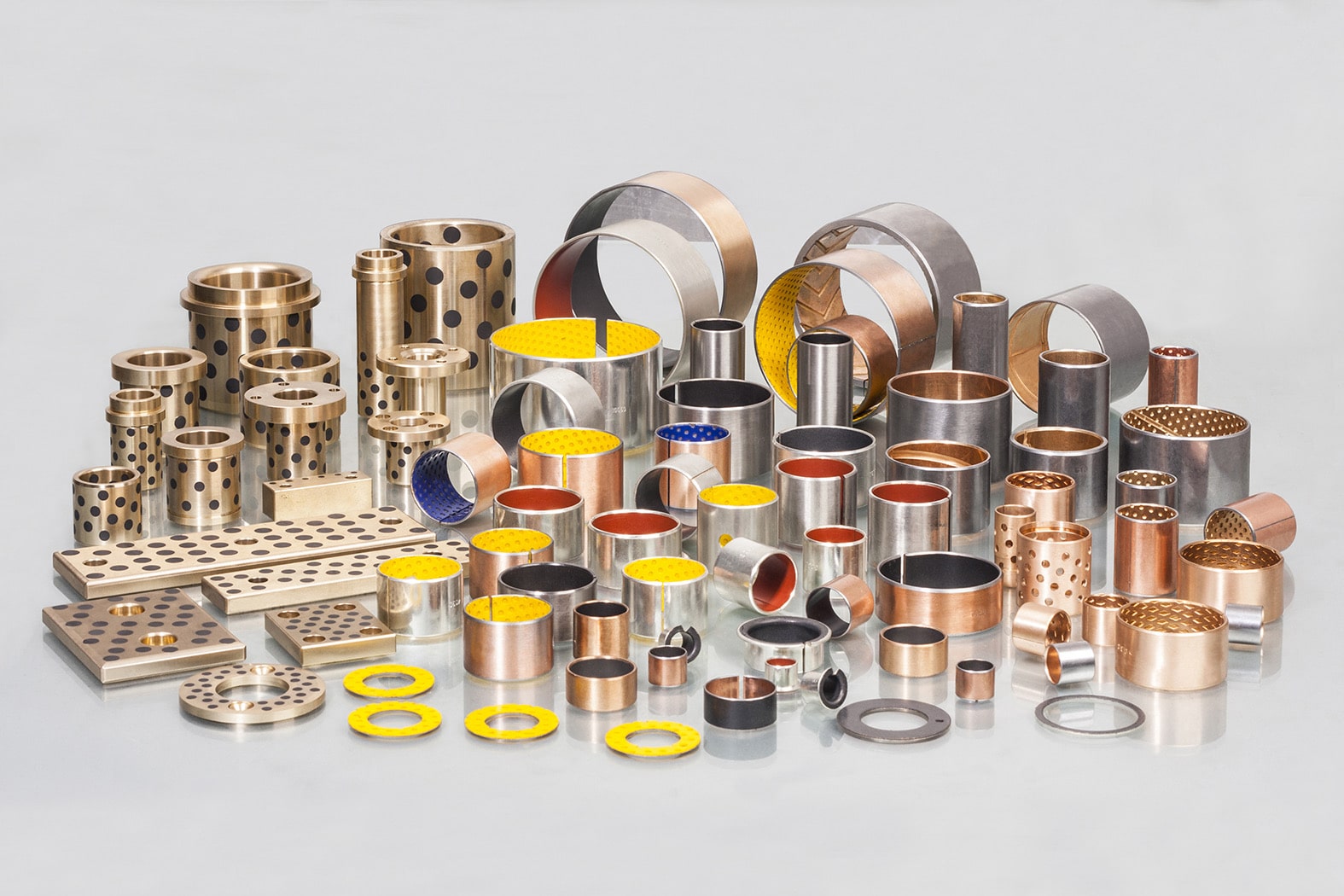
Are you tired of constant machinery maintenance? The regular greasing of bearings is costly and time-consuming, and if forgotten, it leads to failure. Self-lubricating bearings eliminate this problem entirely.
A self-lubricating bearing is a maintenance-free plain bearing[^1], often called a bushing, that lubricates itself through its special material or structure. Its main purpose is to ensure equipment runs reliably in conditions where regular oiling is impossible or impractical, preventing wear and costly downtime.
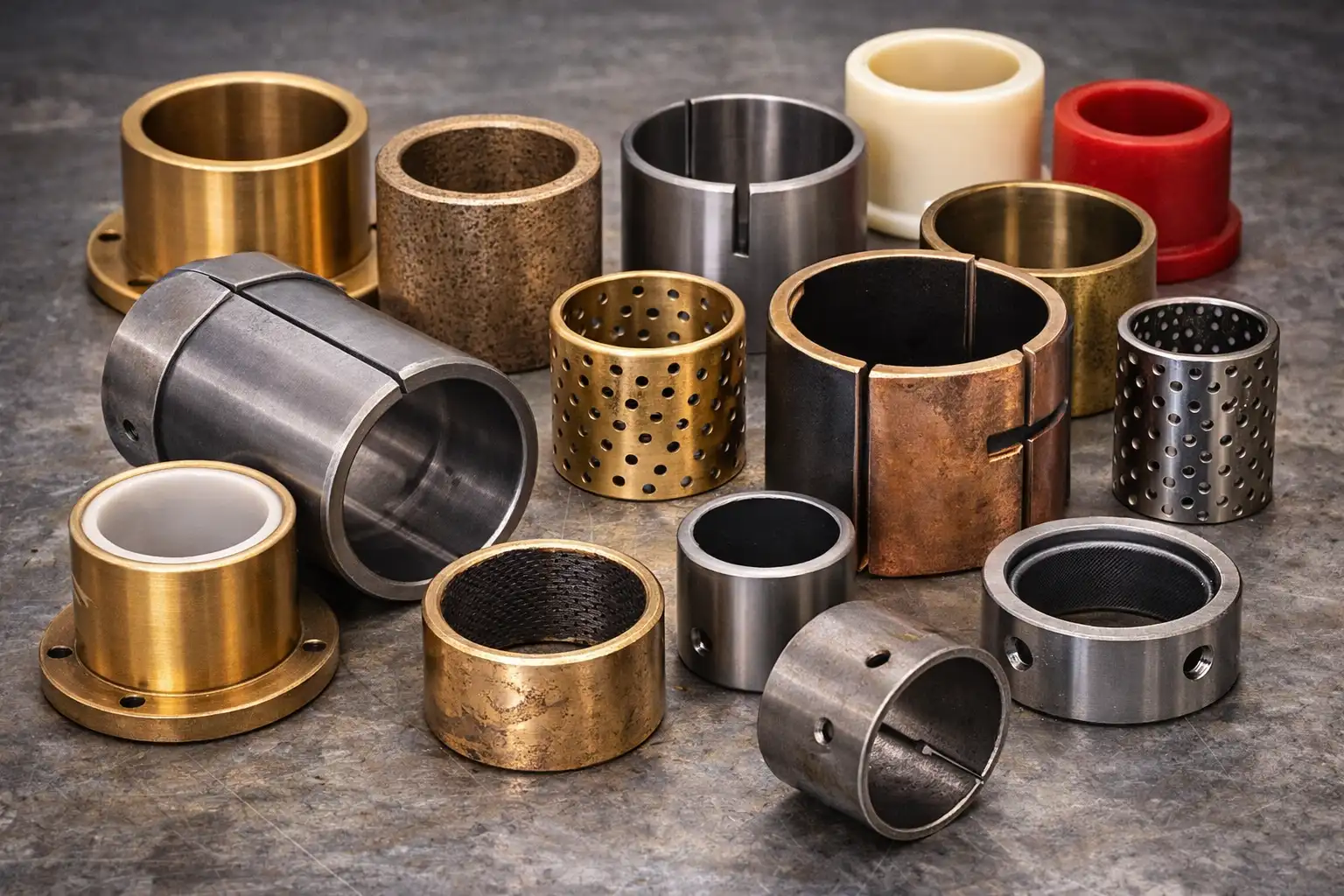
I remember a client in the agricultural sector who was experiencing constant breakdowns. Their equipment operated in dusty fields, and the grease on their traditional bearings would mix with dirt, turning into a grinding paste. They were replacing parts constantly. The solution was a switch to self-lubricating bearings, which sealed out the contaminants and eliminated the need for greasing. This simple change saved them thousands in parts and downtime. It showed me firsthand how the right bearing isn't just a part; it's a solution. Now, let’s look at how they actually work.
How Do Self-Lubricating Bearings Actually Work Without Oil?
It sounds almost too good to be true. How can a moving part run smoothly without anyone ever adding grease? You might worry it's a gimmick that won't last.
It’s not magic, but smart engineering. Self-lubricating bearings work in three main ways: using materials that are naturally slippery, having a structure that holds oil and releases it slowly, or embedding solid lubricants into a strong metal body to handle heavy loads.
Let's dive deeper into these mechanisms. The core idea is to make lubrication an integral part of the bearing itself, rather than an external maintenance task. This is achieved through different material science and design strategies, each suited for different operational demands. As a manufacturer, we see these three main approaches as the foundation of modern bearing technology.
1. Material-Based Lubrication
This is the most common type we produce. These bearings rely on materials with an inherently low coefficient of friction. The most popular material is Polytetrafluoroethylene (PTFE)[^2], but graphite is also used. During operation, a very thin layer of this material transfers from the bearing surface onto the rotating shaft. This creates a smooth, slippery "transfer film" that separates the two metal surfaces, drastically reducing friction and wear. It’s a continuous process; as the film wears away, more material transfers to replenish it. This is why we call them "maintenance-free." They are perfect for applications with slow, oscillating movements, like in automotive hinges or pivot points on construction equipment.
2. Oil-Impregnated Structure (Sintered Bearings)
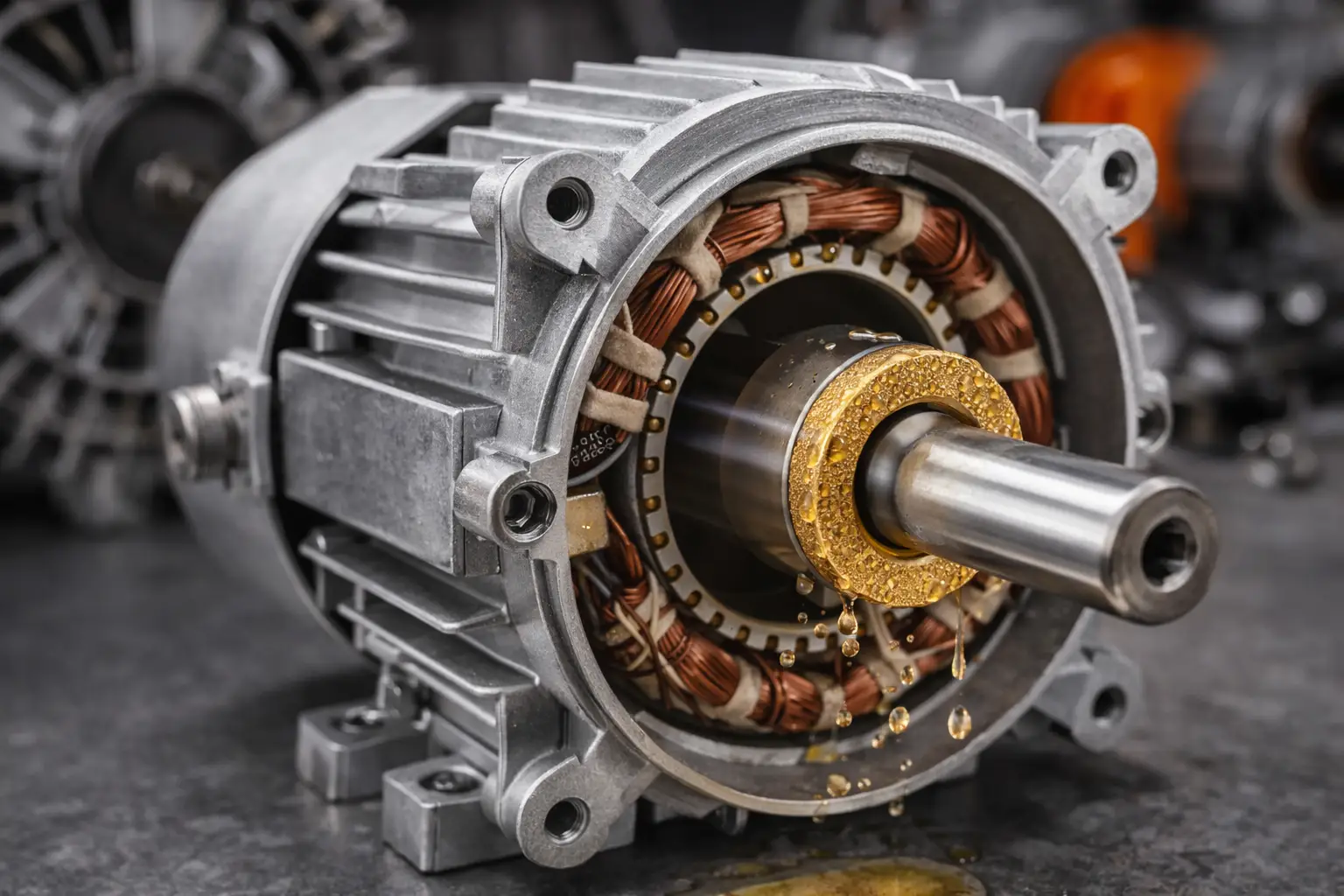
This method is clever. We start with metal powder, usually bronze or iron, and press it into the shape of a bearing. Then, we heat it in a furnace in a process called sintering. This fuses the powder together but leaves behind a network of tiny, interconnected pores, making up about 15-30% of the bearing's volume. We then immerse the bearing in a high-quality lubricating oil, and it soaks into these pores like a sponge. When the bearing is in use, the heat from friction and the motion of the shaft cause the oil to expand and seep out onto the surface, providing perfect lubrication. When it stops, the oil is drawn back in. This design is excellent for medium-speed, continuous-rotation applications like small electric motors and fans.
3. Embedded Solid Lubricants
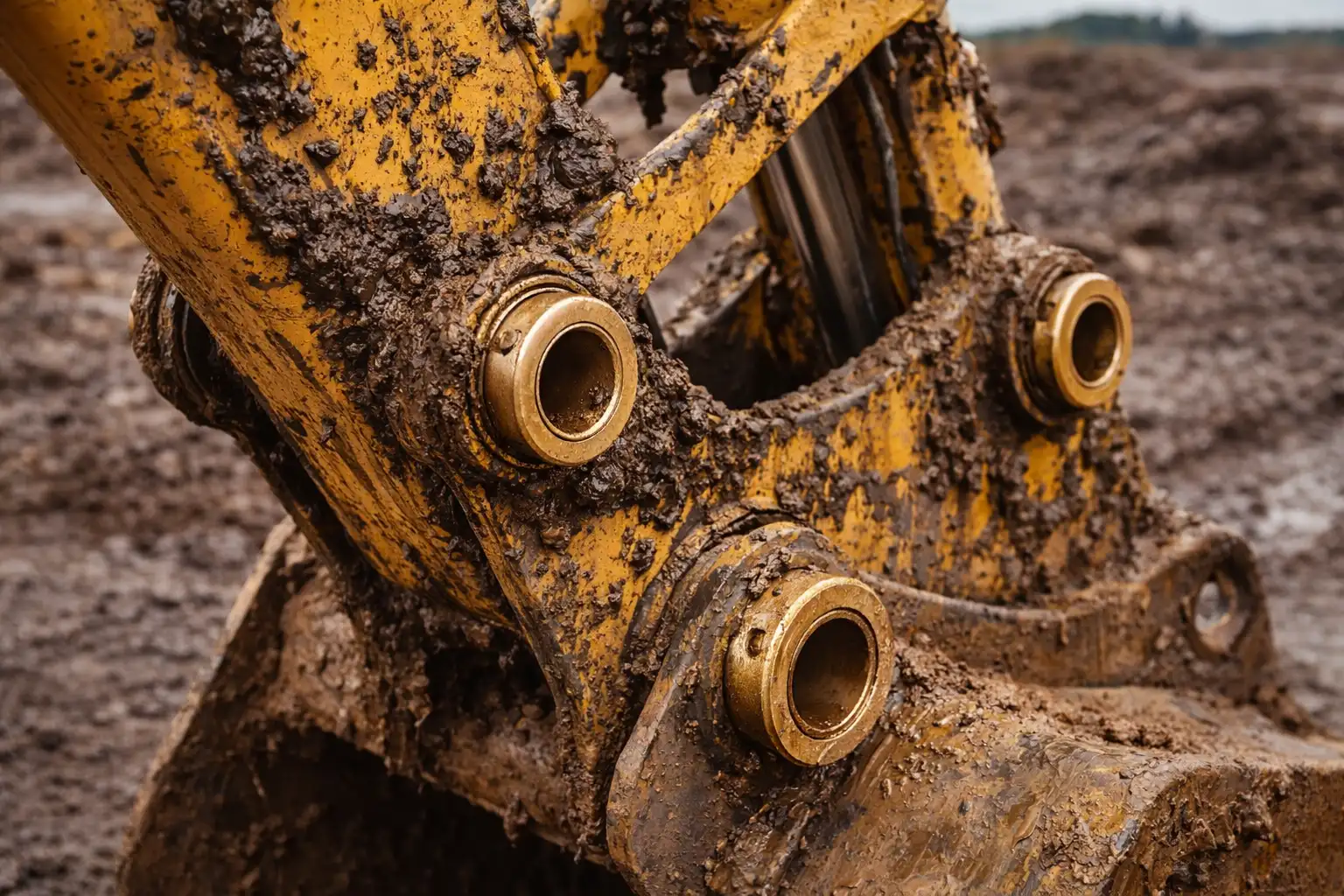
What if you have extreme loads and high temperatures? This is where embedded solid lubricants shine. We start with a high-strength metal base, typically a bronze alloy, and machine pockets or grooves into it. Then, we press solid lubricant plugs, usually made of graphite, into these pockets. The strong bronze body provides the mechanical strength to handle immense pressure, while the graphite provides continuous lubrication as it wears. This combination is unbeatable for heavy-duty, low-speed applications. Think of the massive pivot joints on an excavator arm or the bearings in a steel mill. They operate in harsh environments where liquid lubricants would burn off or get contaminated.
| Lubrication Method | Key Material | Best For |
|---|---|---|
| Material-Based | PTFE, Graphite | Low-speed, maintenance-free |
| Oil-Impregnated | Sintered Bronze/Iron | Medium-speed, continuous rotation |
| Embedded Solid | Bronze + Graphite Plugs | Heavy-load, low-speed, high-temp |
Which Industries Benefit Most From Self-Lubricating Bearings?
Now you know how they work, but are they the right choice for your specific machines? Choosing the wrong bearing can lead to unexpected failures, so you need to be sure.
These bearings are problem-solvers for industries where maintenance is difficult or contamination is a major risk. They are essential in construction, automotive, food processing, and marine applications, providing unmatched reliability in harsh environments involving dust, water, extreme temperatures, and heavy loads.
Over the years, I've supplied bearings to countless projects, and I've seen clear patterns in where they deliver the most value. It’s not about replacing every bearing, but about using the right technology to solve a specific problem. For our B2B clients, this means building more reliable and competitive machines. Let's look at some of the key sectors.
Construction & Agricultural Machinery
This is a classic use case. Equipment like bulldozers, excavators, and tractors operate in extremely dirty and dusty conditions. Traditional greased bearings attract this grit, which creates an abrasive paste that quickly destroys both the bearing and the shaft. Also, maintenance schedules are often difficult to follow in the field. Self-lubricating bearings, especially the composite PTFE-lined or embedded graphite types, are sealed for life. They don't require external grease, so dirt has nothing to stick to. This prevents abrasive wear and extends the service life of critical pivot points, like boom arms and linkages, dramatically reducing downtime and repair costs for the end-user.
Automotive Industry
The modern car is expected to run for hundreds of thousands of miles with minimal maintenance. Self-lubricating bearings are everywhere in a vehicle, even if you don't see them. They are in door hinges, steering columns, seat adjustment mechanisms, and suspension systems. The requirements here are long life, silent operation, and zero maintenance. For example, a composite bushing in a car door hinge ensures it opens smoothly and quietly for the vehicle's entire life without ever needing a drop of oil. For our OEM clients in the auto parts sector, consistency and reliability in mass production are key, and that's exactly what these bearings provide.
Food Processing & Packaging
In this industry, hygiene is everything. Any lubricant leakage can contaminate an entire batch of food product, leading to costly recalls and brand damage. Furthermore, the equipment is subjected to frequent high-pressure washdowns with caustic cleaning agents. Self-lubricating bearings are the perfect solution. They require no grease, eliminating the risk of contamination. We can also provide bearings made from FDA-compliant materials that are resistant to corrosion from cleaning chemicals. This ensures the machinery runs smoothly while upholding the highest food safety standards.
| Industry | Common Challenge | Self-Lubricating Solution |
|---|---|---|
| Construction/Agriculture | Dust, Dirt, Infrequent Maintenance | Sealed, grease-free design prevents abrasive wear. |
| Automotive | Long Life, Zero Maintenance, Silent Operation | Provides smooth motion for life in hinges, steering, etc. |
| Food Processing | Contamination Risk, Frequent Washdowns | Eliminates grease; uses FDA-compliant, corrosion-resistant materials. |
| Marine & Offshore | Water, Salt, Corrosion | Bronze-based bearings with solid lubricants resist corrosion. |
Conclusion
In short, self-lubricating bearings are a reliable, maintenance-free solution. They keep machinery running smoothly in tough conditions where traditional bearings would fail, saving both time and money.
[^1]: Learn about maintenance-free plain bearings and how they can reduce downtime and costs in machinery. [^2]: Find out how PTFE enhances bearing performance and reduces friction in various applications.