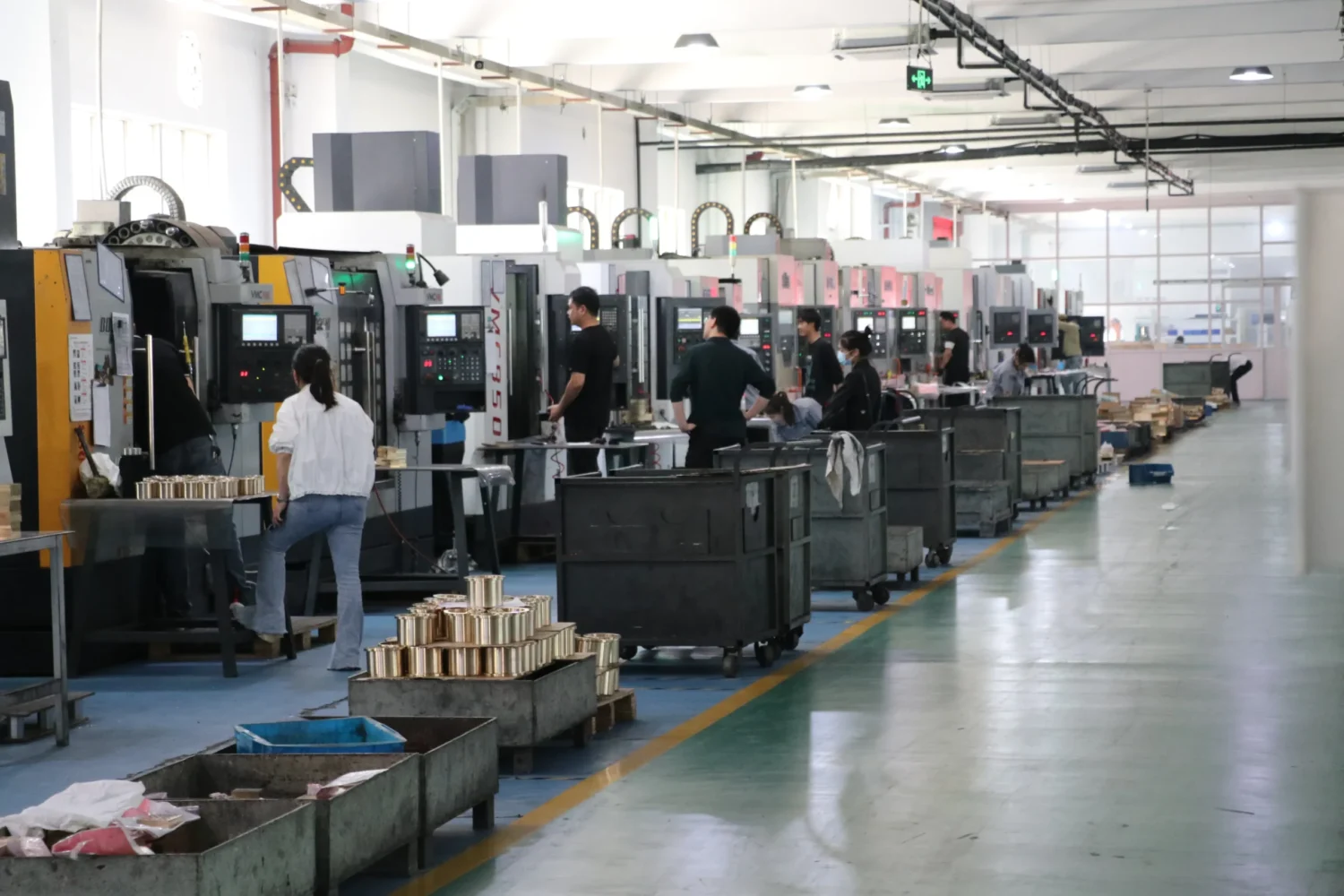
Your equipment needs constant lubrication, which is a hassle. Without it, parts wear out fast, causing downtime. What if a bushing could just lubricate itself?
An oil-impregnated bronze bushing[^1] is a self-lubricating bearing[^2] made from porous bronze that holds oil. During operation, it releases oil to reduce friction. When stopped, it reabsorbs the oil. This enables long-term, low-maintenance performance in many machines.
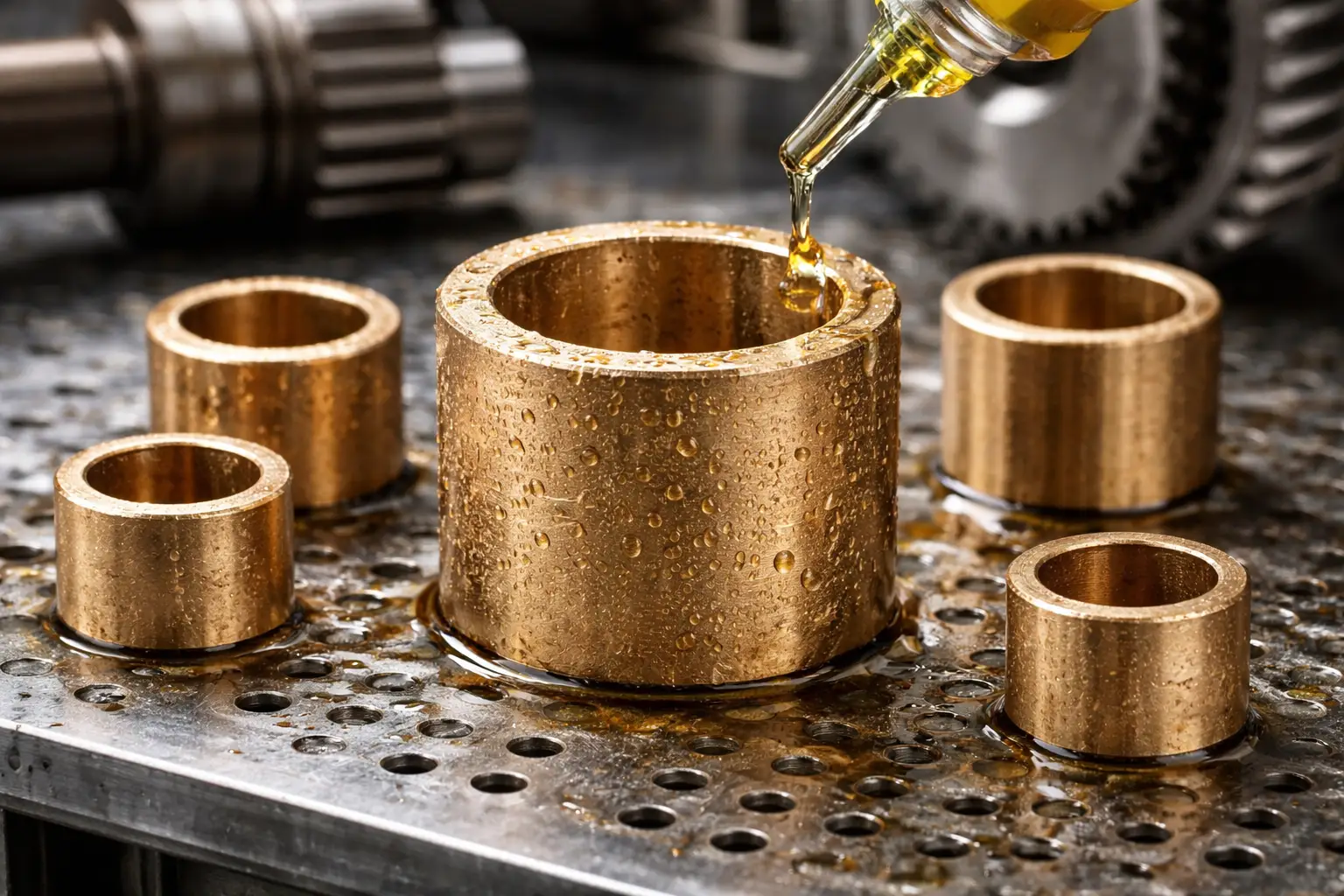
This self-lubricating feature sounds simple, but it is a game-changer for many industries. I have seen how this technology transforms product reliability firsthand. It all comes down to a clever design that stores lubrication right inside the material itself. This eliminates a major point of failure for many machines. Let's explore how this technology actually works and why it is so effective for our B2B clients.
How do these bushings lubricate themselves?
Manually greasing moving parts is time-consuming and messy. Forgetting to do it leads to premature failure and production stops. These bushings offer a clever, automatic lubrication solution.
The bushing lubricates itself through a simple, effective cycle. When a shaft rotates, it creates slight heat and pressure. This pushes oil out from the bushing's tiny pores. When the machine stops, the bushing cools and reabsorbs the oil, ready for the next cycle.
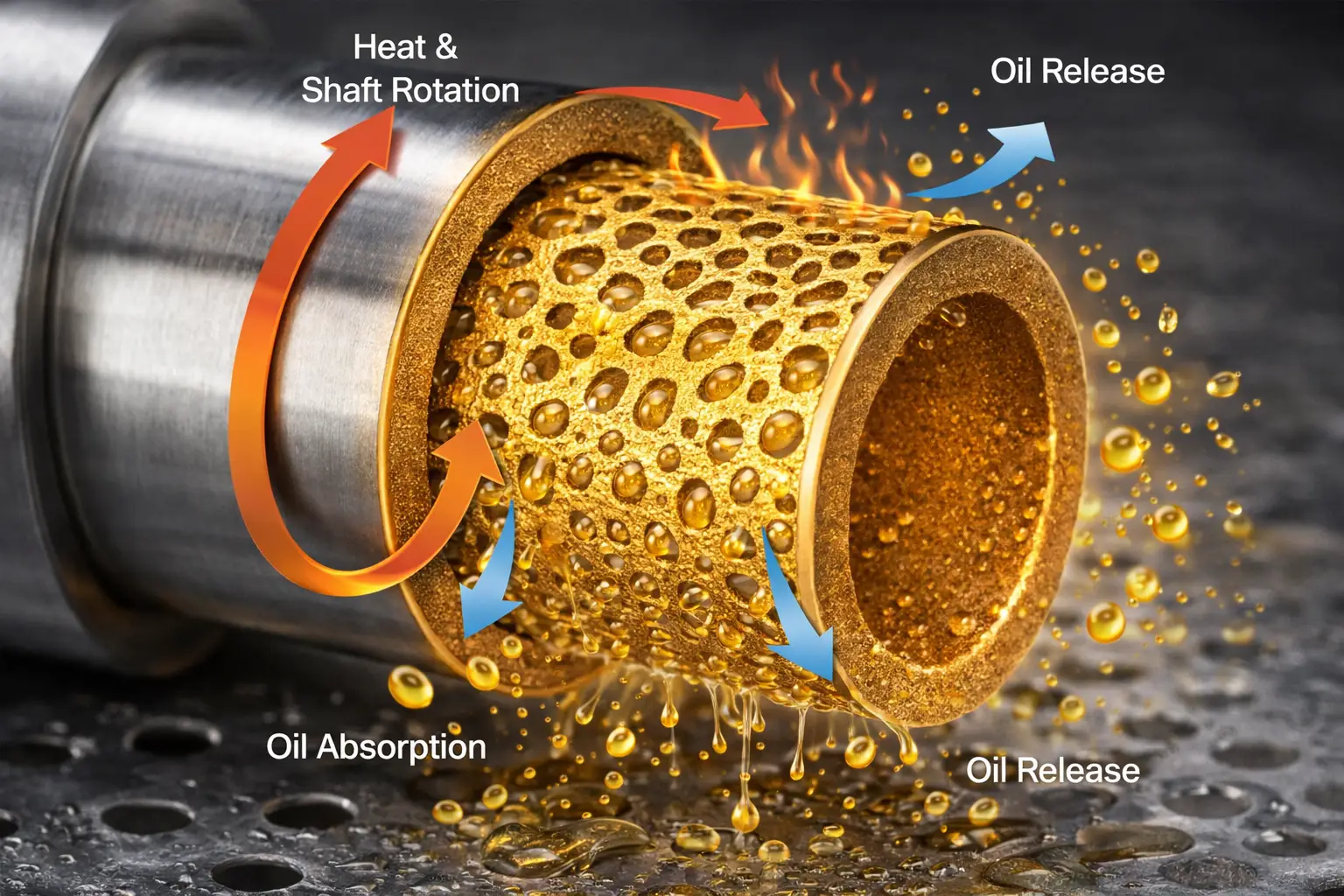
To really understand this, we need to look at how we make them. The process is called powder metallurgy[^3]. We start with fine bronze powder. We pour this powder into a die, which is a mold in the shape of the final bushing. Then, we use high pressure to compact the powder into a solid, but still porous, part. The next step is sintering. We heat the part in a furnace to a temperature just below bronze's melting point. The metal particles fuse together, creating a strong, sponge-like metal structure. This structure is full of tiny, interconnected pores.
After sintering, the bushing has its shape and strength, but it is still "dry." The final, crucial step is oil impregnation. We place the bushings in a vacuum chamber to remove all the air from the pores. Then, we introduce a special lubricating oil. The vacuum helps pull the oil deep into the material, completely saturating it.
This creates a self-contained lubrication system. Here is how it works in a cycle:
| State | Process | Result |
|---|---|---|
| At Rest | The shaft is stationary. | Oil is held inside the bushing's pores by capillary action. |
| Startup | The shaft begins to rotate. | Friction creates heat and pressure, pushing oil to the surface. |
| Operation | The shaft is at speed. | A thin, consistent film of oil separates the shaft and bushing. |
| Shutdown | The shaft stops rotating. | The bushing cools, and capillary action pulls the oil back inside. |
This cycle repeats every time the machine runs, providing reliable lubrication[^4] without any external help.
What are the main advantages of using sintered bronze bushings[^5]?
Choosing the right bushing is tough. You need reliability without high costs. The wrong choice can mean frequent maintenance, unexpected breakdowns, and budget overruns. Sintered bronze bushings solve these problems.
The main advantages are self-lubrication, which reduces maintenance, and stable performance. They offer low friction[^6], quiet operation[^7], and are cost-effective for mass production. Their simple design makes them easy to install and replace, improving overall equipment efficiency.
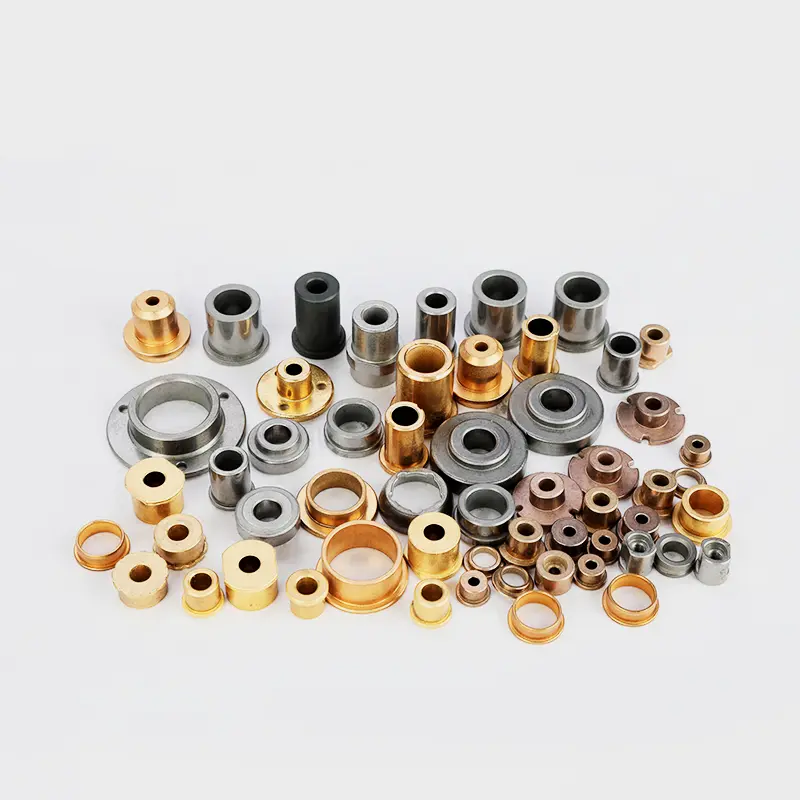
Let's dive deeper into these benefits, which are very important for our OEM and high-volume customers.
Maintenance and Cost Savings
The biggest advantage is the "fit and forget" nature of these bushings. Once installed, they require little to no further maintenance. This is a huge cost saver. You eliminate the labor costs of manually greasing parts. You also remove the cost of the grease itself and the equipment needed to apply it. More importantly, it reduces production downtime[^8] scheduled for maintenance. For a factory running hundreds of machines, this adds up to significant savings. As a manufacturer, we see this benefit as a core value for our clients. It simplifies their designs and reduces their customers' long-term operating costs.
Performance and Reliability
The self-lubricating system provides a very stable and low coefficient of friction. This means movement is smooth and predictable, which is critical for precision equipment. The oil film also acts as a damper. It absorbs micro-vibrations and reduces noise. This is why you find these bushings in home appliances[^9] and office equipment, where quiet operation is a key feature. Because wear is minimized, the service life of the equipment is extended. The reliability of the final product improves, leading to fewer warranty claims and happier end-users.
Here is a simple comparison:
| Feature | Sintered Bronze Bushing | Solid Bronze Bushing (Greased) |
|---|---|---|
| Lubrication | Self-contained, automatic | Requires external, manual application |
| Maintenance | Very low to none | Regular greasing schedule required |
| Noise Level | Very low | Can be higher if not properly greased |
| Contamination | System is sealed | External grease attracts dust and dirt |
| Mass Production Cost | Lower due to automation | Higher due to machining needs |
This shows why sintered bushings are often the superior choice for high-volume, cost-sensitive applications.
Where are oil-impregnated bushings typically used?
Finding a versatile component that works across different machines is a challenge. You need a reliable solution for everything from home appliances to industrial gearboxes. Oil-impregnated bushings are common in many applications.
These bushings are used in applications needing quiet, self-lubricated motion. Common examples include electric motors[^10], fans, printers, and home appliances. They are also found in automotive parts[^11], industrial machinery transmissions[^12], and light agricultural equipment.
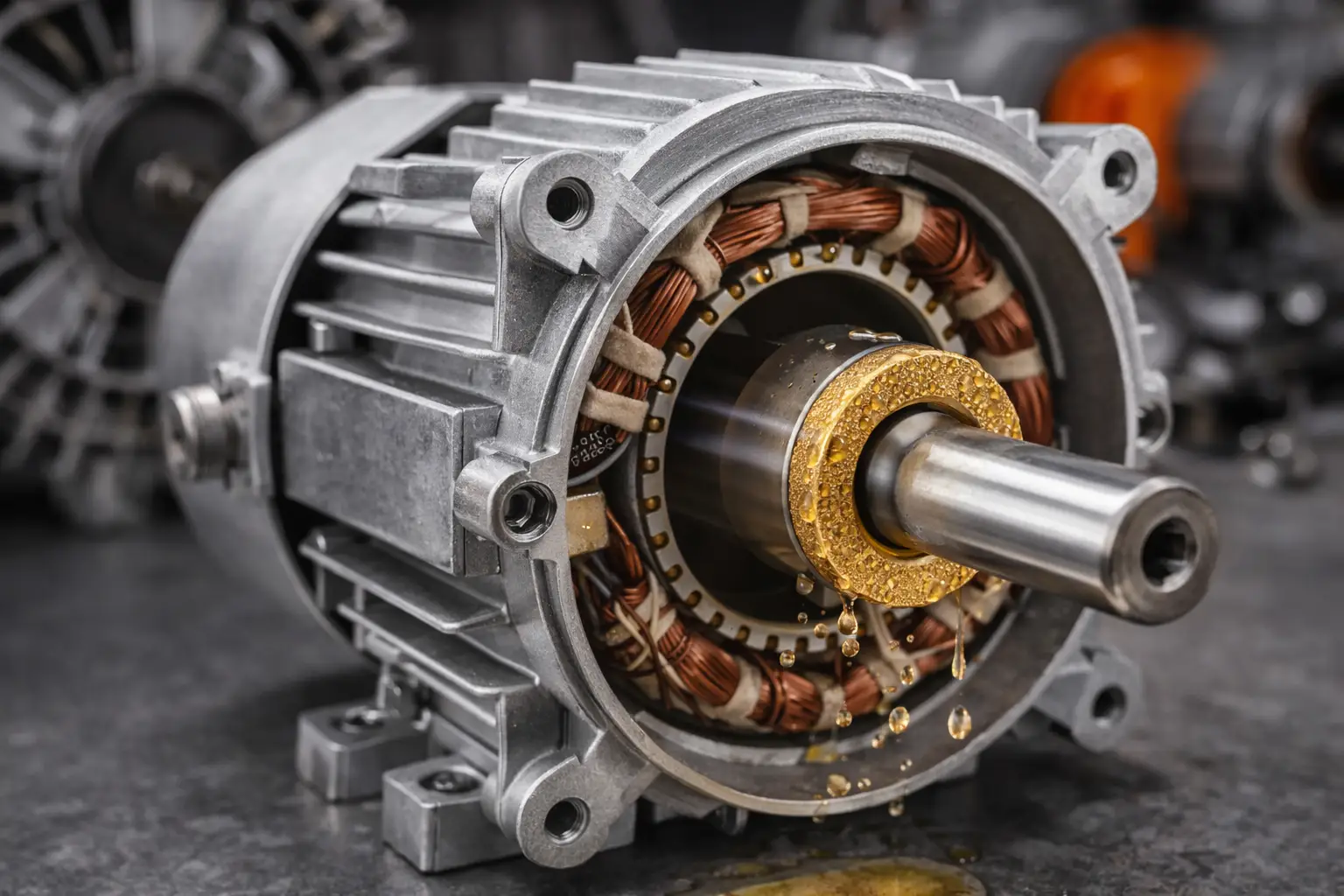
The applications are diverse because the core benefits—self-lubrication, low noise, and low cost—are valuable everywhere. Let's look at some specific examples.
Home and Office Equipment
Think about the devices you use every day. A kitchen blender, a desk fan, or a printer all have small electric motors. These products need to run quietly and reliably for years without the user ever having to perform maintenance. Sintered bronze bushings are perfect for this. They provide smooth, quiet rotation for the motor shaft or moving parts. I remember a client, a large appliance manufacturer, who switched to our sintered bushings for their new line of air purifiers. Their main goal was to make the product as quiet as possible. The switch was a success.
Automotive Components
Your car is filled with small electric motors and mechanical linkages. They control your power windows, windshield wipers, and adjustable seats. These are all places where oil-impregnated bushings are used. They are compact, lightweight, and can withstand the temperature changes inside a vehicle. They provide the smooth, consistent feel you expect, and they are designed to last the lifetime of the vehicle without needing service.
Industrial Machinery and Power Tools
In a factory setting, you will find these bushings in conveyor systems, small gearboxes, and automated equipment[^13]. I once worked with a client who made conveyor systems. They had issues with their old bearings failing because dust from the warehouse was mixing with the grease. We helped them switch to oil-impregnated bushings. Because the lubrication system is internal, it is not affected by dust. Their maintenance calls dropped dramatically. The same logic applies to handheld power tools like drills and sanders. They need to be compact and reliable, and a self-lubricating bushing helps achieve that.
Conclusion
Oil-impregnated bronze bushings offer a reliable, self-lubricating, and cost-effective solution for countless applications. They reduce maintenance and improve equipment life, making them a smart choice for mass production.
[^1]: Discover how oil-impregnated bronze bushings can enhance performance and reduce maintenance in various applications. [^2]: Learn about the mechanics behind self-lubricating bearings and their advantages in machinery. [^3]: Explore the process of powder metallurgy and its significance in manufacturing advanced materials. [^4]: Learn why reliable lubrication is essential for the longevity and performance of machinery. [^5]: Find out the diverse applications of sintered bronze bushings in various industries. [^6]: Discover why low friction is crucial for the efficiency and longevity of mechanical systems. [^7]: Learn about the significance of noise reduction in equipment and its impact on user experience. [^8]: Explore strategies to reduce production downtime and improve operational efficiency. [^9]: Find out how self-lubricating bushings enhance the performance of everyday home appliances. [^10]: Learn about different electric motor types and how they utilize self-lubricating bushings. [^11]: Discover the automotive applications of self-lubricating bushings and their benefits. [^12]: Get insights into the key components that ensure smooth operation in industrial machinery. [^13]: Explore how bushings contribute to the efficiency and reliability of automated systems.