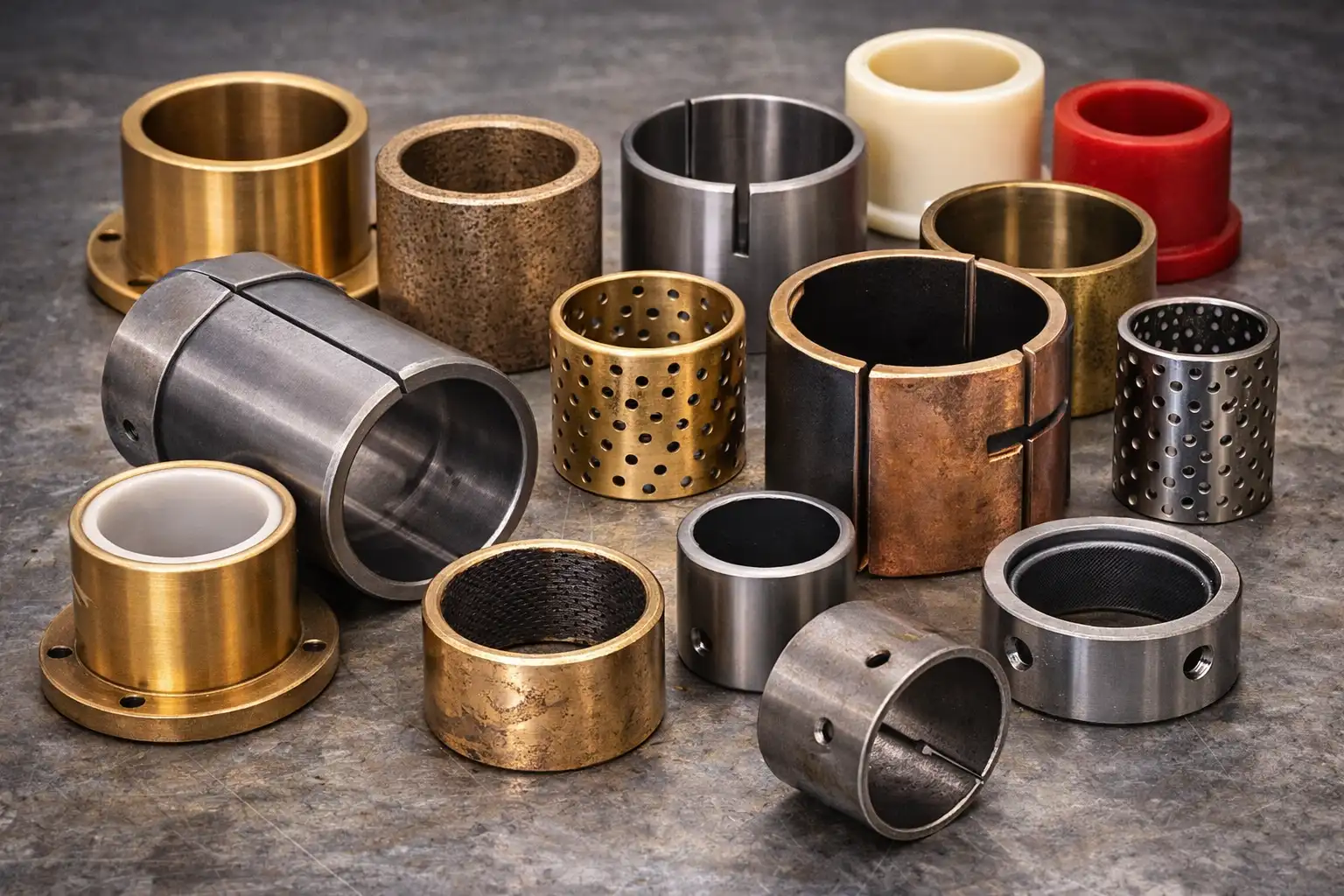
Confused by the terms plain bearing[^1] and bushing[^2]? This mix-up can lead to ordering the wrong parts, causing project delays and costing you money.
A plain bearing is a broad category of bearings that use sliding motion. A bushing is the most common type of plain bearing, typically a cylindrical sleeve. Think of it as "bearing type" versus a specific "part shape." Most of the time, they refer to the same component.
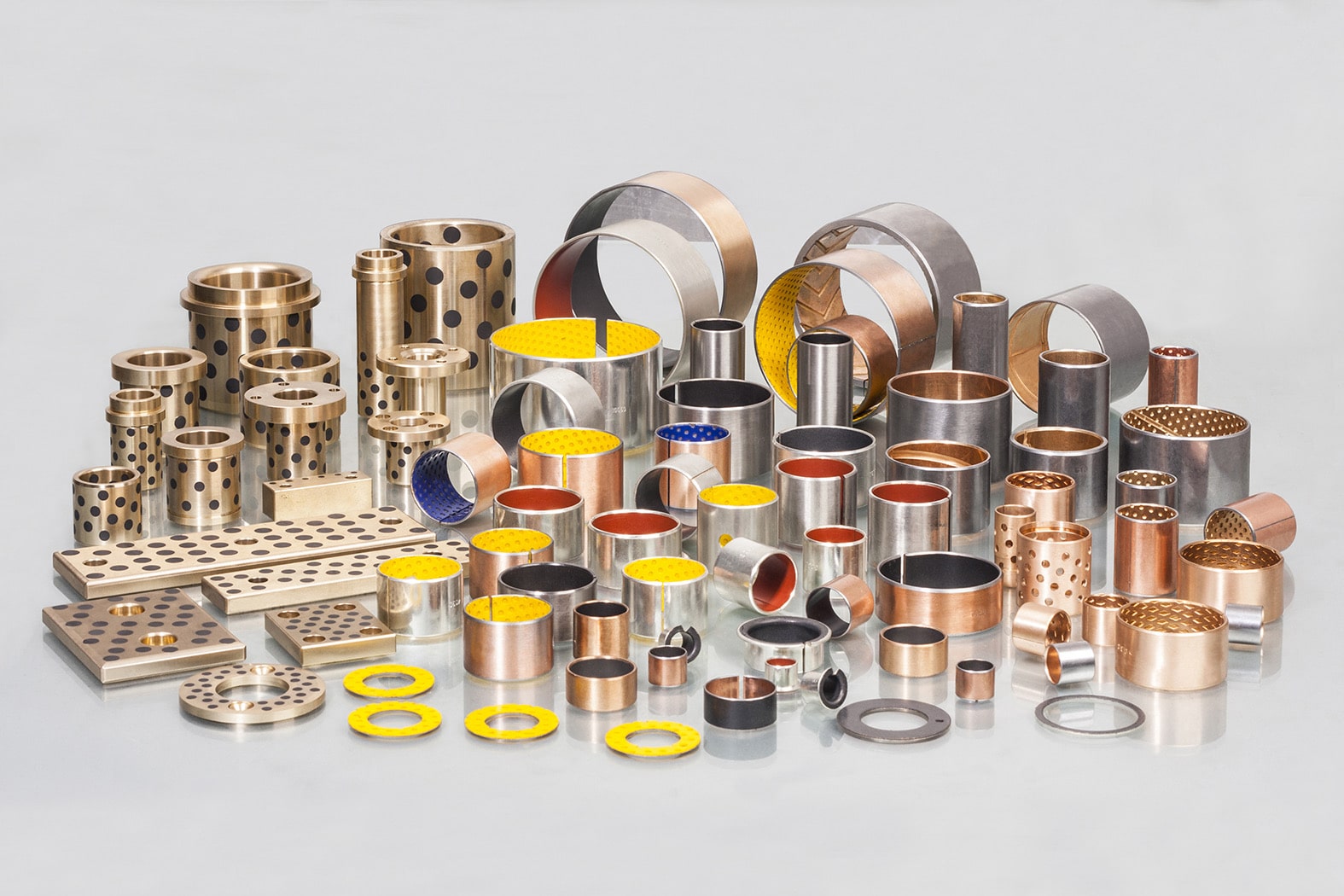
This seems simple, but the details matter a lot in manufacturing and global trade. As a manufacturer, I see this confusion daily. Let's break it down so you can source your parts with confidence and precision. Understanding the small differences can save you big headaches later.
Are plain bearings and bushings just different names for the same thing?
Do you use "bushing" and "plain bearing" for the same part? This common habit can cause confusion with suppliers, leading to incorrect quotes and mismatched components for your machinery.
Often, yes. In everyday industry talk, especially in procurement, they are used interchangeably. This is because over 80% of plain bearings are bushings (sleeve-type[^3]). So, for most practical purposes, people are talking about the same component. The technical difference is what matters for engineers.
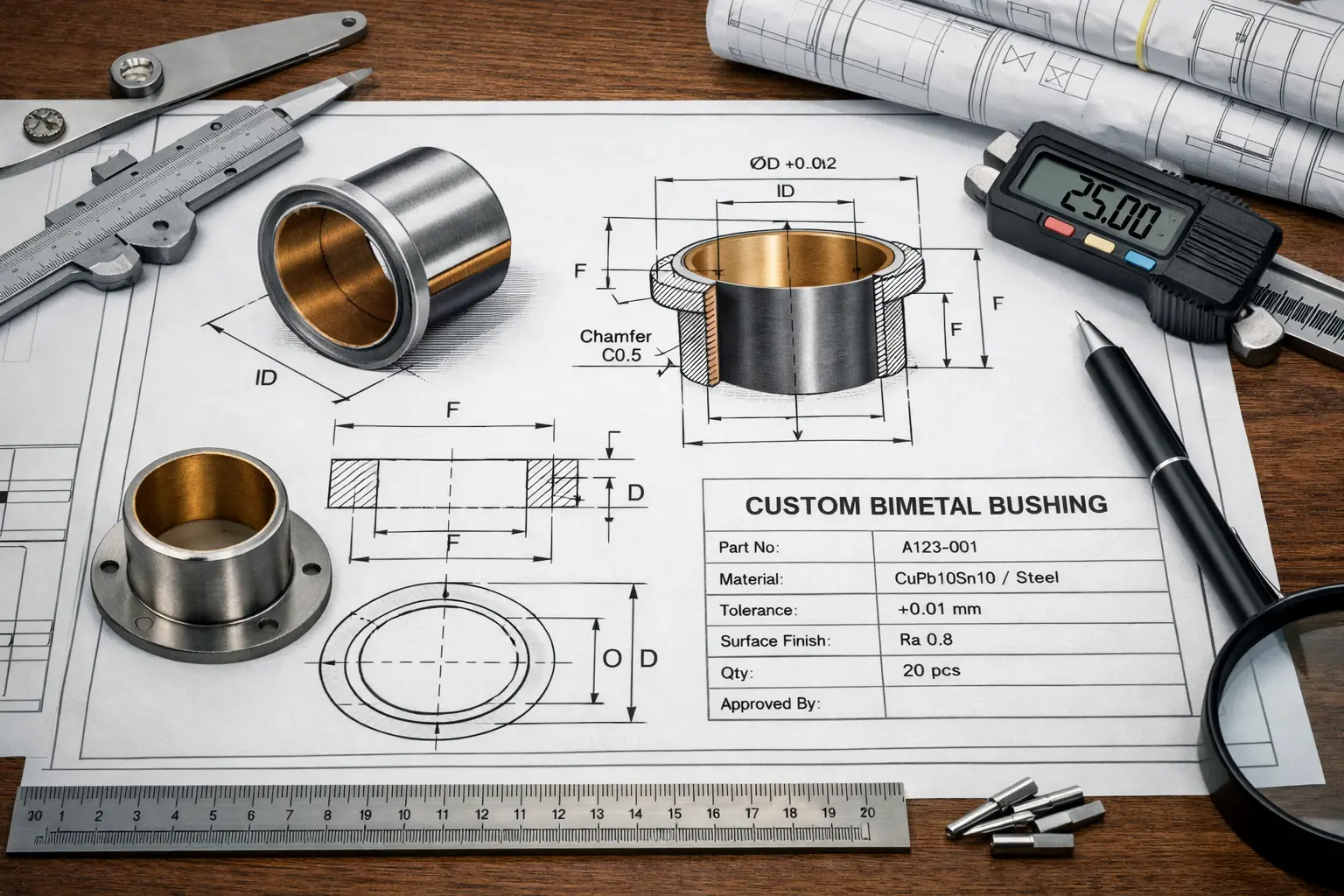
In our factory, we see this all the time. The core of the issue is the difference between a broad concept and a specific product. A "plain bearing" refers to the entire family of bearings that work by sliding. They don't have any rolling parts like balls or rollers[^4]. Their function is based on the smooth, low-friction surface of the material itself. A "bushing" is simply the most common physical form of a plain bearing. It's a sleeve, or a tube.
I remember a conversation with a new client from the US who kept saying 'bushing,' while his European colleague's drawings all said 'plain bearing.' They were pointing at the exact same part. While a bushing is always a plain bearing, not all plain bearings are bushings. This category also includes other shapes.
Other Forms of Plain Bearings
- Thrust Washers: These are flat, washer-shaped plain bearings. They are designed to handle axial loads, which is force applied along the length of a shaft.
- Slide Plates: These are large, flat or curved plain bearings. You find them in applications where large surfaces need to slide against each other, like in structural supports for bridges or heavy industrial equipment.
So, while you might be correct to call a bushing a plain bearing, calling a slide plate a bushing would be incorrect.
From a manufacturing view, what makes a bushing a specific type of plain bearing?
Ordering parts based on the wrong name can stop your production line. Understanding the manufacturing difference between a general "plain bearing" and a specific "bushing" ensures you get the exact part you need.
A bushing is defined by its form: it's a sleeve. As a manufacturer, we produce many types of plain bearings. Bushings are specifically the cylindrical ones we make through processes like rolling or machining. Other plain bearings, like flat slide plates[^5], are made differently.
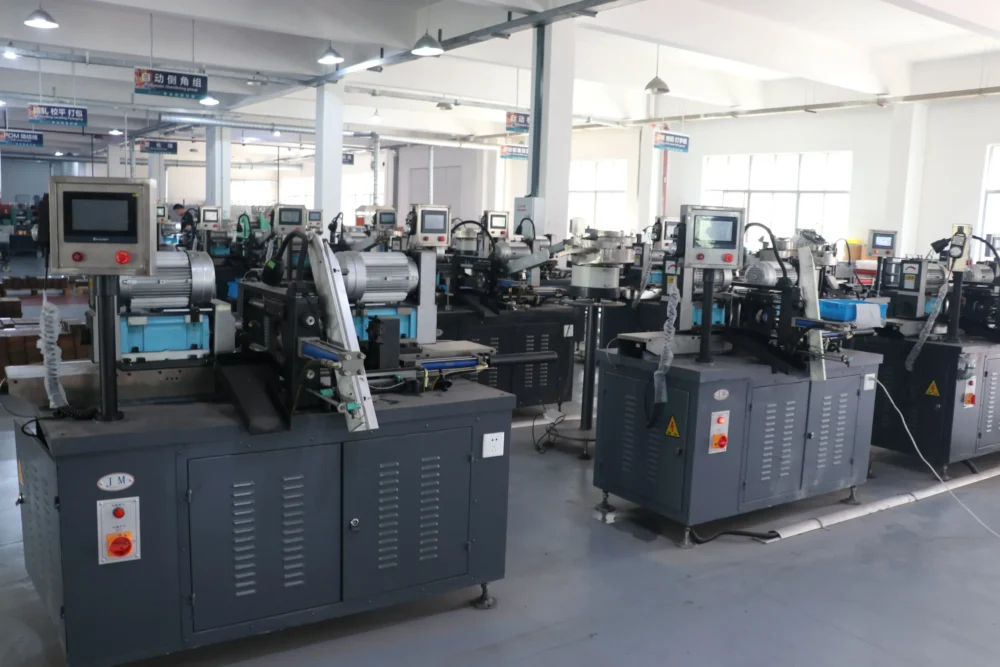
The shape of a part dictates how we make it. This is the most practical difference from a production standpoint. A bushing's job is to sit inside a housing and support a shaft that rotates or slides. This function requires a cylindrical shape. Other plain bearings handle different forces and movements, so they have different shapes. These different shapes require different manufacturing techniques. At FESODA, we have dedicated processes for each type, because form and function are directly linked.
The Role of Structure and Process
The structure of a plain bearing determines the best way to manufacture it for reliability and cost-effectiveness. A simple bushing is very different to produce than a large, complex slide plate.
Manufacturing Processes for Different Plain Bearing Types
Here is a simple breakdown of how we approach different plain bearing forms:
| Product Type | Common Processes | Key Structural Feature |
|---|---|---|
| Wrapped Bushing | Stamping, Rolling, Sintering | Has a split or seam for press-fitting into a housing. |
| Solid Bushing | CNC Machining, Casting | A single, solid piece for high loads and precision. |
| Thrust Washer | Stamping, Fine Blanking | A flat disc shape to manage loads along a shaft's axis. |
| Slide Plate | Machining, Sintering | A large, flat surface designed for linear sliding motion. |
As you can see, calling for a "plain bearing" is not enough information for a manufacturer. The specific form—bushing, washer, or plate—tells us which production line, which materials, and which quality checks[^7] are needed to make your part correctly.
How do regional habits affect what buyers call these parts?
Ever feel like you and your supplier are speaking different languages? Using the wrong term for a part based on your region can lead to misunderstandings and sourcing errors.
It's a simple geographical habit[^8]. In my experience, clients from the United States and North America almost always say "bushing." In contrast, engineering documents[^9] and clients from Europe are more likely to use the formal term "plain bearing" (or Gleitlager in German).

This difference isn't about being right or wrong. It's about industry culture. In the United States, the word "bearing" very strongly brings to mind a ball bearing or a roller bearing. To avoid confusion, the industry adopted "bushing" as the standard name for the simpler, sleeve-type[^3] sliding part. It’s a practical, everyday term.
In Europe, engineering traditions are often more formal. Technical specifications and drawings stick to the technically correct classification. "Plain bearing" is the official engineering term that covers all types of sliding bearings. So, an engineer in Germany will likely write "plain bearing" on a blueprint, even if the part is a simple sleeve that an American buyer would call a "bushing."
What This Means for Your RFQ
When you send a Request for Quote (RFQ) to a global supplier like us, this regional difference can matter. To avoid any confusion, clarity is key.
- Be Specific: If you know the common terms, use them. For example, you could write, "We need a quote for 10,000 sleeve bushings (plain bearings)." This shows the supplier you know what you're talking about.
- Always Use a Drawing: The best way to communicate is with a technical drawing[^10]. A drawing with dimensions[^11], materials, and tolerances is a universal language. A part number or drawing number removes all doubt.
As a manufacturer that works with clients worldwide, we are very familiar with these differences. We always double-check to make sure we are quoting for the exact same part the client has in mind.
Why should a buyer focus on specs instead of just the name?
Are you wasting time arguing about names? Focusing on "bushing" vs. "plain bearing" can distract you from what truly matters, risking poor performance and premature equipment failure.
The name is less important than the part's performance. A buyer's goal is to get a component that fits, lasts, and meets the budget. Focusing on dimensions, material, load capacity[^12], and operating conditions[^13] ensures you get the right part, regardless of what you call it.
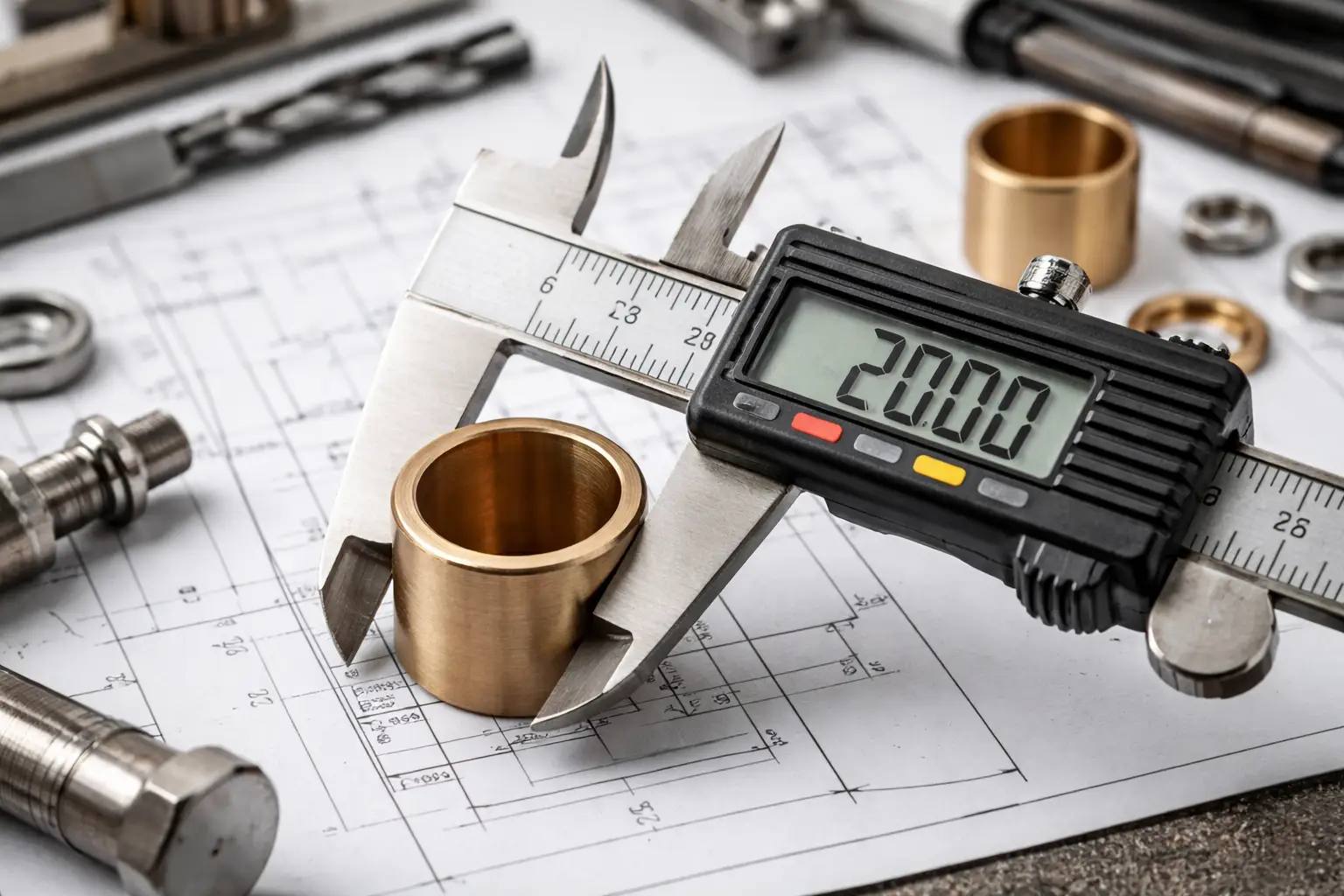
At the end of the day, our machines can't read a part's name. They only understand its physical and material properties. The real "name" of any component is its list of specifications. Asking us for a "bushing" doesn't tell us what you need. Asking us for a bushing with a specific size, made from a specific material, and designed for a specific load tells us everything. This is the information that allows us to manufacture a part that will work perfectly in your application.
Your Critical Specification Checklist
To ensure you get the right part every time, forget the name game. Instead, focus on providing a clear set of technical requirements. This is the language every manufacturer understands.
Here is the essential checklist for sourcing any plain bearing or bushing:
| Parameter | What to Specify | Why It's Critical |
|---|---|---|
| Dimensions | Inner Diameter (ID), Outer Diameter (OD), Length (L) | Guarantees the part will fit correctly during assembly. |
| Material | e.g., Bronze, PTFE composite[^14], Sintered metal | Determines friction, wear life, temperature resistance, and cost. |
| Load & Speed | Static/Dynamic Load (N or lbs), Speed (m/s or fpm) | Ensures the bearing can handle the application's physical stress. |
| Operating Conditions | Temperature, Lubrication (or lack of), Contamination | Affects material choice[^15] and the expected service life of the part. |
| Special Features | Flange, Oil Grooves, Locating Holes, Split/Seam | Required for specific assembly, lubrication, or positioning needs. |
When you send an RFQ with these details, you eliminate all ambiguity. It doesn't matter if you call it a bushing or a plain bearing. With these specs, you will get an accurate quote for the exact part you need.
Conclusion
A plain bearing is the category; a bushing is a specific part. In practice, the names are often swapped. Always focus on technical specifications, not just names, for accurate sourcing.
[^1]: Understanding plain bearings is crucial for selecting the right components in manufacturing. [^2]: Learn about bushings to ensure you order the correct parts for your projects. [^3]: Explore sleeve-type bearings to understand their role in various mechanical systems. [^4]: Understanding the distinctions between plain bearings and rolling element bearings can enhance your sourcing accuracy and efficiency. [^5]: Learn about slide plates to understand their applications in heavy machinery. [^6]: Explore the benefits of bronze in bushings for enhanced durability and performance. [^7]: Understand the importance of quality checks to ensure reliable bearing performance. [^8]: Explore how regional differences in terminology can impact global sourcing. [^9]: Learn about the significance of engineering documents in ensuring accurate specifications. [^10]: Understand the importance of technical drawings in communicating specifications. [^11]: Understand the importance of precise dimensions for proper fitting and function. [^12]: Explore load capacity to ensure your components can handle operational stresses. [^13]: Learn how operating conditions affect bearing performance and longevity. [^14]: Learn about PTFE composites to understand their role in reducing friction. [^15]: Discover the significance of material selection in bearing applications.