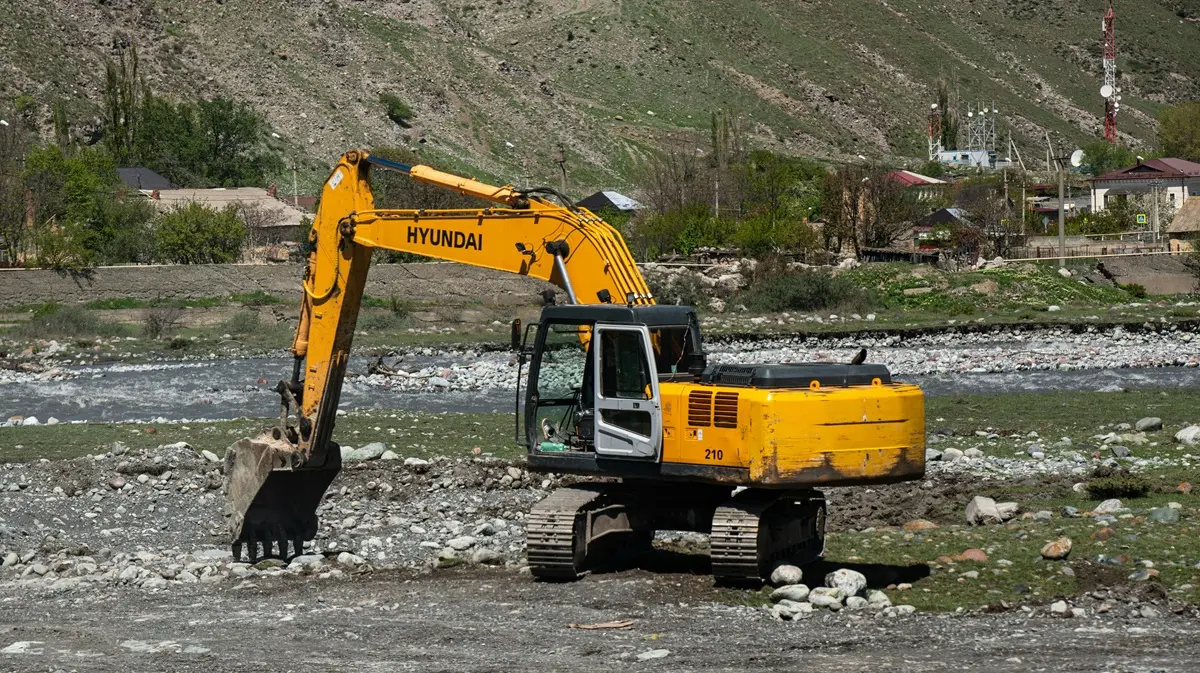
Your equipment breaks down from wear, and shafts get damaged. This leads to costly downtime and repairs. A simple part, the bushing, is the key to protecting your machinery.
A bushing's main purpose is to provide a low-friction surface[^1] for rotating or sliding parts. It protects expensive components like shafts from wear, reduces friction, absorbs shock, and ensures smooth, long-lasting operation, especially in heavy-duty or maintenance-free applications[^2].
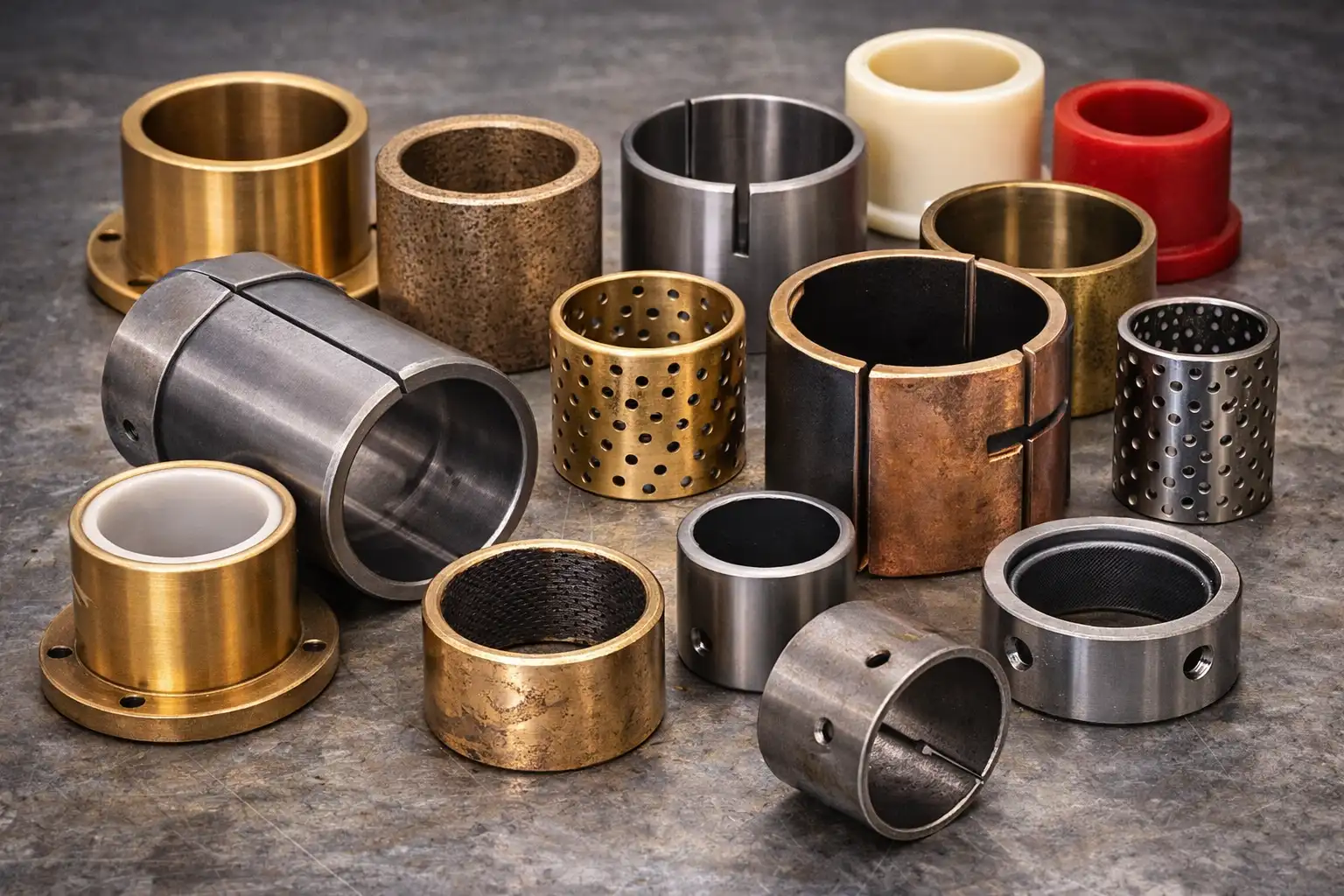
It seems simple, but the role of a bushing is much deeper than just being a sleeve. This small component is a workhorse in almost every piece of machinery you can imagine, from construction equipment to automated factory lines. Its real value comes from how it makes the entire system more reliable and less expensive to maintain over its lifetime. Let's break down exactly how this small part achieves so much and why it's critical for your equipment's reliability.
How do bushings reduce friction and wear?
Constant friction grinds down your machine parts. This wear leads to inefficiency and eventual failure. Bushings use special materials to create a self-lubricating surface that minimizes this friction.
Bushings reduce friction through their material composition[^3]. Many are made from self-lubricating composites[^4] or porous metals infused with oil. As the shaft rotates, a thin, low-friction film prevents direct metal-to-metal contact, significantly reducing both friction and component wear.
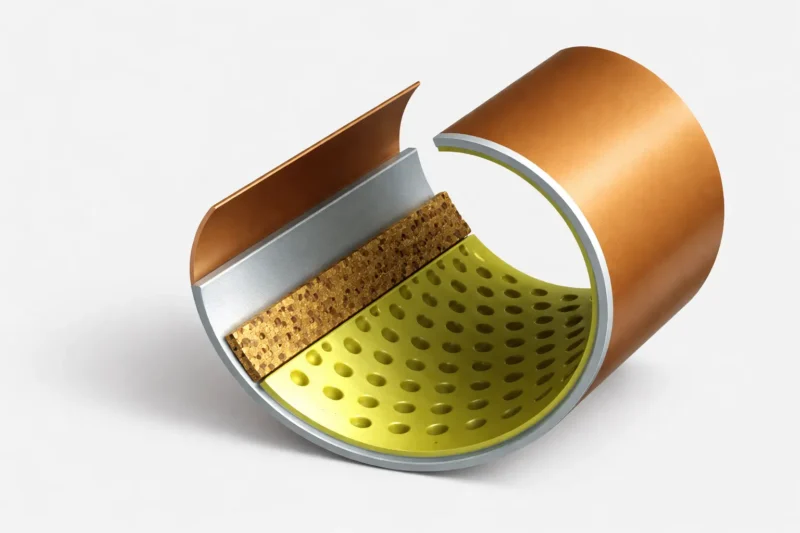
When I talk to engineers, a common goal is to design machines that run smoothly with minimal maintenance. This is where the material science behind bushings really shines. The primary job is to create a low-friction interface between a stationary part and a moving part, usually a rotating shaft. Instead of two raw metal surfaces grinding against each other, the bushing provides a sacrificial, smooth layer.
We manufacture several types to achieve this.
Key Bushing Materials for Low Friction
| Bushing Type | How It Works | Best For |
|---|---|---|
| Metal-Polymer Composite | A PTFE layer on the surface provides an extremely low-friction, "dry" running surface. No oil or grease is needed. | Maintenance-free applications, clean environments. |
| Wrapped Bronze | These are made from a bronze plate and can be machined with grease pockets and grooves to hold lubricant. | Medium to high loads where regular lubrication is possible. |
| Sintered Bronze | The material is like a metal sponge filled with oil. Rotation heats the bushing, releasing oil for lubrication. | High-speed, low-load applications like small electric motors. |
Each of these designs stops the shaft from directly touching its housing. The result is less energy loss[^5], less heat generation, and a much longer operational life for the entire assembly.
Why are bushings a cost-effective[^6] way to protect expensive parts?
Replacing a damaged main shaft is incredibly expensive. The downtime and labor costs add up, hurting your bottom line. Bushings act as a low-cost, replaceable wear surface[^7], protecting your most valuable components.
A bushing is a sacrificial component[^8] designed to wear out over time, protecting the more expensive shaft or housing. The cost of replacing a small bushing is a fraction of the cost of replacing an entire shaft, drastically reducing maintenance expenses and minimizing equipment downtime.
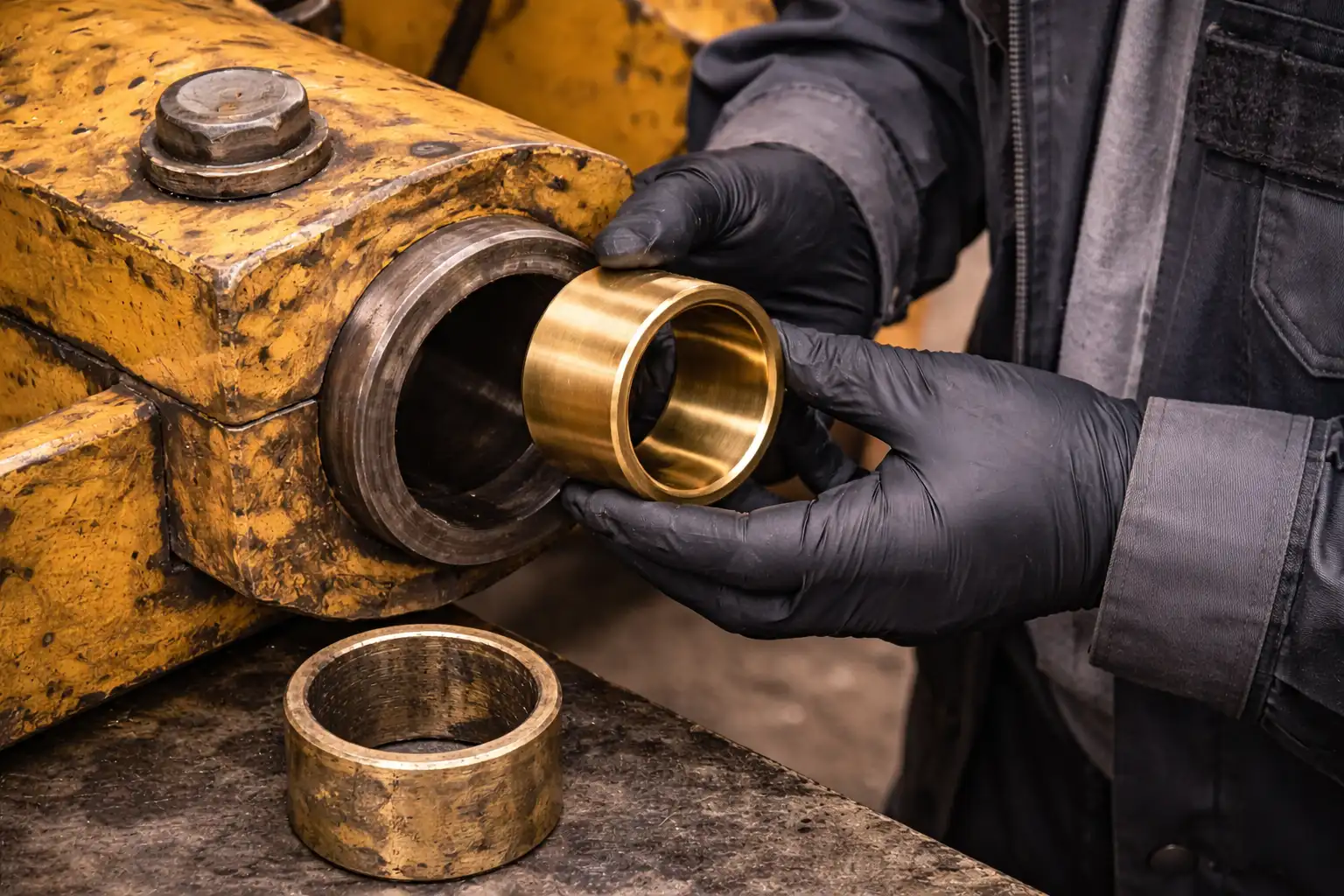
I remember a client who managed a large fleet of agricultural machines. They were experiencing frequent failures in the pivot joints of their equipment. The issue was that the steel pins were wearing directly against the steel arms, and every repair meant welding and re-machining the arm—a process that took the machine out of service for days.
We introduced them to the concept of using a hardened steel bushing as a sacrificial part. The idea is simple: you design a cheap, easy-to-replace part to take all the damage. The bushing is softer than the main shaft or pin, so it wears out first. When it does, you just press out the old bushing and insert a new one. The expensive shaft and housing remain untouched.
Let's look at the cost difference.
Cost Comparison: Repair With vs. Without Bushing
| Cost Factor | Scenario 1: With Bushing | Scenario 2: Without Bushing |
|---|---|---|
| Part Cost | $5 (New Bushing) | $500+ (New Shaft/Pin) |
| Labor | 30 minutes | 8+ hours |
| Downtime | 1 hour | 1-2 days |
| Total Impact | Minimal | Extremely High |
By investing a few dollars in a bushing, you are buying insurance for a component that costs hundreds or even thousands of dollars to replace. For any OEM or large-scale operator, this strategy is fundamental to building a reliable and profitable product. It's about designing for maintenance, not just for function.
How do bushings handle heavy loads and absorb shock?
Heavy machinery faces constant vibration and high impact loads. These forces can cause noise, damage, and premature failure. Bushings are engineered to distribute pressure evenly and absorb shock.
Bushings handle heavy loads by providing a large, conforming contact area that distributes pressure evenly, preventing stress concentration on the shaft. Their material properties also allow them to dampen vibrations and absorb impact shocks, which reduces noise and protects the entire assembly.
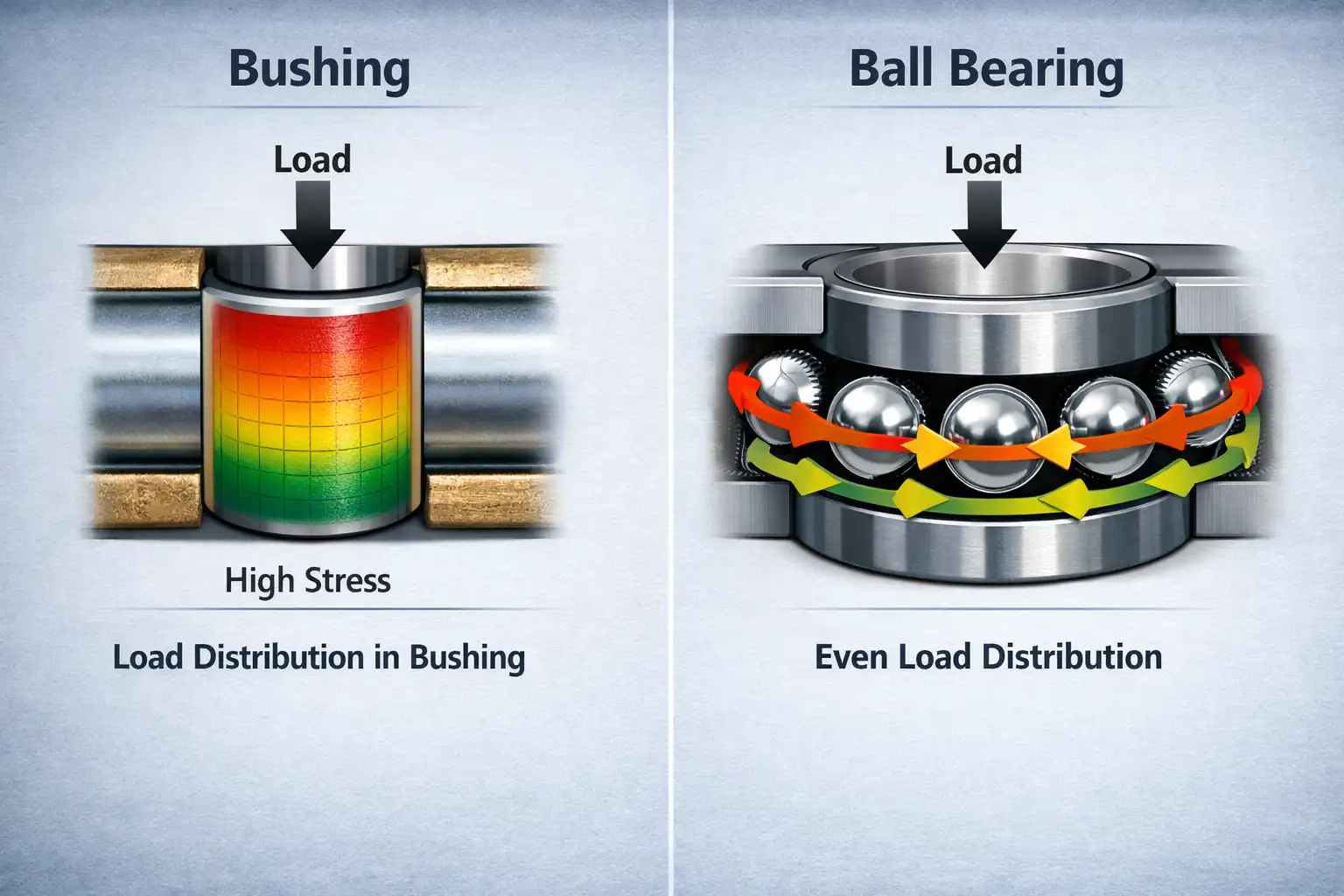
When you think of heavy equipment like a bulldozer or a farm tractor, you picture immense forces at play. The joints and pivot points[^9] on these machines have to withstand not just the machine's weight, but also the shock from hitting rocks or uneven ground. This is where bushings outperform many other types of bearings.
The key is their large surface area. A bushing makes contact with the shaft across its entire inner circumference. This distributes the load over a wide area, reducing the pressure at any single point. In contrast, a ball bearing concentrates the entire load onto a few small points. For high-impact, high-load situations, that concentration of force can lead to failure.
Furthermore, the materials themselves help absorb energy. A composite bushing with a polymer layer can flex slightly under impact, damping vibration and reducing noise. Even in a solid metal bushing, the film of lubricant between the bushing and the shaft acts as a hydraulic cushion. This is why you'll find bushings in the most demanding applications, like suspension systems, excavator arms, and hydraulic cylinder pivots. They provide the robust, stable support needed to keep heavy equipment running smoothly and quietly.
Why are bushings ideal for harsh and dirty environments?
Your equipment operates in dusty, muddy, or wet conditions. Traditional lubricated bearings attract contaminants and fail quickly. Self-lubricating bushings are sealed and don't require grease, making them resistant to contamination.
Bushings excel in harsh environments[^10] because many types are self-lubricating and require no external grease, which can attract dust and dirt. This design prevents contaminants from entering the bearing surface, ensuring reliable performance[^11] in applications exposed to mud, chemicals, and extreme temperatures.
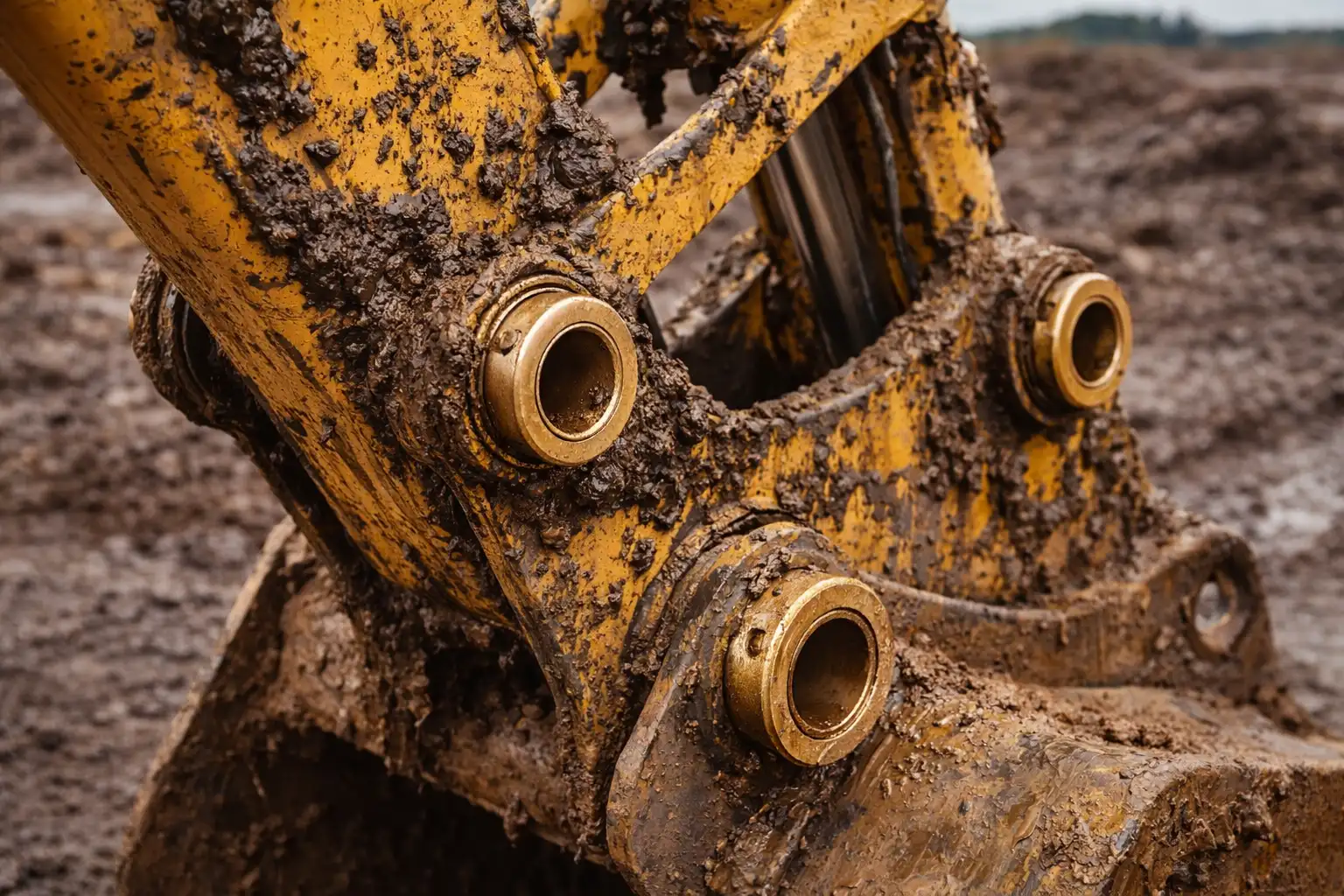
Think about the pivot point on an excavator's bucket. It's constantly exposed to dirt, sand, and water. Now, imagine trying to keep a traditional greased bearing clean in that environment. It's nearly impossible. The grease acts like a magnet for abrasive particles. Once dirt gets in, the grease turns into a grinding paste that rapidly destroys both the bearing and the shaft.
This is a problem I see all the time. The solution is to eliminate the grease entirely. Our self-lubricating metal-polymer bushings are perfect for these situations. They have a dry, solid lubricant (like PTFE) as their running surface. Since there's no sticky grease, dirt and dust have nothing to cling to. They simply fall away. This "run-dry" capability means the bearing is effectively sealed from the outside world without needing complex rubber seals, which can also fail.
This makes them incredibly reliable for agricultural machinery, mining equipment, and offshore applications. As a manufacturer, we can also customize the materials. We use stainless steel backings for corrosion resistance or special polymer compounds for chemical resistance. This ability to tailor the bushing to its environment is why they are a go-to choice for engineers designing durable, low-maintenance equipment.
Conclusion
In short, a bushing is more than a simple sleeve. It’s a critical engineering component that reduces friction, cuts costs, and ensures your equipment runs reliably for years.
[^1]: Explore how low-friction surfaces improve efficiency and longevity in mechanical systems. [^2]: Find out where maintenance-free bushings are used and their benefits in various industries. [^3]: Learn about the different materials used in bushings and their specific advantages. [^4]: Learn about self-lubricating composites and their advantages in reducing maintenance. [^5]: Discover how bushings minimize energy loss and improve overall machine efficiency. [^6]: Understand the cost-saving benefits of using bushings in machinery maintenance. [^7]: Explore the concept of wear surfaces and their role in extending equipment life. [^8]: Explore the concept of sacrificial components and their importance in protecting expensive parts. [^9]: Understand the critical role of pivot points and how bushings enhance their functionality. [^10]: Learn how bushings are designed to thrive in challenging conditions without failure. [^11]: Explore the factors that ensure bushings provide reliable performance in machinery.