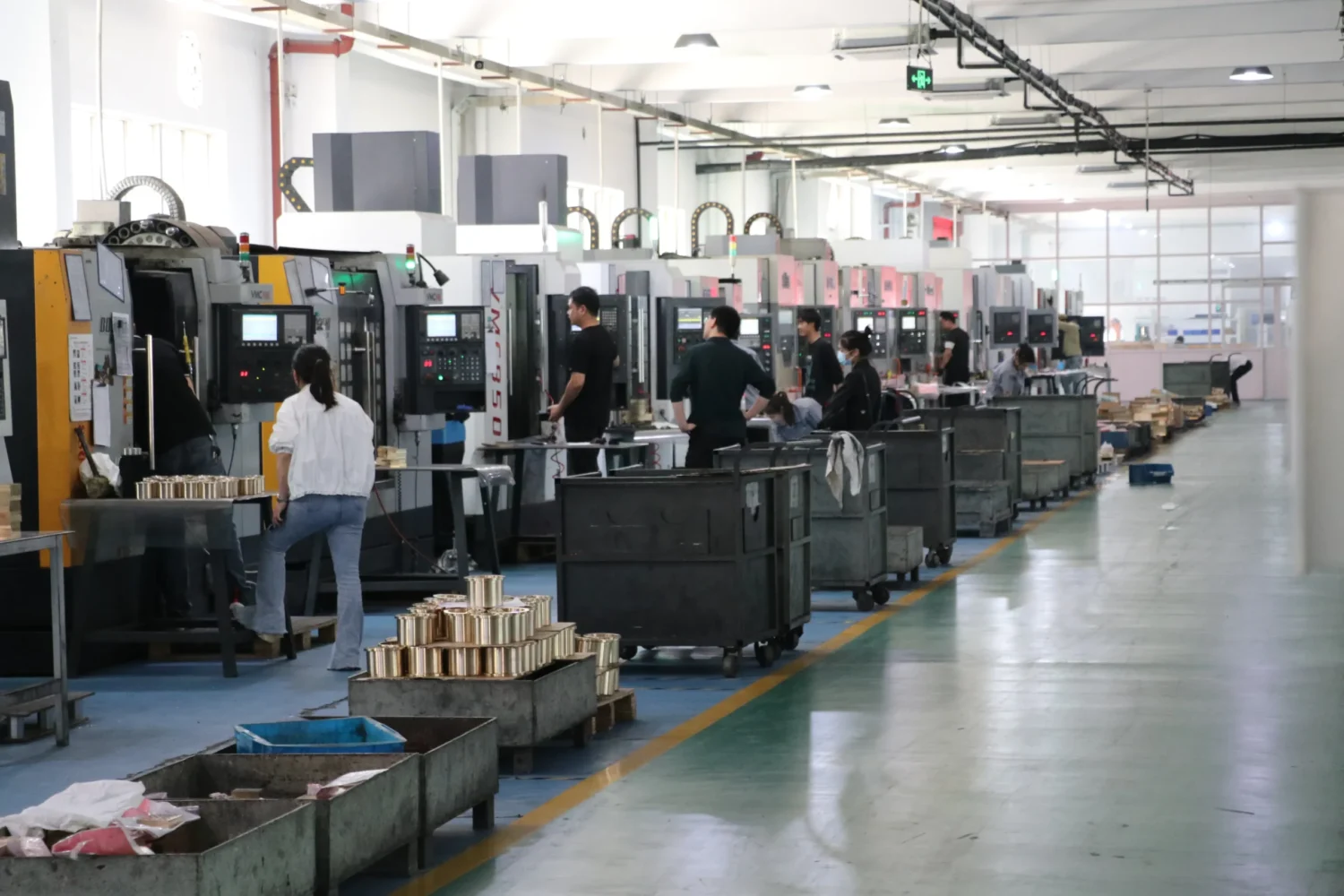
Need bearings that lubricate themselves? Choosing the wrong material leads to costly failures. The key isn't a single metal, but understanding the right composite material for your application.
No single metal is naturally self-lubricating[^1]. Self-lubrication in bearings is achieved through composite materials. Common types include oil-impregnated sintered bronze, graphite-plugged bronze, and metal-polymer composites (like PTFE-lined bearings). Each is engineered for different loads, speeds, and operating conditions, eliminating the need for external grease.
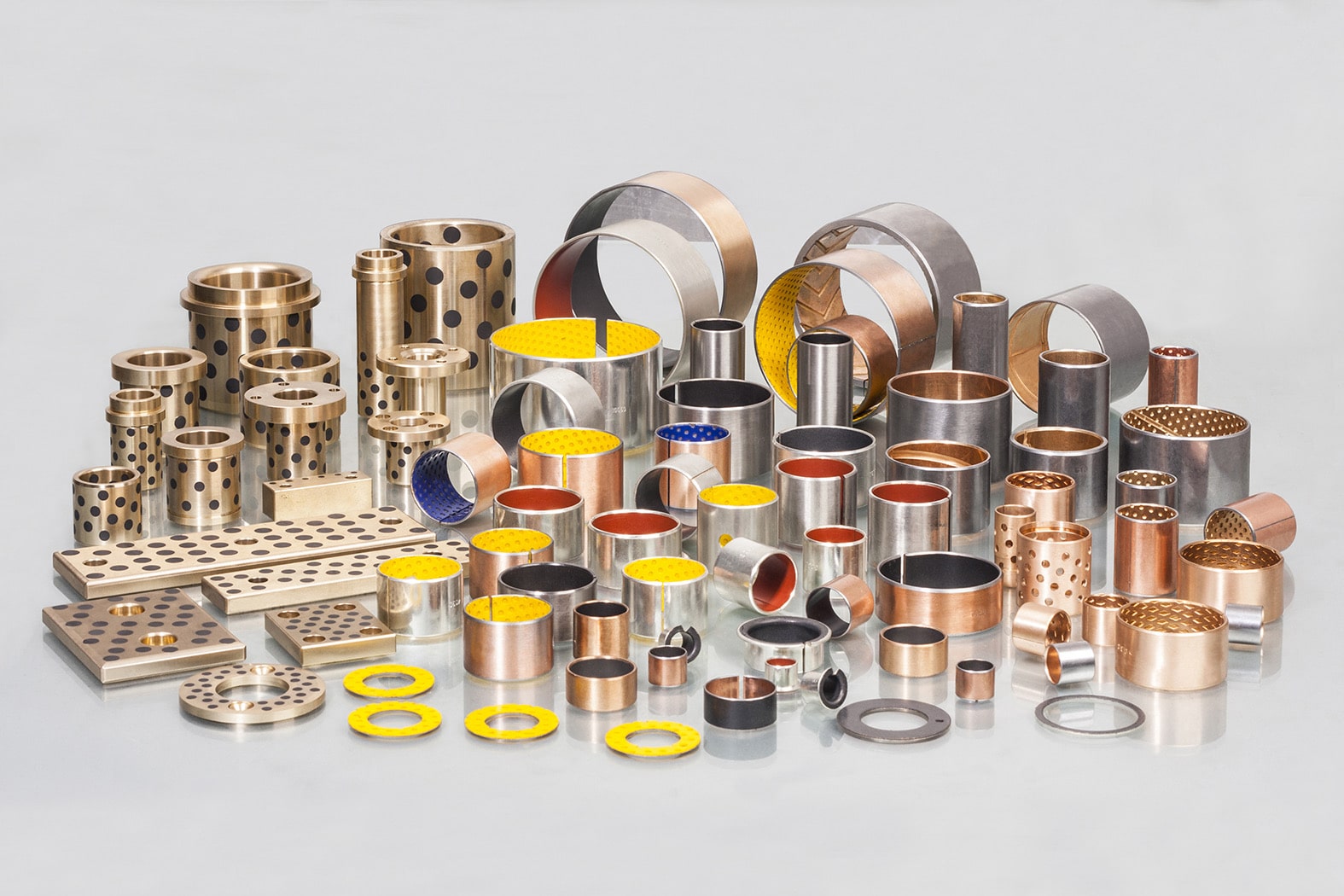
That's the short answer. But if you're an engineer or a purchasing manager, you know the details matter. The term "self-lubricating" covers several different technologies, each with its own strengths. As a factory focused on manufacturing these components, we help clients choose the right one every day. To make the right choice for your equipment, you need to understand how they work and where they fit best. Let's break down the most common types we produce for our OEM and project-based customers.
Are Sintered Bronze Bearings Truly Self-Lubricating?
Need smooth operation at medium to high speeds without a complex lubrication system? Standard bearings can't keep up, leading to wear. Sintered bronze bearings offer a clever, built-in solution.
Yes, oil-impregnated sintered bronze bearings[^2] are self-lubricating. Their porous metal structure acts like a sponge, holding lubricating oil. As the shaft rotates, it heats up and releases the oil, creating a consistent hydrodynamic film. When it stops, the material reabsorbs the oil.
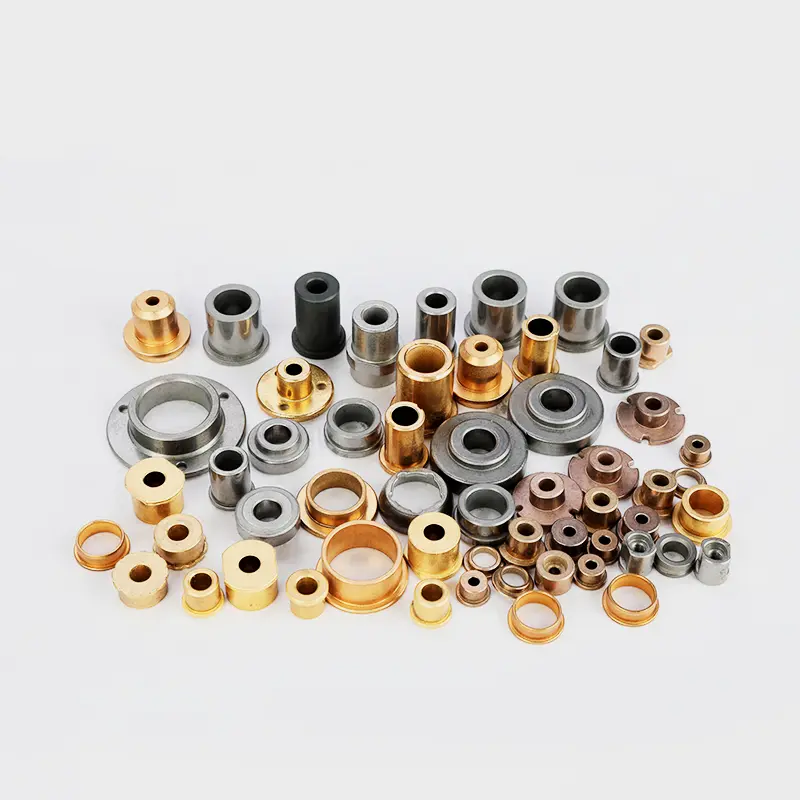
When we talk about sintered bronze bearings, we're discussing a very smart design. Imagine a metal sponge made from bronze powder. We take this powder, press it into a bearing shape, and then heat it in a process called sintering. This fuses the particles together but leaves a network of tiny, interconnected pores, making up about 25% of its volume. We then impregnate it with lubricating oil under a vacuum, forcing the oil deep into this porous structure.
During operation, the friction from the rotating shaft generates a small amount of heat. This heat causes the oil to expand and seep out onto the surface, creating a perfect, self-replenishing oil film. This allows for smooth, quiet rotation. When the machine stops and cools down, the bearing's capillary action draws the oil back in, ready for the next cycle. This is why they are ideal for applications like small electric motors, fans, and automation equipment where continuous external lubrication is impractical.
When to Use Sintered Bronze:
| Factor | Best Fit for Sintered Bronze |
|---|---|
| Speed | Medium to High |
| Load | Light to Medium |
| Environment | Clean, moderate temperature |
| Maintenance | Zero (initially) |
How Do Graphite Plugs Make Bronze Bearings Self-Lubricating?
Facing heavy loads and high temperatures where oil or grease would just burn off? Standard lubrication fails in these conditions, causing seizure. Solid lubricant bearings provide a robust answer.
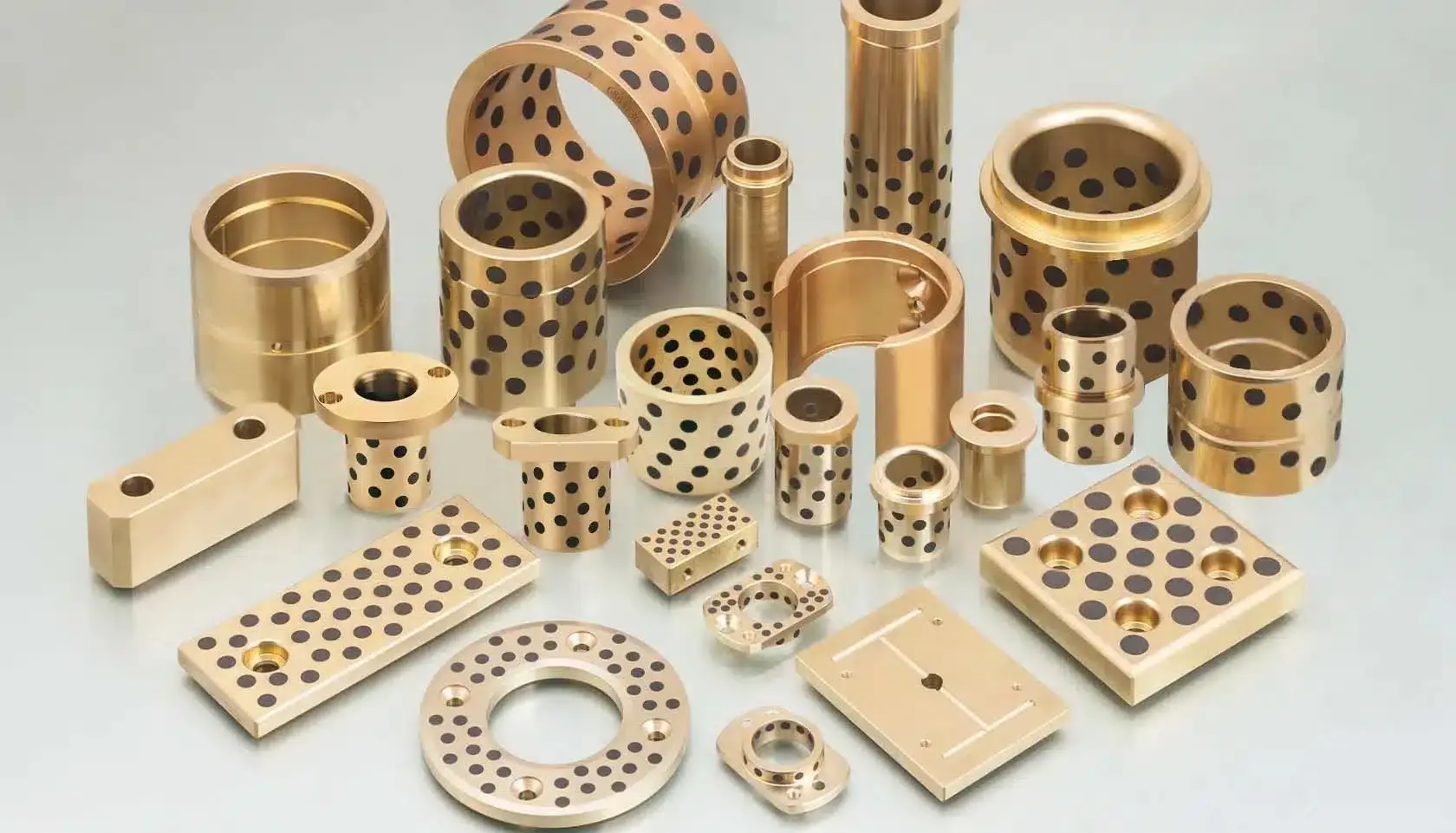
Graphite-plugged bearings embed solid graphite into a strong bronze base. During movement, a thin layer of graphite transfers to the shaft, creating a dry, low-friction film. This solid lubrication works where liquids can't, especially under heavy loads, low speeds, and high temperatures.
I remember a client in the steel industry who was constantly replacing bearings on a conveyor near a furnace. The intense heat was just too much for any grease they used. The bearings would fail in weeks. We switched them to our custom-made graphite-plugged bronze bushings, and the problem disappeared. The principle is simple but incredibly effective.
We start with a strong cast bronze or high-strength brass body, which provides excellent load-bearing capacity[^3]. Then, we machine a precise pattern of holes or grooves into the bearing surface. We press solid graphite plugs securely into these holes. The graphite is the key to self-lubrication. As the shaft moves against the bearing, it makes contact with these plugs and picks up a microscopic layer of graphite. This forms a durable, dry lubricating film on both the bearing and the shaft. It doesn't drip, burn off, or attract the dust and debris that are common in heavy industrial settings.
Graphite-Plugged Bearings are Ideal for:
| Application Condition | Why it Works |
|---|---|
| Heavy Loads & Low Speeds | The solid bronze base supports the weight; graphite prevents stick-slip. |
| High Temperatures | Graphite is stable at temperatures where oil would degrade or ignite. |
| Dirty/Dusty Environments | Dry lubrication doesn't attract and hold contaminants like wet lubricants do. |
Are Composite Bearings the Best Maintenance-Free Solution?
Do you need a bearing that is truly install-and-forget, with zero maintenance? Traditional bearings require lubrication schedules, creating extra work and potential points of failure. Metal-polymer composite bearings offer a complete, maintenance-free alternative.
For many applications, yes. Metal-polymer bearings combine a steel backing for strength, a porous bronze mid-layer to bond the layers, and a PTFE or POM surface layer. This polymer surface provides exceptionally low friction and is self-lubricating, requiring no oil or grease for its entire lifespan.
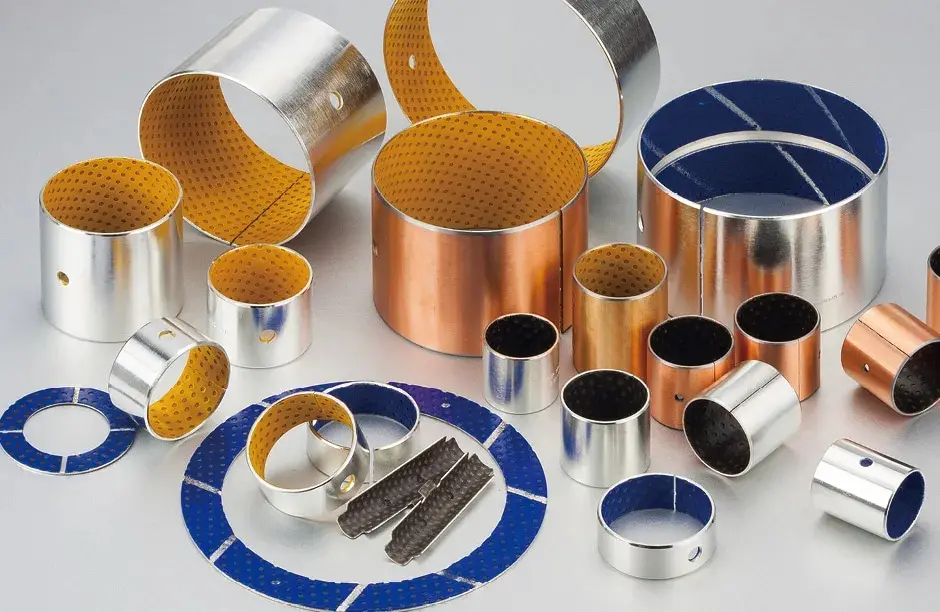
This type of bearing is the solution we supply most often for modern OEM equipment, from agricultural machinery to hydraulic pumps. It's a brilliant piece of material science where three distinct layers work together to deliver outstanding performance.
- Steel Backing: This outer layer gives the bearing its structural strength and rigidity. It allows the bearing to be press-fit securely into a housing and handle significant forces without deforming.
- Sintered Bronze Middle Layer: This porous layer is fused directly onto the steel backing. It serves two critical purposes: it acts as a strong mechanical lock for the polymer liner, and it helps conduct heat away from the bearing surface.
- PTFE or POM Polymer Liner: This is the inner, self-lubricating contact surface. Materials like PTFE are famous for being incredibly slippery. During the first few rotations, a tiny amount of this polymer transfers to the mating shaft, coating it and creating an ultra-low-friction system that lubricates itself.
This design means the bearing is lubricated from the moment it's installed until the end of its operational life. It's clean, compact, and extremely reliable, which is why it has become a standard for so many industries.
How Do I Choose the Right Self-Lubricating Bearing?
Knowing the options is one thing, but choosing the right one for your specific machine can be daunting. A wrong choice leads to poor performance, premature wear, and unexpected downtime.
To choose the right bearing, analyze four key factors: Load, Speed, Maintenance access, and Temperature. Heavy loads need a strong metal base like bronze or steel. High speeds favor oil-impregnated types. If maintenance is impossible, composite bearings are best. High temperatures call for graphite.
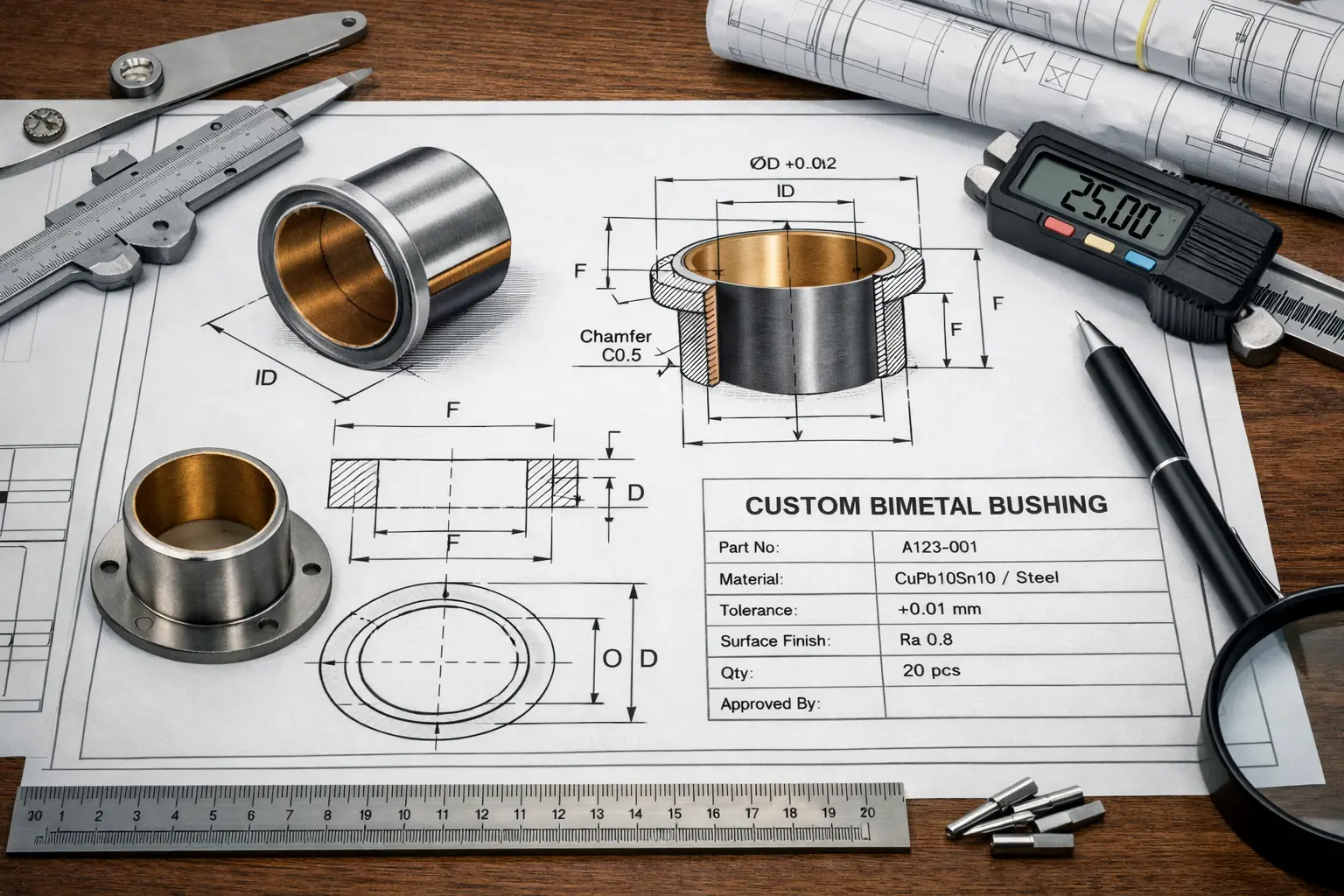
As a manufacturer, we guide customers through this selection process every day. It’s less about finding the single "best" bearing and more about finding the "right" bearing for a specific job. You just need to ask four simple questions about your application:
- How heavy is the load? High static or dynamic loads require a robust metal structure to prevent deformation.
- How fast does it move? The speed of rotation or oscillation determines whether a liquid film (from oil) or a solid film (from graphite/PTFE) is more effective.
- Can you perform maintenance? This is a simple yes/no that often points directly to a maintenance-free composite or solid lubricant solution.
- What's the operating temperature? Extreme heat or cold is a critical factor, as it can degrade oils or affect the properties of polymers.
Here is a simple guide we use to start the conversation with our clients:
| Bearing Type | Load | Speed | Temperature | Maintenance |
|---|---|---|---|---|
| Sintered Bronze (Oil) | Low-Med | Med-High | Moderate | None |
| Graphite-Plugged Bronze | High | Low | High | None |
| Metal-Polymer (PTFE) | Med-High | Low-Med | Wide Range | None |
| Bimetal (Boundary) | High | Low-Med | Moderate | Periodic |
By matching your operating conditions[^4] to this table, you can quickly narrow down the best solution. Our job as a factory is to then supply the exact specification you need, in the volumes you require, for the life of your project.
Conclusion
In summary, 'self-lubricating' isn't one metal but several engineered solutions. Understanding your load, speed, and environment is key to choosing the right bearing for reliable, maintenance-free performance.
---

[^1]: Explore the advantages of self-lubricating bearings for reduced maintenance and improved efficiency.
[^2]: Explore the unique benefits of sintered bronze bearings for various industrial applications.
[^3]: Understand the factors that influence load-bearing capacity and how to choose the right bearing.
[^4]: Explore how different operating conditions impact the choice of bearings for specific applications.