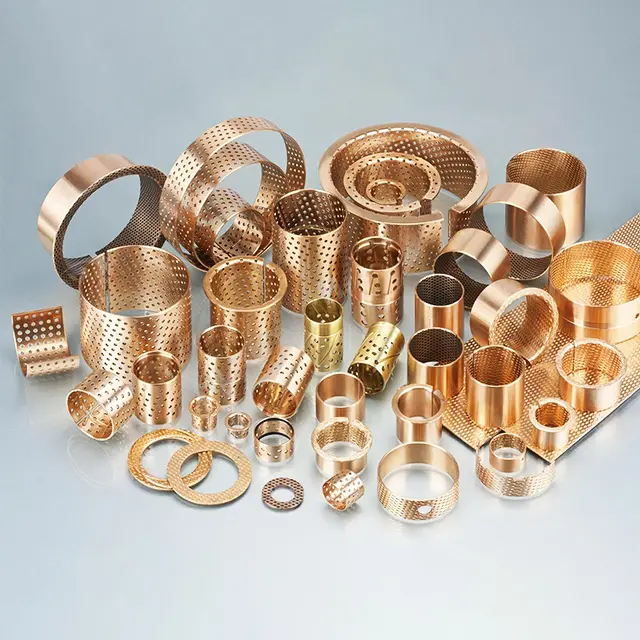
Choosing the wrong bushing material[^1] leads to rapid wear and frequent breakdowns. This downtime hurts productivity and your bottom line, especially in heavy-duty applications[^2] where failure isn't an option.
Bronze is the preferred material for bushings because of its excellent wear resistance, high load capacity, self-lubricating potential, and corrosion resistance[^3]. It is the ideal choice for heavy-duty and harsh industrial environments, ensuring reliability, long service life, and reduced maintenance for critical machinery.
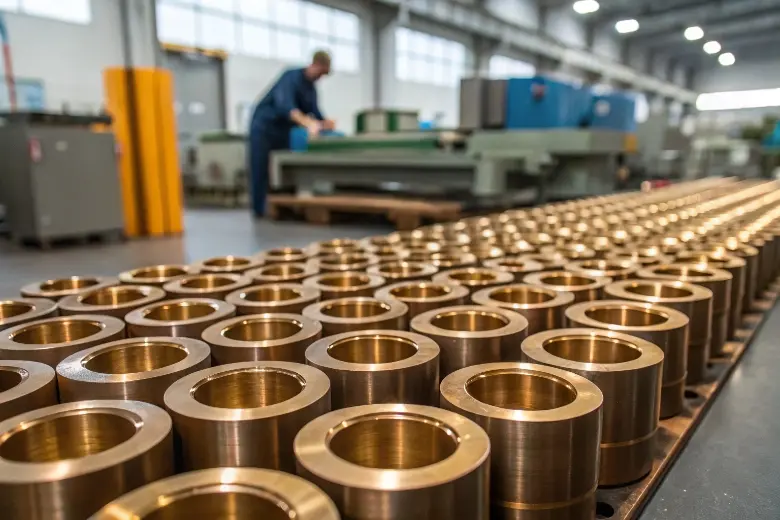
I've been in the bearing manufacturing business for a long time. I've seen firsthand how the right material choice can make or break a machine. A simple component like a bushing seems small, but its failure can bring a massive piece of equipment to a grinding halt. Many people ask me why bronze is so prevalent, especially when other materials exist. It's not about tradition; it's about performance under pressure. But what exactly makes bronze so special for these demanding jobs? Let's break down its key advantages one by one.
How Does Bronze Resist Wear So Effectively?
Are your machine parts wearing out far too quickly? This constant replacement cycle is costly and frustrating, bringing production to a standstill. Bronze alloys are specifically engineered to fight friction and extend life.
Bronze resists wear so well because its alloy structure, like tin or aluminum bronze, combines high hardness with good toughness. This unique combination prevents material loss during sliding friction, making it perfect for high-wear applications and significantly reducing maintenance needs and costs.
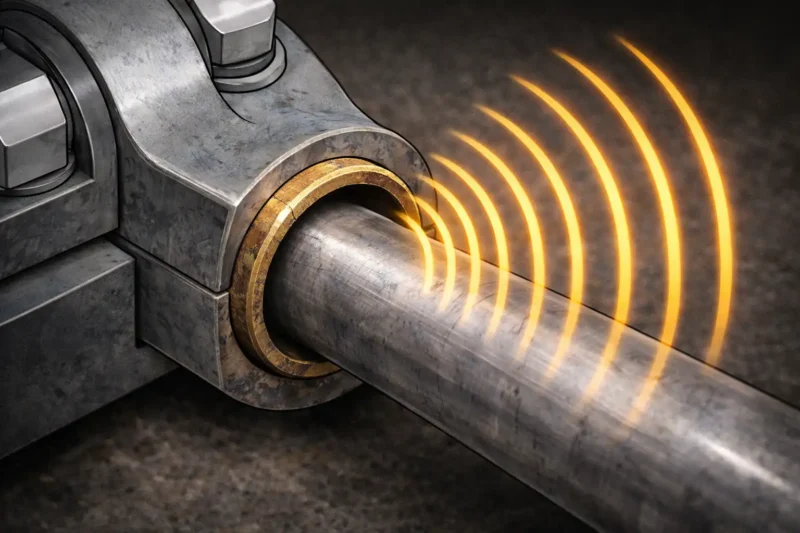
When we talk about wear resistance, we're talking about a material's ability to survive constant rubbing and friction. Bronze excels here due to its unique metallurgical properties. As a manufacturer, we work with different bronze alloys[^4], and each has its strengths. For example, tin bronze has a structure that is hard enough to resist abrasion from a steel shaft but not so hard that it damages the shaft itself. It finds a perfect balance.
This is different from a material that is only hard. An extremely hard but brittle material might crack under pressure. Bronze has good toughness[^5], which means it can absorb energy and resist fracturing. This combination is the secret sauce.
Let's look at how it compares:
| Material | Wear Resistance | Toughness | Common Issue |
|---|---|---|---|
| Bronze | Excellent | Good | - |
| Hardened Steel | Excellent | Moderate | Can damage the mating shaft |
| Nylon (Plastic) | Good | Excellent | Deforms under heavy load/heat |
This is why you see bronze bushings in the joints of excavators and bulldozers. Those joints are under constant movement, high loads, and are exposed to dirt and grit. Only a material that is both hard and tough can survive that environment. For our clients, this means their equipment runs longer between service intervals, saving them a significant amount of money and time.
Why Can Bronze Bushings Handle Such Heavy Loads?
Do your bushings deform or completely fail when placed under heavy loads and sudden impacts? A single failure like that can cause catastrophic damage to expensive shafts and other parts of your machinery.
Bronze bushings handle heavy loads because copper alloys are inherently strong, much stronger than materials like brass. This high compressive strength allows them to support massive weight and resist deformation, making them essential for equipment like excavators, presses, and industrial machinery[^6] where reliability is non-negotiable.
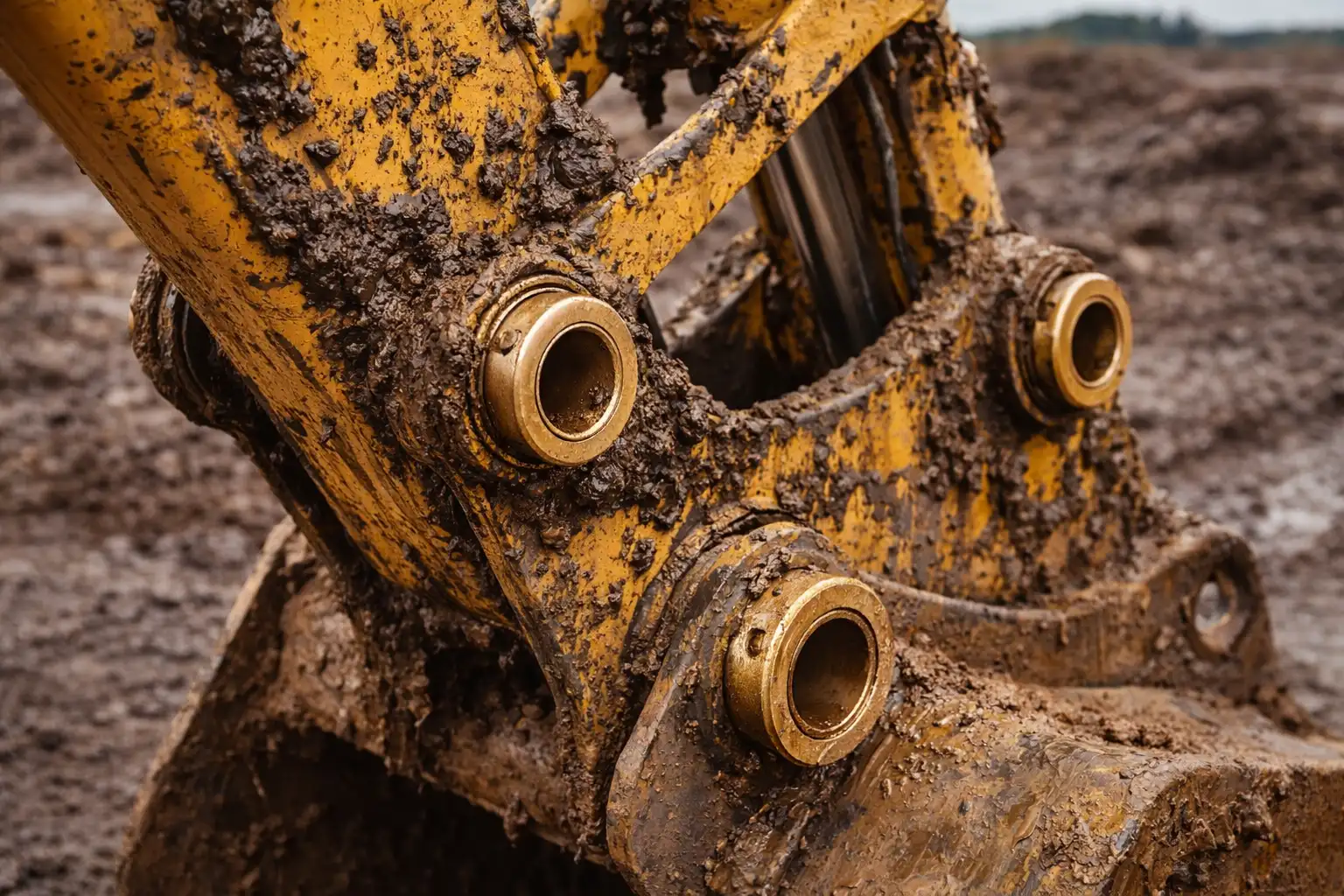
The ability to bear a heavy load, what we call "load capacity," is a non-negotiable trait for bushings in industrial applications. Bronze alloys possess a very high compressive strength. This means they can withstand immense pressure without being crushed or changing shape. Think about the main pivot point on a massive industrial press stamping metal parts. The force is incredible. A weaker material would simply be flattened.
We can break down the types of loads bronze handles:
Static Loads
This is the constant weight a bushing must support. For instance, a bronze bushing might be used to support a heavy, multi-ton roller in a steel mill. The bushing must hold this weight 24/7 without deforming.
Dynamic Loads
This refers to the shock and vibration from moving parts. Consider the suspension system of a large mining truck. Every bump and jolt sends massive shockwaves through the components. Bronze's inherent strength and toughness allow it to absorb these impacts without cracking or failing.
At our factory, we ensure this strength by starting with the right raw materials. We verify the composition of every batch of bronze to guarantee it meets the required strength specifications for our OEM clients. This quality control is crucial because a customer building hundreds of tractors needs every single bushing to perform identically under the same heavy-duty conditions.
Can Bronze Bushings Really Work Without Grease?
Are you tired of dealing with constant greasing schedules and the maintenance that comes with them? Neglected lubrication often leads to seizure and failure, especially in hard-to-reach parts of a machine.
Yes, certain types of bronze bushings are designed to work perfectly without any external grease. This is achieved by either embedding solid lubricants like graphite into the bronze or by using a porous, oil-impregnated sintered bronze structure. These designs provide continuous, reliable self-lubrication.
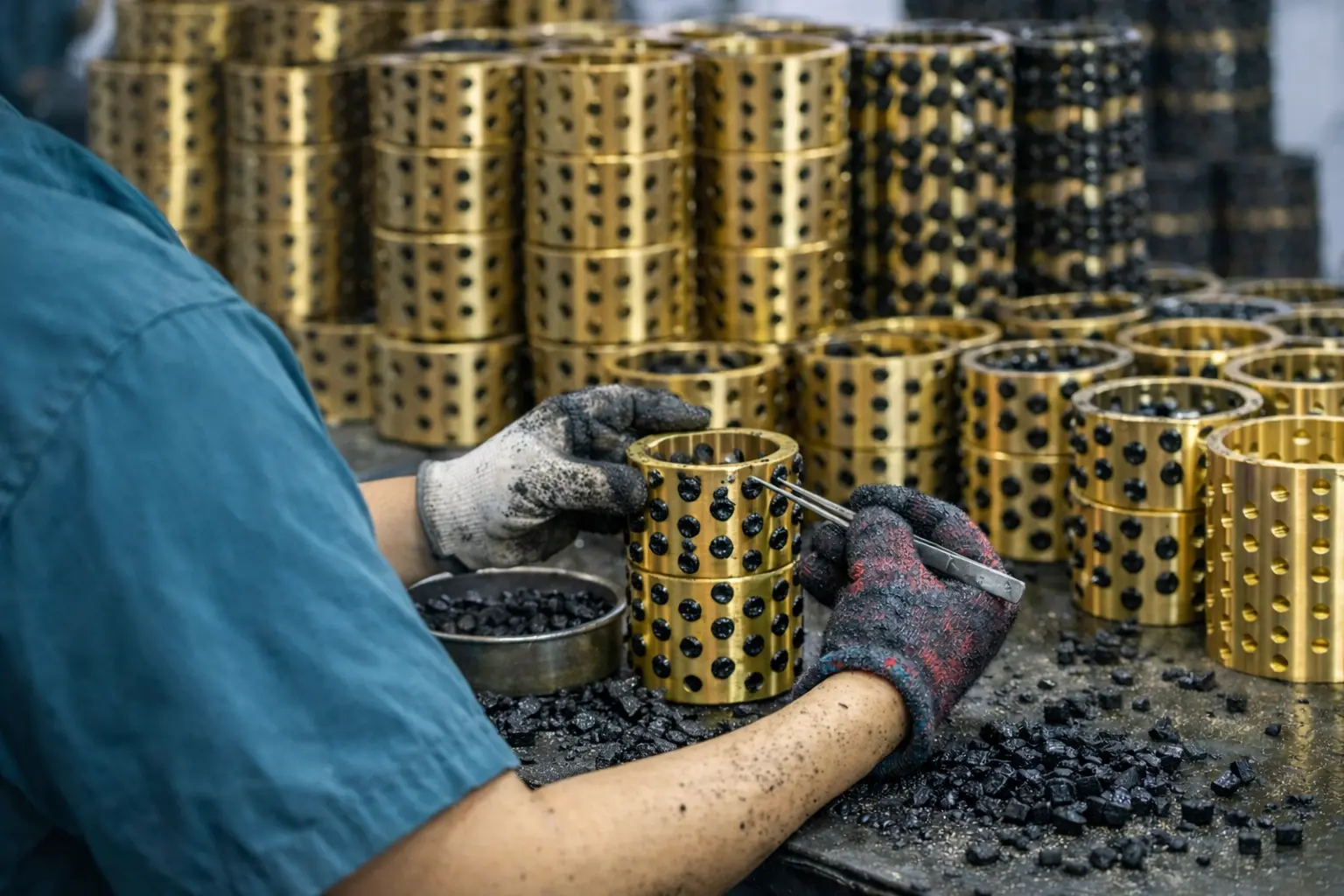
The concept of a "maintenance-free" bearing is a huge goal for many engineers, and self-lubricating bronze gets us very close to it. This isn't magic; it's clever engineering. There are two primary ways we achieve this at our facility.
First, we have graphite-plugged bronze bushings. We take a solid bronze bushing and machine a specific pattern of holes into its surface. Then, we press solid graphite plugs into these holes. When a shaft rotates inside the bushing, it makes contact with the graphite. A very thin layer of graphite transfers to the shaft, creating an incredibly slick, low-friction surface. This is perfect for applications with slow, oscillating movements under heavy loads, like in dam gates or large valve controls.
Second, there are oil-impregnated sintered bronze bushings. This is a completely different manufacturing process. We start with fine bronze powder, press it into the shape of a bushing, and then heat it in a furnace—a process called sintering. The process leaves behind a network of tiny, interconnected pores, making up about 25% of the bushing's volume. We then place these porous bushings in a vacuum and introduce a special lubricating oil. The vacuum pulls the oil deep into the material's structure. In operation, heat from friction draws the oil out to the surface, providing a constant film of lubrication. When the machine stops and cools, the bushing reabsorbs the oil.
What Makes Bronze a Good Choice for Wet or Corrosive Environments?
Is rust and corrosion consistently destroying your bearings and other metal components? Corroded parts can fail unexpectedly, leading to costly downtime, especially in marine, chemical, or high-humidity applications.
Bronze is an excellent choice for corrosive environments because it naturally forms a stable protective layer, called a patina, when exposed to air and moisture. This layer prevents further corrosion. Aluminum bronze alloys, in particular, show exceptional resistance to saltwater and many industrial chemicals.
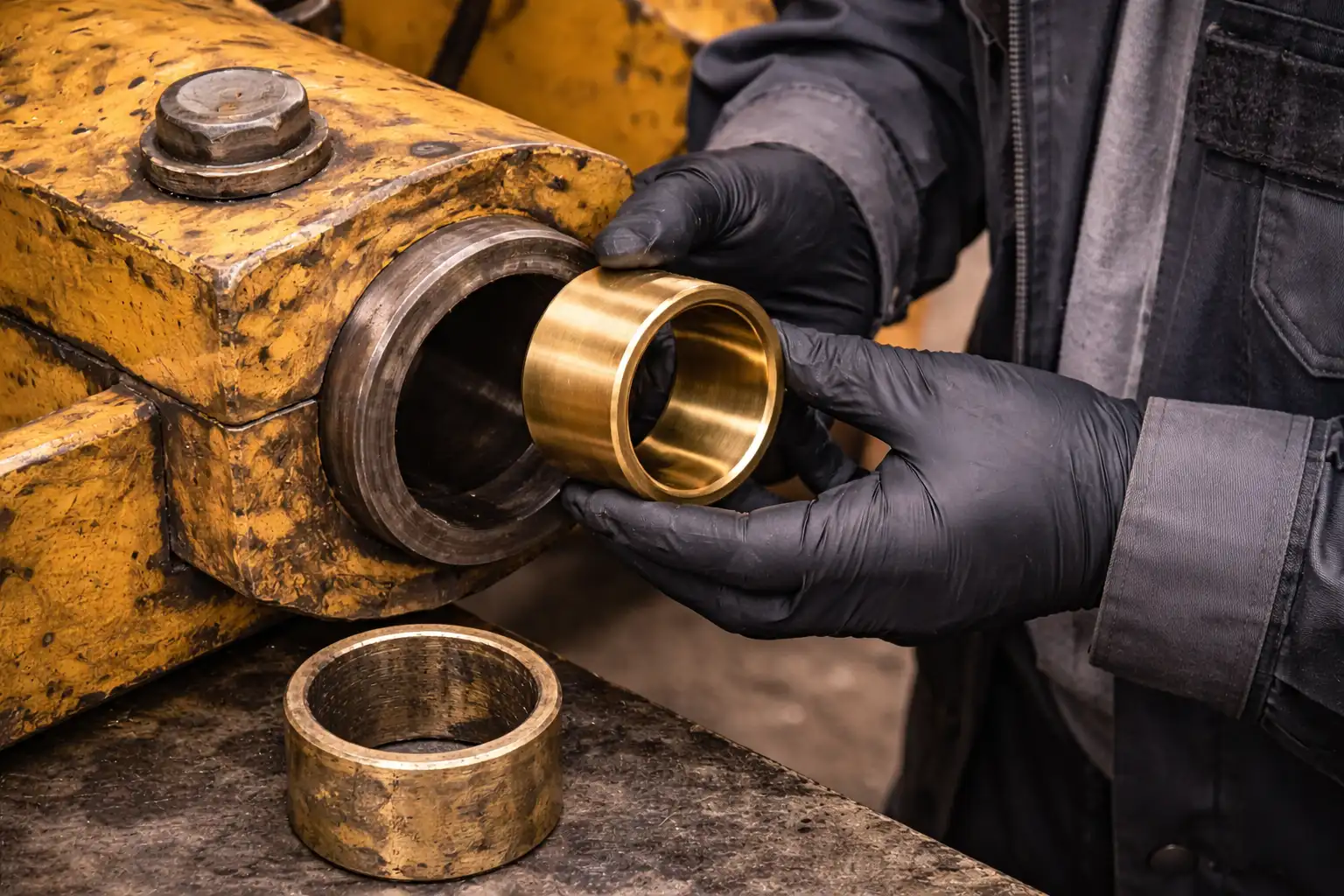
When you think of steel or iron in a wet environment, you immediately think of rust. Rust, or iron oxide, is flaky and porous. It flakes off, exposing fresh metal underneath to corrode further. This process continues until the part is destroyed. Bronze behaves very differently. When exposed to the elements, it forms a thin, durable surface layer known as a patina. You've seen this as the greenish layer on old bronze statues. Unlike rust, this patina is non-porous and adheres strongly to the metal. It effectively seals the underlying bronze from further corrosive attack.
This inherent self-protection makes bronze ideal for tough environments. We often recommend specific alloys for these jobs.
- Tin Bronze: Offers good general corrosion resistance in freshwater and atmospheric conditions.
- Aluminum Bronze: This is the champion for harsh conditions. The aluminum in the alloy creates an extremely tough and resilient protective oxide layer. It performs exceptionally well in saltwater, which is notoriously corrosive. This is why you'll find aluminum bronze bushings used extensively in ship propeller systems, rudders, and offshore oil and gas equipment.
For our clients working on projects near the sea, like the ones I know in the Middle East, this property is a major selling point. They can't afford to have equipment fail due to saltwater corrosion. Using bronze isn't just a choice; it's a necessity for long-term reliability.
How Does Bronze Help Manage Heat in Machinery?
Does friction-generated heat cause your bushings to overheat, expand, and seize up? Overheating can quickly damage both the bushing and the shaft, leading to expensive repairs and unscheduled downtime.
Bronze helps manage heat effectively because it is a good thermal conductor. It quickly draws frictional heat away from the critical contact surface between the shaft and the bushing. This prevents localized overheating, maintains lubricant integrity, and protects the entire system from thermal damage, especially during high-speed operation.
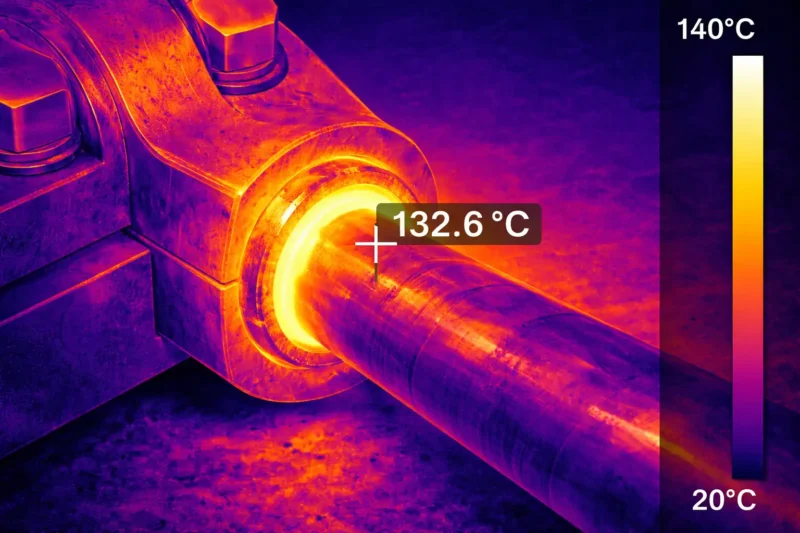
Heat is an unavoidable byproduct of friction. When a shaft spins inside a bushing, the rubbing generates heat right at the contact surface. What happens to that heat is critically important. If the bushing material is an insulator, like many plastics, the heat gets trapped. This can lead to a chain reaction of problems. The localized temperature spikes, the lubricant (if any) can break down and lose its effectiveness, and the bushing material itself can soften, deform, or even melt. This often leads to the bushing expanding and seizing onto the shaft.
Bronze, being a metal, is a natural thermal conductor. It works like a small heat sink. It pulls the heat from the high-pressure contact zone and distributes it across the entire bushing and into the surrounding housing. This dissipation keeps the running temperature stable and predictable. By preventing localized hot spots, bronze helps:
- Preserve Lubricant: It keeps the oil or grease within its effective temperature range.
- Maintain Clearances: It prevents thermal expansion that could cause the bushing to tighten and seize.
- Prevent Material Degradation: It protects both the bushing and the shaft from damage caused by excessive heat.
This is a subtle but vital advantage, especially in high-speed machinery or equipment that runs continuously. It's a key reason why bronze remains superior to many polymer bushings in applications where heat buildup is a concern.
Is It Easy to Manufacture Bronze Bushings with Precise Dimensions?
Are you struggling to find bushings that fit your exact design specifications? Using off-the-shelf parts with poor tolerances often leads to assembly problems, unwanted vibration, and poor overall performance.
Yes, it is very straightforward to manufacture bronze bushings with highly precise dimensions. Bronze alloys have excellent machinability, which allows for tight tolerances on diameters and length. This makes bronze ideal for both mass-produced standard parts and custom-designed components that require consistent, reliable dimensions.
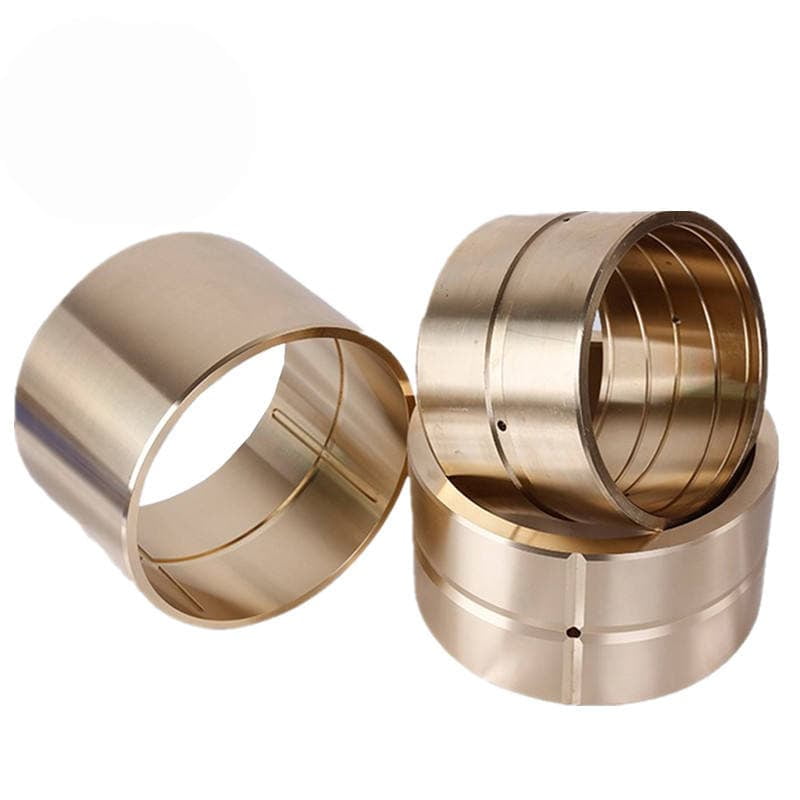
For our B2B and OEM customers, consistency is everything. When a company is building thousands of machines on an assembly line, they need every single component to fit perfectly, every single time. Bronze is an excellent material from a manufacturing perspective because it allows us to achieve that goal. "Machinability" refers to how easily a material can be cut, drilled, and shaped without causing excessive wear on the cutting tools. Bronze scores very highly here.
This allows us to use high-precision CNC (Computer Numerical Control) machines to produce bushings with tolerances measured in micrometers. We can easily add custom features that are critical for performance, such as oil grooves, lubrication holes, flanges, or specific locking features, all based on a client's engineering drawings.
Here’s how bronze performs in key manufacturing aspects:
| Manufacturing Feature | Bronze Suitability | Why It Matters for OEMs |
|---|---|---|
| Tight Tolerances (ID/OD) | Excellent | Ensures perfect fit and smooth operation |
| Custom Oil Grooves/Holes | Excellent | Allows for optimized lubrication delivery |
| Complex Shapes (Flanges, etc.) | Good (via machining/casting) | Enables custom, integrated part designs |
| Batch-to-Batch Consistency | Excellent | Guarantees reliability on the assembly line |
Because bronze is so workable, we can offer flexible solutions. We can produce massive quantities of a standard-sized wrapped bronze bushing, or we can machine a small batch of highly complex, solid bronze components for a prototype. This manufacturing flexibility, combined with the material's inherent dimensional stability, makes bronze a reliable and cost-effective choice for industrial-scale production.
Conclusion
In short, bronze is chosen for its superior combination of wear resistance, strength, and reliability in tough conditions, making it an essential material for high-performance industrial bushings.
[^1]: Explore the best materials for bushings to enhance machinery performance and reduce downtime. [^2]: Find out which materials excel in heavy-duty applications to enhance machinery performance. [^3]: Find out why corrosion resistance is crucial for machinery longevity in harsh environments. [^4]: Learn about various bronze alloys to select the best one for your specific industrial needs. [^5]: Understanding toughness can help you select materials that withstand stress and prevent failure. [^6]: Understanding key components can help you optimize machinery performance and reliability.