Your equipment is grinding to a halt. A dry bronze bushing is causing friction and damage, threatening expensive downtime. Proper oiling is the simple, effective solution you need.
To correctly oil a porous[^1] bronze bushing, first clean it thoroughly. Then, immerse the bushing completely in warm lubricating oil for several hours. This allows the oil to saturate its porous structure. Finally, wipe off excess oil before installation for optimal performance.
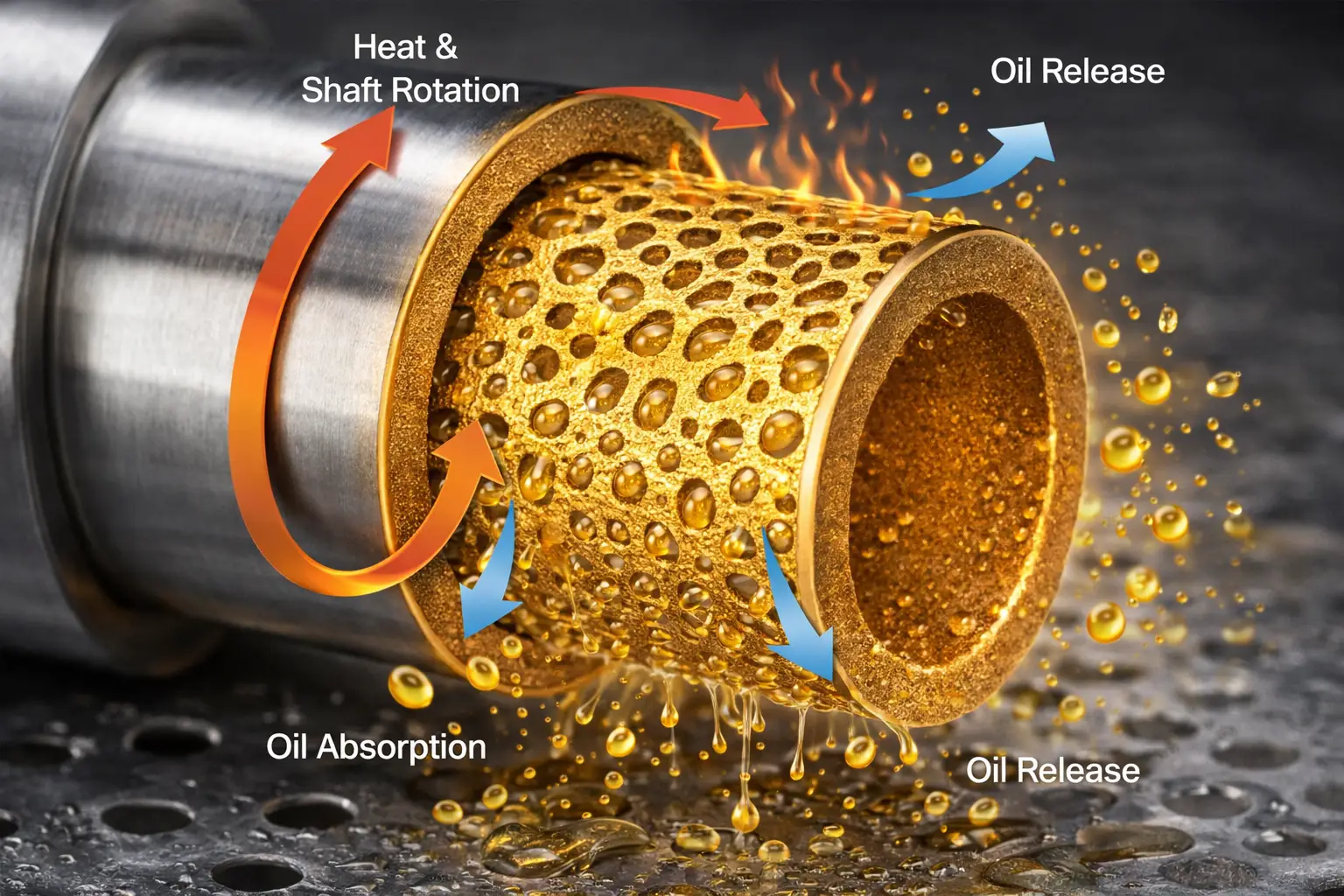
This process sounds simple, but getting it right is crucial for the longevity of your machinery. Just pouring oil on a bushing isn't enough. In fact, that can sometimes do more harm than good. We need to understand why each step matters. Let's break down the process, from preparation to long-term care, so you can do it perfectly every time.
What's the First Step Before Oiling Your Bronze Bushing?
You try to oil a bushing, but it doesn't seem to work. The oil just sits on the surface, and the part fails anyway. Start with a thorough cleaning to ensure success.
The absolute first step is to clean the porous bronze bushing. You must remove all old grease, dust, and metal shavings with a solvent[^2]. A clean bushing has open pores, which is essential for it to absorb the new oil effectively.
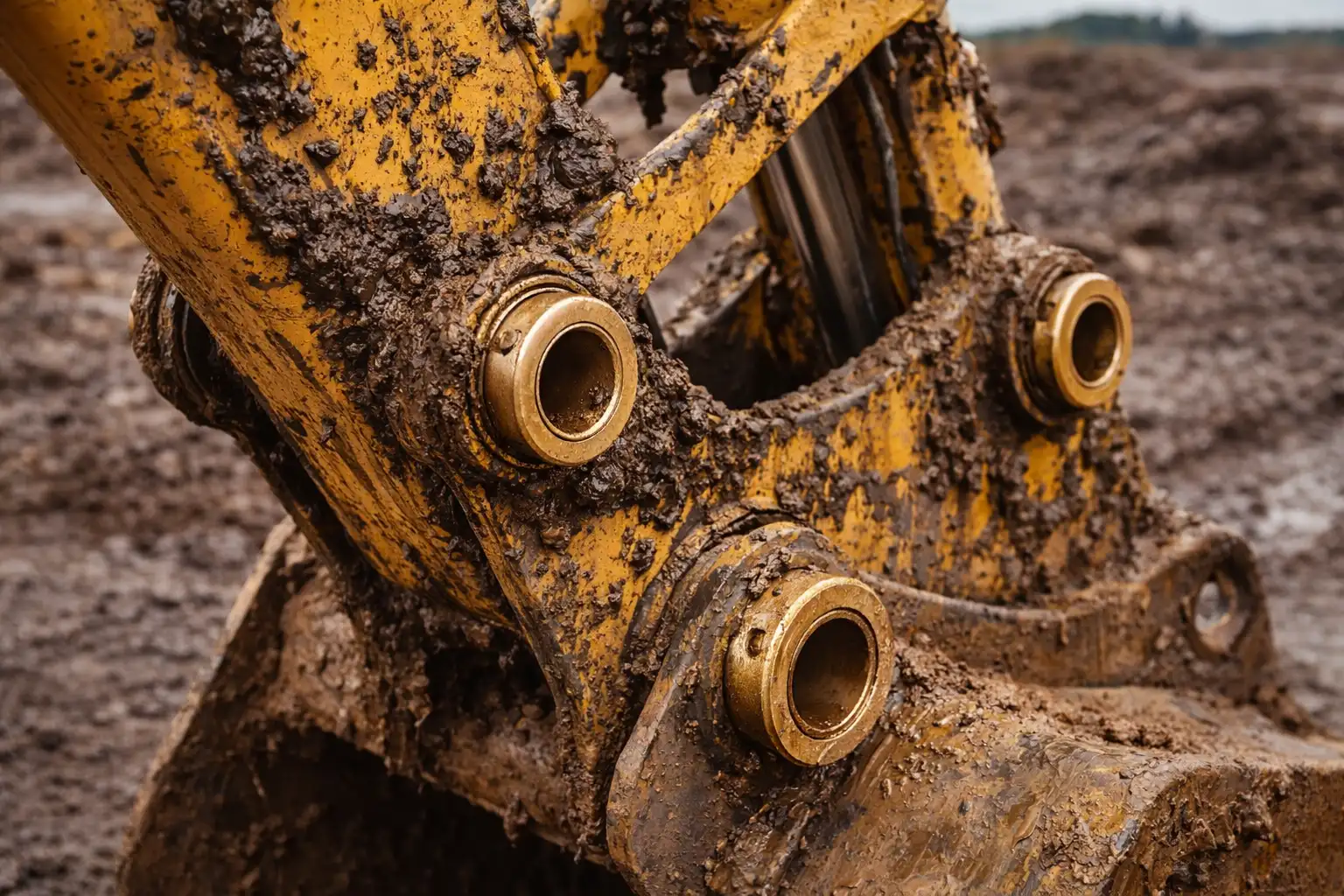
Cleaning isn't just a suggestion; it's a critical part of the process. I've seen many clients try to save time by skipping this step, only to face premature bearing failure later. The pores in a sintered bronze bushing are like a sponge. If that sponge is already clogged with old, hardened grease and abrasive grit, it simply can't soak up any new oil. You end up with a bushing that's only lubricated on the surface, while the inside remains dry and ready to fail.
Why is Cleaning So Important?
A dirty bushing leads to several problems. First, any dirt or metal particles left inside will mix with the new oil, creating an abrasive paste. This will rapidly wear down both the bushing and the shaft. Second, clogged pores prevent the oil from reaching the critical inner surfaces, defeating the purpose of lubrication.
A Simple Cleaning Guide
Here’s the method we recommend to our partners for consistent results:
| Step | Action | Purpose |
|---|---|---|
| 1. Initial Wipe | Use a clean, lint-free cloth to wipe away loose debris. | Removes surface-level contaminants. |
| 2. Solvent Bath | Submerge the bushing in a suitable solvent. | Dissolves old oil and grease. |
| 3. Gentle Brushing | Use a soft, non-metallic brush to clean the surfaces. | Dislodges stubborn particles without scratching. |
| 4. Final Rinse | Rinse with clean solvent to wash away all contaminants. | Ensures no residue is left behind. |
| 5. Drying | Allow the bushing to air dry completely. Using compressed air can speed this up. | Removes the solvent so only oil is absorbed. |
Choosing a solvent like a degreaser or mineral spirits works well. Just be sure it evaporates completely and leaves no residue.
What's the Best Way to Get Oil Inside a Sintered Bushing?
You've dripped oil on your bushing, but it's still running hot. The lubrication isn't getting where it needs to go. The secret is to fully immerse it in warm oil.
The best method is oil impregnation. This involves submerging the clean bushing in a bath of warm lubricating oil, ideally between 60-80°C (140-176°F). The heat thins the oil and expands the pores, allowing it to fully saturate the bushing's structure for long-lasting lubrication.
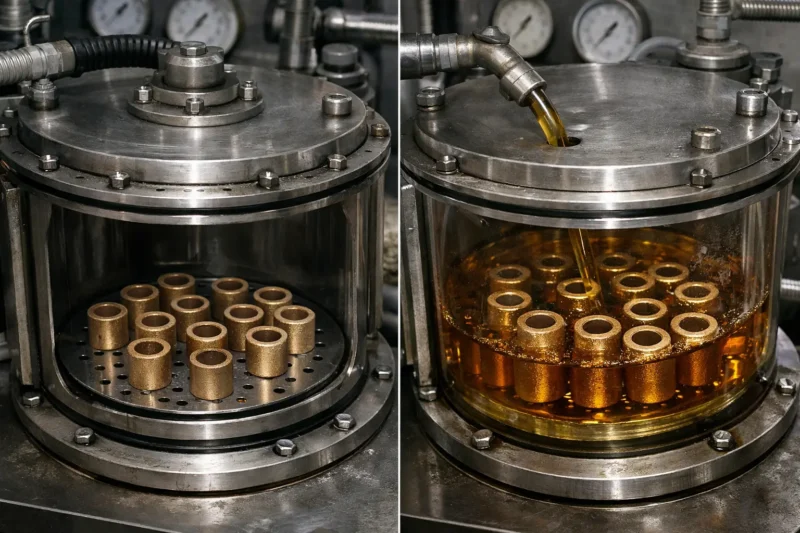
Simply applying oil to the surface of a porous bushing is like watering a plant by only spraying its leaves. The real action needs to happen at the roots. For a bushing, the "roots" are its internal, interconnected pores. The only way to properly lubricate it is through full immersion, a process we call impregnation. When you submerge the bushing, the oil can slowly seep into every tiny void. Warming the oil is a pro tip that makes a huge difference.
The Science of Impregnation
Heating the oil lowers its viscosity[^3], making it "thinner" and more capable of flowing into tiny spaces. At the same time, the gentle heat causes the metal of the bushing to expand slightly, opening up the pores even more. As the bushing and oil cool down together, the oil gets trapped deep inside the structure. This creates an internal oil reservoir that will be released during operation.
A Step-by-Step Guide to Oil Impregnation
- Choose the Right Oil: Always use the lubricant specified by the equipment manufacturer. Using the wrong type can lead to poor performance or damage. As a rule of thumb, a good quality mineral oil with a viscosity appropriate for the application's speed and load is a safe bet.
- Heat the Oil: Pour the oil into a clean, heat-safe container. Gently heat it to a temperature between 60-80°C (140-176°F). Do not overheat, as this can degrade the oil. Use a thermometer for accuracy.
- Immerse the Bushing: Place the clean, dry bushing[^4] into the warm oil. Make sure it is completely submerged. You may see small air bubbles escape from the bushing, which is a good sign that oil is displacing the air inside the pores.
- Soak for Several Hours: Let the bushing soak for at least 2-4 hours. For critical applications, soaking for up to 24 hours is even better. This gives the oil enough time to fully penetrate the material.
- Cool and Finish: Allow the bushing to cool down in the oil bath. Once cool, remove it and wipe the excess oil from the surface with a lint-free cloth. It is now perfectly lubricated and ready for installation.
How Do You Maintain a Bronze Bushing After Installation?
Your machine was running smoothly, but now you hear a faint squeal. The bushing is starting to run dry again. A simple, regular maintenance routine can prevent this from happening.
After installation, maintain the bushing by adding a few drops of the correct oil periodically. Use designated oil holes or apply it directly to the shaft near the bushing. The key is consistency, not quantity. Avoid over-oiling[^5] to prevent contamination.
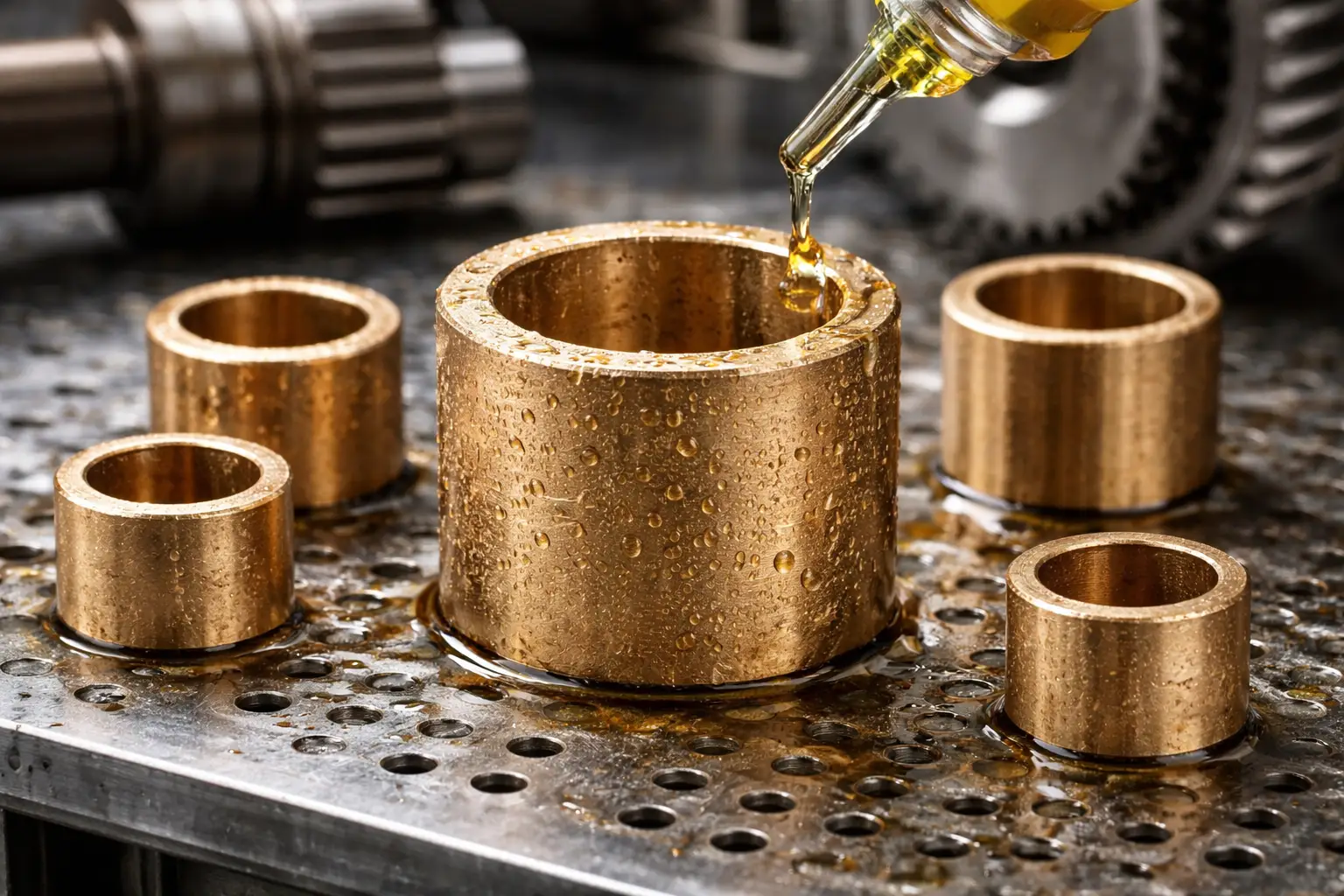
Once your perfectly impregnated bushing is installed, the job isn't over. Think of the initial oiling as filling the tank; periodic maintenance is the topping-up that keeps it from running empty. In my experience, most premature failures of well-installed bushings happen because of a "set it and forget it" mindset. Sintered bronze bushings are self-lubricating, but their internal oil reservoir is finite. Over time, the oil is used up, degrades, or gets contaminated. Regular, minimal re-lubrication is the key to maximizing service life.
Creating a Simple Maintenance Schedule
The frequency of re-oiling depends on the operating conditions. High speeds, heavy loads, or dirty environments require more frequent attention.
- Light Duty (low speed, clean environment): Check and re-oil every 1000-2000 hours.
- Medium Duty (moderate speed/load): Check and re-oil every 500-1000 hours.
- Heavy Duty (high speed/load, dirty environment): Check and re-oil every 200-500 hours, or even weekly.
How to Spot a Dry Bushing
Don't wait for a complete failure. Look for these early warning signs:
- Noise: A slight squeak or change in operating sound is often the first sign.
- Heat: If the area around the bushing is hotter than usual, it indicates increased friction.
- Performance: A slight increase in power draw or sluggish movement can point to a dry bushing.
When you re-lubricate, you only need a small amount. A few drops are usually enough to replenish the oil film. The goal is to replace what's been lost, not to flood the area. Adding too much oil is a common mistake that can cause its own set of problems.
Are There Common Mistakes to Avoid When Oiling Bushings?
You followed the steps, but your bushing still failed. You might have made a common but costly mistake. Knowing what not to do is as important as knowing what to do.
Yes, several common mistakes can ruin the process. The biggest ones are using the wrong type of lubricant, not cleaning the bushing first, and over-oiling during maintenance. These errors can lead to abrasive wear[^6], contamination, and ultimately, premature failure of the part.
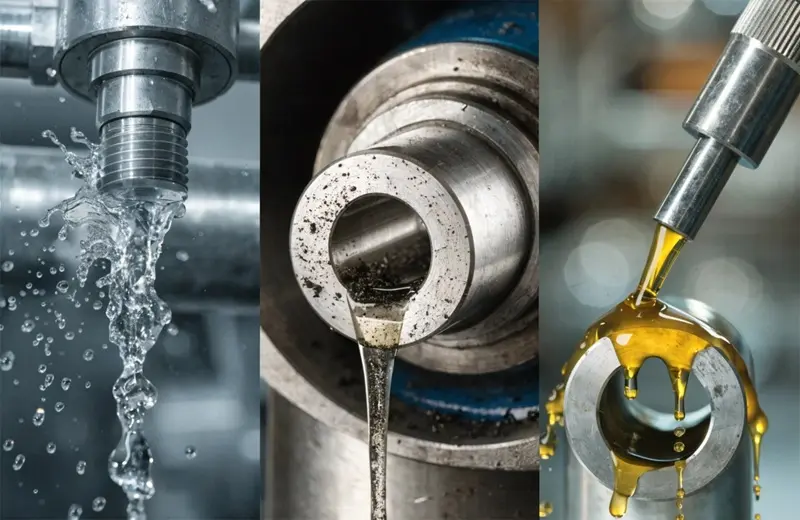
Over the years, I've seen well-intentioned maintenance efforts backfire because of simple, avoidable mistakes. A customer once called me, frustrated that the new bushings he installed were failing faster than the old ones. It turned out he was using a heavy grease on them, which completely blocked the pores and prevented any self-lubrication. He was essentially choking the bushing. This is a perfect example of how doing the wrong thing is worse than doing nothing at all.
The Most Common Lubrication Errors
Let's break down the mistakes we see most often in our work with industrial clients. Avoiding them will save you time, money, and headaches.
| Mistake | Why It's a Problem | The Correct Approach |
|---|---|---|
| Using Grease Instead of Oil | Heavy grease clogs the pores of a sintered bushing, preventing the internal oil from coming out. It completely defeats the self-lubricating design. | Always use a low-viscosity oil that matches the original impregnating oil. |
| Over-oiling During Maintenance | Excess oil attracts dust and dirt, creating an abrasive paste that grinds away at the bushing and shaft. It can also drip and contaminate products. | Apply only a few drops of oil periodically. The goal is to replenish the oil film, not flood the component. |
| Skipping the Cleaning Step | If you impregnate a dirty bushing, you are trapping abrasive particles inside. This turns your lubricant into a grinding compound. | Always start with a thorough cleaning using a solvent to remove all old oil and contaminants before re-oiling. |
| Using the Wrong Oil Type | Different oils have different properties. An oil that is too thick won't penetrate the pores. An oil with the wrong additives can corrode the bronze. | Stick to the manufacturer's recommendation. If unsure, use a high-quality, non-detergent mineral oil of the correct viscosity. |
Understanding these potential errors is half the battle. By focusing on cleanliness, using the right oil, and practicing moderation, you ensure that your lubrication efforts are helping, not hurting, your equipment.
Conclusion
Properly oiling porous bronze bushings is simple. Clean them, immerse them in warm oil, and maintain them with small additions. This ensures your machinery runs reliably for a long time.
[^1]: Explore this resource to understand how porous materials, like bronze bushings, enhance performance and longevity in machinery. [^2]: Find out which solvents work best to clean and prepare bushings for oiling. [^3]: Understanding viscosity can help you choose the right oil for your specific application. [^4]: Early detection of a dry bushing can save you from costly repairs and downtime. [^5]: Avoiding over-oiling is crucial for maintaining the integrity of your bushings. [^6]: Learn about the factors that contribute to abrasive wear to better protect your equipment.