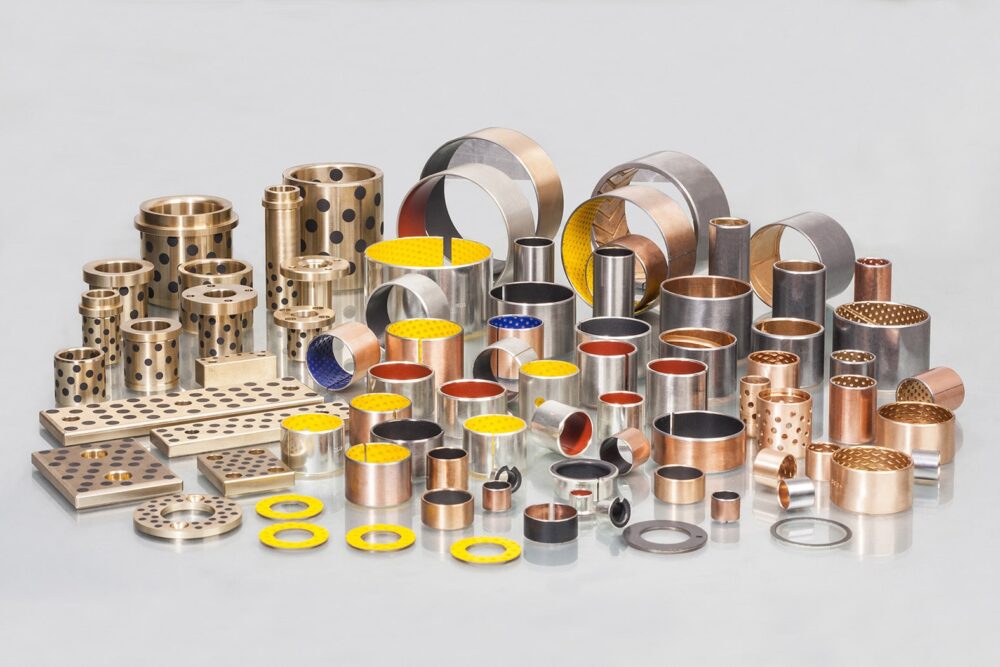
Are you tired of constant greasing schedules and the downtime they cause? This routine maintenance costs time and money. Self-lubricating bearings eliminate this problem, keeping machines running without needing grease.
The main advantages of self-lubricating bearings are their maintenance-free operation, low cost, and ability to work in harsh conditions[^1]. They offer low friction, long life, and high wear resistance, which boosts equipment efficiency and reduces overall operational expenses for any project.
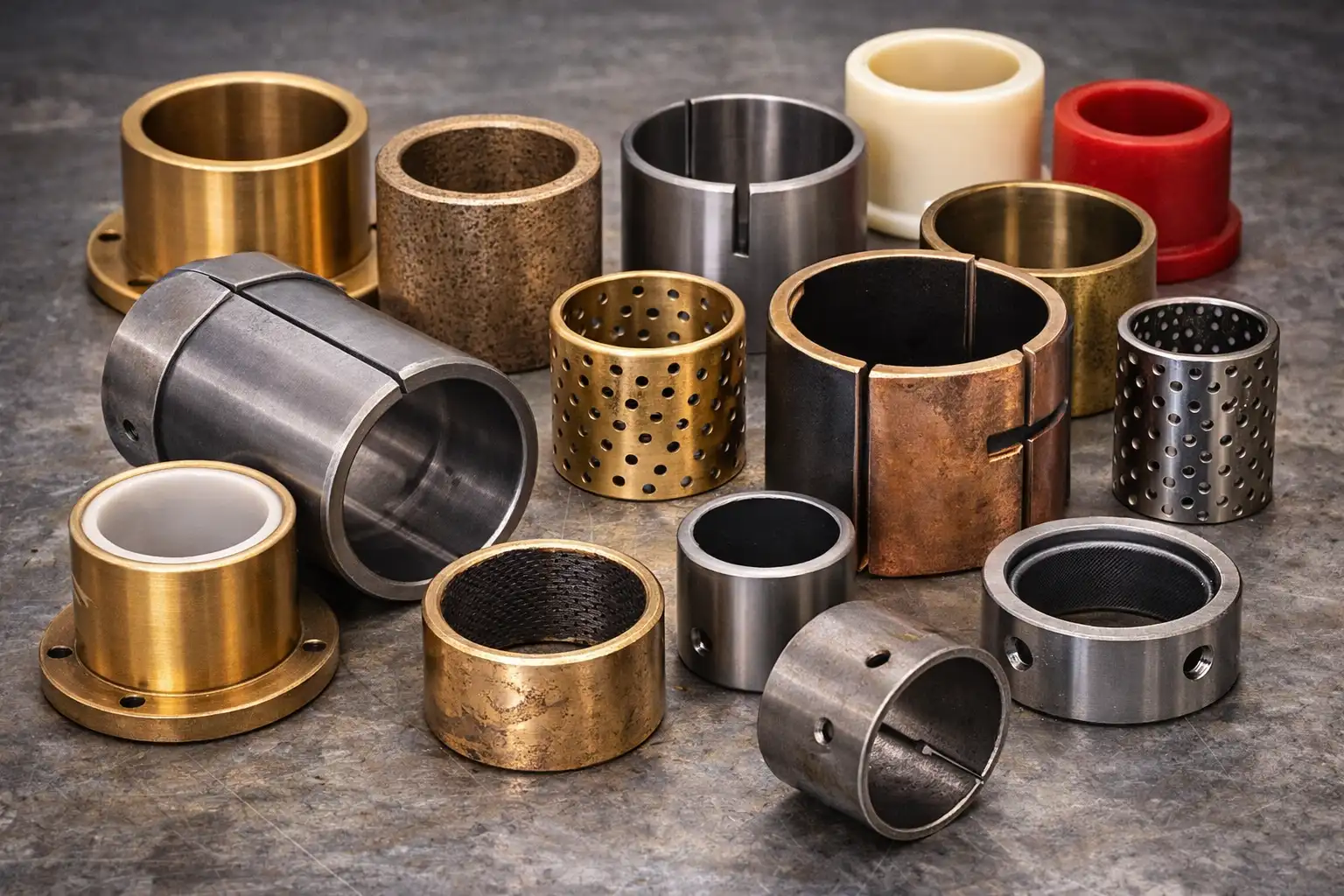
It's clear these bearings offer big benefits. But how do these advantages actually play out in real-world applications? I've seen them solve so many problems for our clients over the years. Let's break down each benefit, so you can see exactly how they can improve your own equipment.
How do self-lubricating bearings reduce maintenance and costs?
Worried about rising labor costs[^2] and expensive downtime for routine maintenance? Every stop for greasing cuts into your productivity. These bearings eliminate that need, saving you both time and money.
They reduce costs by eliminating the need for grease, oil, and the labor to apply them. This maintenance-free design means less downtime and fewer service calls. Their long life also reduces replacement frequency, lowering the total cost of ownership for your equipment.
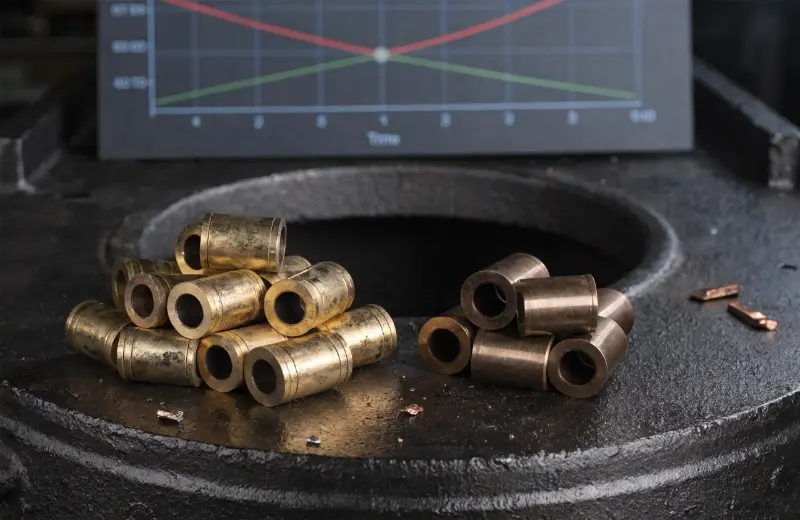
When we talk about cost savings, it's not just about the price of the bearing itself. The true savings come from the total cost of ownership over the machine's life. I've worked with many clients, like equipment manufacturers and large project managers, who were shocked by how much they were spending on lubrication.
Eliminating Lubrication Expenses
First, you completely remove the direct cost of lubricants. Grease and oil aren't free, and for a large fleet of machinery, this expense adds up quickly. You also save on the equipment needed to apply it, like grease guns, pumps, and centralized lubrication systems. There are no storage costs and no disposal costs for used lubricants. This simplifies your operations and your budget.
Reducing Labor and Downtime
Second, and perhaps most importantly, you eliminate the labor costs tied to greasing. Think about it. A technician has to locate each grease point, clean it, apply the lubricant, and clean up any mess. This takes time. If a machine has 20 lubrication points and each takes a few minutes, the non-productive time accumulates. More critically, the machine is often stopped during this process. This downtime is a direct hit to your productivity and revenue. Self-lubricating bearings allow for continuous operation.
Lowering Total Ownership Cost
Finally, these bearings are designed for a long service life. This means you replace them less often. While the initial part cost is a factor, the labor to disassemble a machine, replace a bearing, and reassemble it is often much more expensive. By extending the time between replacements, you dramatically lower the lifetime maintenance cost of your equipment.
Here is a simple breakdown:
| Cost Factor | Traditional Greased Bearing | Self-Lubricating Bearing |
|---|---|---|
| Lubricant Cost | High (Ongoing) | None |
| Labor for Greasing | High (Recurring) | None |
| Downtime for Greasing | Yes | No |
| Replacement Frequency | Higher | Lower |
| Total Cost of Ownership | High | Low |
By switching to self-lubricating bearings, our customers consistently see a significant drop in their operational expenses[^3].
Can self-lubricating bearings really handle harsh working conditions?
Are your machines operating in dusty, wet, or dirty environments? Contamination quickly destroys greased bearings, causing failures. Self-lubricating bearings are built to perform reliably in these exact conditions.
Yes, they excel in harsh conditions. Since there is no sticky grease to attract dust and debris, they stay cleaner. Materials like PTFE or bronze composites are also resistant to moisture and chemicals, ensuring consistent performance where traditional bearings would seize or corrode.
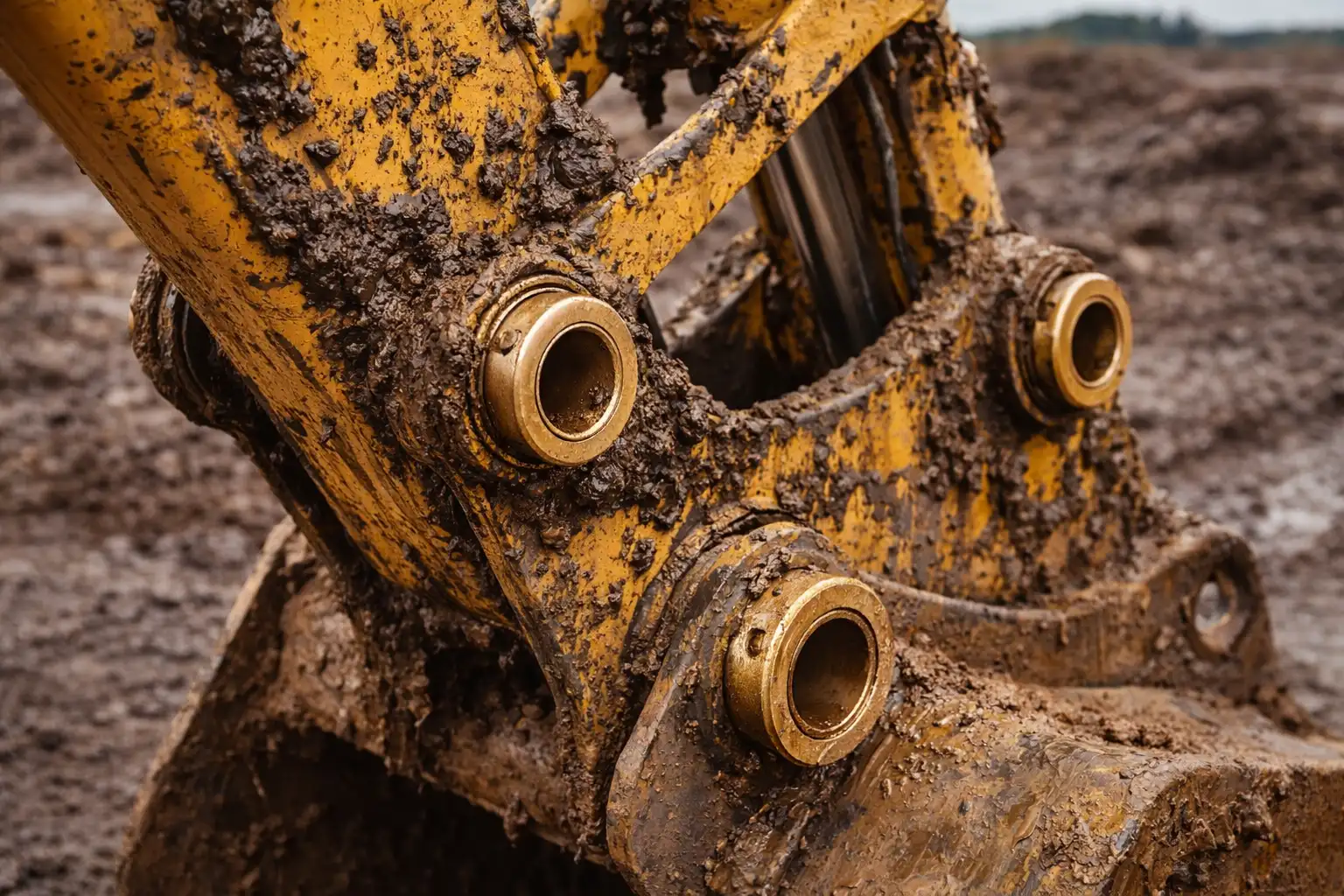
One of the biggest challenges for any mechanical component is the environment it works in. I remember a client in the agricultural machinery sector who was dealing with constant bearing failures in their harvester equipment. The combination of dust, plant debris, and moisture was a nightmare for their greased bearings. The grease would mix with the contaminants and form an abrasive paste that wore out the joints prematurely. When we switched them to our metal-polymer self-lubricating bushings, the problem disappeared.
Performance in Dusty and Dirty Environments
This is a key advantage. Greased bearings act like magnets for dirt, dust, and other particles. This contamination grinds away at the bearing and the shaft, causing rapid wear and failure. Self-lubricating bearings run dry. Their surfaces, often made of materials like PTFE, are smooth and don't attract debris. This makes them ideal for applications like construction equipment, mining machinery, and agricultural vehicles, where exposure to dirt is unavoidable. The bearing stays clean and continues to function as designed.
Reliability in Wet and Humid Conditions
Water is another enemy of traditional bearings. It can wash away grease, leaving the metal surfaces unprotected and vulnerable to rust and corrosion. Many self-lubricating bearings, especially our bronze-based and composite types, are inherently corrosion-resistant. They don't rely on a layer of grease for protection. This allows them to operate reliably in marine applications, food processing plants where frequent washdowns are necessary, and outdoor equipment exposed to rain and humidity. They won't rust, and their performance won't degrade due to moisture.
Stability Across Extreme Temperatures
Grease changes its properties with temperature. In the cold, it can become thick and stiff, increasing friction and making equipment hard to start. In high heat, it can thin out and leak away, leaving the bearing unprotected. Self-lubricating materials, however, have a very wide operating temperature range. The solid lubricants embedded within them provide consistent performance whether it's freezing cold or extremely hot, ensuring your equipment runs reliably in any climate.
How do they improve equipment performance and lifespan?
Do you struggle with jerky, noisy machinery that seems to waste energy? This friction and vibration can cause premature wear. Self-lubricating bearings deliver smoother, quieter operation for better overall performance.
They improve performance with a consistently low coefficient of friction, reducing stick-slip motion[^4] and energy loss. This smooth operation minimizes noise and vibration. Their high wear resistance means they last longer, extending the service life of the entire machine and boosting productivity.
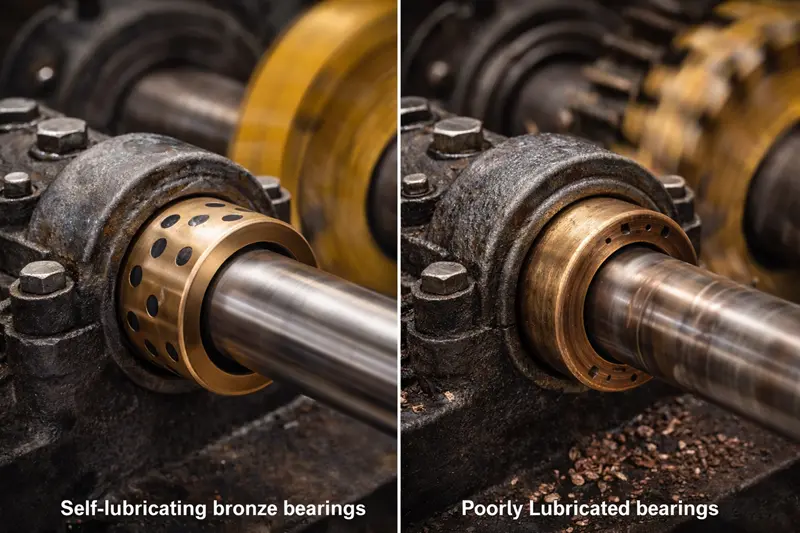
Improving performance isn't just about making a machine run; it's about making it run well. Efficiency, precision, and longevity are what our OEM customers demand. Self-lubricating bearings are engineered to deliver on all these fronts. I've seen firsthand how a simple switch in bearing type can transform a machine's behavior from rough and noisy to smooth and quiet.
Low Friction and Smooth Operation
Traditional bearings can sometimes suffer from a "stick-slip" effect, especially at low speeds or with frequent starts and stops. This is where the static friction is higher than the dynamic friction, causing a jerky, stuttering motion. Self-lubricating bearings provide a consistently low coefficient of friction. The solid lubricant, like PTFE, creates a stable transfer film on the shaft, allowing for incredibly smooth and precise movement. This reduces the energy required to operate the machine and eliminates the damaging effects of vibration.
Wear Resistance and Longevity
These bearings are designed specifically for high wear resistance. For example, our metal-polymer bearings have a layered structure that is built to handle heavy loads and continuous movement. Our sintered bronze bearings are porous and impregnated with oil that provides lifetime lubrication. Because they manage friction so effectively and are made from durable materials, they simply last longer. In many applications I've worked on, these bearings have outlasted conventional greased bronze bushings by two or three times, which directly extends the service life of the entire assembly and increases machine uptime.
Ideal for Complex Working Conditions
Many modern machines operate under complex conditions that are tough on bearings. Think about the pivot points on a crane (low speed, very heavy load) or a packaging line conveyor (constant starting and stopping). In these situations, a traditional greased bearing struggles to maintain a protective lubricant film. Self-lubricating bearings excel here. They are always "on" and ready to perform, providing reliable lubrication from the very first movement, regardless of speed, load, or frequency of use.
Conclusion
Self-lubricating bearings offer a powerful combination of maintenance-free operation, lower costs, and reliable performance in tough conditions, making them a smart choice for modern industrial equipment.
[^1]: Find out how these bearings perform in extreme conditions and their advantages over greased bearings. [^2]: Learn how these bearings can reduce labor costs associated with maintenance. [^3]: Find out how switching to self-lubricating bearings can lower your overall operational costs. [^4]: Learn about the stick-slip phenomenon and how self-lubricating bearings prevent it.