Worried about sudden equipment breakdowns? A failed bearing can halt production, costing you dearly. Knowing its lifespan is crucial for reliable operation and preventing expensive delays.
The lifespan of a self-lubricating bearing isn't a single number. It is calculated based on operating conditions. The most critical factors are the load it carries, its rotational speed[^1], the operating temperature, and the surrounding environment. These variables determine its wear rate and ultimate service life.
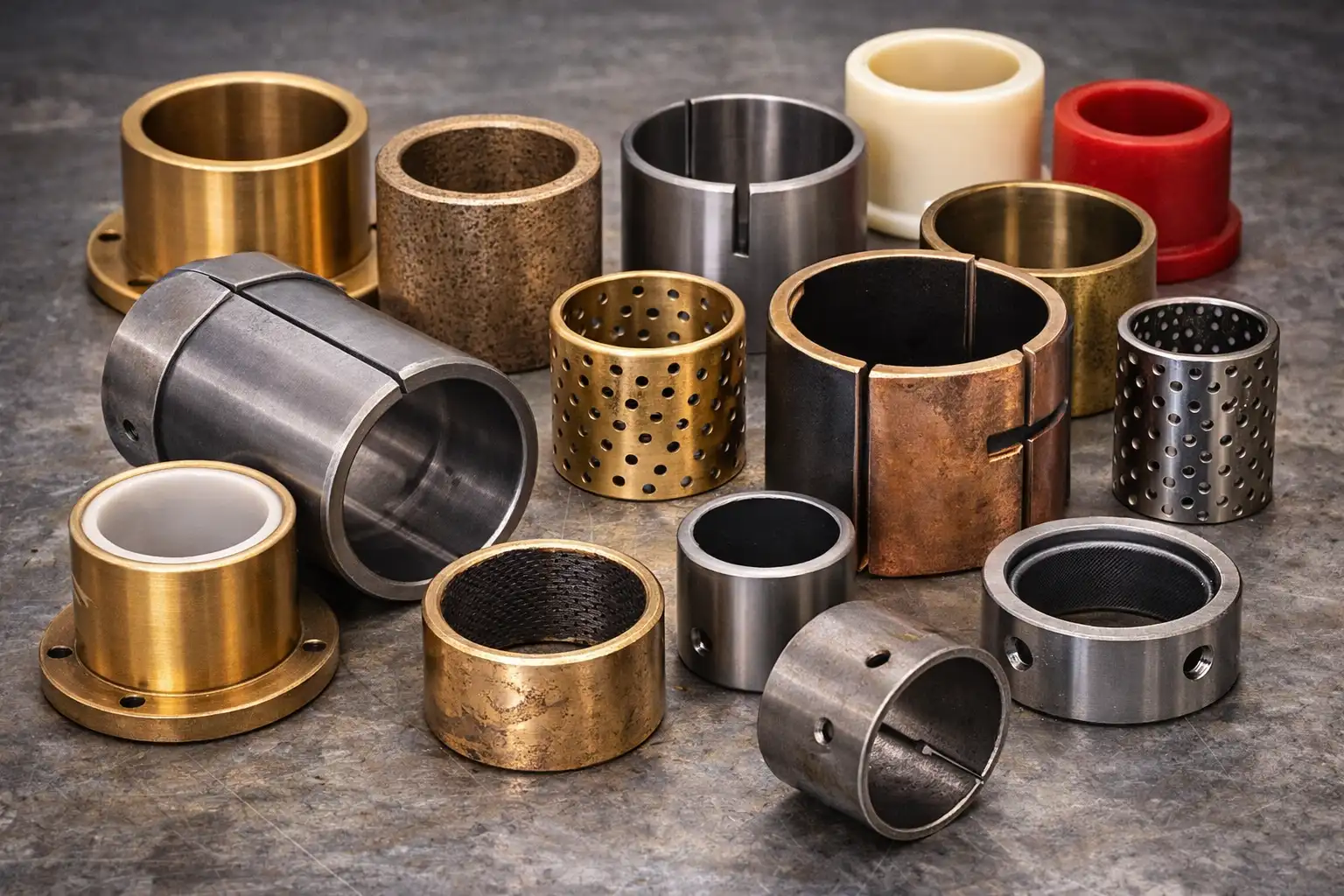
I get this question a lot from clients like Sophia, who manage large OEM projects. They need predictable performance for their machinery. The simple answer is "it depends," but that's not very helpful. So, let's break down exactly what it depends on. By looking at each factor one by one, you can get a much clearer picture of what to expect from your bearings and how to maximize their service life in your specific application.
How does load affect bearing lifespan?
Overloading bearings seems like a quick fix for higher output. But this often leads to premature failure. Understanding load limits[^2] protects your investment and prevents unexpected breakdowns.
Load directly impacts a bearing's lifespan. Higher loads increase pressure and friction, accelerating wear on the self-lubricating layers. Exceeding the specified dynamic or static load[^3] capacity can cause rapid deformation and catastrophic failure, drastically shortening the bearing's service life. It's the most critical factor to consider.
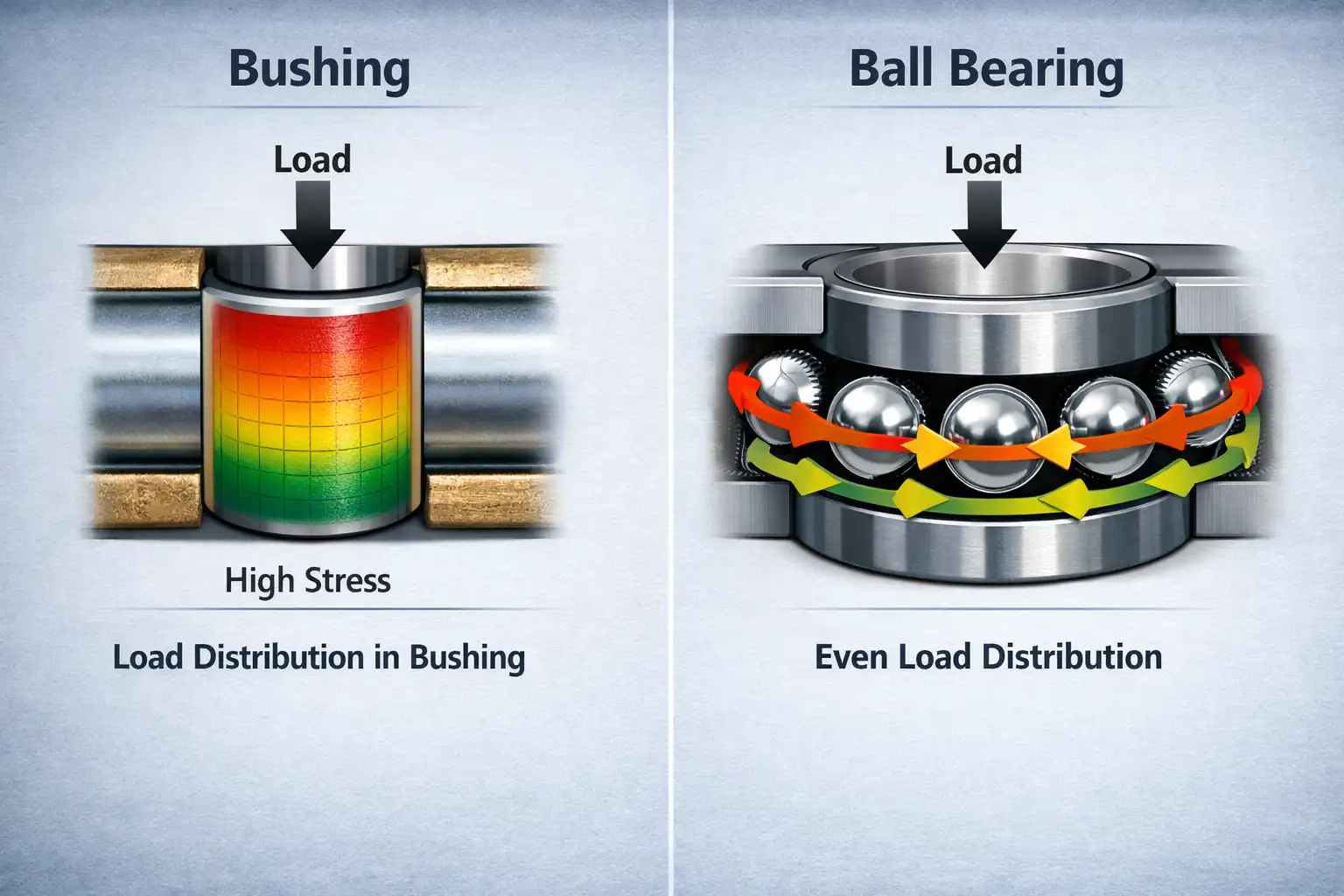
At our factory, we always talk about the "PV value[^4]," which stands for Pressure (load) times Velocity (speed). This value is a fundamental limit for any self-lubricating bearing. When the load increases, the pressure on the bearing surface goes up. This creates more friction and heat, which wears down the lubricating material faster. It's a direct relationship: double the load, and you might cut the life by much more than half. I remember a client in the agricultural machinery sector who was experiencing fast wear on their equipment. We discovered they were using a standard bearing in a high-load pivot point. The load was simply too high for the material.
Types of Loads to Consider
It's not just about how heavy the load is, but also how it's applied.
- Dynamic Load: This is the load on a bearing when it is in motion. Most lifespan calculations are based on this.
- Static Load: This is the load on a bearing when it is stationary. A bearing must be able to withstand this without deforming.
- Oscillating Load: This involves slow, back-and-forth movement, which creates unique wear patterns common in construction equipment.
We often create charts for our clients to visualize this.
| Load Type | Impact on Lifespan | FESODA's Solution |
|---|---|---|
| High Constant Load | Reduces life due to high pressure | Metal-backed composite bearings (e.g., DU type) |
| Shock Loads | Can cause immediate deformation | Machined solid bronze bushings for higher strength |
| Low Load | Generally leads to longer life | Sintered bronze bearings are cost-effective |
After analyzing the agricultural client's machine, we switched them to our robust wrapped bronze bushing, which is designed for high loads. This change solved the problem completely and gave them the reliability they needed in the field.
Does speed really impact how long a bearing lasts?
Pushing your machines to run faster can increase output. But higher speeds generate more heat and friction. This can degrade bearings quickly, leading to unplanned and costly maintenance.
Yes, speed is a critical factor. Higher rotational or sliding speeds increase friction and generate more heat. This heat can break down the solid lubricants within the bearing, such as PTFE, and soften the bearing material itself. This leads to an accelerated wear rate and a shorter lifespan.
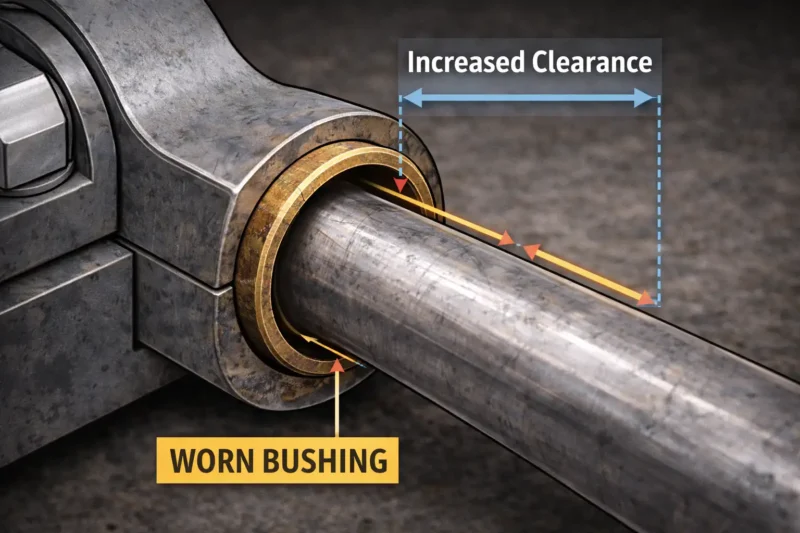
Speed, the 'V' in our PV value calculation, is just as important as load. When a bearing moves faster, the surfaces rub against each other more frequently in a given amount of time. This generates friction, and friction creates heat. For self-lubricating bearings, especially those with polymer liners like PTFE, heat is the enemy. Excessive heat can cause the polymer to soften, degrade, or even melt, destroying its lubricating properties. It's a chain reaction where more speed leads to more heat, which leads to more wear, and finally to failure.
Speed Limits and Material Performance
Every bearing material has a maximum speed it can handle before heat buildup becomes a serious problem.
- High Speed, Low Load: This scenario can be just as damaging as high load if the heat isn't managed.
- Low Speed, High Load: This is a common application for many of our bushings, where strength is more critical than heat dissipation.
Here’s how different materials we produce handle speed:
| Material Type | Typical Speed Limit | Best Use Case |
|---|---|---|
| Polymer Composite | Moderate | Good for high speed if load is low |
| Sintered Bronze | Low to Moderate | Excellent for rotational applications like motors |
| Wrapped Bronze | Low | Ideal for high-load, slow oscillating movements |
We once worked with a client designing a new automated conveyor system. Their initial prototype used a standard polymer bearing that was failing prematurely. We analyzed the operational speed and realized it was generating too much heat for that specific material. We recommended our wrapped bronze bushing with specific lubrication grooves to help dissipate the heat. This simple material change extended the lifespan by over 300% and made their system commercially viable.
What role does temperature play in bushing longevity?
Your equipment might operate in extreme heat or cold. But these temperatures can compromise bushing integrity. Ignoring the operating temperature range can lead to unexpected failures and downtime.
Temperature is crucial. High ambient temperatures, combined with heat from friction, can exceed the bearing material's limits. This can soften plastics, alter clearances, and degrade lubricants. Conversely, extreme cold can make materials brittle and increase the risk of fracture, significantly impacting bearing life.
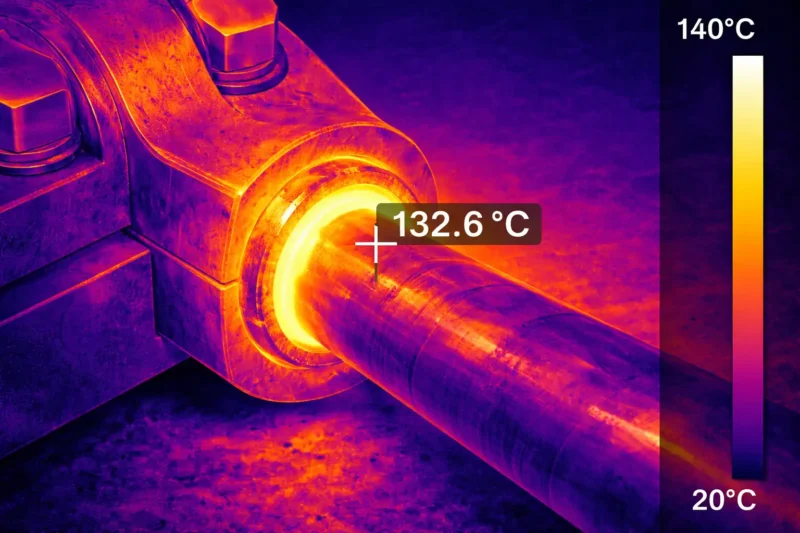
Temperature is a two-part problem. First, there's the ambient temperature of the environment where the machine works. Second, there's the heat generated by the bearing's own operation from friction. The total temperature is the sum of these two, and it has a huge effect on the bearing. As a manufacturer, we have to consider both when we recommend a product for an OEM project.
The Dangers of High and Low Temperatures
Most of our discussions with customers are about high temperatures.
- High Temperatures: When a bearing gets too hot, several things can go wrong. For our composite bearings, the plastic (PTFE) layer can soften and wear away very quickly. The metal backing can also expand, which changes the fitting clearance and could cause the bearing to seize in the housing.
- Low Temperatures: Extreme cold is also a problem. Materials can become brittle and crack under load or impact. The impregnated oil in sintered bearings can become thick and stiff, increasing friction instead of reducing it.
We select materials specifically for their temperature performance.
| Bearing Material | Operating Temperature Range (°C) | Key Considerations |
|---|---|---|
| PTFE Composite (DU type) | -200 to +280 | Excellent range, but PV limit drops at high temps |
| POM Composite (DX type) | -40 to +100 | Less tolerant of heat, needs grease |
| Solid Bronze | Very wide range | Performance depends on added lubricant |
| Sintered Bronze | -20 to +120 | Oil impregnation limits the upper range |
A customer in the Middle East, much like Sophia, needed bearings for a solar panel tracking system. The desert environment meant extreme ambient heat. A standard polymer bearing would surely fail. We provided a special high-temperature composite bearing that could handle the ambient heat plus the operational friction, ensuring the system ran reliably for years.
How do environmental conditions[^5] shorten a bearing's life?
Your machines operate in dirty, dusty, or wet conditions. These contaminants can get inside bearings. This abrasion and corrosion can destroy a bearing long before its calculated lifespan is reached.
A harsh environment severely shortens bearing life. Abrasive particles like dust, dirt, and sand can get into the bearing and grind away the lubricating surfaces. Moisture and chemicals can cause corrosion on metal-backed bearings, leading to seizure and failure. Protecting bearings is essential.
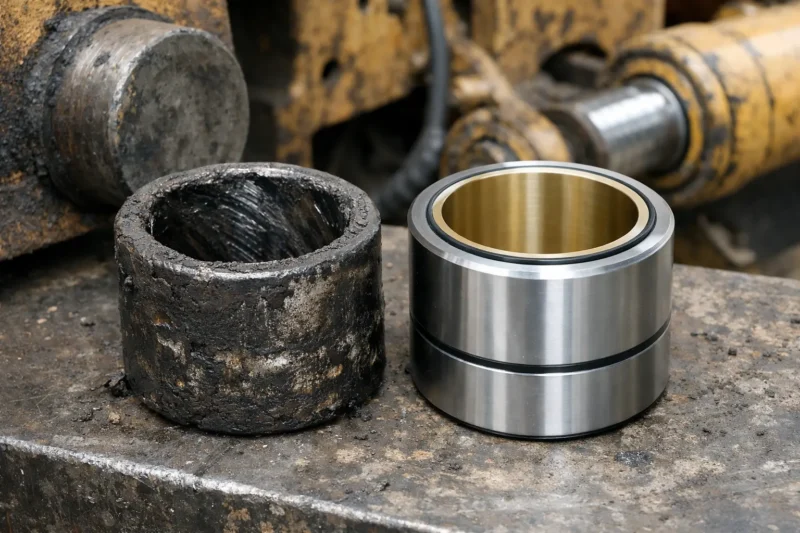
The perfect, clean lab where we test bearings is very different from the real world. In my experience, the operating environment is one of the most overlooked causes of premature bearing failure. A bearing that should last 10,000 hours can fail in 100 if it's not protected from its surroundings. Grit and moisture are the top two enemies.
Common Environmental Threats
We design bearings to resist these threats, but it's important for our clients to know what they're up against.
- Abrasive Contaminants: Dust, sand, grit, and metal particles are like sandpaper for your bearing. They get between the shaft and the bearing surface and physically grind them away. This is called three-body abrasion and it's very destructive.
- Corrosion: Moisture, humidity, salt spray, and aggressive chemicals can attack the metal components of a bearing. Rust on a steel backing can expand and cause the bearing to seize. Corrosion can also weaken its overall structure, leading to fracture.
Choosing the right material and design is your first line of defense.
| Environmental Threat | Effect on Bearing | FESODA's Recommended Approach |
|---|---|---|
| Dust, Sand, Dirt | Abrasive wear, scoring of shaft and liner | Use sealed assemblies; POM composite has good abrasion resistance |
| Water, Humidity | Corrosion of steel backing | Use bronze-backed or stainless steel-backed bearings |
| Chemicals, Solvents | Degradation of polymer liner, corrosion | PTFE-lined bearings offer excellent chemical resistance |
We supply many clients in the construction and agricultural industries. Their equipment operates in the muddiest, dustiest conditions imaginable. For them, we often recommend our wrapped bronze bearings with grease grooves and effective external seals. The grease not only lubricates but also creates a positive pressure barrier that pushes contaminants out. This practical approach is key to survival in tough environments.
Can material selection extend the life of a self-lubricating bearing?
Choosing a generic bearing seems easy. But a one-size-fits-all approach often leads to poor performance. Selecting the right material is the most effective way to ensure longevity.
Absolutely. Material selection is the most powerful tool for maximizing bearing life. Different materials are engineered for specific challenges, like high loads, high temperatures, or corrosive environments. Matching the material—be it a metal-polymer composite, a bronze alloy, or a sintered metal—to your application is critical.
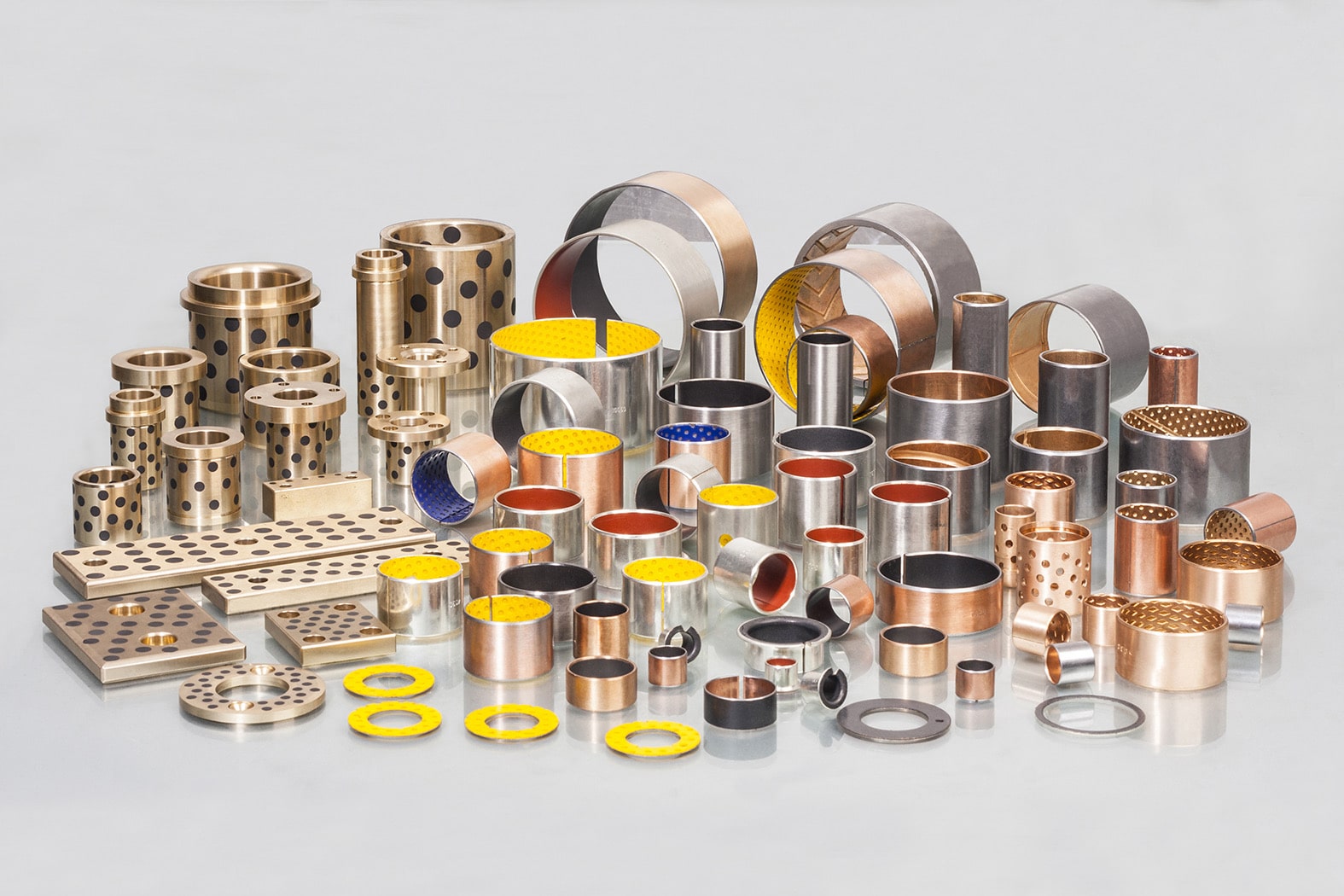
After discussing all the factors that can destroy a bearing, the solution becomes clear: you must choose the right material for the job. As a manufacturer, this is where we provide the most value to our B2B partners. We don't just sell a part; we provide a solution tailored to an application's specific demands of load, speed, temperature, and environment. This is the core of our partnership with OEMs and large-scale projects.
Matching the Material to the Challenge
Think of our product catalog as a toolbox. Each bearing type is a different tool designed for a specific task.
- For High Loads & Slow Motion: Our machined bronze bushings or wrapped bronze bearings are perfect. They have the sheer strength to resist deformation.
- For High Speeds & Low Loads: A metal-polymer composite bearing with a PTFE liner is often the best choice due to its extremely low friction coefficient.
- For Extreme Temperatures: Special high-temp polymers or solid metal bearings are required to maintain structural integrity.
- For Corrosive Environments: Stainless steel-backed or all-bronze bearings prevent rust and chemical attack that would destroy standard steel-backed parts.
Here is a quick reference guide based on our main product lines:
| FESODA Product Family | Primary Strength | Ideal Application |
|---|---|---|
| Metal-Polymer Composite | Low friction, wide temp range | General machinery, automotive, high speed |
| Wrapped Bronze | High load capacity, good for lubrication | Construction machinery, agriculture, hydraulics |
| Machined Bronze | Extreme loads, custom shapes | Heavy equipment, mining, marine engineering |
| Sintered Bronze | Quiet operation, self-lubricating | Small electric motors, home appliances, automation |
Working with a focused manufacturer like us means you get access to this expertise. We can analyze your design's load, speed, temperature, and environment to recommend a material that provides the most reliable and c
[^1]: Find out how rotational speed can impact the longevity of your bearings. [^2]: Learn about load limits to protect your investment and prevent unexpected breakdowns. [^3]: Understanding static load can help you choose the right bearings for stationary applications. [^4]: Learn about PV value and its importance in determining bearing performance. [^5]: Explore how harsh environments can shorten bearing life and how to mitigate risks.