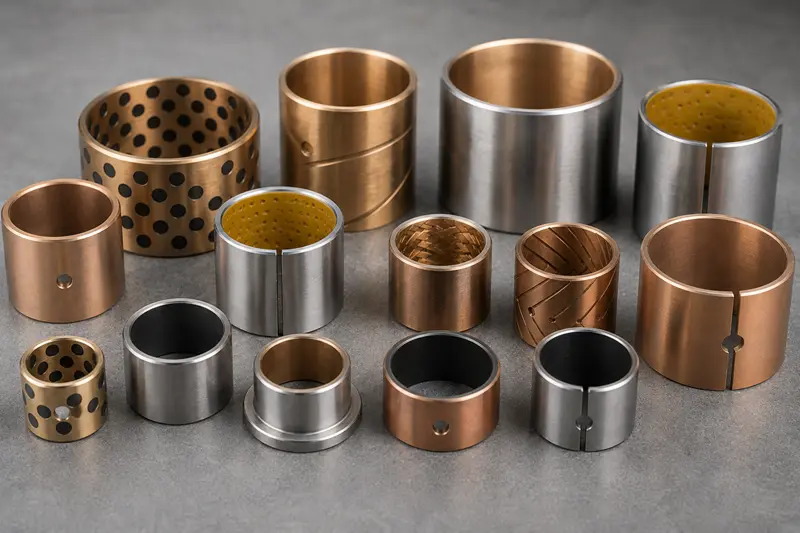
Struggling to choose the right bronze alloy? You might think more tin means more durability. But this common assumption can lead to higher costs without any real performance gain.
The best choice between CuSn8 and CuSn10 depends entirely on your application. CuSn10 offers higher hardness for extreme loads, but CuSn8 provides a superior balance of strength, formability, and cost-effectiveness, making it the ideal choice for most mass-produced rolled bronze bushings in industrial machinery.
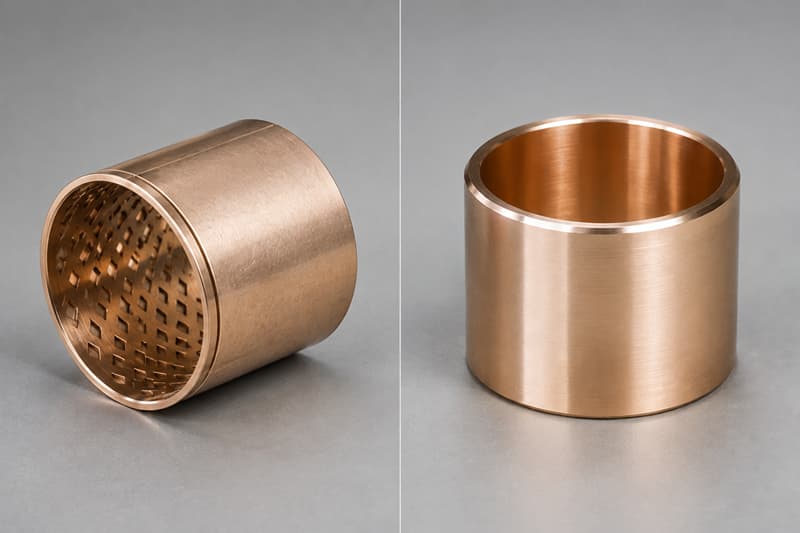
From our factory floor, I see this question come up all the time with OEM buyers. They see that CuSn10 has more tin and assume it's a simple upgrade from CuSn8. It seems logical, but the reality is much more complex. The material is just one part of the puzzle. How the bushing is made, how it will be lubricated, and the specific forces it will face are just as important. Let's dig into the details so you can make a choice that truly benefits your design and your budget.
Why is CuSn8 a Go-To for Rolled Bronze Bushings?
You need a reliable bushing that can be produced in large quantities without breaking the bank. Choosing a material that is difficult to manufacture can drive up costs and lead times.
CuSn8 is often the preferred material for rolled bronze bushings. Its excellent formability allows for efficient mass production of thin-walled parts, complete with complex oil grooves or holes. It strikes the perfect balance between performance, manufacturing ease, and overall cost for OEM supply chains.
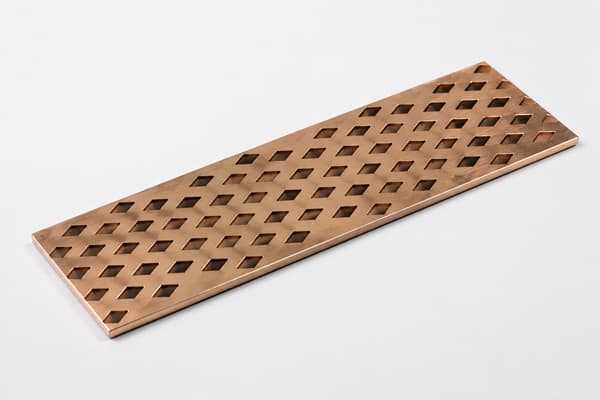
Here in our facility, we work with CuSn8 every single day. It's the backbone of our wrapped bronze bushing production line. The reason is simple: it’s great to work with. We start with flat strips of CuSn8 material, which we then punch, form, and roll into their final bushing shape. This material has enough ductility, or flexibility, to be formed into precise cylinders without cracking. This process allows us to easily add critical features like diamond or circular oil pockets, through-holes for grease, and split gaps for easy installation.
CuSn10, with its higher tin content, is harder but also more brittle[^1]. Trying to roll it into a thin-walled bushing is much more challenging and increases the risk of defects. For B2B buyers who need thousands of consistent parts, CuSn8 provides the reliability and cost-effectiveness that makes large-scale projects feasible.
Key Manufacturing Differences
| Feature | CuSn8 | CuSn10 |
|---|---|---|
| Typical Form | Rolled / Wrapped Bushings | Machined / Cast Bushings |
| Formability | Excellent | Fair to Poor |
| Suitability for Grooves | Ideal for stamped oil pockets | Requires machining |
| Production Speed | High (for rolled parts) | Slower (for machined parts) |
| Cost-Effectiveness | High for mass production | Higher material & processing cost |
When Does CuSn10 Actually Outperform CuSn8?
Your equipment operates under extreme pressure and at very slow speeds. Using a standard bushing in this scenario could lead to rapid wear, seizure, and expensive equipment downtime.
CuSn10 is the superior choice for high-load, low-speed applications[^2] where maximum hardness and compressive strength are non-negotiable. Its higher tin content provides the exceptional wear resistance needed to withstand severe conditions, preventing failure where CuSn8 might fall short.
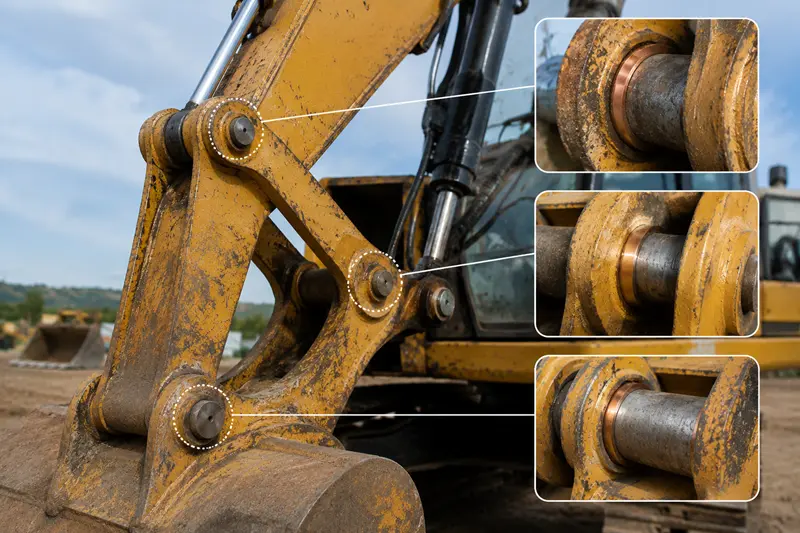
Think about the massive pivot points on an excavator arm or the main bearings in a rock crusher. These applications involve immense forces but very slow, oscillating movements. This is where CuSn10 truly shines. The extra tin in the alloy creates a harder bronze matrix that resists being squeezed or worn away under intense pressure. In these situations, the lower formability of CuSn10 isn't a problem because these parts are typically machined from solid billets or cast, not rolled from a thin sheet.
I remember a client developing a new piece of mining equipment. They initially specified CuSn8 to keep costs down, but prototypes failed quickly due to galling on the main pivot pins. After we analyzed the load conditions, we recommended switching to a machined CuSn10 bushing. The higher material cost was minimal compared to the cost of equipment failure and warranty claims. This is the scenario where paying for more tin provides real value.
Typical Application Breakdown
| Application Condition | Recommended Alloy | Why? |
|---|---|---|
| General Industrial Machinery | CuSn8 | Good balance of performance and cost with lubrication. |
| Automotive Applications | CuSn8 | High-speed production and good general wear properties. |
| High Load, Low Speed | CuSn10 | Higher hardness prevents wear and seizure. |
| Impact & Shock Loads | CuSn8 | Better toughness and ductility to resist cracking. |
| Cost-Sensitive Projects | CuSn8 | Lower material cost and efficient manufacturing. |
Are You Overlooking the Most Important Factors in Your Choice?
You've specified a premium material like CuSn10, but the bushings are still failing prematurely. Focusing only on the alloy can blind you to the real root cause of the problem.
The performance difference between CuSn8 and CuSn10 can become meaningless if lubrication is poor, the mating shaft is damaged, or installation is incorrect. A well-designed system with CuSn8 will always outperform a poorly designed system with CuSn10.
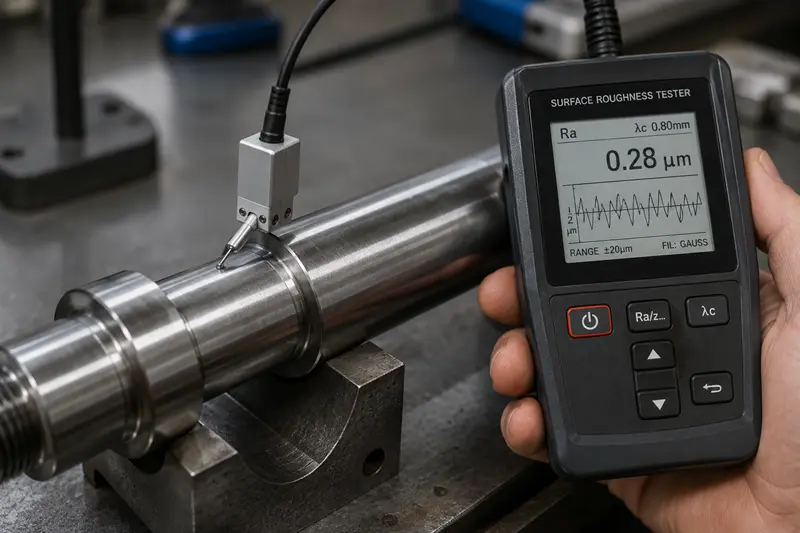
From a factory perspective, the biggest mistake we see is when a buyer treats the material spec as a magic bullet. The truth is, the bushing is part of a system. If you have a steady supply of clean lubricant, a CuSn8 bushing can handle incredibly high loads, often performing just as well as CuSn10. Conversely, if you run a CuSn10 bushing dry or with a rough shaft, its superior hardness won't save it from failing. The entire system has to work together.
Furthermore, you can't just write "CuSn8" on a purchase order. Different international standards (like DIN, ASTM, or JIS) have slightly different chemical composition ranges[^3] for the same nominal alloy. You must specify the exact standard you need. As a manufacturer, we need to know the material state, hardness requirements, and any other technical specs to deliver a product that performs consistently. The extra tin in CuSn10 is only valuable if the application truly demands it[^4] and the rest of the system is optimized to support it.
System Factors Beyond the Alloy
| Factor to Consider | Why It Matters |
|---|---|
| Lubrication | The single most critical factor for bushing life. |
| Shaft Hardness & Finish | A rough shaft will destroy any bushing, regardless of alloy[^5]. |
| Alignment | Misalignment creates edge loading and causes premature failure[^6]. |
| Operating Temperature | Can affect lubricant viscosity and material properties. |
| Standard Specification | Ensures you get the exact material composition you expect. |
Conclusion
Choosing between CuSn8 and CuSn10 is not about finding the "better" material, but the "right" one. The best choice balances application demands, manufacturing methods, and total system cost.
[^1]: "Impact of CuSn10 Powder on Mechanical Properties and ...", https://pmc.ncbi.nlm.nih.gov/articles/PMC12073769/. Higher tin content in CuSn10 increases hardness but reduces ductility, as shown in alloy property studies. Evidence role: mechanism; source type: research. Supports: CuSn10, with its higher tin content, is harder but also more brittle.. Scope note: The brittleness depends on the specific alloy processing method. [^2]: "Impact of CuSn10 Powder on Mechanical Properties and ... - PMC", https://pmc.ncbi.nlm.nih.gov/articles/PMC12073769/. CuSn10's high hardness and wear resistance make it suitable for high-load, low-speed applications, as supported by engineering case studies. Evidence role: case_reference; source type: education. Supports: CuSn10 is the superior choice for high-load, low-speed applications.. Scope note: Suitability depends on proper lubrication and system design. [^3]: "CuSn8 / CW453K - SteelNumber - Copper equivalent, ...", http://www.steelnumber.com/en/steel_alloy_composition_eu.php?name_id=1310. International standards such as DIN, ASTM, and JIS define varying chemical composition ranges for CuSn8, as outlined in standardization documents. Evidence role: definition; source type: government. Supports: Different international standards (like DIN, ASTM, or JIS) have slightly different chemical composition ranges.. Scope note: The variations are minor and may not affect all applications. [^4]: "Impact of CuSn10 Powder on Mechanical Properties and ...", https://pmc.ncbi.nlm.nih.gov/articles/PMC12073769/. The value of higher tin content in CuSn10 depends on application-specific requirements, as noted in engineering guidelines. Evidence role: expert_consensus; source type: education. Supports: The extra tin in CuSn10 is only valuable if the application truly demands it.. Scope note: Effectiveness varies with system design and operating conditions. [^5]: "The Tribological Performance of Self-Lubricating Bearings Following ...", https://docs.lib.purdue.edu/cgi/viewcontent.cgi?article=2888&context=icec. Shaft surface roughness significantly impacts bushing performance, as demonstrated in tribology studies. Evidence role: mechanism; source type: research. Supports: A rough shaft will destroy any bushing, regardless of alloy.. Scope note: The impact varies with lubrication and load conditions. [^6]: "Edge loading in metal-on-metal hips: low clearance is a new ...", https://pmc.ncbi.nlm.nih.gov/articles/PMC4107799/. Misalignment leads to uneven loading and premature failure in bushings, as supported by mechanical engineering analyses. Evidence role: mechanism; source type: education. Supports: Misalignment creates edge loading and causes premature failure.. Scope note: Severity depends on the degree of misalignment and load conditions.