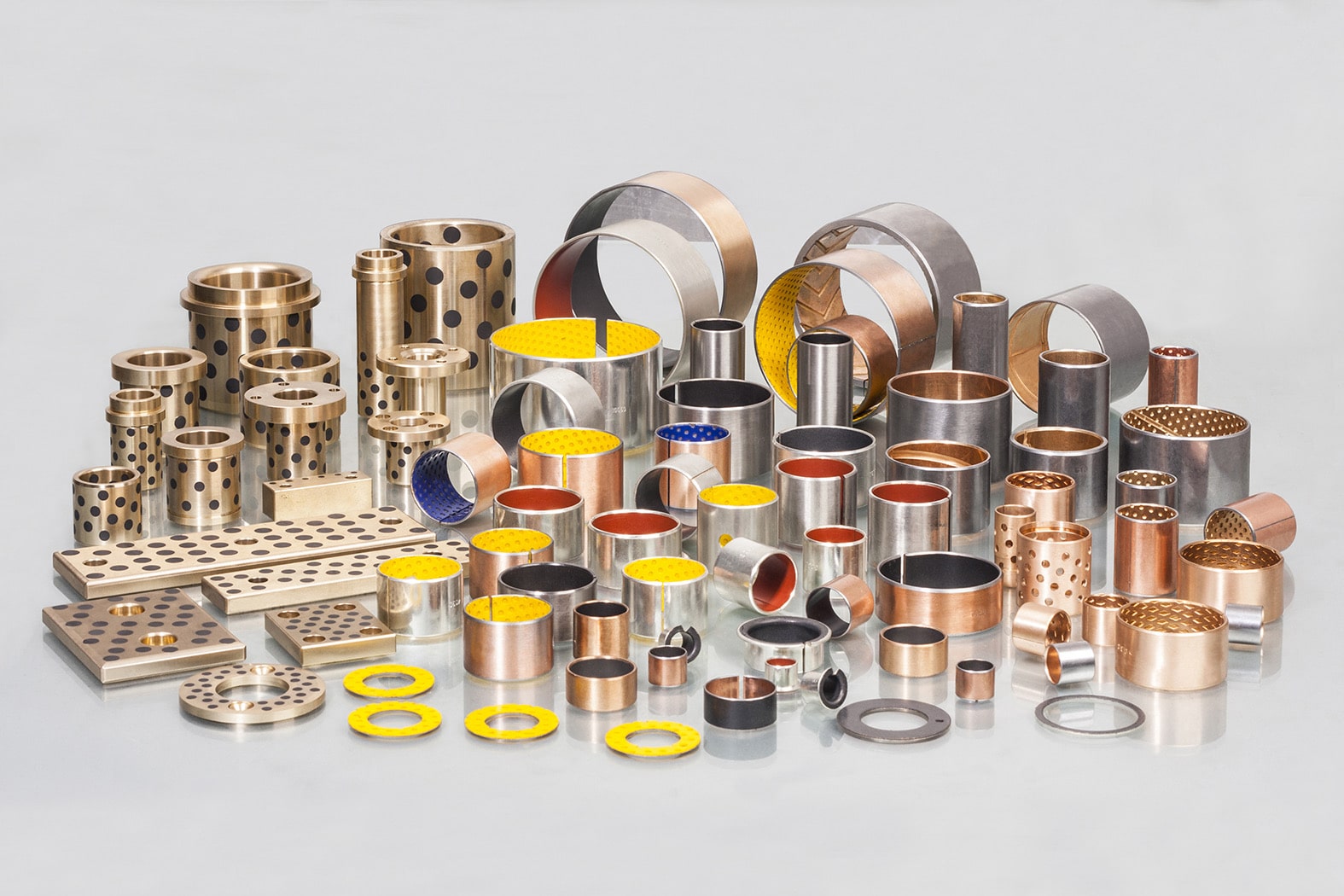
Choosing a bushing based on price alone often leads to failure. This mistake can cause costly downtime and hurt your project's timeline, but there's a better way.
To choose the right bushing material, you must analyze your application's specific conditions. Consider factors like load, speed, temperature, and lubrication. Matching the material to these needs is more important than the initial price and ensures long-term performance and a lower total cost.
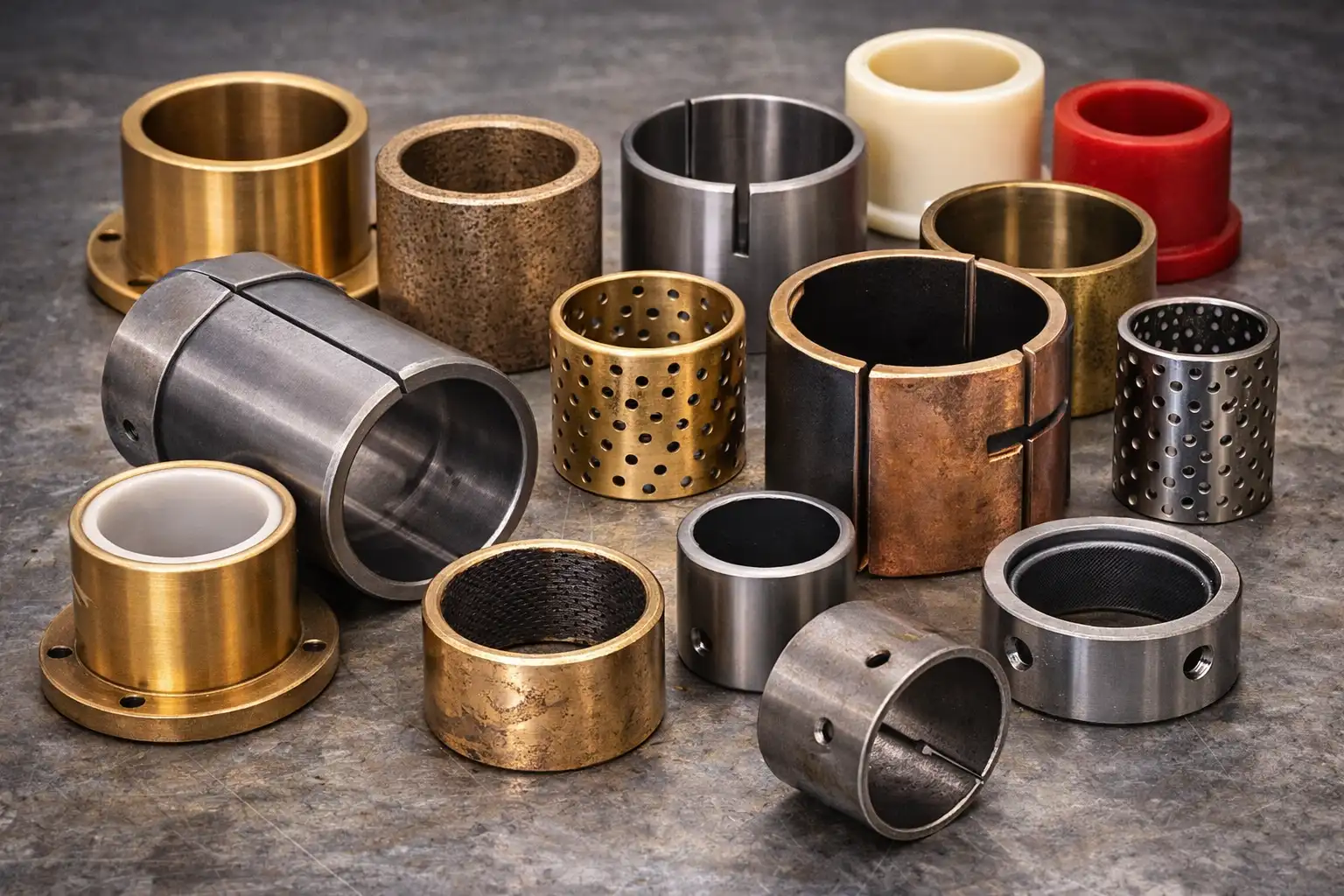
I've seen it happen too many times in my work. A customer comes to us after a competitor's bushing failed, and the problem wasn't a bad part, but the wrong material for the job. The initial savings on a cheaper material were wiped out by maintenance costs and downtime. This is a common but avoidable mistake. Let's break down how to choose correctly by looking at the key factors you must consider before you ever ask about price.
Why Do Load and Speed Dictate Material Choice?
Your equipment's bushings are wearing out faster than expected. This means more downtime and repair bills. Let's look at how matching material to load and speed prevents this problem.
Load and speed determine the pressure and friction a bushing must handle.[^1] High-load, low-speed applications need strong, wear-resistant materials like bronze alloys. High-speed, lower-load situations might favor materials with better heat dissipation or self-lubricating properties to prevent seizure.
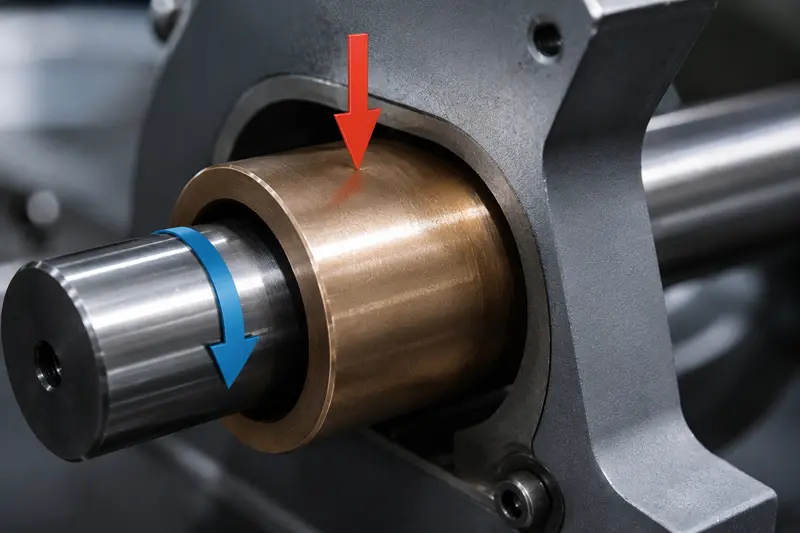
When we evaluate a new project, load and speed are the first two things we ask about. They combine to create what engineers call a PV value, which stands for Pressure-Velocity. This number is a critical indicator of how demanding the application is. A high PV value means the bushing material has to work much harder.[^2] As a manufacturer, we use this to narrow down the material options right away. You don't need to be an engineer to understand the basics.
High Load, Low Speed Conditions
Think of the pivot points on a piece of construction equipment. The movement is slow, but the weight is enormous. Here, the material must be strong enough to resist being crushed or deformed. We often recommend high-strength bronze alloys or graphite-plugged bronze bushings for these jobs. The base metal provides the strength, while the graphite offers solid lubrication that works best under heavy pressure.
Low Load, High Speed Conditions
Now, think of a small electric motor shaft. The load is light, but it spins very fast. The main enemy here is heat caused by friction. If the heat builds up, the bushing and shaft can seize. For these applications, we suggest self-lubricating materials like PTFE composite bushings or sintered bronze bearings. They have a very low friction coefficient, which keeps heat down and allows for smooth, continuous operation without needing external grease.
| Operating Condition | Recommended Material Type | Why it Works |
|---|---|---|
| High Load, Low Speed | Bronze Alloy / Graphite-Plugged | High strength, excellent wear resistance. Graphite provides solid lubrication under pressure. |
| Low Load, High Speed | PTFE Composite / Sintered Bronze | Low friction coefficient, good heat dissipation, self-lubricating properties prevent seizure. |
| High Load, High Speed | Bimetal Bushing / Special Alloys | Requires careful engineering. Often uses a strong steel back with a high-performance bearing layer. |
How Do Environment and Lubrication Affect Your Selection?
Your bushings are failing due to rust or seizing, even though they seem strong enough. This is common in tough environments and can halt your operations. Let's fix this.
The environment directly attacks the bushing material. Water or chemicals cause corrosion, while dust acts as an abrasive. If you can't lubricate regularly, you must choose a self-lubricating material like a composite or polymer bushing to prevent seizure and failure.
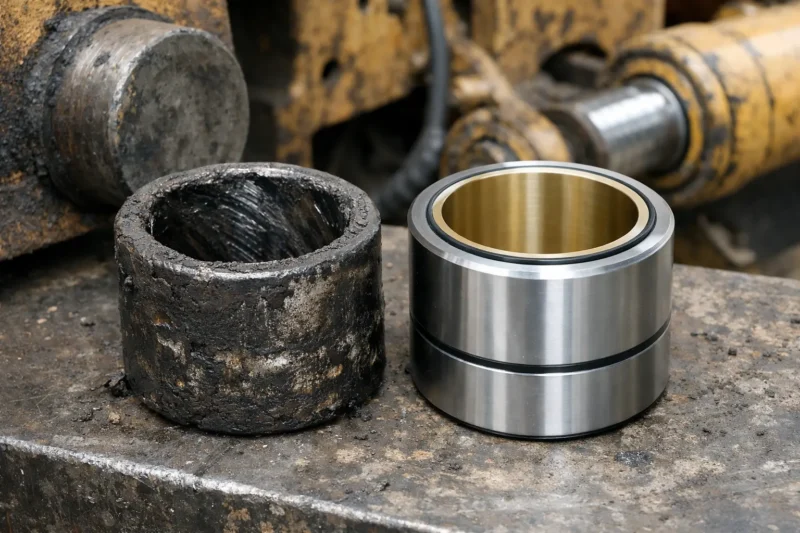
After load and speed, the next questions we ask are about the world the bushing will live in. A perfect material for a clean, dry factory floor will fail instantly in a wet or dusty field. Forgetting the environment is one of the most common reasons for early bushing failure. We have to consider both the surrounding elements and whether or not the bushing can be maintained with lubricant.
The Impact of the Operating Environment
- Moisture and Chemicals: A standard steel-backed bushing will rust, period.[^3] If your equipment operates outdoors, in a wash-down area, or near chemicals, you need a material that can resist corrosion. For these cases, we immediately look at stainless steel-backed composite bushings or even solid engineering plastic bushings. They simply don't rust. I remember a client in the food processing industry who had constant failures until they switched to a stainless steel-backed PTFE bushing. The problem vanished overnight.
- Dust and Debris: Dust is not just dirt; it's an abrasive.[^4] It gets into the small space between the shaft and the bushing and acts like sandpaper, grinding both parts down. A sealed design can help, but a better approach is to use a material that can handle it. Some polymer composite materials can actually embed small particles, taking them out of the wear path.[^5]
To Lubricate or Not to Lubricate?
- Lubricated Systems: If your design has grease fittings and a maintenance schedule, your options open up. Traditional wrapped bronze bushings with oil grooves are a great choice.[^6] They are strong, reliable, and cost-effective. The grooves are designed to hold and distribute grease, creating a protective film that handles high loads.[^7]
- Maintenance-Free Systems: For applications where lubrication is impossible, dangerous, or just not wanted, a self-lubricating bushing is the only real choice. This is where materials like our metal-polymer composite bushings (with a PTFE layer) shine.[^8] The bearing surface provides its own lubrication for its entire life. Sintered bronze and graphite-plugged bushings are also excellent maintenance-free solutions.
Is a Cheaper Material Really More Cost-Effective?
To save money on your project, you pick the cheapest bushing available. But this decision backfires with frequent breakdowns and rising warranty and maintenance costs. Let's explore a smarter way to manage your budget.
No, a cheaper material is often more expensive in the long run. While the initial purchase price is lower, a poor material choice leads to premature wear, equipment downtime, and high labor costs for replacement. The true cost includes maintenance and lost production.

As a manufacturer, I see buyers focus on the unit price every single day. They might try to save ten cents on a bushing, and I understand the pressure to lower costs. But the bushing itself is almost never the most expensive part of a failure. The real cost—the one that hurts your business—is the cost of downtime and replacement. We always encourage our partners to think about the Total Cost of Ownership (TCO), not just the upfront price.
Understanding Total Cost of Ownership (TCO)
The TCO includes everything. It is the initial purchase price plus the cost of installation, the cost of any required maintenance (like greasing), and, most importantly, the cost of failure. A failure includes the cost of a new part, the labor to replace it, and the money lost while your machine is out of service. A bushing that costs $2 but lasts for 5,000 hours is far cheaper than a $1 bushing that fails after 500 hours and requires ten replacements and ten service calls.
A Practical Comparison
Imagine you are building agricultural equipment. You have two choices for a pivot point.
- Option A: A simple steel bushing for $0.50.
- Option B: A self-lubricating composite bushing for $1.50.
The purchasing manager chooses Option A to save $1 per unit. But the steel bushing needs to be greased every week, and in the dusty field, it wears out and needs replacement every year. The farmer loses a day of work during a critical season.[^9] Option B, the composite bushing, requires no maintenance and lasts for the five-year life of the joint. That initial $1 savings just cost the end customer hundreds of dollars in lost time and repairs, which ultimately damages the equipment brand's reputation.
| Cost Factor | Option A: Cheap, Mismatched Bushing | Option B: Suitable, Correct Bushing |
|---|---|---|
| Unit Price | $0.50 | $1.50 |
| Service Life | 500 hours | 2,500+ hours |
| Replacements Needed | 4+ | 0 |
| Maintenance | Regular Greasing Required | None Required |
| Total Cost (over 2,500 hrs) | High (Unit cost + labor + downtime) | Low (Just the initial unit cost) |
Conclusion
Choosing the right bushing is not about price. It's about matching the material to your specific application to ensure reliability, reduce downtime, and lower your total ownership cost.
[^1]: "[PDF] Little things that make big differences in bushing friction", http://research.me.udel.edu/~dlburris/papers/JA24.pdf. This source provides a technical explanation of how load and speed influence pressure and friction in bushing applications. Evidence role: mechanism; source type: education. Supports: Load and speed are critical factors that determine the pressure and friction a bushing must handle.. [^2]: "[PDF] ME 449/549 Measurement of Pressure and Velocity", https://web.cecs.pdx.edu/~gerry/class/ME449/lectures/pdf/pressureVelocityOutline.pdf. This source explains the significance of PV value in determining the operational demands on bushing materials. Evidence role: definition; source type: education. Supports: A high PV value indicates increased operational demands on bushing materials.. [^3]: "Influence of Rust Layer on Corrosion-Critical Humidity in Outdoor ...", https://pmc.ncbi.nlm.nih.gov/articles/PMC12113476/. This source explains the susceptibility of steel-backed bushings to rust in moist environments. Evidence role: mechanism; source type: education. Supports: Steel-backed bushings are prone to rust in moist environments.. [^4]: "[PDF] Protecting Workers from the Hazards of Abrasive Blasting Materials", https://www.osha.gov/sites/default/files/publications/OSHA3697.pdf. This source discusses how dust acts as an abrasive in mechanical systems, leading to wear and tear. Evidence role: mechanism; source type: research. Supports: Dust acts as an abrasive in mechanical systems, contributing to wear and tear.. [^5]: "Anti-Wear and Anti-Erosive Properties of Polymers and Their Hybrid ...", https://pmc.ncbi.nlm.nih.gov/articles/PMC9268736/. This source discusses the ability of certain polymer composites to embed particles and reduce wear. Evidence role: mechanism; source type: research. Supports: Certain polymer composites can embed particles, reducing wear in mechanical systems.. [^6]: "Advantages Of Using Wrapped Bronze Bearings in Industrial ...", https://www.jxtisens.com/news/advantages-of-using-wrapped-bronze-bearings-in-72743416.html. This source explains the advantages of traditional wrapped bronze bushings with oil grooves in lubricated systems. Evidence role: general_support; source type: education. Supports: Traditional wrapped bronze bushings with oil grooves are effective in lubricated systems.. [^7]: "Methods of Formation of Protective Inhibited Polymer Films on ...", https://pmc.ncbi.nlm.nih.gov/articles/PMC10572897/. This source explains how grease grooves in bushings function to distribute lubrication and handle high loads. Evidence role: mechanism; source type: education. Supports: Grease grooves in bushings are designed to hold and distribute lubrication, forming a protective film for high-load applications.. [^8]: "Why Choose Teflon Lined Bushings for High-Temperature ...", https://www.plainbushing.com/knowledge/why-choose-teflon-lined-bushings-for-high-temperature-applications. This source highlights the benefits of metal-polymer composite bushings with PTFE layers in maintenance-free systems. Evidence role: general_support; source type: research. Supports: Metal-polymer composite bushings with PTFE layers are beneficial in maintenance-free systems.. Scope note: The effectiveness of PTFE layers may depend on specific application conditions. [^9]: "The Impact of Environmental Degradation on Agricultural Crop ...", https://pmc.ncbi.nlm.nih.gov/articles/PMC12406087/. This source provides examples of how equipment downtime impacts agricultural productivity. Evidence role: case_reference; source type: institution. Supports: Equipment downtime during critical agricultural seasons leads to productivity losses.. Scope note: The example may not generalize to all agricultural scenarios.