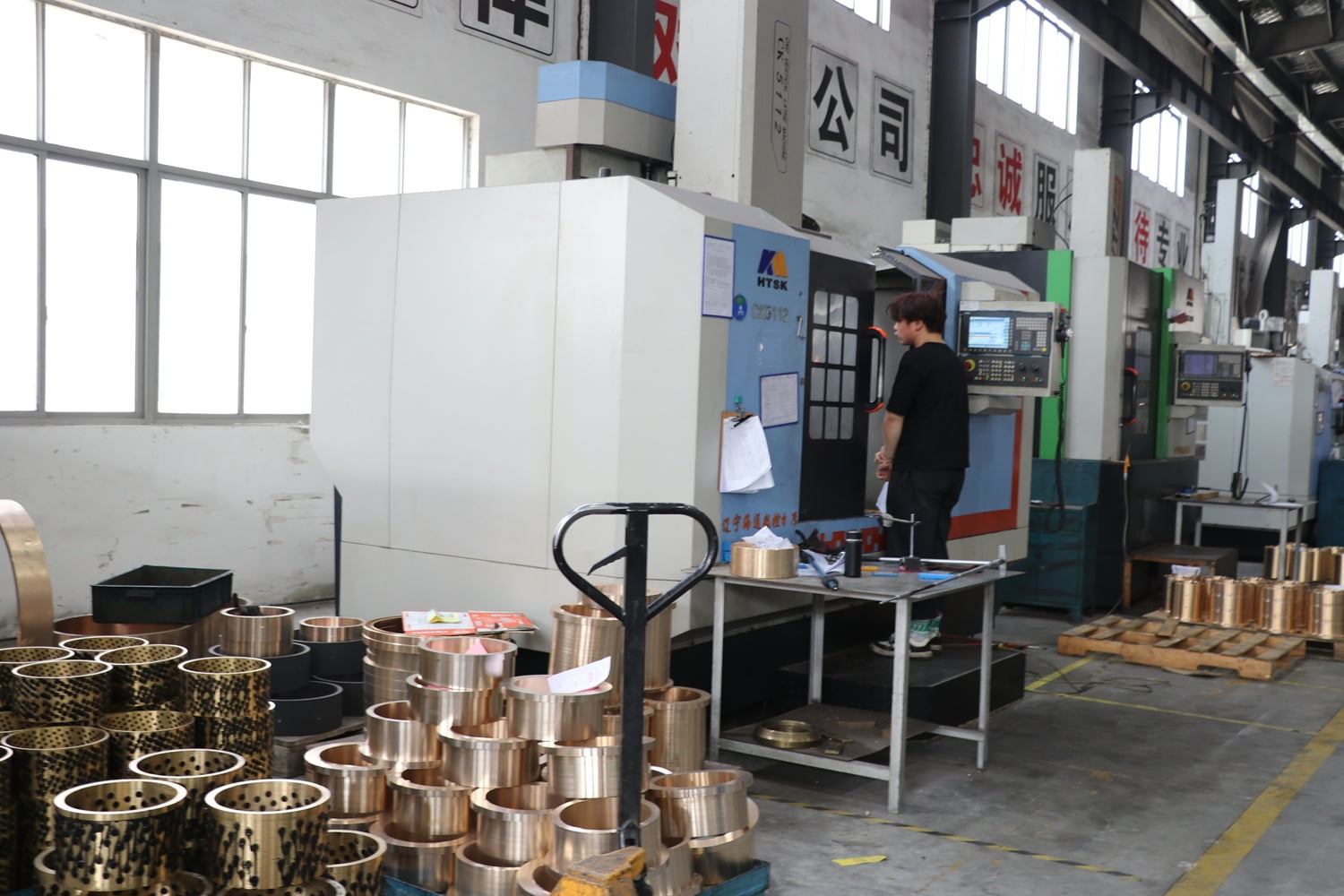
Choosing a new bushing supplier feels like a gamble. Relying on certificates alone can lead to disaster. I'll show you how to truly verify their capability for consistent mass production.
To truly verify a bushingsupplier, look beyond certificates. Focus on their ability to replicate quality from sample to mass production. Check their process controls, material traceability, and batch inspection records. This ensures you receive thousands of consistent parts, not just one perfect sample.
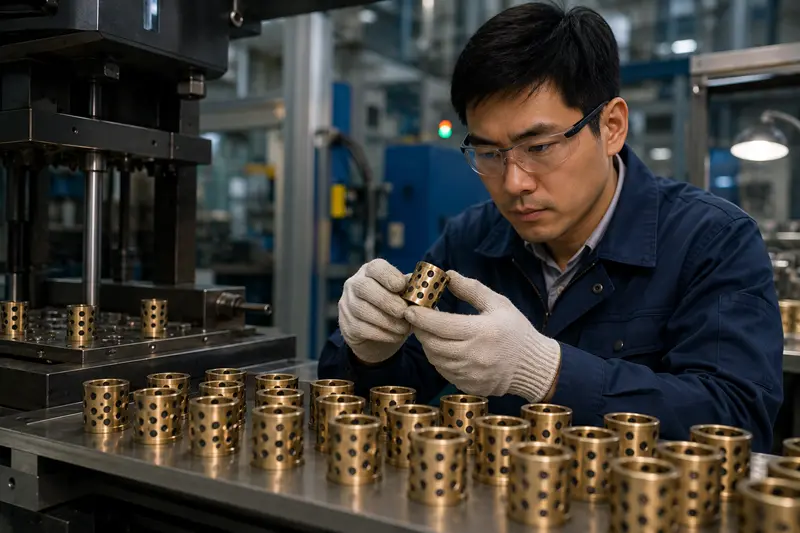
For years, I've seen buyers make the same mistake. They get a beautiful sample, check all the right boxes on paper—business license, ISO certificate, a long list of equipment—and then place a large order. A few months later, the problems start. The bushings from the bulk order don't fit right, wear out too quickly, or cause assembly line headaches. They wonder, "What went wrong? The supplier seemed so professional." The truth is, they were looking at the wrong things. Let's break down what you should be looking at instead.
Do Certificates and Factory Photos Guarantee Quality?
You have a supplier's certificates and impressive factory photos. But these documents don't guarantee consistent quality in bulk orders. Let's see what they truly represent from a manufacturer's viewpoint.
Certificates and photos prove a supplier exists and has a basic system. However, they don't confirm their ability to consistently produce thousands of identical, high-quality bushings. True reliability comes from proven process control and batch consistency, not just paperwork or a clean workshop.
As a manufacturer, I know that paperwork is just the first step. A business license and an ISO 9001 certificate are important. They filter out fraudulent traders and show that a company has at least documented a quality system. But a document doesn't run a machine. A photo of a modern CNC machine doesn't tell you if it's calibrated correctly or if the operator is skilled. These things only prove that a supplier exists and has some infrastructure. They do not prove they have the capability to deliver what you need, month after month. The real risk lies in what these documents can't show you. A supplier can have a perfect system on paper but fail to follow it on the factory floor when production gets busy.[^1] That's why you have to dig deeper than the surface-level documents.
| Verification Method | What It Proves (Surface Level) | What It Doesn't Prove (The Real Risk) |
|---|---|---|
| Business License | Legal existence | Manufacturing expertise or ethics |
| ISO 9001 Certificate | A quality system is documented | Consistent execution and process control |
| Factory Photos | They have a facility & machines | Machine calibration, maintenance, skill |
| Equipment List | They own equipment | The ability to use it effectively for your part |
How to Test a Supplier's Real Production Capability?
The sample you received is perfect. But can the supplier produce 10,000 more exactly like it? Betting on a single sample is risky. Here's how to check their real capabilities.
To test real capability, ask for batch inspection reports, not just samples. Inquire about their process for controlling key dimensions like concentricity and roughness. Also, check if they maintain batch records for traceability. This proves they have a system for consistency, not just for making one-offs.
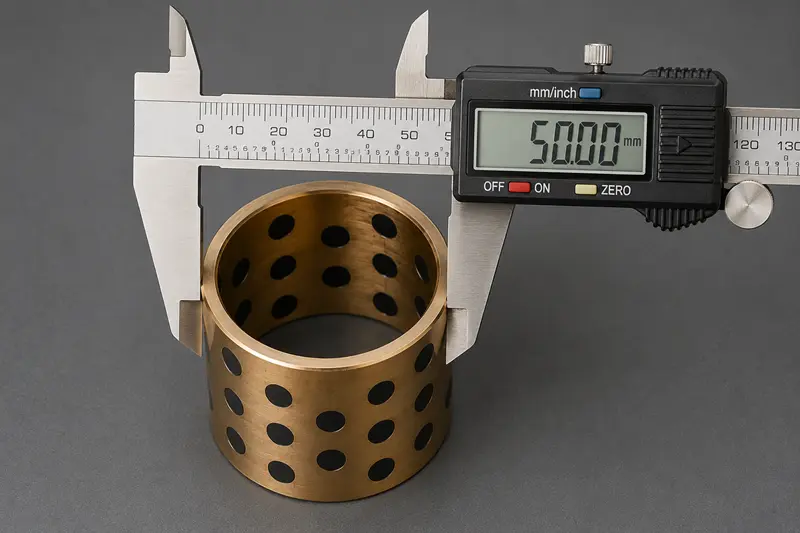
The single biggest mistake a buyer can make is to approve a supplier based on a few "perfect" samples. Anyone can spend extra time and effort to make a few beautiful parts. The real challenge is making thousands of them to the same standard. This is where process control comes in. To verify this, you need to ask the right questions and look for specific evidence. Think of yourself as an auditor, not just a customer. Your goal is to verify their ability to replicate quality, not just create it once. Instead of just accepting their hand-picked samples, consider placing a small trial order. Then, you can randomly inspect parts from that batch yourself. This gives you a much more honest look at their average production quality.
Material and Dimensional Control
First, ask for proof of materials. Can they provide a material composition report or a certificate of hardness for the raw materials they use? This is non-negotiable. Next, ask about their dimensional inspection capabilities.[^2] Do they have the proper equipment to measure critical tolerances like inner and outer diameter, roundness, concentricity, and surface roughness? A professional factory should be able to show you their CMM reports or profilometer readings.
Production Process and Control Methods
A good supplier isn't afraid to explain their process. Ask them to walk you through the key manufacturing steps for your bushing. Whether it's stamping, rolling, sintering, or machining, they should be able to explain how they control each stage. For example, how do they ensure the seam on a rolled bushing is strong? How do they control the density of a sintered part? Their answers will reveal their level of expertise.
Batch Records and Traceability
This is critical for any OEM or long-term project. Ask the supplier if they use a batch tracking system. If you find a defective part six months from now, can they trace it back to the specific production run and raw material coil? Ask to see an example of a batch record or a final inspection report. This demonstrates that they have a system in place to manage quality over time and troubleshoot problems effectively. A supplier without traceability is a major red flag.
Why Does Your Supplier Need to Understand Your Application?
Your supplier made the bushing exactly to your drawing. But a dimensionally perfect part can still fail if the application isn't understood. Let’s see why this dialogue is so important.
A supplier who understands your application can identify risks your drawing might miss. They'll ask about load, speed, and temperature to ensure the material and design are truly suitable. This proactive approach prevents costly failures and proves they are a partner, not just an order-taker.
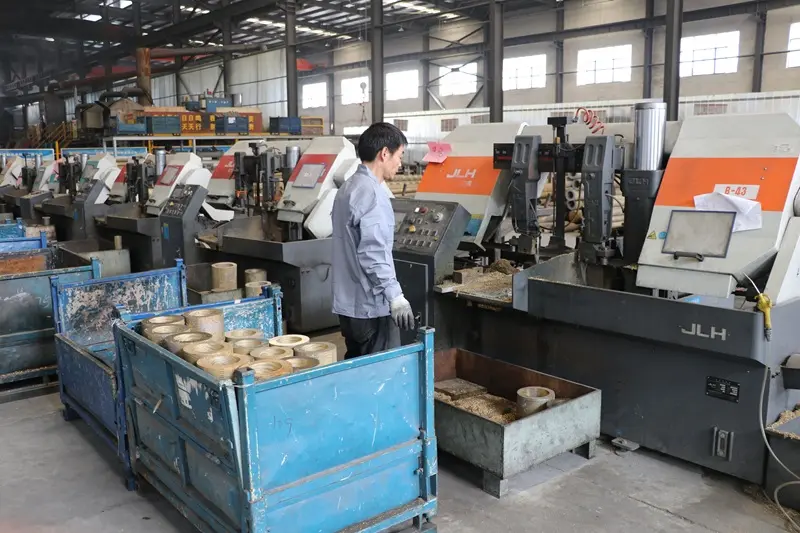
Imagine you send a drawing to two suppliers. Supplier A replies, "Got it. Price is X, lead time is Y." Supplier B replies, "Got it. To ensure this works, can you tell me about the load, speed, and operating environment? What is the mating shaft's material and hardness?" Which supplier gives you more confidence? Supplier B is acting like a partner, not just an order-taker. They are using their expertise to prevent a potential failure. A bushing that is dimensionally correct but made from the wrong material for the application will fail. A supplier who only asks for a drawing and quantity is a risk. They are putting all the responsibility on you. A true manufacturing partner works with you to ensure the part is not just made right, but is the right part for the job. This is especially true for something as critical as press-fit clearance, where the bushing's inner diameter changes after installation.
| Application Factor | Why It Matters for a Bushing |
|---|---|
| Load & Speed (PV) | Determines the required material strength and wear resistance. High PV might need a different material. |
| Lubrication | Affects material choice (self-lubricating vs. greaseable) and design (oil grooves). |
| Temperature | Materials expand and contract. High temps can affect clearance and material integrity. |
| Mating Shaft | Hardness and roughness of the shaft impact the life and performance of the bushing. |
| Press-fit | The supplier must account for the ID reduction after press-fitting to ensure correct running clearance. |
Conclusion
True supplier verification goes beyond paperwork. Focus on their process for consistent mass production, traceability, and application knowledge. This ensures long-term reliability for your projects.
[^1]: "Supplier Quality Management Procedure Problems", https://kiuey.com/supplier-quality-management-procedure-problems/. This source discusses the challenges suppliers face in maintaining quality during high production demands. Evidence role: mechanism; source type: research. Supports: A supplier can have a perfect system on paper but fail to follow it on the factory floor when production gets busy.. Scope note: The source may not specifically address bushing production but focuses on general manufacturing practices. [^2]: "A Comprehensive Guide to Dimensional Inspection", https://safetyculture.com/topics/dimensional-inspection. This source outlines the role of dimensional inspection in maintaining manufacturing quality. Evidence role: mechanism; source type: research. Supports: ask about their dimensional inspection capabilities.. Scope note: The source may not specifically address dimensional inspection for bushings.