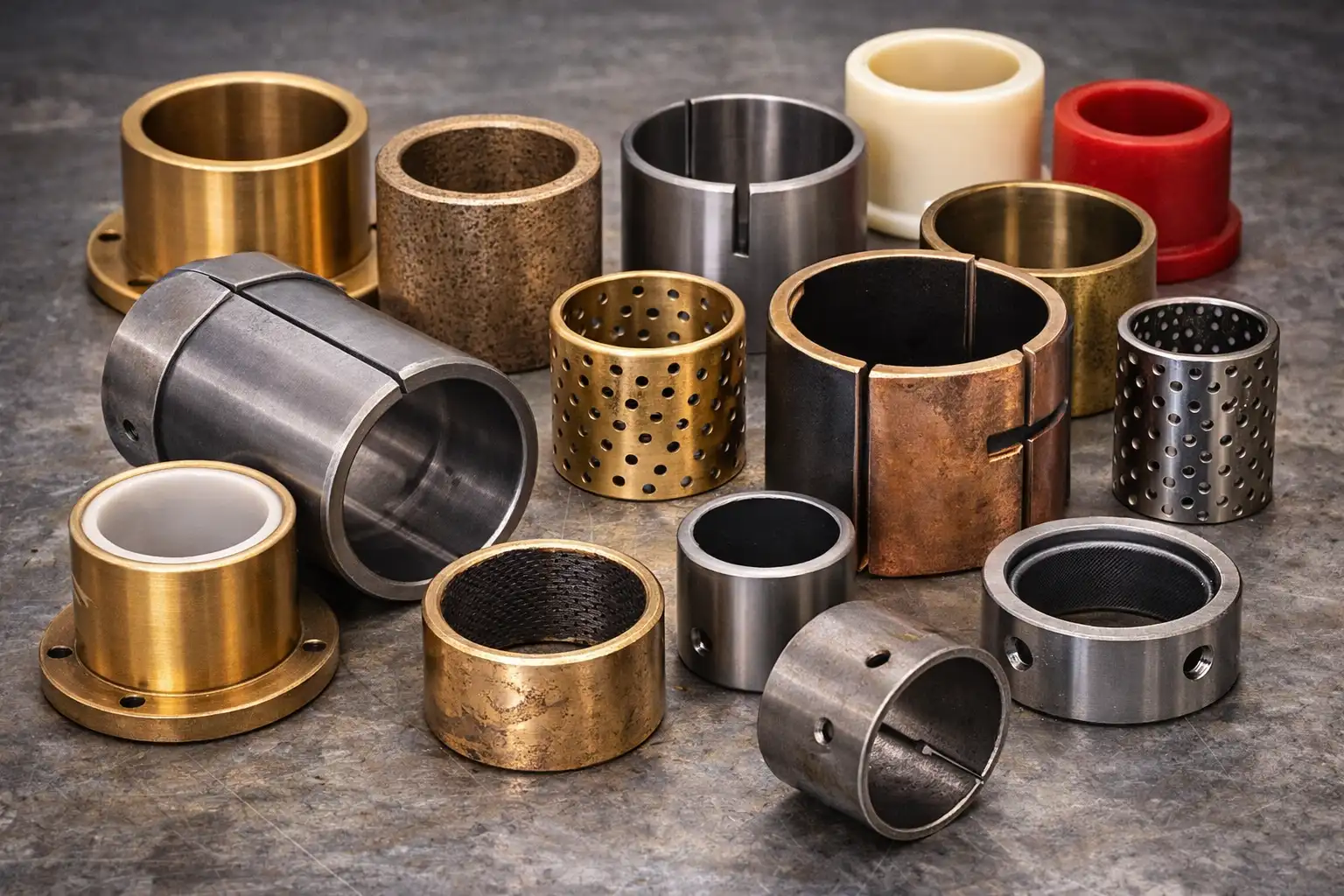
Tired of messy maintenance and costly downtime from greasing bearings? Imagine a bearing that lubricates itself. Self-lubricating bearings make this a reality, simplifying your equipment design and operation.
Self-lubricating bearings[^1] don't need external lubrication because the lubricant is already part of their material structure. As the bearing operates, this built-in lubricant is automatically released at the friction surface, providing continuous, maintenance-free performance[^2] throughout its entire service life.
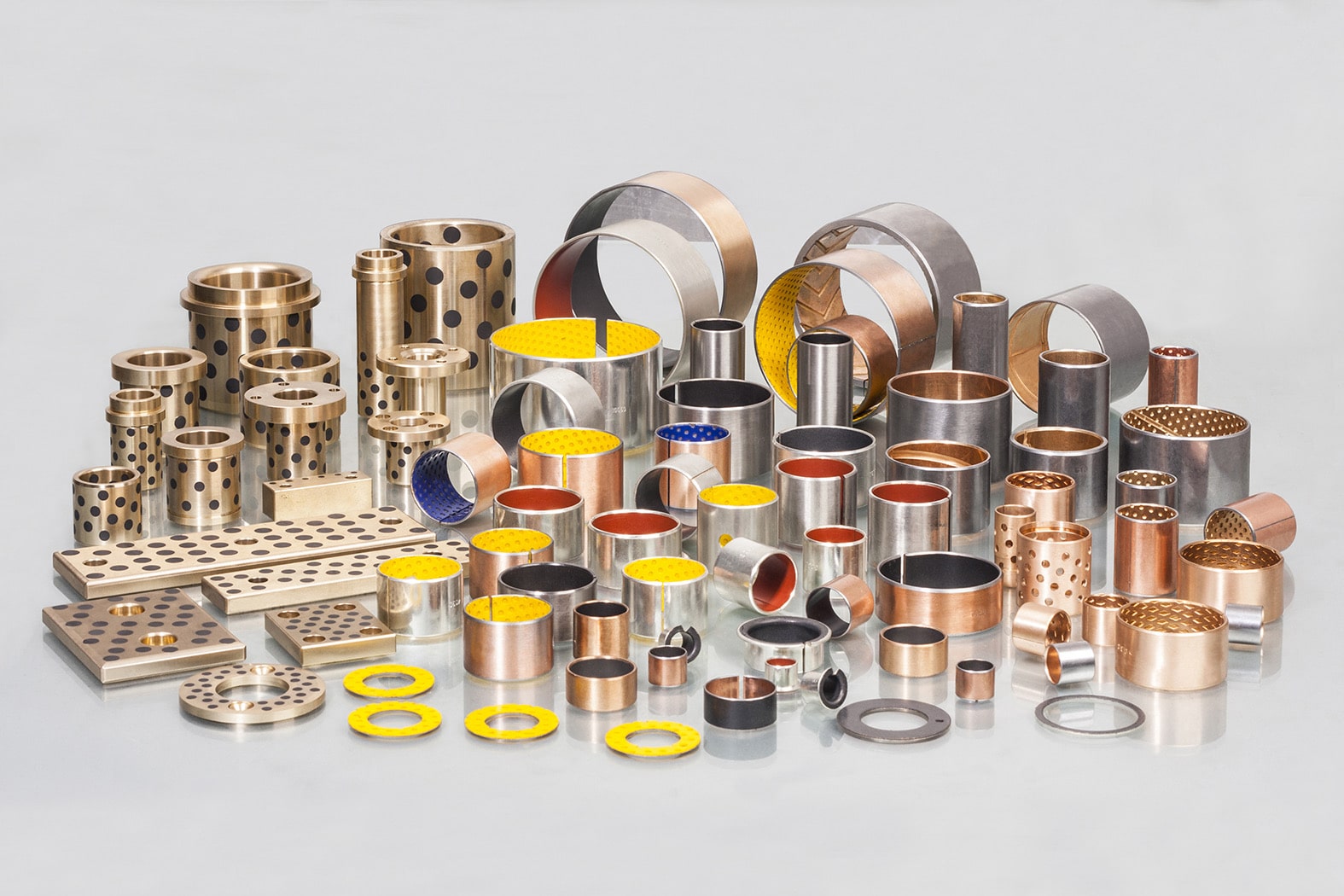
It sounds almost like magic, doesn't it? But it's all down to clever material science. I've spent years in our factory watching these bearings being made, and the technology is fascinating. It’s not just one type of magic, though; there are several different ways these bearings achieve this self-lubricating property. Let’s break down the most common types we manufacture, so you can see exactly how it works and choose the right one for your application.
How Do PTFE Composite Bushings (SF-1) Work Without Any Oil?
Need a bearing for a clean, oil-free application? Traditional grease can cause contamination. PTFE composite bushings[^3] solve this by providing completely dry, self-lubricating performance from within the material.
PTFE composite bushings work without oil because they have a low-friction PTFE surface layer. During operation, a thin film of this material transfers to the mating shaft. The resulting friction is between two PTFE surfaces, which is extremely low and requires no external lubricant.
The Three-Layer Structure
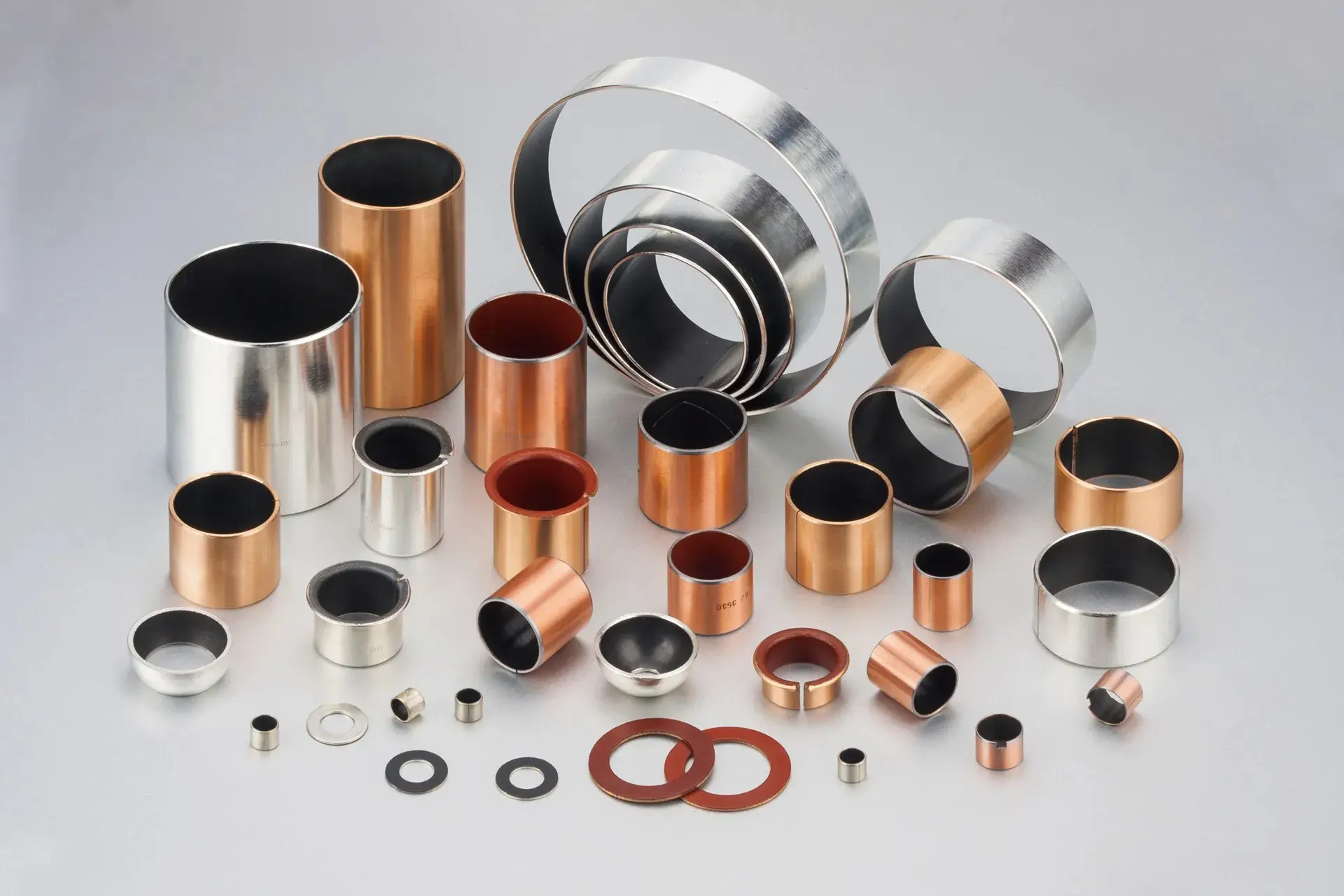
The secret to this type of bearing is its multi-layer construction. From the outside in, it’s a very robust and well-engineered system. It starts with a strong steel backing that provides structural integrity and allows it to be press-fit securely. Bonded to that is a middle layer of porous bronze. This bronze layer does two things: it helps dissipate heat and, most importantly, it acts like a strong anchor for the final, innermost layer. This top layer is a compound made of PTFE (the same material in non-stick pans) and other fillers. This is the layer that comes in contact with the shaft.
The Magic of the Transfer Film
Here’s where the real magic happens. When you first run a machine with these bearings, a tiny amount of the PTFE mixture from the surface layer gets wiped onto the rotating shaft. This creates an incredibly thin, smooth, and slick "transfer film[^4]" on the shaft's surface. From that moment on, the PTFE surface of the bearing is no longer rubbing against a steel shaft. Instead, it's sliding against its own transferred PTFE film. The friction between two PTFE surfaces is exceptionally low. This is why it works perfectly without a single drop of oil or grease. It's a brilliant, simple concept that we see deliver incredible reliability for our OEM clients every day, especially in industries where cleanliness is critical.
| Layer | Material | Function |
|---|---|---|
| Outer Layer | Steel | Provides mechanical strength and support. |
| Middle Layer | Porous Bronze | Bonds the layers and dissipates heat. |
| Inner Layer | PTFE + Fillers | Provides the low-friction, self-lubricating surface. |
What Makes POM Composite Bushings (SF-2) 'Marginally Lubricated'?
Facing high loads but want to avoid constant greasing? Purely dry bearings might not be enough. POM composite bushings offer a great solution, needing only one initial lubrication for long life.
POM composite bushings are 'marginally lubricated' because they combine a wear-resistant POM plastic surface with special grease-retaining pockets[^5]. You apply grease once during installation, and these pockets store and distribute it over a long period, drastically reducing maintenance.
Designed for Grease Retention
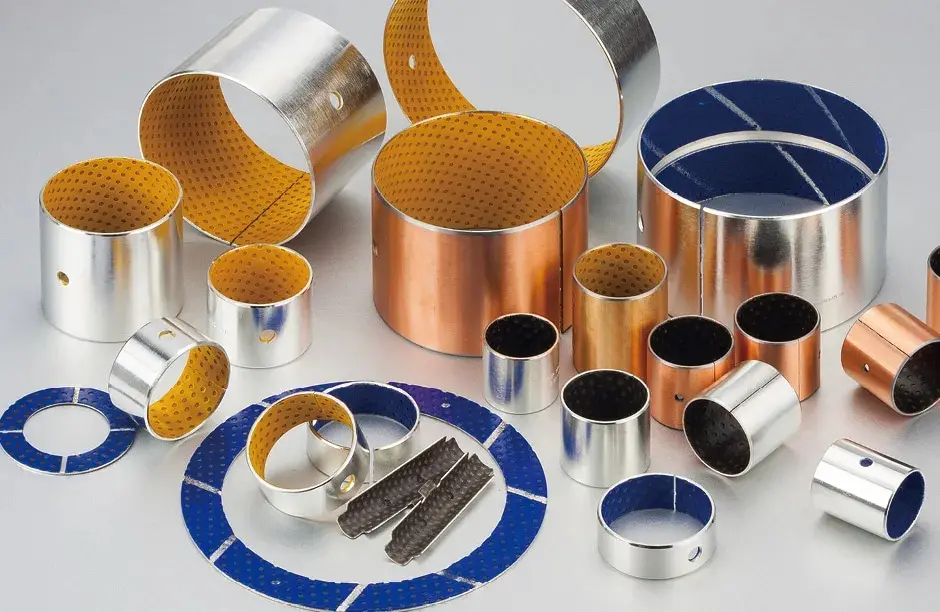
These bearings are the perfect middle ground. They have a similar steel and bronze structure to the PTFE type, but the surface layer is different. Instead of PTFE, it uses a very tough and wear-resistant plastic called POM (Polyoxymethylene). What's special about this POM layer is that we manufacture it with a pattern of small indentations or pockets across the entire surface. These pockets are not there by accident; they are specifically designed to act as reservoirs for grease. When you assemble your equipment, you pack these bearings with grease just once. The pockets hold that grease and slowly release it over a very long operational life, ensuring the surface is always lubricated.
When to Choose POM Bushings
This 'fit-and-forget' approach makes these bearings ideal for applications that are a bit more demanding than what a completely dry bearing can handle. Think of agricultural equipment, construction machinery, or automotive suspensions. These are places with higher loads, potential for shock and vibration, and exposure to dirt. The stored grease provides an extra layer of protection and load-carrying capacity that a dry bearing might lack. It’s not maintenance-free in the same way a PTFE bearing is, but it reduces maintenance from a frequent task to a one-time event during assembly for most of its service life. It gives you the best of both worlds: high performance and extremely low maintenance requirements.
| Feature | PTFE Bushing (SF-1) | POM Bushing (SF-2) |
|---|---|---|
| Lubrication Type | Completely Dry (Oil-Free) | Marginally Lubricated (Initial Greasing) |
| Surface Material | PTFE Compound | POM with Grease Pockets |
| Best For | Lower loads, clean environments | Higher loads, shock, dirt exposure |
| Maintenance | None | One-time grease at assembly |
Why Don't Sintered Bronze Bushings Need Refilling With Oil?
Searching for a classic, proven self-lubricating solution? You need something simple and reliable for your equipment. Sintered bronze bushings are the original oil-impregnated bearings that deliver exactly that.
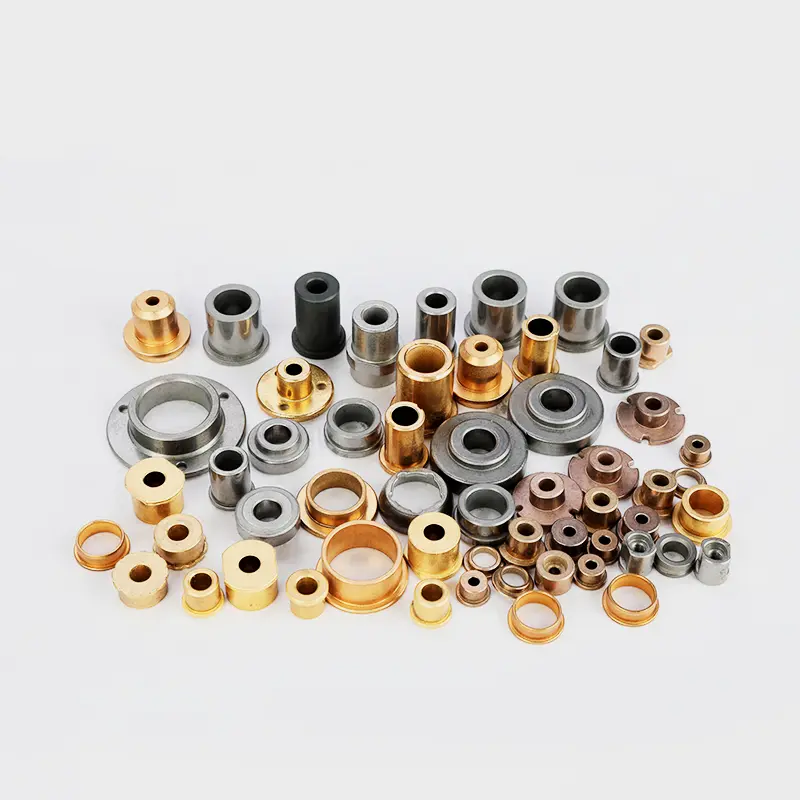
Sintered bronze bushings don't need refilling because their structure is like a metal sponge. During manufacturing, they are saturated with oil that fills millions of tiny pores. In operation, heat and motion draw the oil out to lubricate, and it's reabsorbed when stopped.
A Metal Sponge Filled with Oil
This technology is one of my personal favorites because it’s so elegantly simple. We start with very fine bronze powder, which we press into the shape of a bushing using high pressure. Then, we heat these pressed parts in a special furnace in a process called sintering. The heat fuses the bronze particles together, creating a solid, strong part. However, it intentionally leaves a network of microscopic pores and channels throughout the entire structure. This porosity is key—the final part is essentially a metal sponge. The last step in our factory is to place these bushings in a vacuum chamber and immerse them in high-quality lubricating oil. The vacuum pulls all the air out of the pores, and the oil is drawn deep inside, completely saturating the bearing.
The Self-Regulating Lubrication Cycle
This oil-filled sponge is what makes the bearing self-lubricating for life. When the bearing is put into operation, two things happen. The rotation of the shaft and the slight heat generated by friction cause the oil to expand and seep out of the pores onto the bearing surface. This creates a perfect hydrodynamic film that lubricates the shaft. When the machine stops and the bearing cools down, capillary action draws the oil from the surface back into the pores of the bronze sponge. It’s a completely closed-loop, self-regulating system. The bearing releases just enough oil when it's needed and reclaims it when it's not. This is why you see these bearings used in millions of small electric motors, fans, and household appliances—they just work, quietly and reliably, for years without any intervention.
How Do I Choose the Right Self-Lubricating Bearing for My Machine?
Feeling confused by all the self-lubricating bearing options? Choosing the wrong one can cause early failure and costly redesigns. Let's quickly compare them so you can select the perfect fit.
Choose PTFE (SF-1) for oil-free, lower-load applications. Select POM (SF-2) for higher loads where initial greasing is acceptable. Use Sintered Bronze for general-purpose, cost-effective applications like electric motors where consistent oil lubrication is ideal. Each has a specific strength.
Matching the Bearing to the Job
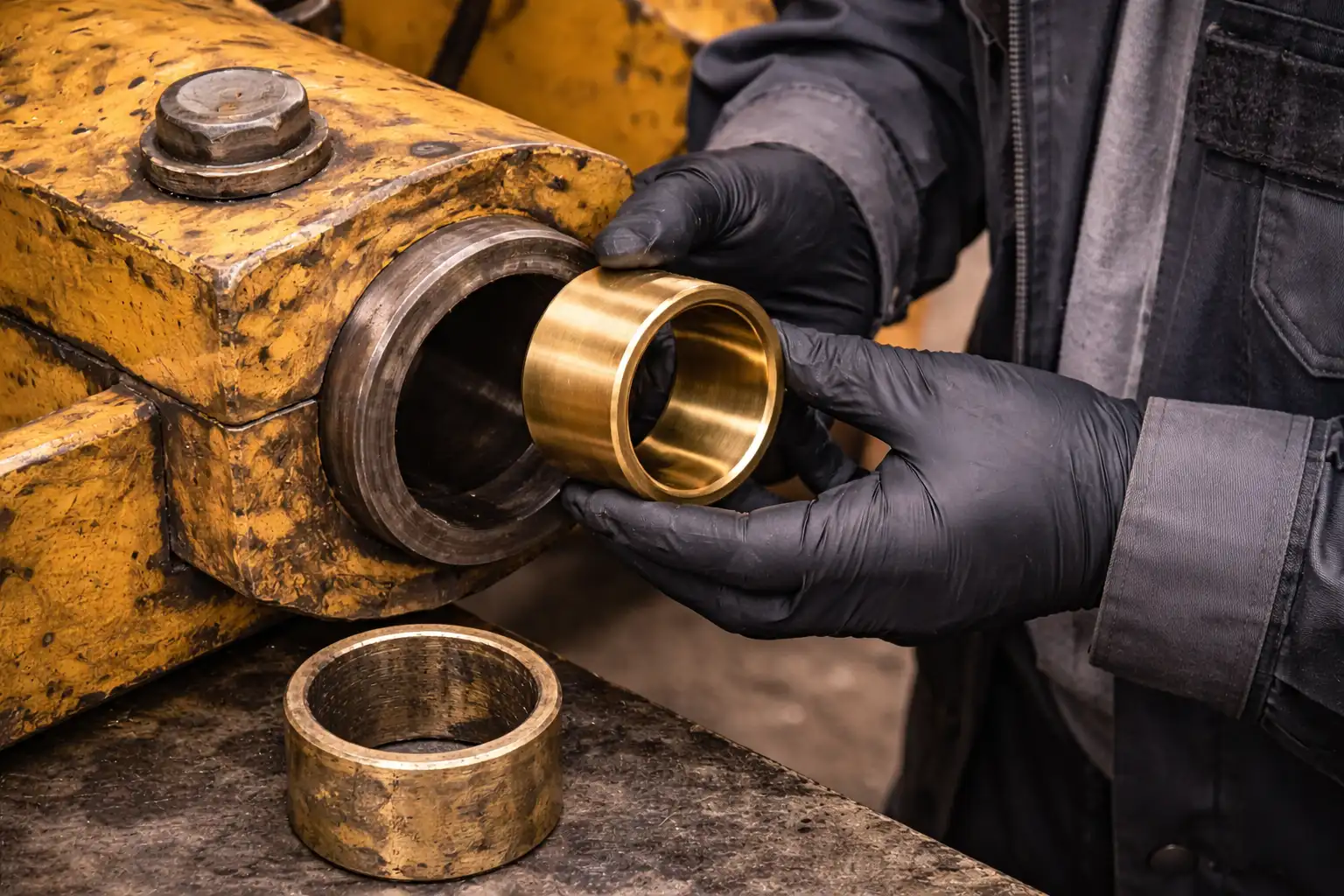
As a manufacturer, we help our clients make this decision every single day. Getting it right is crucial for the performance, reliability, and service life of your equipment. The choice usually comes down to answering a few key questions about your specific application. What are the loads and speeds involved? Is the operating environment sensitive to oil, or is it dusty and dirty? What are the temperature ranges? For instance, a client in the food processing industry will almost always need our SF-1 PTFE bearings because they must be completely dry and clean. On the other hand, for a company building heavy agricultural machinery, the SF-2 POM bearings are a fantastic choice. They handle high shock loads and dirt after just one initial greasing.
Key Decision Factors
And for the millions of small electric motors, office equipment, and home appliances produced globally, the classic sintered bronze bearing is often the undisputed champion. It provides reliable, consistent oil lubrication in a very cost-effective package. Thinking through these factors will quickly point you toward the ideal solution for your needs. There is no single "best" bearing, only the bearing that is best for your specific job.
| Factor | PTFE Composite (SF-1) | POM Composite (SF-2) | Sintered Bronze |
|---|---|---|---|
| Load Capacity | Moderate | High | Moderate |
| Speed Limit | Low to Moderate | Low to Moderate | High |
| Lubrication | 100% Dry / Oil-Free | Initial Grease Required | Oil Impregnated |
| Environment | Clean, Food-Safe | Dirty, Harsh | General Purpose |
| Typical Use | Office machines, food processing | Agriculture, construction | Electric motors, fans |
Conclusion
Self-lubricating bearings work by having lubricant built into their material. This eliminates external greasing, reduces maintenance, and simplifies your overall machine design, saving you time and money.
[^1]: Explore the mechanics behind self-lubricating bearings to understand their benefits and applications. [^2]: Understand the significance of maintenance-free performance in extending the life of machinery. [^3]: Learn about PTFE composite bushings and their unique oil-free lubrication technology. [^4]: Explore the concept of transfer film and its role in reducing friction in bearings. [^5]: Learn how grease-retaining pockets in POM bushings improve lubrication and reduce maintenance.