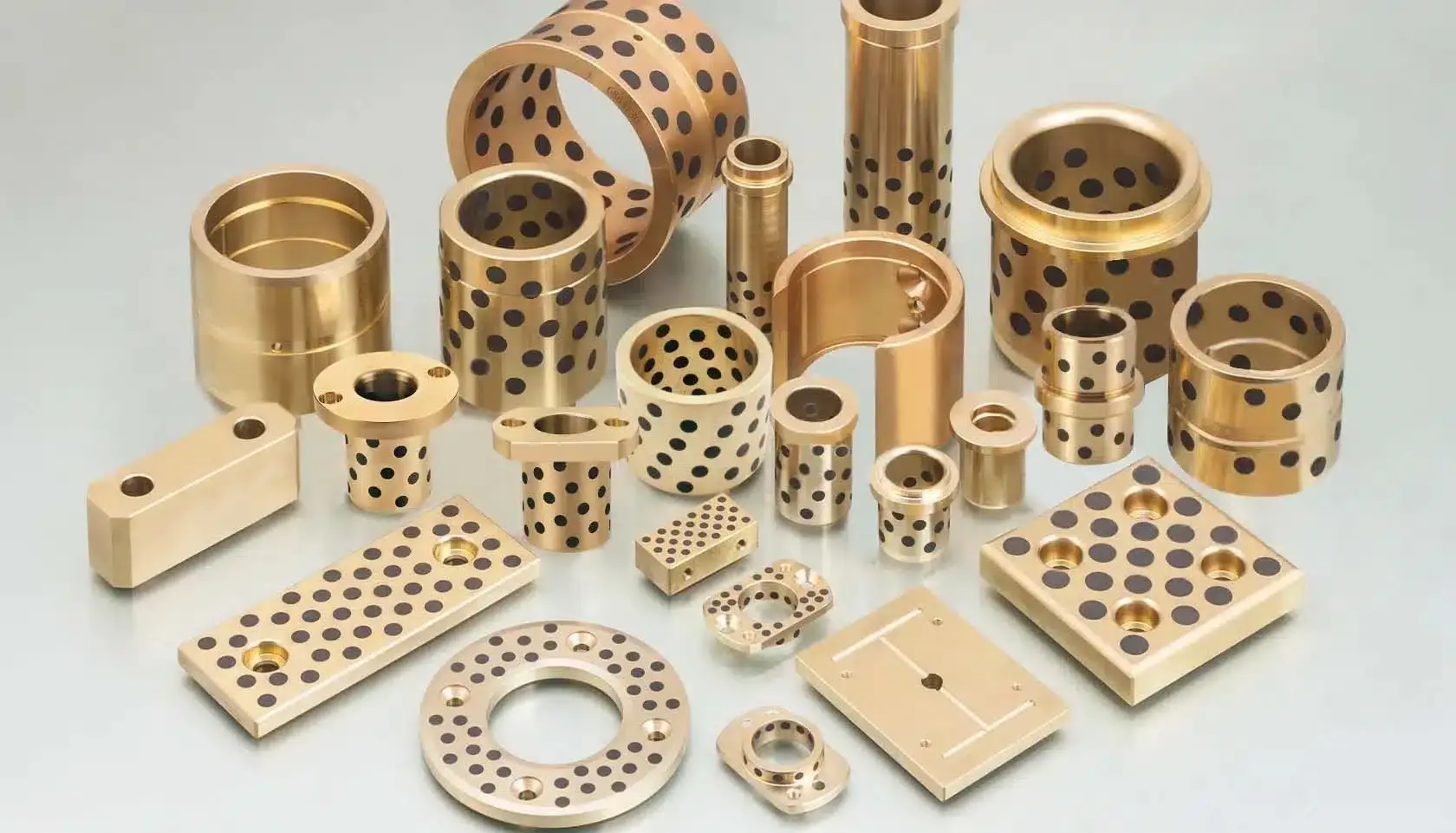
Struggling with bushings that need constant oiling in heavy-duty machines? There's a self-lubricating solution[^1] that eliminates maintenance. Let me show you how we make it in our factory.
Graphite plugged bushings are made by machining a metal base, drilling holes, inserting solid graphite plugs, and finishing the surface. This embedded graphite provides continuous self-lubrication for heavy-load, low-speed applications, making them incredibly reliable.
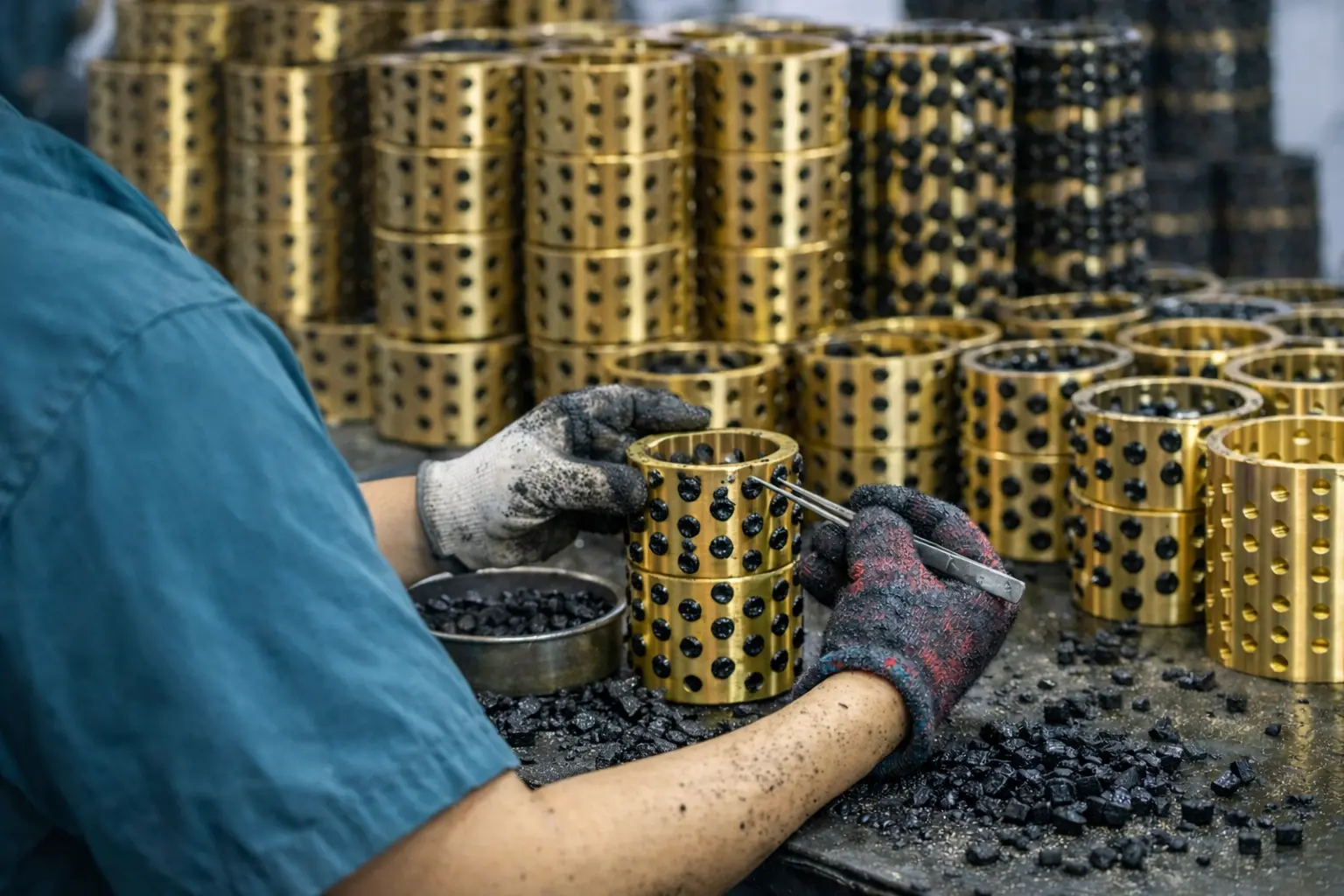
These components are a game-changer for equipment that operates in tough conditions. As a manufacturer, I've seen firsthand how a well-made graphite bushing can solve major maintenance headaches for our OEM clients. The process isn't overly complex, but getting each step right is what separates a reliable part from a premature failure. Let's walk through how we build these self-lubricating workhorses from raw metal to finished product.
What's the First Step in Making a High-Strength Bushing?
Choosing the wrong metal means your bushing will fail under pressure, causing costly downtime. But selecting the right alloy from the very beginning ensures reliability and a long service life.
The first and most critical step is selecting the base material. We choose high-strength alloys like high tensile brass, tin bronze[^2], or aluminum bronze[^3] based on the application's specific load and environmental conditions.
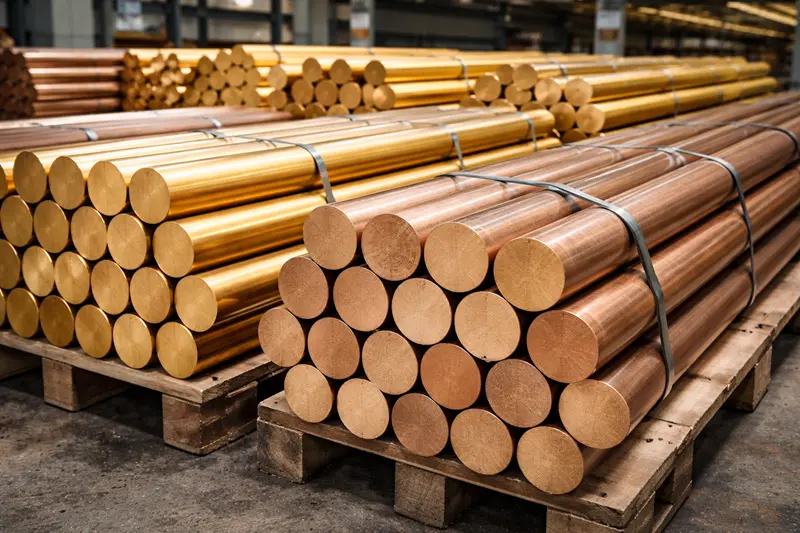
Everything starts with the metal base. This base provides the structural strength[^4] to handle heavy loads and impacts. The graphite provides the lubrication, but the metal does the heavy lifting. In our factory, the conversation with a client always begins here. We need to understand the working environment of the bushing. Is it dealing with extreme pressure? High impacts? Corrosive elements? The answers determine which alloy we use. For example, high tensile brass is a fantastic all-around choice for high-load applications. But if the bushing is going to be exposed to saltwater, we might recommend an aluminum bronze for its superior corrosion resistance. We don't just pick a material; we match it to the job.
Here’s a simple breakdown of the common materials we use:
| Base Material | Key Characteristics | Best For... |
|---|---|---|
| High Tensile Brass | Excellent strength, good wear resistance | Heavy machinery, construction equipment, general high-load use |
| Tin Bronze | Good anti-friction and anti-seizure properties | Bushings that need an extra layer of protection against galling |
| Aluminum Bronze | High strength, excellent corrosion resistance | Marine applications, chemical processing equipment, high-impact loads |
Choosing the right material is the foundation of a durable bushing. It's a non-negotiable first step for quality.
How Is the Bushing Prepared for Self-Lubrication?
A solid metal bushing won't lubricate itself. You need a way to add the lubricant. We machine precise patterns to hold the graphite exactly where it's needed for optimal performance.
First, the bushing is machined to its basic shape. Then, a precise pattern of holes or grooves is drilled into the surface. Finally, solid graphite plugs are mechanically pressed and locked into these holes.
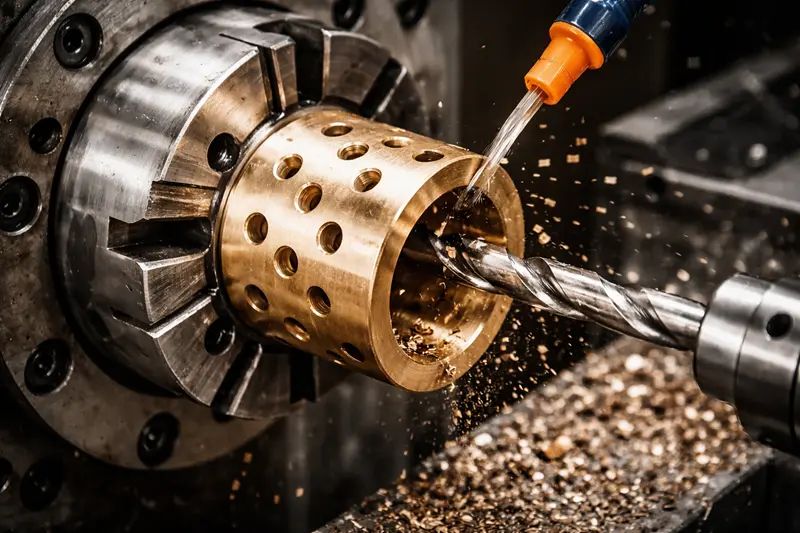
After selecting the metal, we move to the machining floor. Using CNC lathes and drills, we transform the raw metal bar stock into the basic shape of the bushing. This involves machining the inner diameter (ID), outer diameter (OD), and length to the client's exact specifications. If the design includes a flange for axial load support, we machine that as well.
Once the basic shape is formed, we perform the most important step for self-lubrication: creating the pockets for the graphite. We drill a specific pattern of holes across the bushing's surface. The design of this pattern is critical. It determines the lubrication coverage. We have to balance two things:
- Lubrication: We need enough graphite to create a stable lubricating film.
- Strength: We can't drill so many holes that we compromise the structural integrity of the metal base.
The hole pattern—whether it's linear, spiral, or another custom design—is engineered to ensure the entire contact surface is lubricated as the shaft rotates. After drilling, we press solid graphite plugs into the holes. We use a high-pressure press-fit method[^5] to ensure the graphite is locked in securely and won't fall out, even under heavy vibration and load. This mechanical bond is far more reliable than simply using glue.
Why Does a Graphite Bushing Work Without Any Oil?
The idea of a metal part lubricating itself can sound strange. It might leave you wondering if it really works in the real world. The secret is how the graphite creates a protective film.
It works because friction generates a small amount of heat, which causes the embedded graphite to transfer onto the shaft. This creates a solid, slippery lubricating film that separates the metal surfaces and prevents wear.
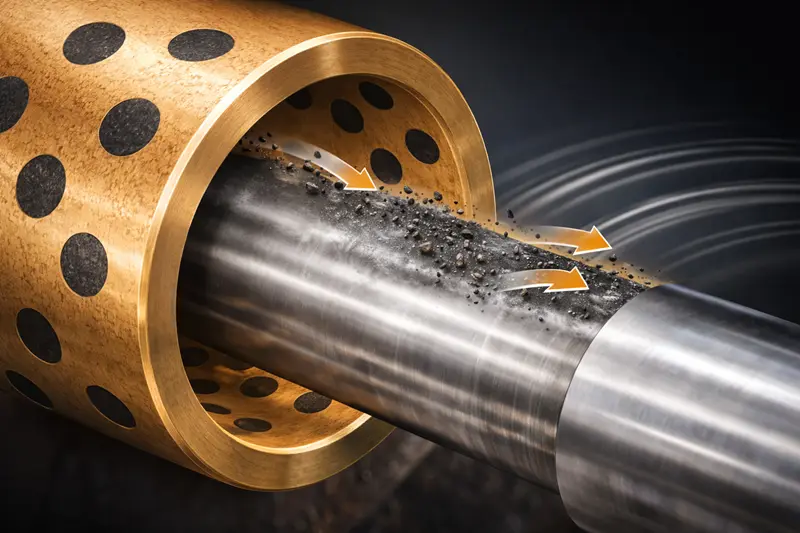
This is the part that fascinates our customers the most. The principle is simple yet very effective. When the machine starts and the shaft begins to rotate inside the bushing, there's initial micro-contact. This friction generates a tiny bit of localized heat. This heat is just enough to cause the graphite particles at the surface to transfer from the plugs onto the moving shaft.
Very quickly, a thin, solid, and very slippery film of graphite coats the shaft's surface. This film acts as a solid lubricant, physically separating the bushing's metal base from the shaft. Instead of metal-on-metal contact, you get graphite-on-metal contact, which has an extremely low coefficient of friction. This is why you don't need any oil or grease. The bushing provides its own continuous lubrication for its entire life. After the graphite is inserted, we perform a final finishing pass. We machine the inner diameter to a very tight tolerance and smooth surface finish. This ensures that the initial run-in period is smooth and helps the lubricating film establish itself perfectly from the first moment of operation.
What Really Separates a Good Graphite Bushing from a Bad One?
Two graphite bushings can look identical but perform completely differently. A cheap one might fail quickly, costing you more in the long run. The difference lies in the hidden manufacturing details.
The quality difference is in the details: optimal graphite distribution, high-purity base material, strong graphite bonding to prevent fallout, and precise machining for a perfect fit and long life. These details define reliability.
As a manufacturer, I can tell you that not all graphite bushings are created equal. The difference between a high-quality part and a low-quality one comes down to process control. Here are the things we focus on to guarantee performance for our OEM clients:
- Graphite Distribution: Too little graphite leads to dry spots and premature wear. Too much graphite weakens the bushing. We engineer the pattern to provide complete lubrication without sacrificing strength.
- Base Material Purity: We only use certified alloys. Low-cost, impure materials can have inconsistencies that lead to deformation or cracking under load.
- Graphite Bonding: If the graphite plugs fall out, the bushing fails. Our press-fitting technique ensures the plugs are mechanically locked in for life. We never use cheap glues or resins that can degrade over time.
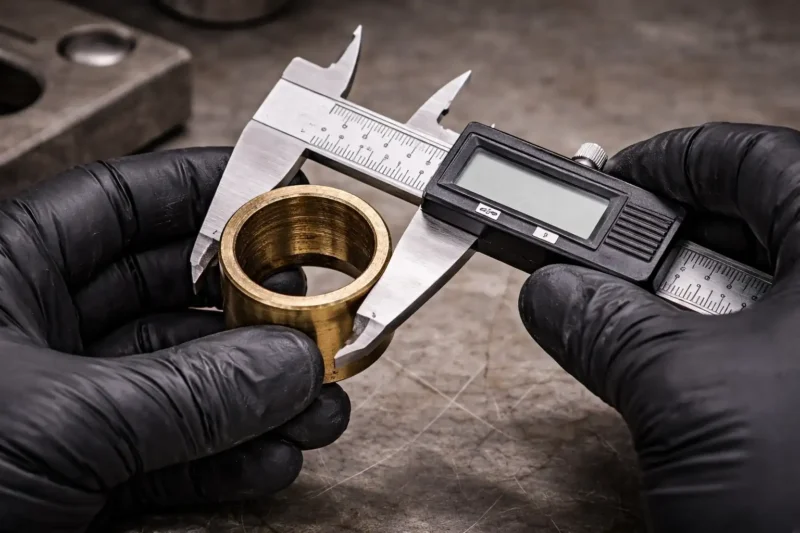
- Machining Accuracy: The final dimensions, especially the inner diameter tolerance, are critical. A precise fit ensures smooth operation, reduces noise, and maximizes the bushing's lifespan.
Because of this reliability, OEMs choose these bushings for their toughest jobs, such as in construction machinery joints, steel mill equipment, mold guide systems, and hydroelectric turbines. They are perfect for any spot that is hard to reach for regular greasing or operates in dusty, dirty, or high-temperature environments where liquid lubricants would fail.
Conclusion
From material selection to precision finishing, every step in making a graphite plugged bushing is designed for reliable, maintenance-free performance in your most demanding applications.
[^1]: Learn about self-lubricating solutions and how they can reduce maintenance in heavy-duty machinery. [^2]: Find out how tin bronze is used in bushings and its anti-friction properties. [^3]: Explore the corrosion resistance of aluminum bronze and its advantages in marine environments. [^4]: Learn about the factors that enhance the structural strength of bushings for durability. [^5]: Discover how the press-fit method ensures secure bonding of components in manufacturing.