Finding a reliable bushing supplier in China can be difficult. The lowest price often leads to quality issues, costing you more in the long run. Let's find your true partner.
To choose a bushing supplier in China, look beyond the price. Focus on their engineering capability to understand your application[^1], their ability to control tolerances consistently[^2], and their actual manufacturing depth. This ensures you get a partner who lowers your total cost, not just the unit price.
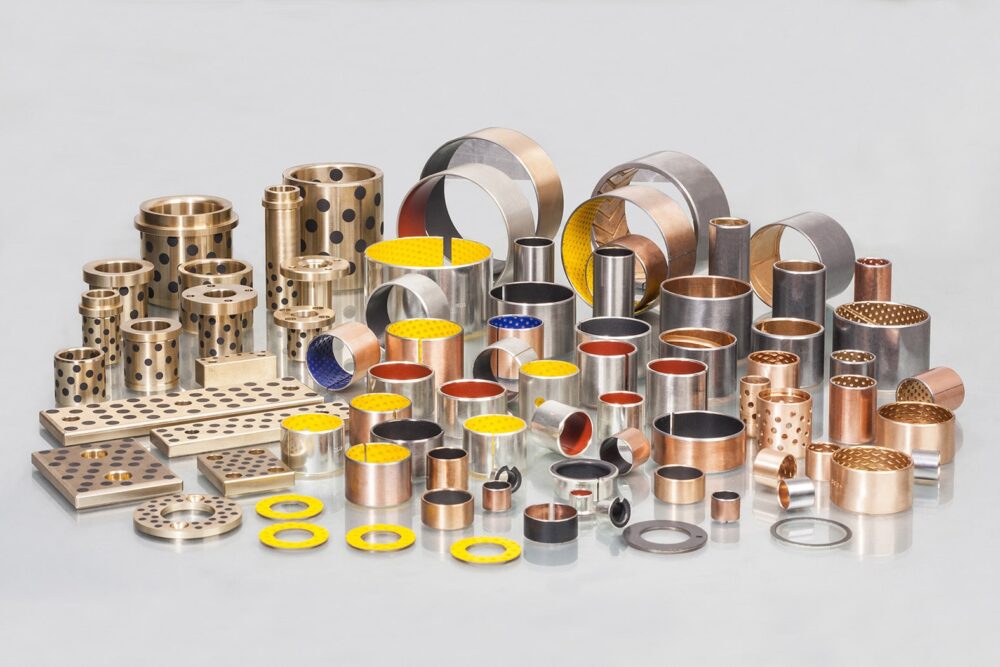
I've seen many purchasing managers make the same mistake. They focus only on the price quoted on the sample. But for an application-driven product like a bushing, that's just the beginning of the story. The real value is in a supplier's engineering strength. Let's break down what you should really be looking for.
Does Your Supplier Understand Applications or Just Sell Products?
Your supplier offers a catalog but doesn't know which bushing is right for your machine. The wrong choice means quick failure and expensive problems. A true partner guides you.
A professional supplier doesn't just sell products; they understand applications. They should ask about your load, speed, temperature, and lubrication to recommend the best material, whether it's a PTFE composite, bimetal, or bronze bushing. This expertise is more valuable than a simple price list.
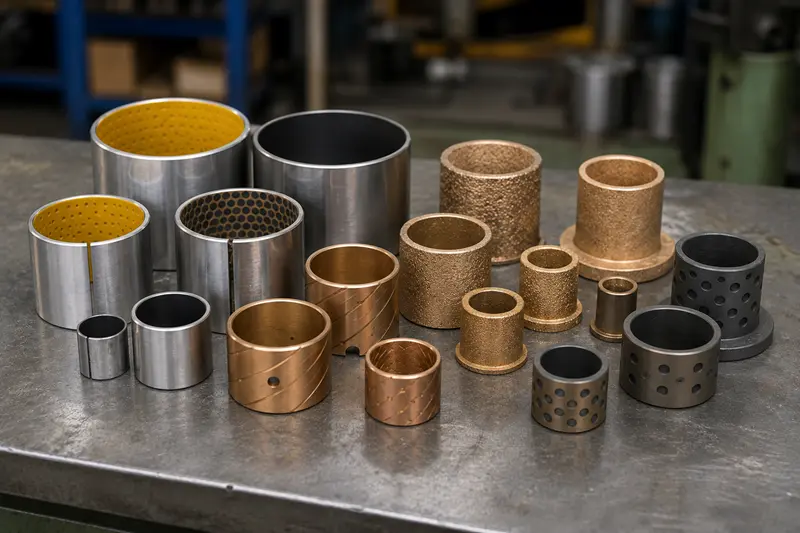
We see this all the time. A buyer sends a drawing, and a trading company just quotes a price. They never ask about the details. But bushings are application-driven products. A supplier who just sells parts can't help you succeed. A real manufacturing partner will start by asking questions.
Key Factors for Material Selection
They need to understand these five critical elements of your project:
- Load: How much weight or force will the bushing support?
- Speed: How fast will the shaft rotate or slide?
- Temperature: What are the operating and ambient temperatures?
- Lubrication: Will there be oil, grease, or will it run dry?
- Environment: Is it dusty, wet, or corrosive?
Based on your answers, they can help you decide between different materials. For example, a high-load, low-speed application might need a different solution than a high-speed, lubricated one. From our factory's view, a supplier who helps you choose the right material is far more valuable than one who only knows how to quote a price. This initial engineering support prevents major problems later.
Can They Control Tolerances Consistently?
Your assembly line stops because the latest batch of bushings won't fit. Now production is delayed, all because of inconsistent parts. Consistent tolerance control is absolutely essential for smooth operations.
For OEM customers, batch-to-batch consistency is more critical than a single perfect sample. A reliable supplier must demonstrate strong control over inner and outer diameter tolerances, roundness, and concentricity. They should also have experience with press-fit compensation to ensure parts work perfectly after installation.
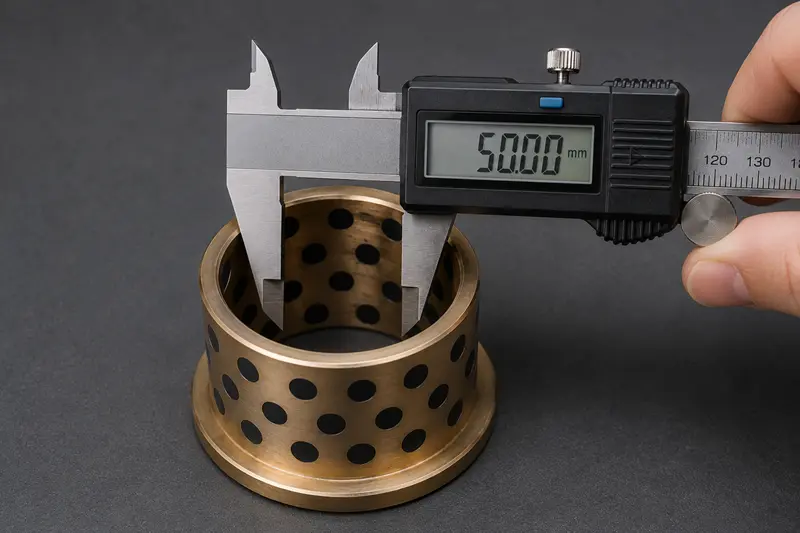
Bushings are not standalone items; they are precision mating components. If the inner diameter (ID) is too small, the shaft will seize. If the outer diameter (OD) is too large, it won't press into the housing. As an OEM, your biggest fear shouldn't be one bad part, but poor consistency across a whole batch.
Key Tolerance Checks for a Supplier
When you evaluate a supplier, ask them specifically about their process for controlling:
- ID and OD Tolerances: How do they ensure every part is within the specified range?
- Roundness and Concentricity: How do they prevent oval or off-center parts?
- Press-fit Compensation: Do they understand how the bushing's ID will change after being pressed into the housing?
Many issues that show up in the field are not because the material failed. They are because of small dimensional variations that cause poor fit and premature wear. A good supplier masters this control.
Do They Have Material Testing Capability?
You ordered CuSn8 bronze bushings[^3], but they are failing prematurely in the field. The material name was correct, but the quality wasn't. You must verify their material testing capabilities.
Don't just rely on the material grade listed on a quote. Two factories making "CuSn8" can produce vastly different results due to their casting, sintering, or heat treatment processes. A trustworthy supplier can provide material certificates, chemical analysis reports, and hardness tests[^4] to prove their quality.
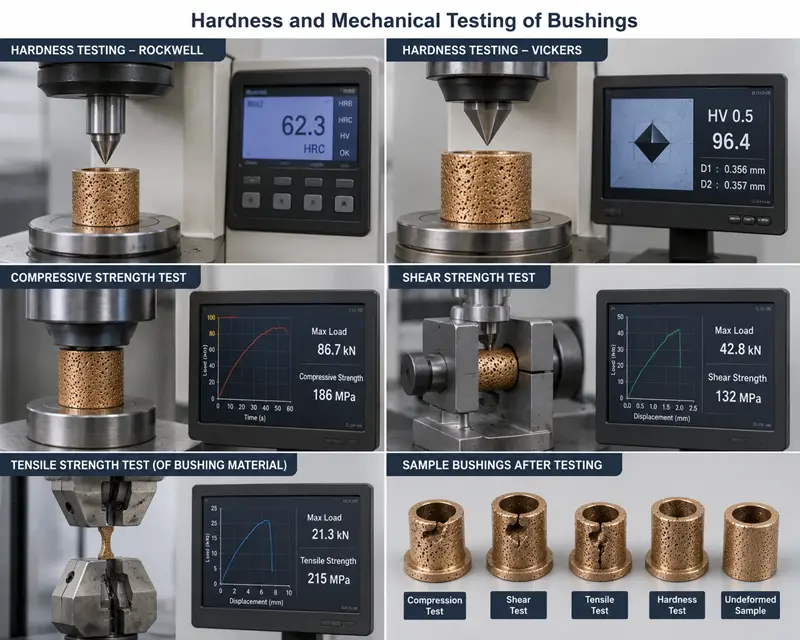
The name of the material is just a starting point. For example, we see "CuSn8" specified all the time. But the actual performance of that bronze bushing depends entirely on the manufacturing process.
What Affects Material Performance?
| Process Step | Impact on Quality |
|---|---|
| Ingredient Control | Incorrect alloy mix affects strength and wear. |
| Casting/Sintering | Poor process creates porosity and weak spots. |
| Heat Treatment | Improper heating affects hardness and durability. |
This is why you can't just trust the label. A superior supplier will be transparent about their quality control. They should be able to provide you with documentation to back up their claims. Ask for a Material Certificate, a Chemical Analysis Report, or a Hardness Test Report. Some top-tier factories can even provide specific wear test data for their materials. This proves they don't just sell a material; they control its performance.
Can They Support Custom Bushings?
Your new design requires a special oil groove, but your supplier only sells standard bushings. Now you must compromise your design or waste time finding a new partner.
For most OEM projects, standard parts are just the beginning. The real test is whether a supplier can support customization. This includes custom dimensions, special tolerances, unique oil grooves, flanged designs, and even non-standard materials[^5]. Their ability to produce a custom solution is crucial for innovation.
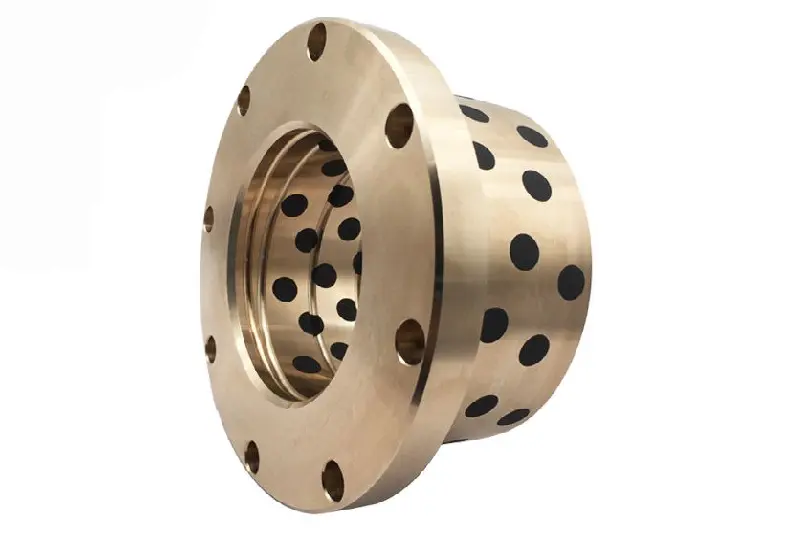
If you are building equipment, you know that off-the-shelf parts rarely fit perfectly. Your project will likely evolve to require a custom solution. This is where you separate a simple reseller from a manufacturing partner. A factory built to serve OEMs must have strong customization capabilities.
Common Customization Needs
Look for a supplier who can confidently handle:
- Custom Dimensions: Non-standard lengths, diameters, or wall thicknesses.
- Special Tolerances: Tighter controls for high-precision applications.
- Oil Grooves & Holes: Specific patterns for better lubrication distribution.
- Flanged Designs: Integrated flanges for axial load support.
- Graphite Layout: Optimized placement of solid lubricant plugs.
- Non-standard Materials: Special alloys or composite structures for extreme conditions.
Many of the best engineering solutions come from these tailored designs. A supplier who says "no" to customization is limiting your product's potential. A great partner will work with you to create the exact component you need.
How Strong Is Their Manufacturing Capability?
The samples were perfect, but the first large order is late. You realize your supplier is just a trading company with no control over production. You must verify their real manufacturing capabilities.
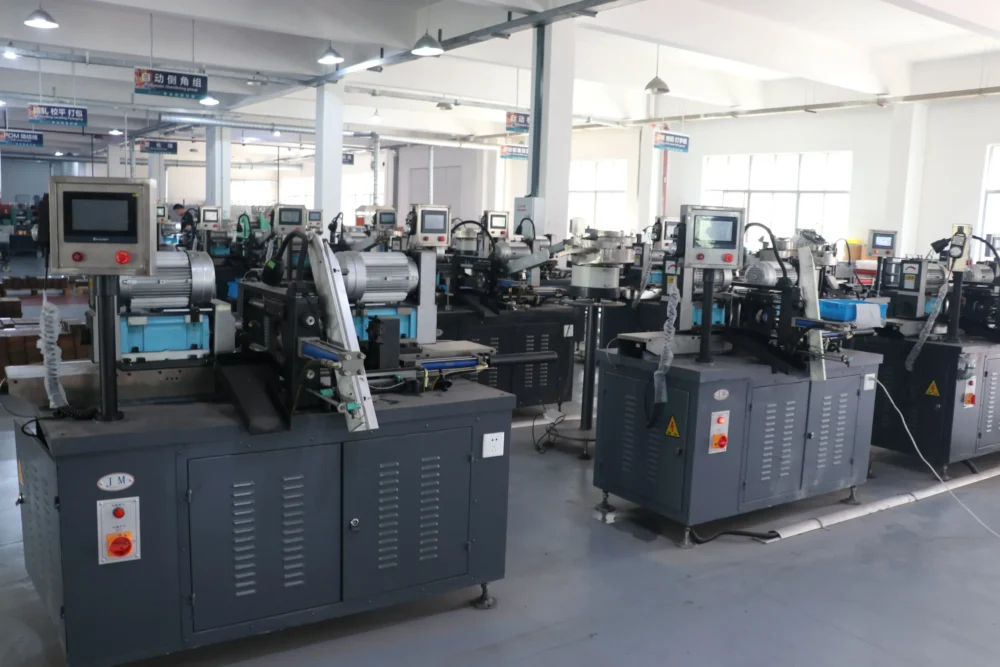
Don't be fooled by a nice website or good samples. A supplier's true strength lies in their manufacturing capability. Find out if they have their own factory, in-house machining, powder metallurgy lines[^6], and a complete quality control process. This directly impacts delivery times and consistent quality[^7].
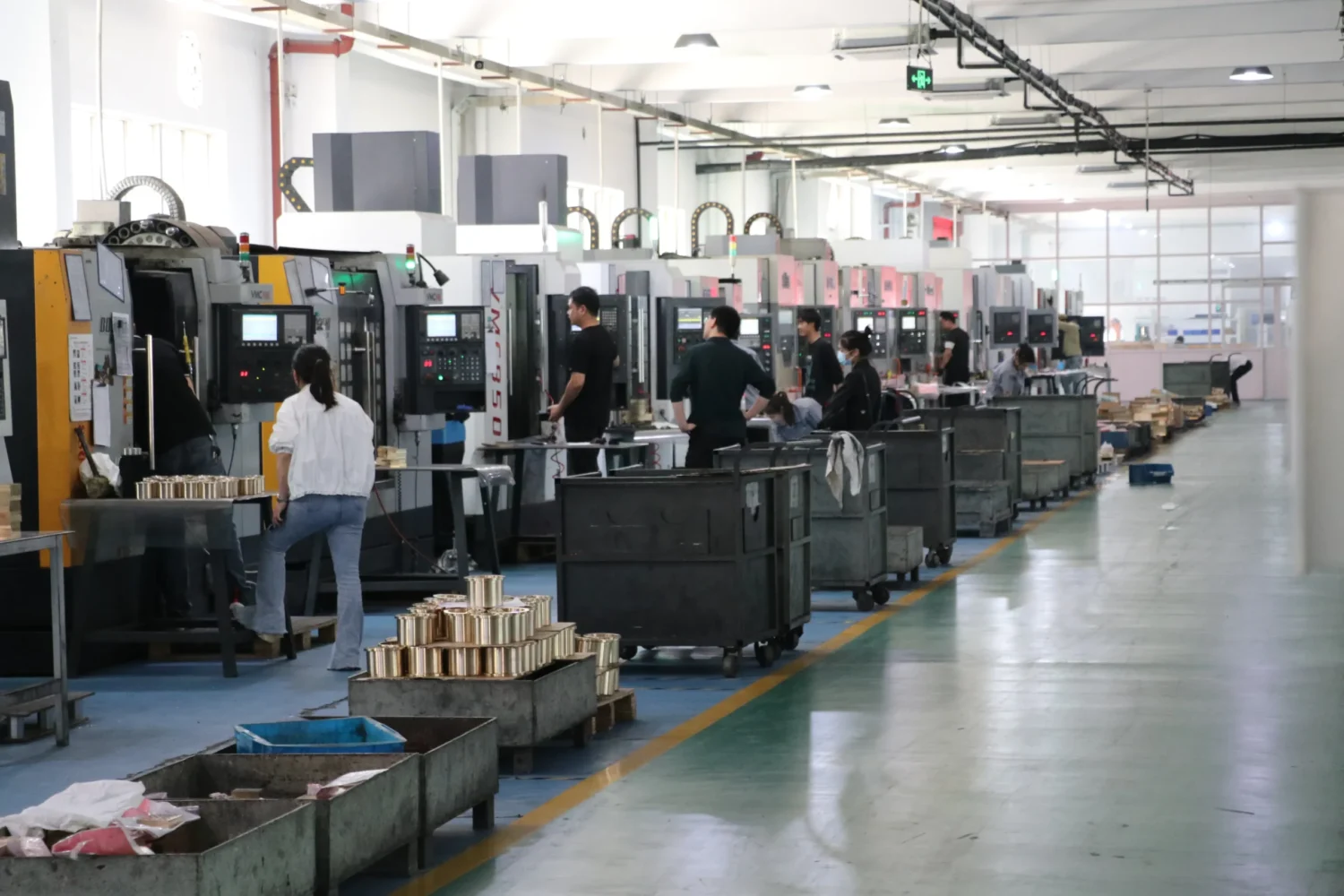
As a buyer, you need to look past the sales pitch. The long-term success of your project depends on your supplier's actual ability to make things. A trading company might find you a low price, but they have little control over the production schedule or quality consistency. When a problem arises, they are just a middleman.
What to Look For in Manufacturing
A strong manufacturing partner will have tangible assets. Ask them directly:
- Do you own your production factory?
- Do you have in-house CNC machining for precision parts?
- Do you have your own powder metallurgy and sintering lines?
- Do you have casting capabilities for bronze components?
- Can you show me your quality control process from raw material to finished product[^8]?
A supplier with these capabilities can control every step. This means they can manage lead times better, ensure quality is consistent from batch to batch, and solve problems quickly. Working directly with a manufacturer is always the safer bet for serious projects.
How Do They Handle Engineering Communication?
You sent a technical drawing, and the supplier replied with only a price. This silence is a red flag; they aren't looking for potential issues that could stop your project later.
From our experience with OEM projects, poor communication is a top reason for failure. A great supplier won't just quote a price from a drawing. They will proactively ask about your application details, shaft material, load conditions, and expected service life[^9] to ensure success.
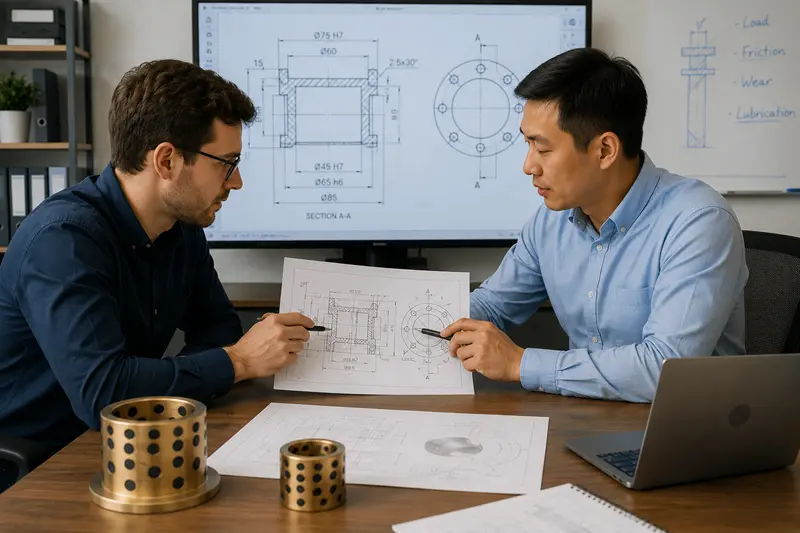
In my years of working on OEM projects, I've learned something important. The biggest project failures often come from poor communication, not poor manufacturing. A supplier who takes your drawing and just sends back a price is a risk. They are not thinking like an engineer.
Communication is a Sign of Expertise
A true engineering partner will engage with you. They know that a drawing only defines the geometry of a part, not its real-world function. They will ask questions like:
- What is the final application?
- What is the material and hardness of the mating shaft?
- What are the exact load and speed conditions?
- What lubrication method will be used?
- What is the expected service life?
These questions show they are thinking ahead. They are trying to identify potential risks before production begins. This collaborative approach is a clear sign that you are working with an expert, not just a parts seller.
Conclusion
When choosing a bushing supplier in China, seek a partner who lowers your total cost. Prioritize engineering expertise, quality control, and communication over the lowest initial price for long-term success.
[^1]: "8 Ways to Improve Your Supplier Selection Process", https://www.nist.gov/blogs/manufacturing-innovation-blog/8-ways-improve-your-supplier-selection-process. Engineering capability is critical for suppliers to recommend appropriate materials and designs for specific applications, as supported by industry standards and case studies. Evidence role: expert_consensus; source type: education. Supports: Suppliers with strong engineering capabilities can better understand application-specific needs and recommend suitable solutions.. [^2]: "The Role of Tolerance Analysis in Reducing Manufacturing Costs", https://www.sigmetrix.com/blog/role-tolerance-analysis-reducing-manufacturing-costs. Consistent tolerance control is essential for manufacturing precision components, as highlighted in technical manufacturing guidelines. Evidence role: mechanism; source type: education. Supports: Suppliers must demonstrate strong control over tolerances to ensure batch-to-batch consistency in manufacturing.. [^3]: "Bronze - Wikipedia", https://en.wikipedia.org/wiki/Bronze. CuSn8 bronze is a widely used material for bushings due to its strength and wear resistance, as documented in material science literature. Evidence role: definition; source type: encyclopedia. Supports: CuSn8 bronze bushings are commonly used for their strength and wear resistance.. Scope note: The support is specific to CuSn8 bronze and may not apply to other materials. [^4]: "[PDF] The Importance of Material Certification | Parker Hannifin", https://www.parker.com/content/dam/Parker-com/Literature/Instrumentation-Products-Division/Technical-Articles/The-Importance-of-Material-Certification.pdf. Material certificates and testing reports are standard practices for verifying the quality and composition of industrial materials. Evidence role: case_reference; source type: institution. Supports: Suppliers should provide material certificates and testing reports to verify the quality of their products.. [^5]: "5 Benefits of Using OEM Manufacturing You Need to Know | SW", https://shieldworksmfg.com/5-benefits-of-using-oem-manufacturing-you-need-to-know/. Customization capabilities, including special dimensions and materials, are critical for meeting unique OEM requirements, as supported by industry case studies. Evidence role: expert_consensus; source type: research. Supports: Suppliers with customization capabilities can better meet the unique needs of OEM projects.. [^6]: "Sintering - Wikipedia", https://en.wikipedia.org/wiki/Sintering. Powder metallurgy is a key manufacturing process for producing high-quality bushings, as detailed in technical manufacturing literature. Evidence role: mechanism; source type: education. Supports: Suppliers with in-house powder metallurgy lines can better control the quality and consistency of their bushings.. [^7]: "Manufacturing and Supply Chain Management", https://www.wwu.edu/majors/manufacturing-and-supply-chain-management. Manufacturing capability directly impacts delivery times and product consistency, as supported by supply chain management studies. Evidence role: mechanism; source type: research. Supports: Suppliers with strong manufacturing capabilities can better manage delivery times and ensure consistent quality.. [^8]: "The Importance of Quality Control in Manufacturing - PTC", https://www.ptc.com/en/blogs/plm/quality-control-in-manufacturing?srsltid=AfmBOoohC_4DJwZ1OMMvJD4IJuOqAVGZj1LT_9pQmkiLrjHXbFX2gzgs. A comprehensive quality control process is essential for ensuring consistent product quality, as supported by manufacturing best practices. Evidence role: mechanism; source type: education. Supports: Suppliers should have a robust quality control process to ensure consistent product quality from raw material to finished product.. [^9]: "[PDF] Chapter 3: Design Loads for Residential Buildings - HUD User", https://www.huduser.gov/publications/pdf/res2000_2.pdf. Understanding shaft material, load conditions, and service life is critical for selecting appropriate bushings, as supported by engineering design principles. Evidence role: definition; source type: education. Supports: Suppliers should inquire about shaft material, load conditions, and expected service life to recommend suitable bushings..