Your machine's reliability is at risk with the wrong bushing supplier. This can lead to costly failures and damage your brand. Here’s how to choose a reliable partner.
To select the right OEM bushing manufacturer, you must look beyond the unit price. Evaluate their engineering skills[^1], real manufacturing processes, and quality consistency[^2]. Always validate with samples and verify they are a genuine factory, not just a trader, to ensure long-term reliability for your equipment.
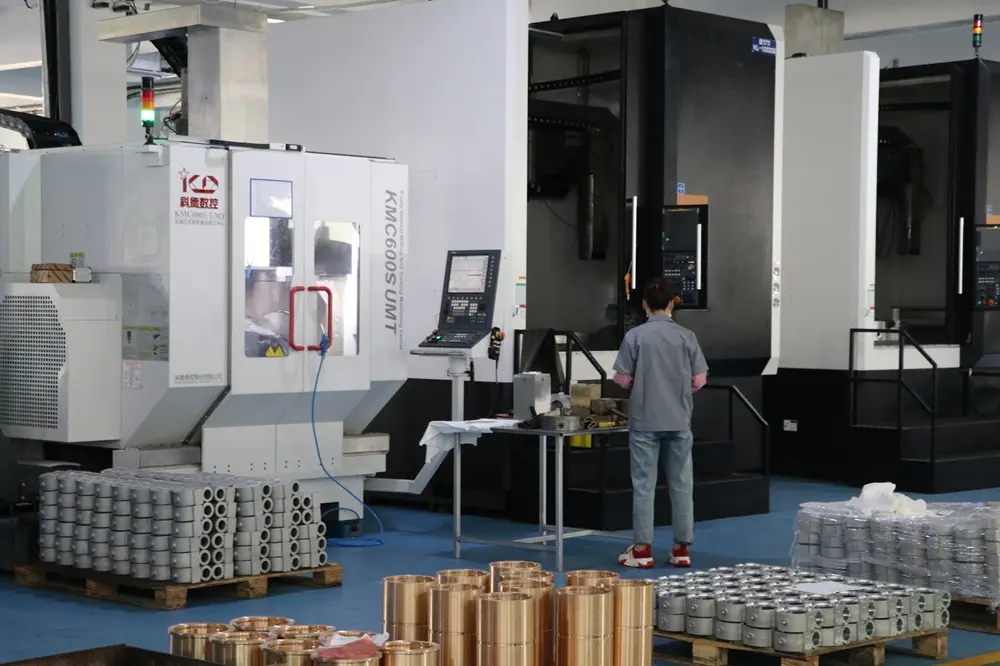
Over my years in this business, I've seen many OEM projects succeed or fail based on their supplier choice. It's about more than just a part; it's about a partnership. Let's break down the essential steps you need to take to protect your project and ensure you're working with the best. This process will save you time, money, and a lot of headaches down the road.
How Can You Clarify Your Bushing Needs Before Contacting Suppliers?
Many projects start wrong by only asking for the price. This leads to suppliers guessing your needs, putting all the risk on you. Define your requirements first.
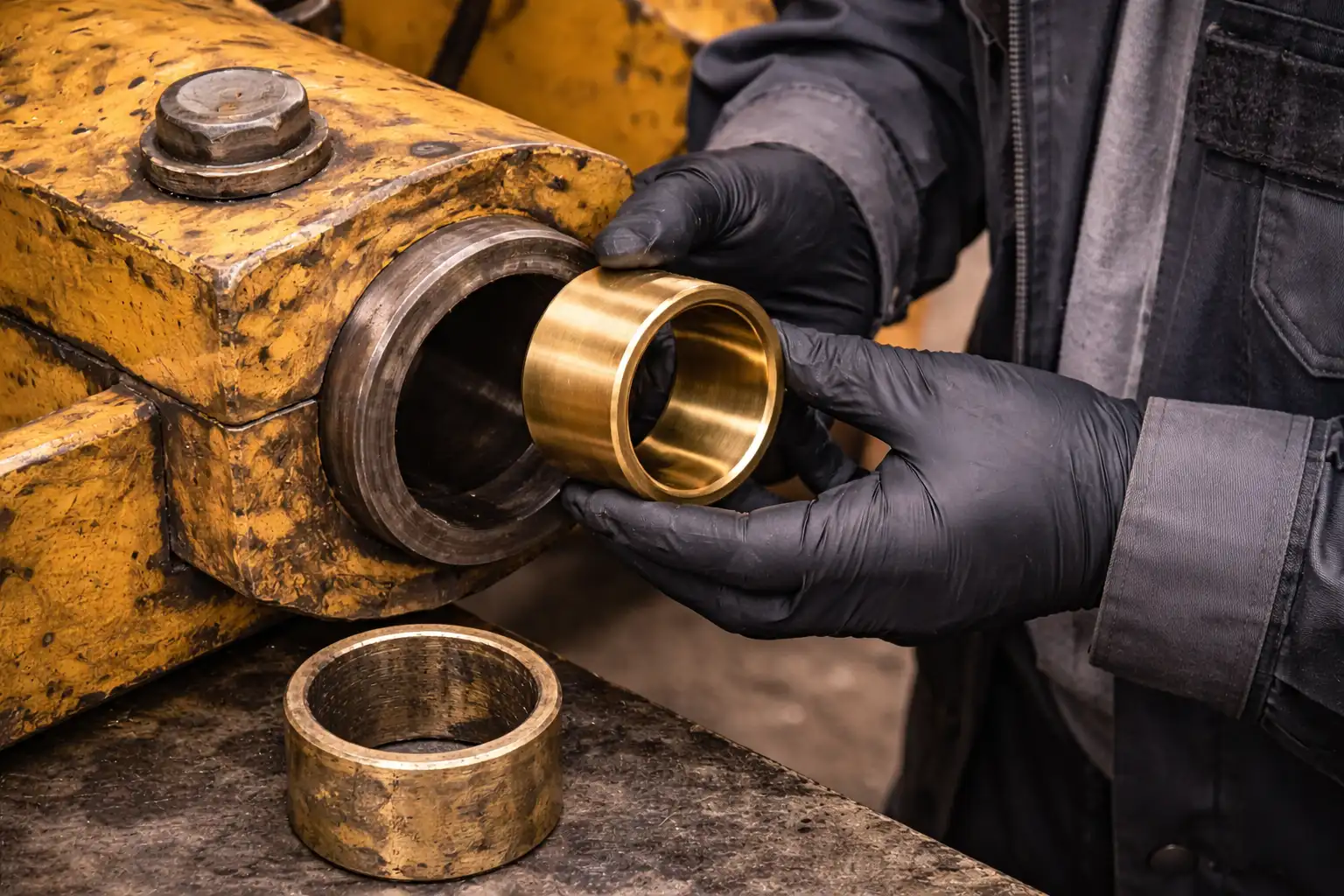
Before contacting suppliers, clearly define your technical requirements[^3]. This includes operating conditions like load and speed, lubrication method[^4], required service life, and annual volume. Providing these details ensures you receive accurate quotes and suitable products, preventing guesswork and future failures from the start.
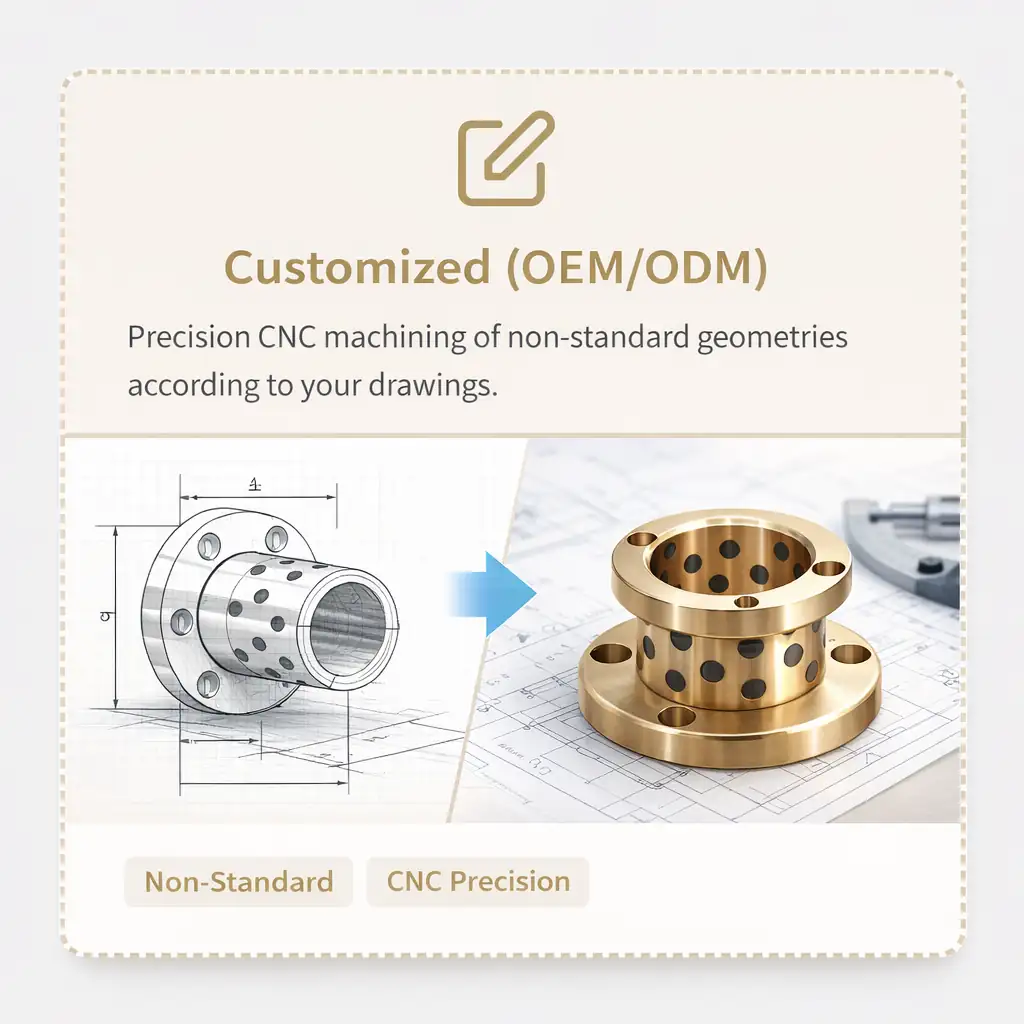
From my factory's perspective, receiving a request that just asks "what's the price for a bushing?" is a red flag. Without context, we can only guess, and that guess might not be right for your machine. The risk then falls on you, the buyer. You need to do your homework first. Start by defining the core parameters.
| Parameter | Why It's Important | Example |
|---|---|---|
| Load, Speed, Temperature | Determines the required material strength and wear resistance (PV Value). | 50 MPa load, 0.1 m/s speed, 80°C |
| Lubrication Method | Dictates the material type (e.g., self-lubricating, bronze for grease). | Dry-running / Oil / Grease |
| Service Life Requirement | Influences material grade and overall cost-effectiveness. | 2,000 hours / 10,000 hours |
| Annual Volume | Affects pricing, production planning, and potential for stock agreements. | 50,000 pcs/year |
Having this information ready turns a simple price query into a serious technical discussion. It shows suppliers you're a professional partner and helps us recommend the best, most cost-effective solution for your specific application.
How Can You Tell If You're Dealing with a Real Manufacturer?
Many suppliers claim to be factories, but are just traders. Buying from a middleman adds costs and communication barriers, putting your supply chain at risk.
To verify a real manufacturer, ask for production videos or workshop photos. Inquire about specific process details like material composition or sintering porosity. A true factory can provide technical advice and will be transparent about their core manufacturing capabilities, like casting, machining, or sintering.
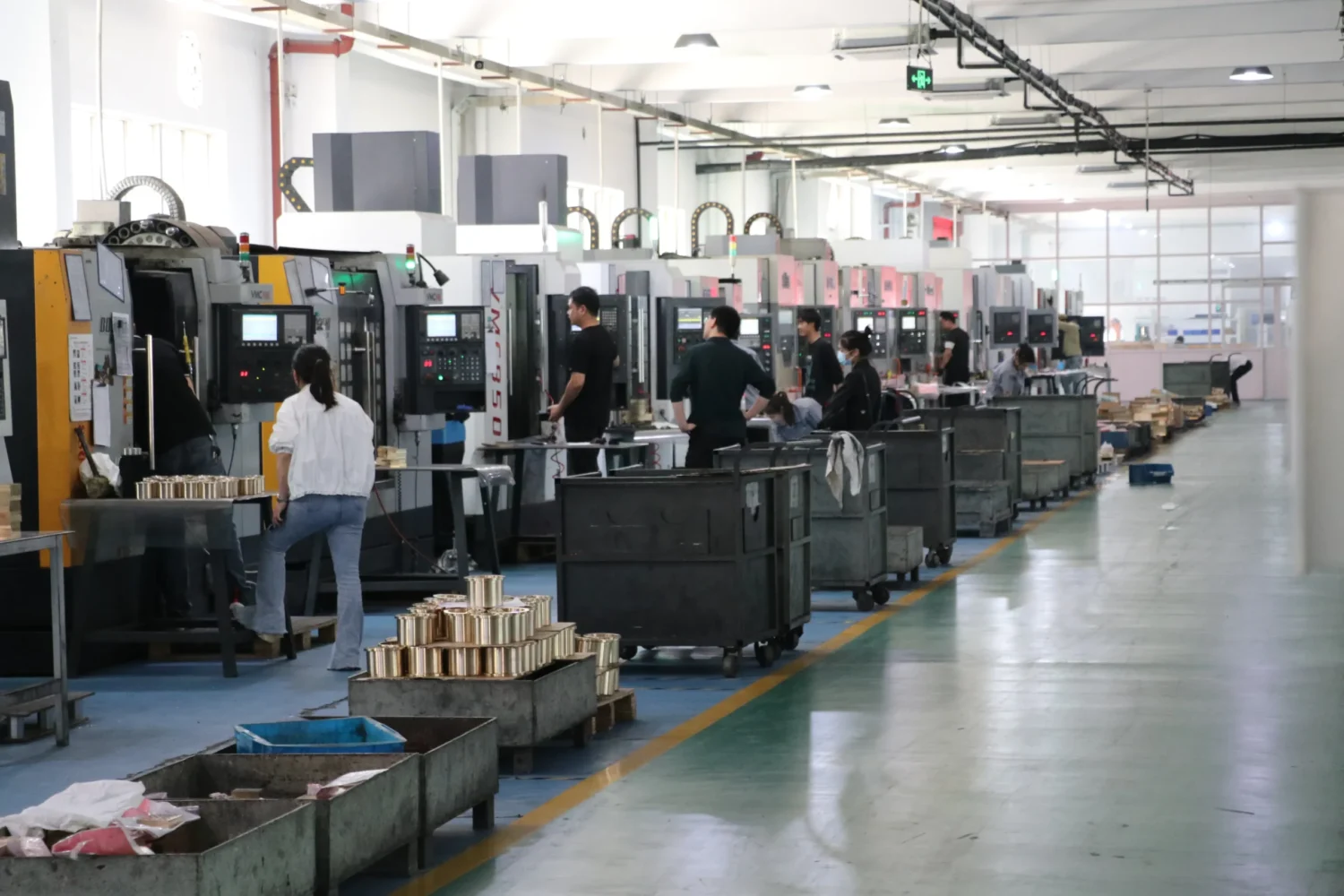
You should never just assume a supplier is a factory. It's a common trick. A trader might have a nice website, but they don't control the production line. This means they can't control quality, lead times, or technical details. So, how do you check? Ask direct questions. A real factory owner like me can talk all day about our processes.
Quick Verification Checklist:
- Ask for a Factory Tour (Virtual or Real): Request a video call where they walk you through their workshop. A trader can't do this easily.
- Inquire About Core Processes: Ask specific questions about their key manufacturing steps.
- "What is the typical porosity of your sintered bronze?"
- "What is your process for bonding the PTFE layer on your composite bushings?"
- Discuss OEM/Customization: A factory will be able to discuss detailed customization options, while a trader will have limited knowledge.
- Request Certifications: Ask for copies of their quality certifications like ISO 9001. Check if the company name matches.
A trader will have to ask their supplier for these answers. A real manufacturer will know the answers immediately. This simple check separates the real partners from the middlemen and protects your project from unnecessary risks.
How Do You Assess a Supplier's Engineering Capability?
A cheap bushing from a simple machine shop can fail unexpectedly. You need a partner who understands the engineering behind the part, not just how to make it.
A great supplier acts as an engineering partner. They should offer material selection support based on your application and suggest design optimizations, like custom lubrication grooves. Ask for case studies or examples of how they have solved similar problems for other OEM clients.
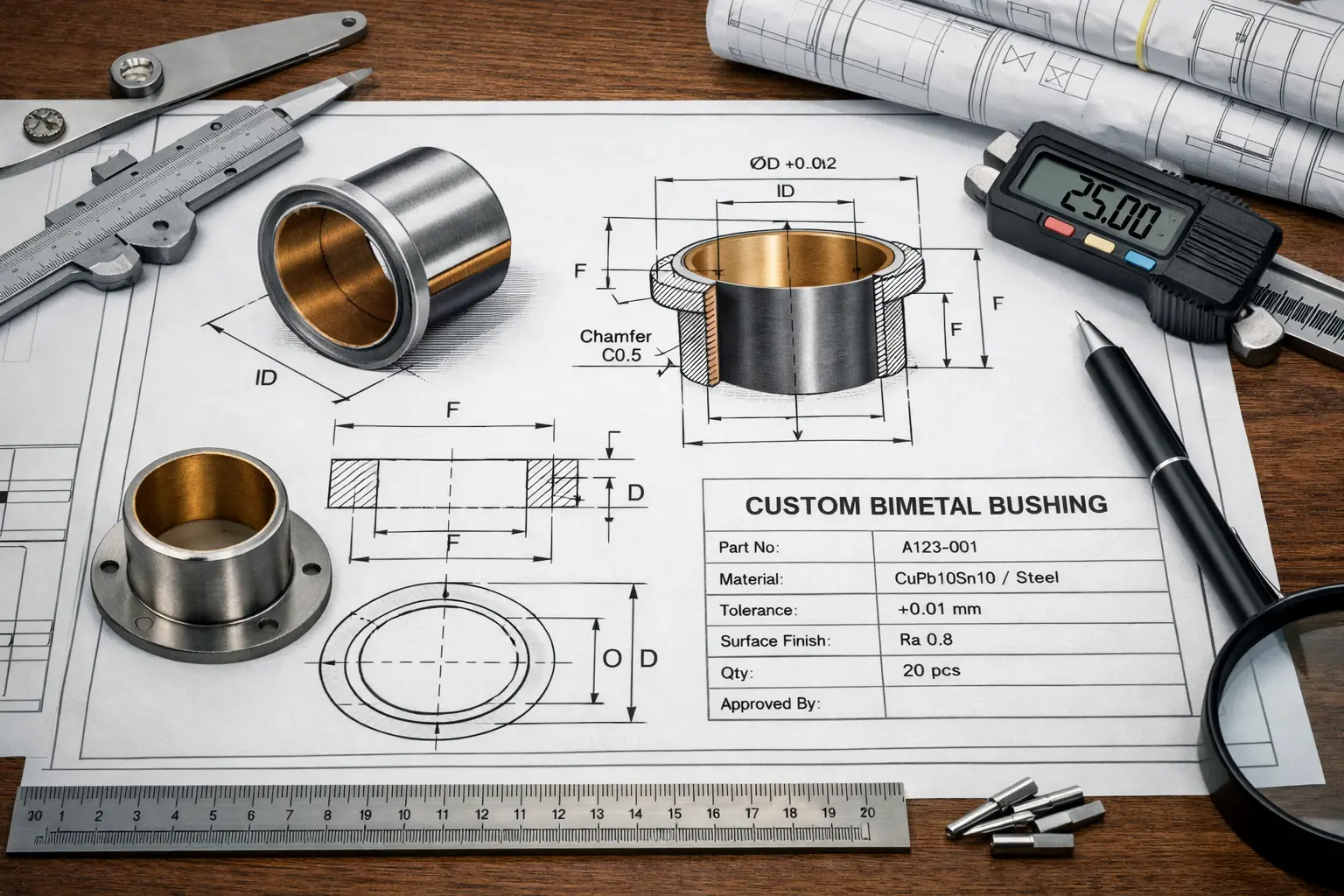
The difference between a good supplier and a great one is their engineering support. A basic machine shop just follows your drawing. If there's a flaw in your design, they'll produce a flawed part. A true manufacturing partner, however, will question it. They will use their experience to help you. For instance, we often ask our clients about their assembly. Based on their operating conditions, we might suggest a different material or a change to the lubrication grooves to extend the service life. This is what you should look for.
| Capability | What to Look For |
|---|---|
| Material Selection | Do they recommend materials based on your load, speed, and environment? |
| Design Optimization | Can they suggest improvements to lubrication structures or tolerances? |
| Application Experience | Do they have case studies or examples from your industry? |
A supplier who can say, "We solved a similar wear problem for a construction equipment company by..." is far more valuable than one who just sends a price list. They are not just selling a part; they are selling a solution.
Why Is a Thorough Sample Validation Process So Important?
Placing a large order without testing a sample is a huge gamble. A small issue found in a sample can become a massive, expensive problem in full production.
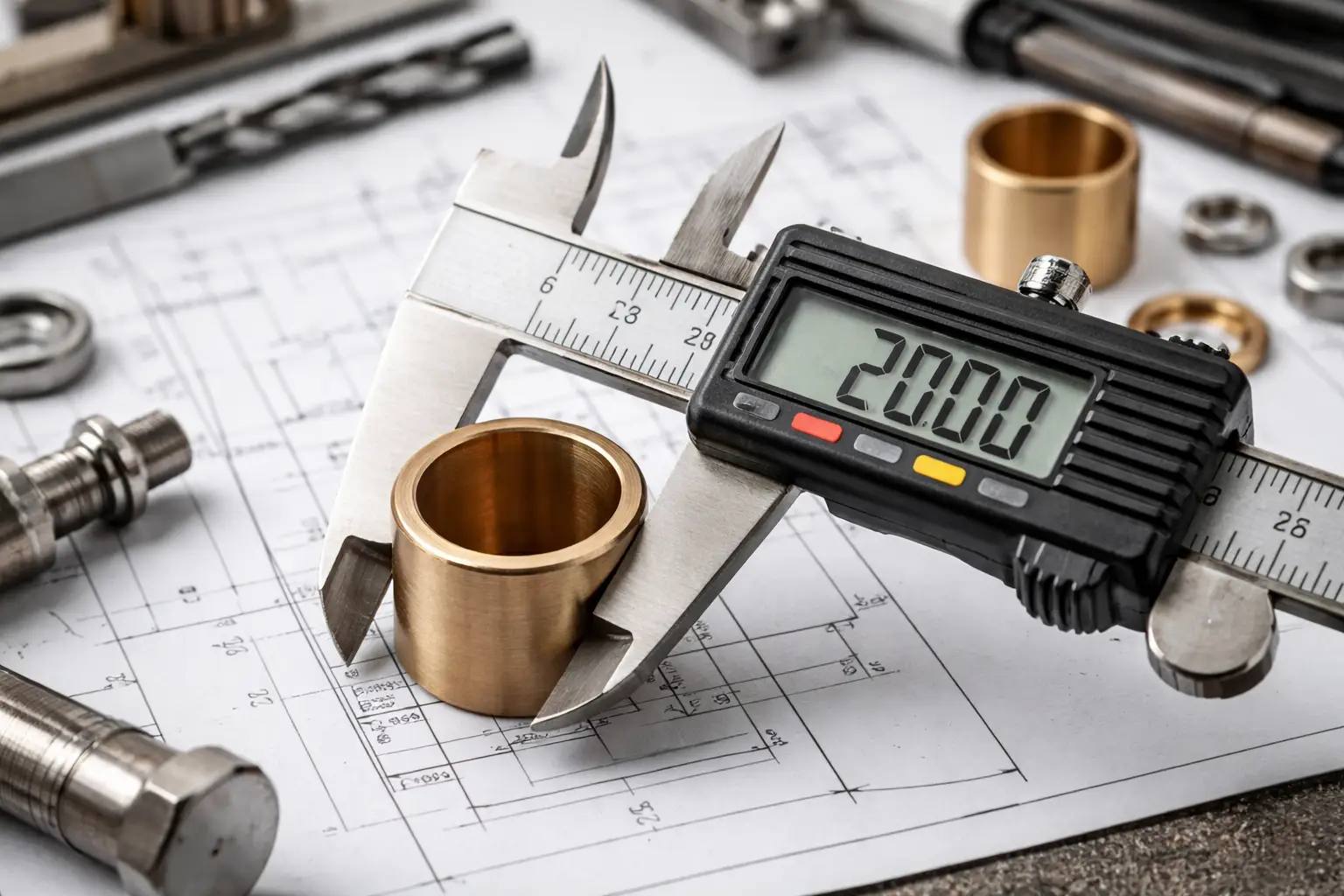
Never skip the sample stage. The correct process is to get samples from 2-3 potential suppliers and conduct tests under your actual operating conditions. This allows you to evaluate dimensional accuracy[^5], surface finish[^6], and initial wear performance[^7] before committing to a large production run.
I can't stress this enough: do not place a bulk order without testing samples first. From my experience, any problem you find during the sample stage is a hundred times cheaper to fix than one found after thousands of parts have been delivered. Your validation process should be systematic. First, shortlist two or three suppliers who seem promising. Then, request samples from each. Once you receive them, don't just look at them. Measure them.
Key Evaluation Points for Samples:
- Dimensional Accuracy: Use calipers or a CMM to check if all tolerances meet your drawing's specifications.
- Surface Quality: Inspect for any defects, burrs, or inconsistencies in the finish.
- Performance Testing: Install the samples in your actual equipment or a test rig.
- Wear & Friction Analysis: Run the test for a set number of cycles and measure the wear. Note any unusual noise or heat generation.
This hands-on testing gives you concrete data to compare suppliers and make an informed decision, not one based on a price quote alone.
How Can You Ensure Consistent Quality Across All Batches?
The first batch of bushings was perfect, but the next one caused failures. Inconsistent quality is a common and costly problem that can halt your production line.
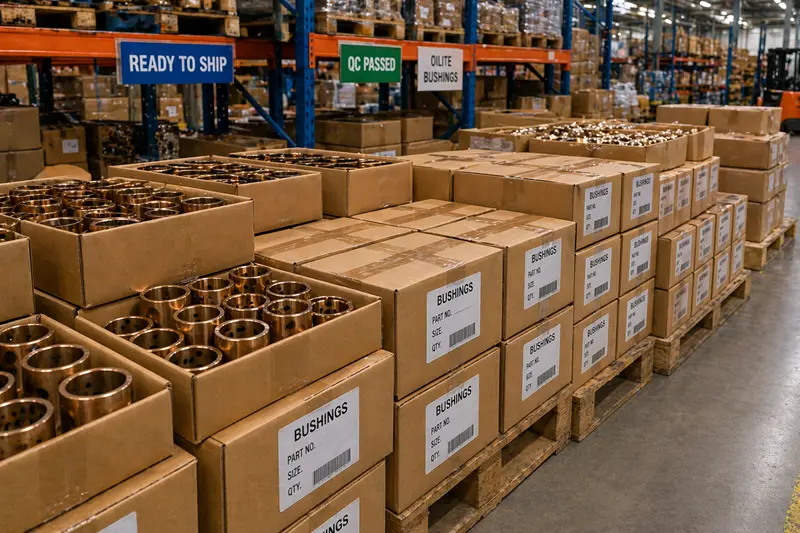
For B2B purchasing, batch-to-batch consistency is everything. Ask potential suppliers about their quality control system, including their IQC, IPQC, and OQC processes. Confirm they have material traceability and can provide inspection reports for dimensions and materials with every shipment.
For an OEM, getting one good part is easy. The real challenge is getting 10,000 identical good parts, year after year. This is all about the supplier's quality control system. You need to dig into their processes. Ask them to explain their quality checks.
| QC Stage | Purpose | What to Ask |
|---|---|---|
| IQC (Incoming) | Checks raw materials before production. | "What is your process for testing incoming steel and bronze powder?" |
| IPQC (In-Process) | Monitors quality during manufacturing. | "How often do you check critical dimensions during the production run?" |
| OQC (Outgoing) | Final inspection before shipping. | "Can you provide a dimensional inspection report with every shipment?" |
| Traceability | Links a finished part back to its raw material batch. | "If there's a failure, can you trace the part back to the raw materials?" |
A serious manufacturer will have clear answers and documentation for all of these. A reliable partner will have no problem providing this data because their process is built on consistency.
Can the Supplier's Capacity and Lead Time Support Your Production?
Your sales are growing, but your supplier can't keep up. Production delays can cause you to miss deadlines and lose customers, directly impacting your bottom line.
A supplier's ability to deliver on time is critical for OEMs. You must ask about their monthly production capacity and standard lead times. Also, inquire if they can support a safety stock program to buffer against unexpected demand spikes and prevent production line stoppages.
Your production schedule is everything. A supplier who can't deliver on time is a liability, no matter how low their price is. Before you sign a contract, you need to have a frank discussion about their capacity. Ask them directly: "What is your monthly capacity for this type of part?" This tells you if they can handle your current volume and, more importantly, if they can grow with you. Then discuss lead times. How long does it take from placing an order to receiving the parts? Is this consistent? For long-term partnerships, it's also wise to discuss a safety stock agreement. This means the supplier holds a certain amount of inventory just for you. It provides a crucial buffer that protects you from supply chain disruptions or sudden increases in your own orders. A supplier who is willing to discuss these things is thinking like a partner, not just a vendor.
Are You Evaluating the Total Cost of Ownership, Not Just the Unit Price?
A cheap bushing seems like a great deal until it fails prematurely. The cost of downtime, replacement labor, and warranty claims can quickly erase any initial savings.
The cheapest price is rarely the lowest cost. A proper evaluation includes the bushing's service life, maintenance requirements, and the risk of failure. The Total Cost of Ownership (TCO[^8]) is a much better metric than the simple unit price for making a smart purchasing decision.
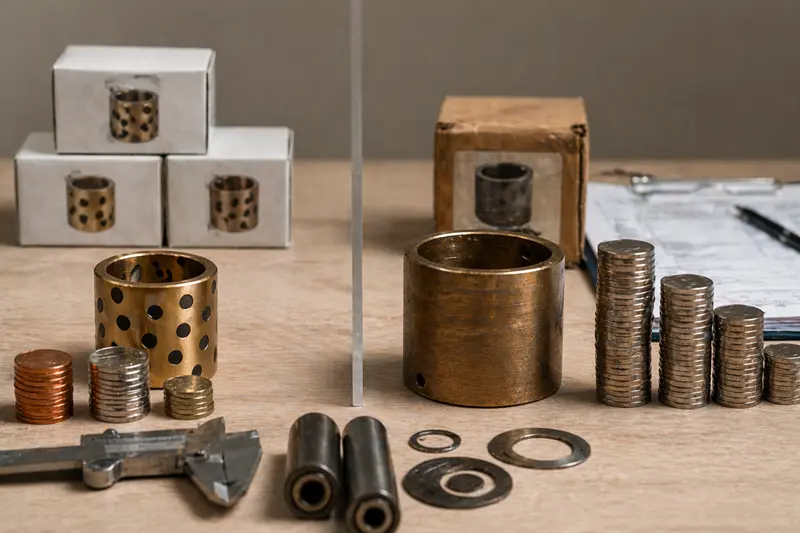
Many buyers get fixated on the unit price. They compare quotes and pick the lowest number. This is a huge mistake. In our industry, the true cost is not what you pay for the part; it's what you pay over the entire life of your machine. This is called the Total Cost of Ownership, or TCO[^8]. Think about it. A bushing that costs $0.50 but only lasts 1,000 hours is far more expensive than a $0.80 bushing that lasts 10,000 hours. You have to factor in all the related costs.
TCO[^8] Calculation:
TCO[^8] = Initial Price + (Maintenance Costs + Replacement Costs + Downtime Costs)
When your equipment is not running, you are losing money. A high-quality bushing from a reliable manufacturer provides a longer service life and greater reliability, which significantly lowers your TCO[^8]. So, shift your thinking from "how cheap can I get this?" to "what is the best value for my equipment's entire lifecycle?"
How Important is a Supplier's Communication and Responsiveness?
You have an urgent technical question, but your supplier takes days to respond. Poor communication can delay your entire project and create massive frustration for your team.
Communication is a critical but often overlooked factor. A good partner should respond to inquiries within 24-48 hours and have engineers who can communicate clearly in English. Their ability to solve problems quickly is just as important as their manufacturing skill.
This might seem like a small detail, but in my experience, it's one of the most important. A supplier's responsiveness tells you a lot about how they value your business. When you have a technical question or a supply chain issue, you need answers fast. A supplier who takes a week to reply is a major bottleneck for your project. Before you commit, test their communication. How quickly do they reply to your initial emails? When you ask a technical question, do you get a clear, helpful answer, or just a vague response? It is also essential that their team can communicate effectively in English, especially for technical details. This prevents misunderstandings that can lead to incorrect parts being made. A supplier who communicates well is a supplier who can solve problems with you, and that makes them a true partner in your success.
Conclusion
Choosing an OEM bushing manufacturer is about finding a long-term engineering and manufacturing partner. Focus on reliability, consistency, and total cost, not just the lowest initial price.
[^1]: Learn how engineering skills can influence the quality and reliability of your bushing supplier. [^2]: Understand the significance of quality consistency in maintaining production standards. [^3]: Find out how to clearly define your technical requirements to avoid costly mistakes. [^4]: Explore different lubrication methods to enhance the performance of your bushings. [^5]: Learn techniques to verify dimensional accuracy in bushing samples. [^6]: Explore how surface finish affects the performance and longevity of bushings. [^7]: Discover methods to assess wear performance for better supplier selection. [^8]: Understanding TCO helps you evaluate long-term costs, ensuring you choose suppliers that offer true value beyond just price.