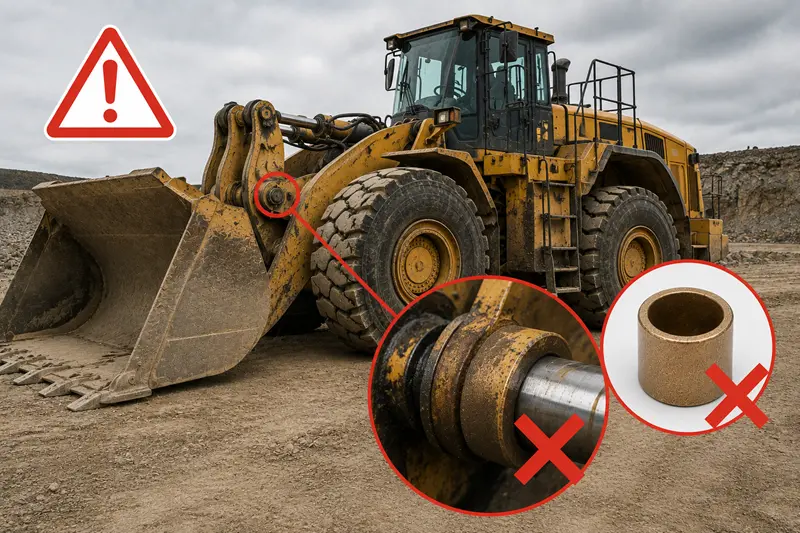
Your equipment grinds to a halt from a seized bushing. This failure damages the shaft and housing, causing expensive downtime and repairs. Preventing it is about understanding the system, not just the part.
To prevent bushing seizure, you must ensure a stable system. This means providing proper lubrication, choosing the right material for the job, maintaining correct running clearance, using a quality shaft, and protecting the assembly from contaminants. Seizure is a system failure, not just a part failure.[^1]
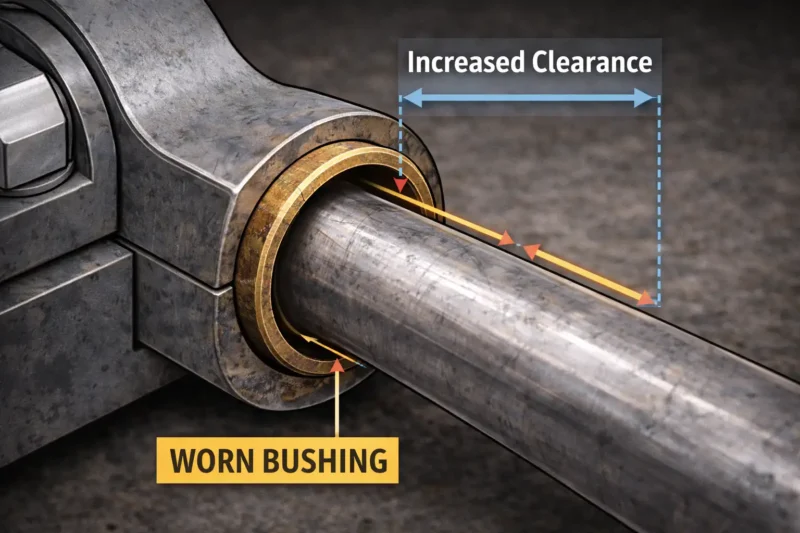
In my years at the factory, I've analyzed countless failed bushings returned by clients. The story is almost always the same: the seizure wasn't a sudden event. It was the final, catastrophic result of a problem that had been building up for a long time. These failures are expensive, not just because you have to replace a bushing, but because they often destroy the much more costly shaft or housing. Let's look at the real causes and how you, as an equipment designer or buyer, can prevent this from happening. It’s about being proactive in the design stage, not reactive in the field.
Does Proper Lubrication Really Stop Seizure?
You think you are lubricating your equipment, but seizures still happen. This unexpected failure can stop your entire operation, costing you time and money. The solution is not just adding grease, but understanding lubrication's true role.
Yes, proper lubrication is the most effective way to prevent seizure in many bushing types. It creates a critical fluid film that physically separates the shaft and bushing. This film prevents metal-to-metal contact, which is the primary source of the extreme friction heat that leads to seizure.
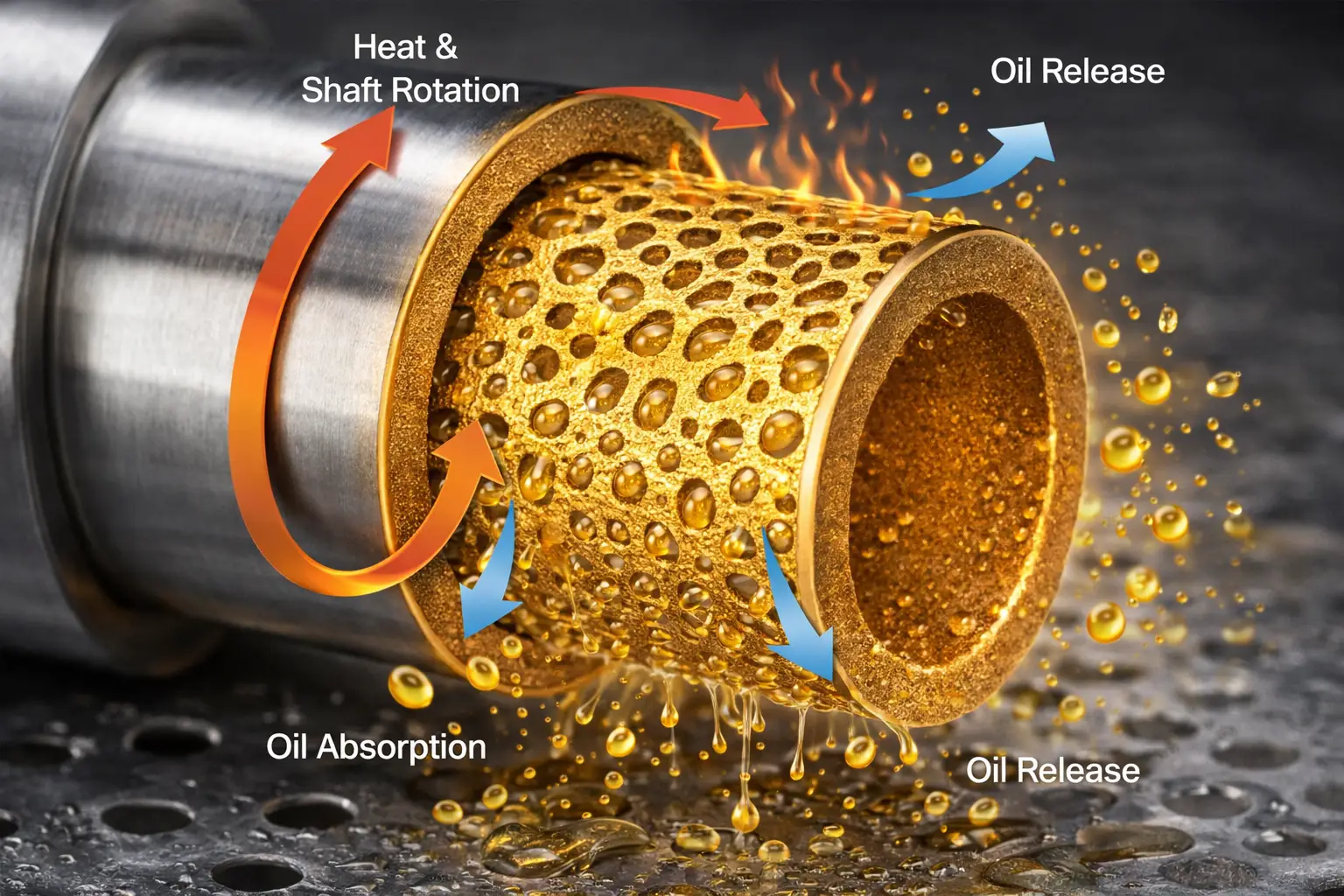
When we talk about lubrication, it's more than just squirting some oil or grease. We are talking about maintaining a specific state of friction. For many bushings we manufacture, like our bronze or bimetal lines, the goal is to achieve hydrodynamic lubrication[^2]. This is where the shaft's rotation pulls a wedge of oil between it and the bushing, completely separating the two surfaces. In this state, the only friction comes from the oil itself, which is extremely low.
The danger begins when this oil film breaks down. This can happen for a few reasons:
- The speed is too low to maintain the film.
- The load is too high and squeezes the oil out.
- The lubricant has degraded or run out.
When the film is lost, the surfaces make direct contact. This is where friction and heat spike dramatically. The metal surfaces begin to weld together on a microscopic level and then tear apart. We call this adhesive wear[^3]. This process generates even more heat, causing the materials to expand, which further increases the pressure until the components fuse together in a complete seizure. For our B2B clients, we always stress that the lubrication system is key.
| Lubrication State | Description | Risk of Seizure |
|---|---|---|
| Hydrodynamic | Full fluid film separates surfaces. | Very Low |
| Boundary | Thin film, some surface-to-surface contact. | Moderate |
| Dry / Metal Contact | No film, direct metal-on-metal friction. | Very High |
That is why a simple grease fitting is often not enough. You need to consider lubrication grooves to distribute the grease, the correct type of lubricant for the temperature and load, and a reliable re-lubrication schedule. A well-designed lubrication system is more important than simply upgrading to a more expensive bushing material.
Is Choosing the 'Best' Material Enough?
You specified a premium, high-cost bushing to avoid failures, but it seized anyway. You are left frustrated, having spent extra money without solving the root problem. The key is to match the material to the job.
No, the "best" material is only best for a specific application. Choosing a material that does not match the operating conditions, such as the load, speed, or lack of lubrication, is a common reason for seizure. A correct material selection is far more effective than simply choosing a high-priced option.
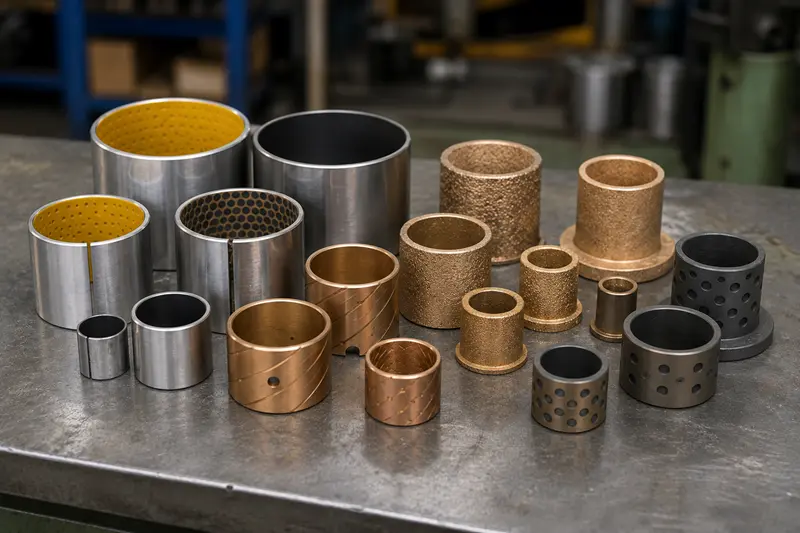
As a factory, we produce a wide range of bushings, and each one exists for a reason. There is no single "seizure-proof" material. The secret is matching the material's properties to the demands of the machine. I remember a client in the agricultural machinery industry. They kept having our standard bronze bushings seize up on their equipment. They asked if we could supply a "stronger" bronze. After talking with them, we learned the equipment was used intermittently and was often not greased on schedule. The bronze bushings were failing because they were starved of lubrication.
We didn't sell them a stronger bronze. Instead, we recommended our graphite-plugged bronze bushings[^4]. These have solid lubricant plugs embedded in them, so they provide their own lubrication, even if regular greasing is missed. The seizure problem completely disappeared. It wasn't about a better material, but the right material for the reality of the application. This is the kind of analysis we do with our OEM partners to prevent failures before the first machine is even built.
Here’s a simple guide to help you think about material selection:
| Operating Condition | Recommended Material Type | Why It Works |
|---|---|---|
| No Lubrication / Maintenance-Free | PTFE Composite Bushings | The PTFE layer provides a very low-friction, self-lubricating surface. |
| Low Speed, Heavy Load, Intermittent Use | Graphite Plugged Bronze Bushings | Solid lubricant plugs ensure continuous lubrication is available at the surface. |
| Reliable, Pressurized Lubrication | Standard Bronze or Bimetal Bushings | These materials have high load capacity and excellent life when a stable oil film is present. |
| High Contamination Environment | Sealed Composite or Polymer Bushings | Seals protect the internal bearing surface from abrasive particles that cause wear. |
Choosing the correct material from the start saves enormous costs and headaches down the line. It's about designing for success based on the real-world conditions.
Why Does Clearance Cause Bushings to Seize?
Your parts fit together perfectly during assembly, but the bushing seizes up once the machine runs. This hidden problem can cause a sudden, catastrophic failure. The solution is to plan for thermal expansion and press-fit effects.
Incorrect clearance is a direct cause of seizure. If the space between the shaft and the bushing is too small, the heat from normal operation causes both parts to expand. This expansion can completely eliminate the gap, which dramatically increases pressure, squeezes out the lubricant, and causes seizure.
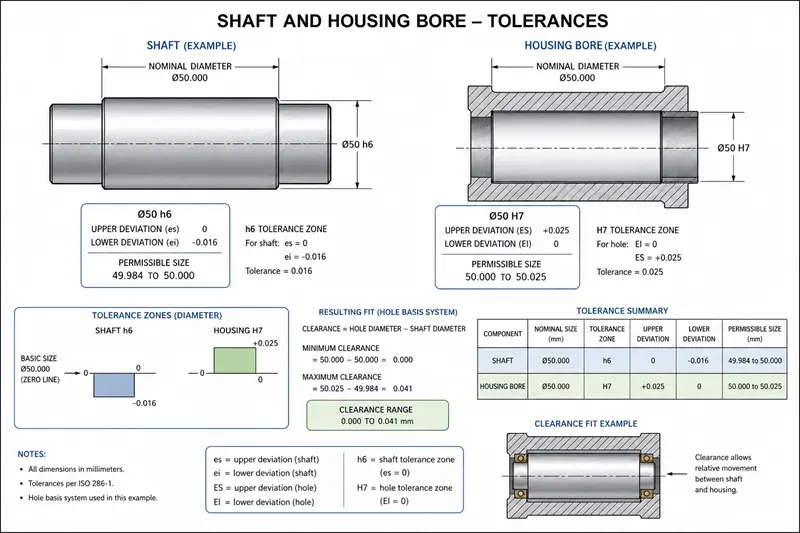
When you design an assembly, you must think about the running clearance, not just the clearance you have at room temperature on a workbench. Two main factors reduce this clearance in a real application.
First is the press-fit. Bushings are typically pressed into a housing with an interference fit, meaning the bushing's outside diameter is slightly larger than the housing's bore. This holds it securely, but the force of the press-fit also squeezes the bushing and reduces its inside diameter. We call this "press-fit closure[^5]." The amount of closure depends on the bushing's wall thickness and the materials of the bushing and housing.
Second is thermal expansion. As the machine runs, friction generates heat. Both the shaft and the bushing will expand. Since the shaft is inside the bushing, its expansion directly reduces the running clearance. The bushing also expands, but its expansion is constrained by the housing. If the shaft expands more than the bushing's inner diameter does, the clearance disappears.
| Factor | Effect on Clearance | What to Consider During Design |
|---|---|---|
| Press-Fit | Reduces the bushing's inner diameter. | Housing material, interference amount, and bushing wall thickness. |
| Thermal Expansion | Reduces the gap between shaft and bushing. | Operating temperature, and the thermal expansion coefficients[^6] of the shaft and bushing materials. |
Therefore, the final running clearance must be calculated carefully. You have to start with an initial clearance that is large enough to accommodate both the reduction from the press-fit and the reduction from thermal expansion. As a manufacturer, our technical datasheets provide the recommended press-fit dimensions[^7] and clearance calculations for our products. Ignoring these recommendations is one of the fastest ways to design a system that is guaranteed to fail.
Can a Bad Shaft Surface Ruin a Good Bushing?
You installed a brand new, high-quality bushing, but it failed in a fraction of its expected life. You blame the bushing, but the real enemy might be the shaft it is running on.
Yes, absolutely. The shaft is half of the bearing system. A shaft that is too rough, too soft, or has burrs and scratches will act like a file. It will tear apart the bushing's surface, destroy the lubrication film, and create excess heat that leads to rapid failure and seizure.
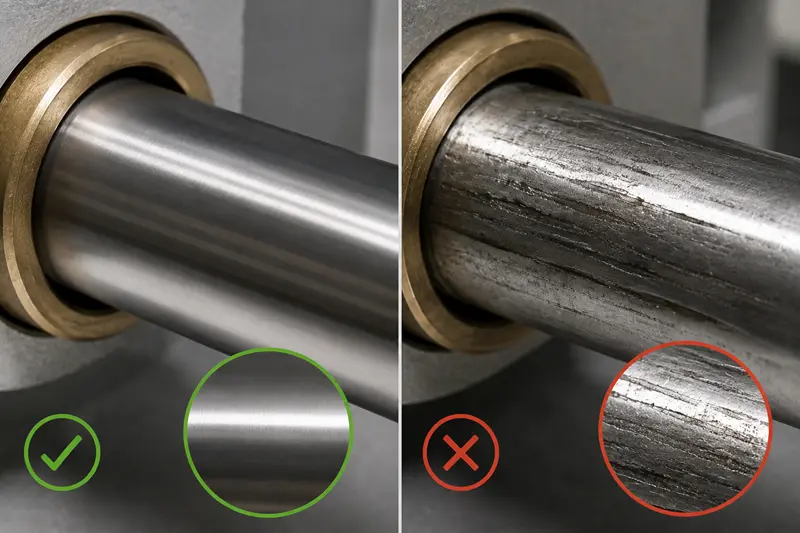
We often get calls from clients who are frustrated with bushing performance. One of the first questions I ask is, "Tell me about your shaft." Its condition is just as important as the bushing itself. We had an OEM customer in the construction equipment sector who reported that a batch of our bimetal bushings was failing prematurely. We had them send us the failed parts along with the mating shafts. The bushings showed severe scoring. When we inspected the shafts under a microscope, we found the problem. Their supplier had a faulty finishing process that was leaving microscopic burrs on the shaft surface. These tiny, sharp edges were acting like cutting tools, machining away the inside of our bushings. The bushing wasn't the problem; it was a victim of a bad shaft.
Three key shaft properties must be controlled:
- Surface Roughness (Ra)[^8]: The surface needs to be smooth enough to not be abrasive, but not so smooth that it can't hold a film of oil. For most applications, a ground or polished surface is required.
- Hardness: The shaft should be harder than the bushing material. More importantly, it needs to be hard enough to resist damage from any contaminants that might get into the system. A soft shaft can get dented or scored, and those damaged areas will then tear up the bushing.
- Surface Defects: The shaft must be completely free of burrs, scratches, or corrosion pits from previous failures. Any sharp defect will cut into the bushing surface and initiate a failure.
| Shaft Issue | Consequence for the Bushing | Solution / Prevention |
|---|---|---|
| High Roughness (Ra) | Acts like sandpaper, causing abrasive wear. | Grind and polish the shaft to the recommended Ra value for the bushing type. |
| Low Hardness | Can be easily damaged by debris, which then scores the bushing. | Use the specified shaft material and proper heat treatment. |
| Burrs or Scratches | Acts as a cutting tool, creating deep grooves and rapid wear. | Deburr all edges and carefully inspect shafts before every assembly. |
Always remember that a bushing and shaft work together as a system. Investing in a quality bushing is wasted if it's installed on a poor-quality shaft.
How Does Dirt and Dust Cause Bushing Seizure?
Your equipment operates in a dirty environment like a farm or construction site, and bushings fail constantly. This downtime is destroying your productivity and budget. The solution is to actively protect your bearings from the outside world.
Dirt, sand, and other hard particles are extremely destructive. When they get into the bearing area, they mix with the lubricant and form an abrasive paste. This paste grinds away at both the bushing and the shaft, a process called three-body abrasion[^9]. This damage quickly ruins the surfaces, destroys the running clearance, and creates the intense heat that leads to seizure.
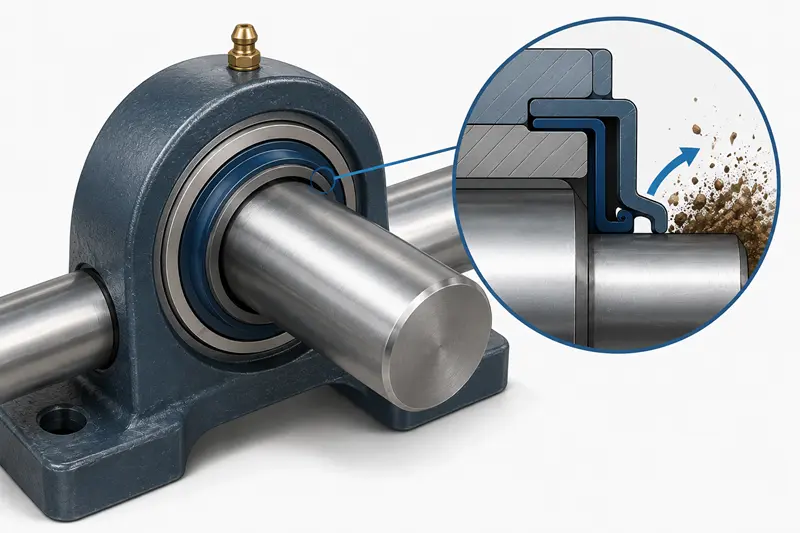
This is a huge issue for our customers in industries like agriculture, mining, and construction. In these environments, contamination is not a possibility; it is a certainty. We often see failures where the bushing material was chosen correctly and the shaft was perfect, but the assembly had no protection from the environment.
When abrasive particles get between the shaft and the bushing, they become the "third body" in the friction equation. They are harder than the bearing surfaces, so they embed into the softer material (usually the bushing) and act like sandpaper, grinding away the harder material (the shaft). This process rapidly widens the clearance, but it also creates a terrible surface finish that can no longer support a lubrication film. From there, a seizure is not far behind.
For any equipment that will operate in dirty conditions, designing a good sealing system is just as important as choosing the right bushing.
- Wiper Seals[^10]: These are simple lip seals installed at the edge of the housing to scrape dirt and dust off the shaft before it can enter the bearing.
- O-Rings: Can provide effective sealing for low-speed or oscillating movements.
- Labyrinth Seals: Create a complex path that makes it difficult for contaminants to travel through.
In many cases, the best solution is a system approach. For example, using a self-lubricating composite bushing[^11] combined with a good wiper seal can create a truly maintenance-free joint that is highly resistant to contamination. As a manufacturer, we can supply components like flanged bushings that are designed to integrate easily with sealing solutions. Protecting the bearing is often more effective than just making the bearing tougher.
Conclusion
Bushing seizure is a system failure, not a part failure. Preventing it requires a complete approach focused on lubrication, correct material choice, proper clearance, shaft quality, and contamination control. Proactive design is the best solution.
[^1]: "[PDF] Transient thermomechanical interactions of shaft-bushing pair in ...", https://repository.lsu.edu/cgi/viewcontent.cgi?article=1201&context=gradschool_theses. This source explains how bushing seizure results from systemic issues, including lubrication, material choice, and clearance, rather than isolated part defects. Evidence role: expert_consensus; source type: education. Supports: Bushing seizure is caused by systemic issues rather than isolated part defects.. [^2]: "[PDF] Fundamentals of Fluid Film Lubrication", https://ntrs.nasa.gov/api/citations/19910021217/downloads/19910021217.pdf. This source defines hydrodynamic lubrication and its role in preventing metal-to-metal contact in mechanical systems. Evidence role: definition; source type: encyclopedia. Supports: Hydrodynamic lubrication prevents metal-to-metal contact by creating a fluid film between surfaces.. [^3]: "Wear - Wikipedia", https://en.wikipedia.org/wiki/Wear. This source explains adhesive wear as a process where metal surfaces weld together and tear apart under friction. Evidence role: mechanism; source type: education. Supports: Adhesive wear occurs when metal surfaces weld together and tear apart under high friction conditions.. [^4]: "Plug Graphite Bearings | National Bronze Mfg.", https://www.nationalbronze.com/plug-graphite-bearings.php. This source describes the self-lubricating properties of graphite-plugged bronze bushings and their applications in intermittent use scenarios. Evidence role: case_reference; source type: research. Supports: Graphite-plugged bronze bushings provide self-lubrication, making them suitable for intermittent use and low-maintenance applications.. [^5]: "Interference fit - Wikipedia", https://en.wikipedia.org/wiki/Interference_fit. This source explains press-fit closure as the reduction in bushing diameter caused by interference fit during assembly. Evidence role: mechanism; source type: education. Supports: Press-fit closure reduces the bushing's inner diameter due to interference fit during assembly.. [^6]: "Thermal expansion - Wikipedia", https://en.wikipedia.org/wiki/Thermal_expansion. This source explains how thermal expansion coefficients affect clearance in mechanical assemblies under operating conditions. Evidence role: mechanism; source type: education. Supports: Thermal expansion coefficients determine how materials expand under heat, impacting running clearance in mechanical systems.. [^7]: "Press-fit bushing guide? : r/Machinists - Reddit", https://www.reddit.com/r/Machinists/comments/btg5sr/pressfit_bushing_guide/. This source provides recommended press-fit dimensions and clearance calculations for bushings to prevent seizure. Evidence role: general_support; source type: institution. Supports: Recommended press-fit dimensions and clearance calculations help prevent bushing seizure in mechanical systems.. [^8]: "Surface roughness", https://en.wikipedia.org/wiki/Surface_roughness. This source defines surface roughness (Ra) and its importance in maintaining lubrication films and preventing abrasive wear. Evidence role: definition; source type: encyclopedia. Supports: Surface roughness (Ra) affects the ability to maintain lubrication films and prevents abrasive wear in mechanical systems.. [^9]: "Mechanical property analysis and dry sand three-body abrasive ...", https://pmc.ncbi.nlm.nih.gov/articles/PMC10794707/. This source explains three-body abrasion as a process where hard particles mix with lubricant, causing wear on mechanical surfaces. Evidence role: mechanism; source type: education. Supports: Three-body abrasion occurs when hard particles mix with lubricant, forming an abrasive paste that damages mechanical surfaces.. [^10]: "Wiper seal - Wikipedia", https://en.wikipedia.org/wiki/Wiper_seal. This source describes wiper seals and their role in protecting mechanical assemblies from dirt and dust. Evidence role: definition; source type: encyclopedia. Supports: Wiper seals protect mechanical assemblies by scraping dirt and dust off shafts before they enter the bearing area.. [^11]: "Composite Self-Lubricating Bushings - AST Bearings", https://www.astbearings.com/composite-self-lubricating-bushings.html. This source describes self-lubricating composite bushings and their resistance to contamination in dirty environments. Evidence role: case_reference; source type: research. Supports: Self-lubricating composite bushings resist contamination and provide maintenance-free operation in dirty environments..