Picking the wrong bearing material causes equipment failure. This means expensive downtime for your operations. Let's look at brass versus bronze to find the reliable choice for your needs.
In most cases, bronze is the superior choice for bearings. It offers excellent wear resistance[^1], high strength, and good self-lubricating properties, making it ideal for heavy-duty and high-friction applications. Brass is better suited for lighter, low-stress structural parts where cost is a primary concern.
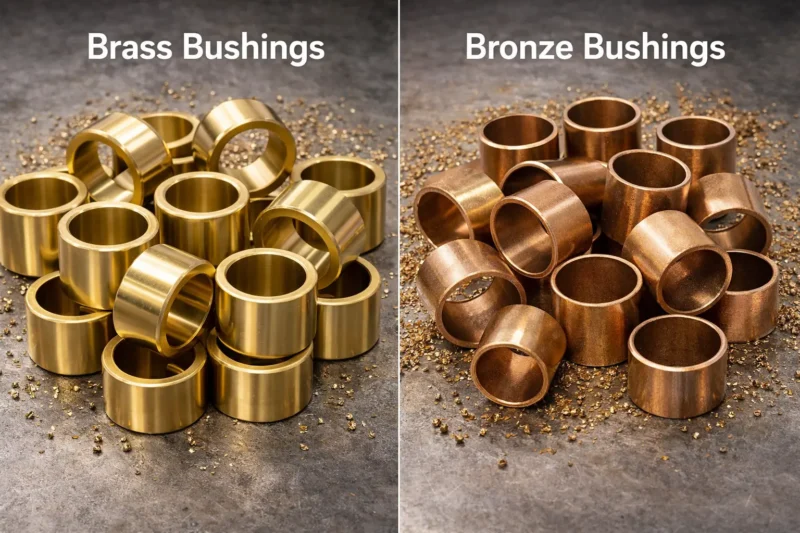
So, the quick answer is to choose bronze. But as a manufacturer, I know the decision often involves more than just a simple rule. Factors like load, speed, environment, and cost all play a critical role. To really make the best choice for your specific equipment, we need to dive a little deeper into the properties of each material. Let's break it down further.
Why is bronze the go-to choice for heavy-duty bearings?
Your heavy equipment demands bearings that can withstand constant stress. A material failure leads to costly breakdowns. This is why bronze is trusted for its superior strength and reliability.
Bronze is the standard for heavy-duty bearings because of its exceptional properties. It has high wear resistance, can handle heavy loads and high temperatures, and even has some self-lubricating qualities. This combination ensures long life and reliable performance in tough industrial environments[^2].
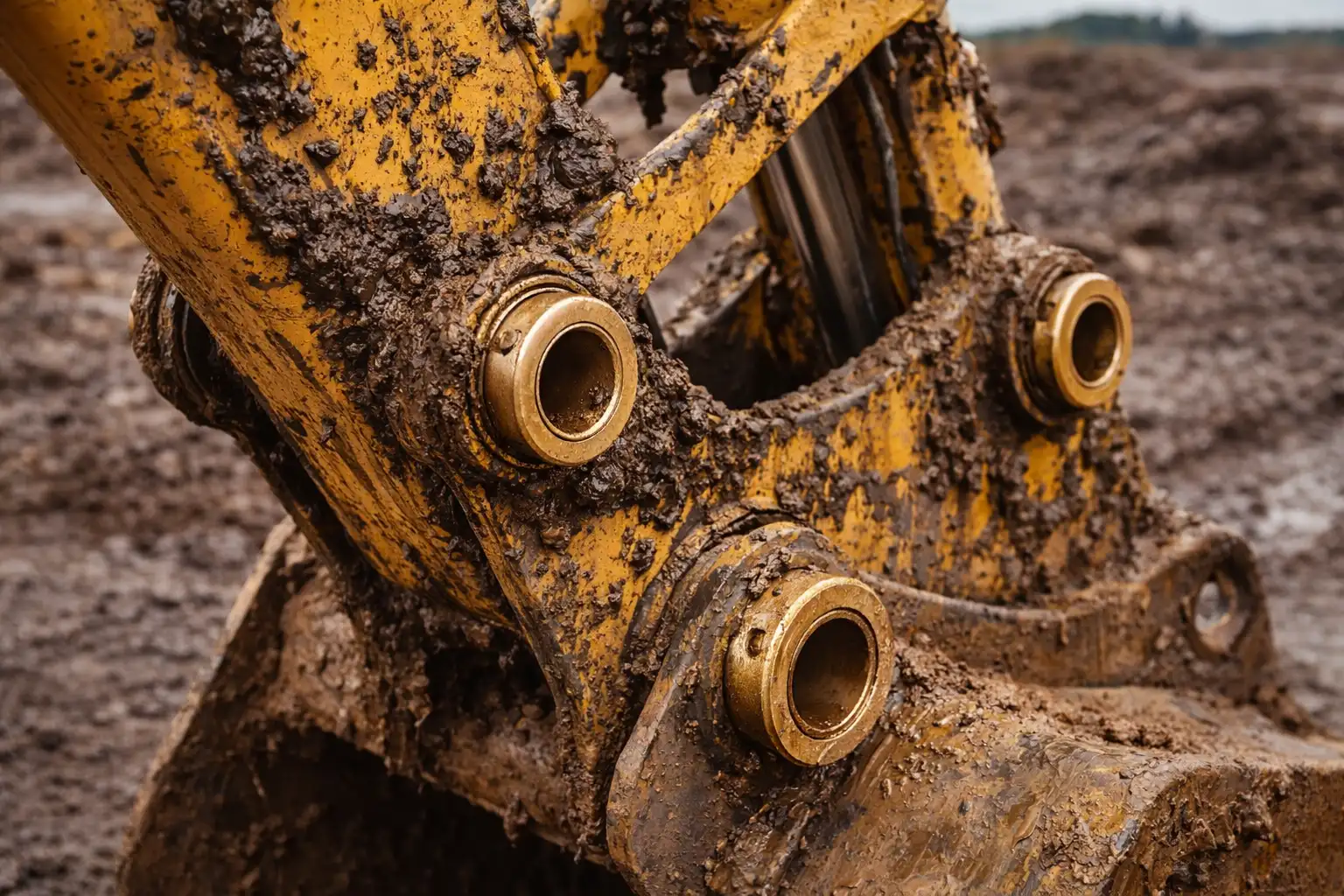
When we talk about performance in bearings, we are really talking about a few key things. Bronze excels in all these areas, which is why we use it so often in our factory for our customers' most demanding projects.
Key Performance Attributes of Bronze
First, bronze is incredibly tough and wear-resistant. In applications where parts are constantly rubbing together, like in a rotating shaft, you need a material that does not wear down quickly. The unique crystalline structure of bronze helps it withstand this constant friction, ensuring a longer service life.
Load and Heat Capacity
Second, it can handle heavy loads without deforming. We manufacture bronze bushings for construction and agricultural machinery, where the forces are immense. Brass simply would not hold up under that kind of pressure. Bronze also manages heat well, which is very important because friction always generates heat. A bearing that can dissipate heat effectively is a bearing that will last longer.
Here is a simple breakdown of common bronze types we work with:
| Bronze Type | Key Feature | Common Application |
|---|---|---|
| Tin Bronze (e.g., C93200) | Excellent wear resistance | General purpose bearings, bushings |
| Aluminum Bronze | High strength & corrosion resistance[^3] | Marine equipment, heavy-duty gears |
| Leaded Bronze | Improved self-lubrication | High-speed, medium-load applications |
This versatility makes bronze the reliable backbone for industrial bearings.
So, is there ever a good reason to use brass instead?
Sometimes, you need a reliable part without the high cost of premium materials. Over-engineering with bronze can hurt your budget. Brass provides a practical, affordable alternative for certain situations.
Yes, brass is a good choice for applications that do not involve heavy loads or high friction. It is easier to machine and less expensive than bronze, making it ideal for decorative parts, fittings, or low-stress structural components where wear resistance is not the top priority.
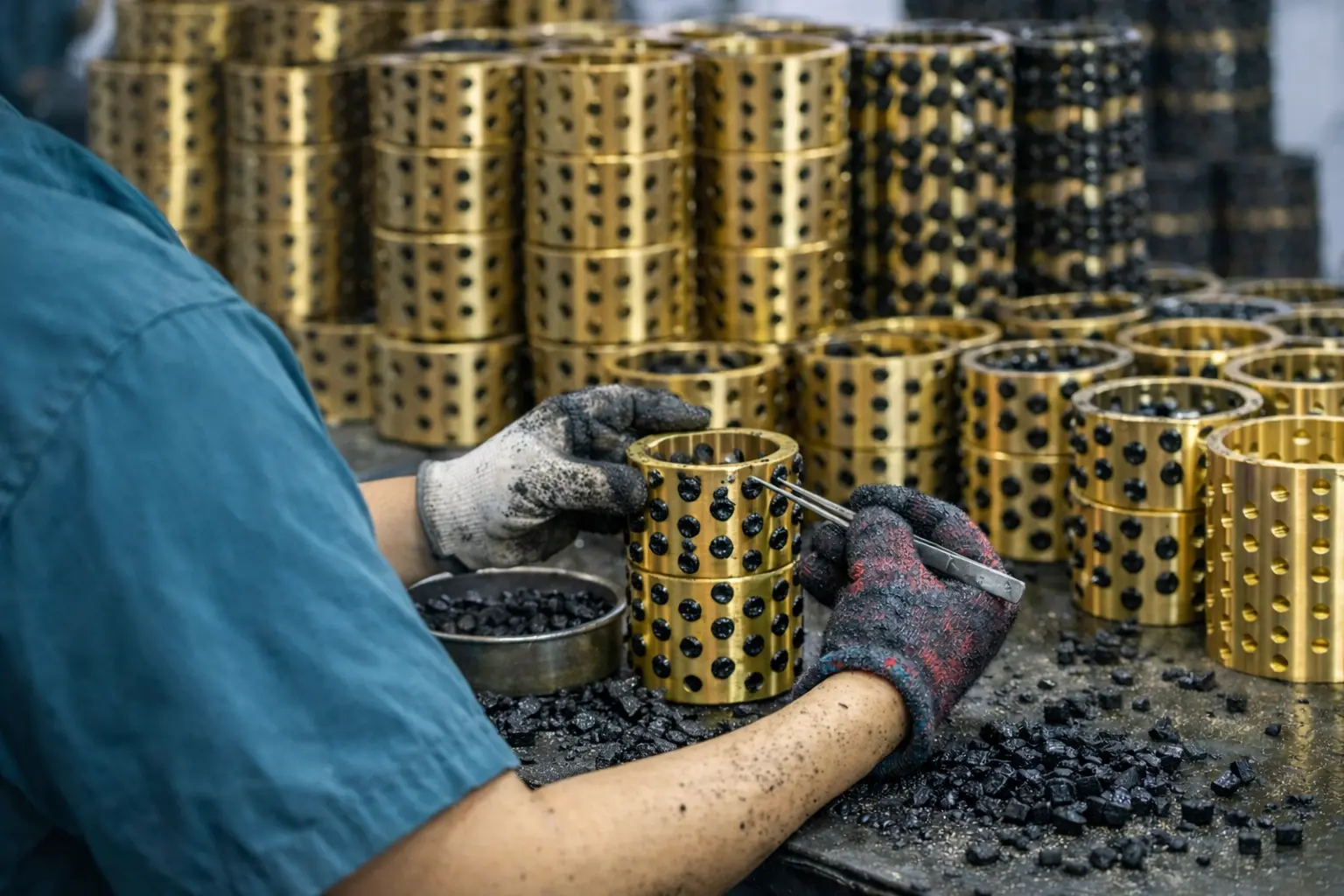
While brass is not our first choice for a bearing, it definitely has its place in manufacturing. Its main advantage is cost-effectiveness. The material itself is generally cheaper, and it is much easier to machine. This means we can produce brass parts faster and with less tool wear in our factory, which translates to lower costs for our customers.
Where Brass Shines
We often receive requests for brass components for applications like these:
- Fittings and Connectors: Its good corrosion resistance makes it great for plumbing and electrical fittings where there is no sliding movement.
- Decorative Elements: Brass has a desirable golden appearance and is very easy to polish to a bright finish.
- Low-Stress Structural Parts: In situations with no sliding motion and low loads, brass works perfectly well as a spacer or a simple bracket.
The Critical Limitation
However, it is crucial to understand its limits. Brass is much softer than bronze and wears out quickly under friction. If you use a brass part in a high-load, rotating application, it will fail much sooner than a bronze one. I remember a case early in my career where a client insisted on brass for a light-duty conveyor to save on initial costs. We had to go back and replace all the parts with bronze within a year. It is a powerful lesson in choosing the right material for the job, not just the cheapest one.
How do you compare their properties side-by-side?
Technical data sheets are often filled with confusing numbers. It is easy to focus on one property and miss the bigger picture. Let's compare brass and bronze on the key factors.
When compared side-by-side, bronze consistently outperforms brass in properties crucial for bearings. Bronze offers superior hardness, wear resistance, and load-bearing capacity. Brass has the advantage in machinability and lower cost but falls short in the strength and durability needed for most bearing applications.
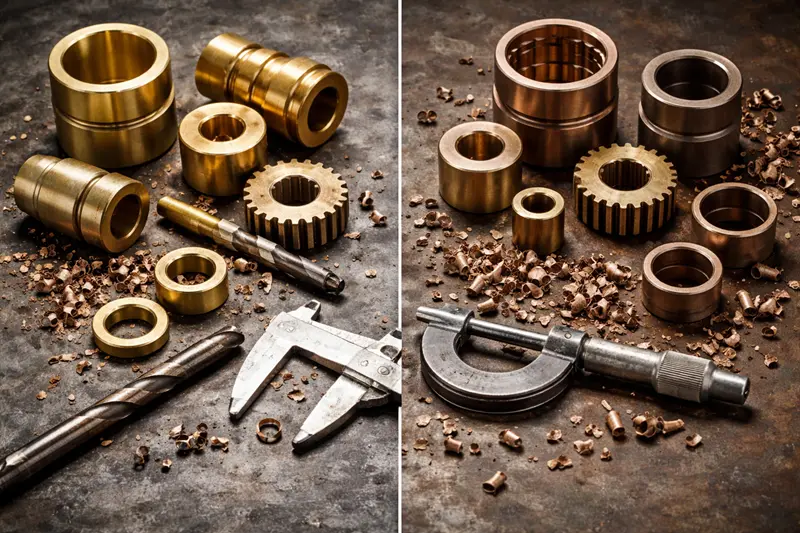
To make a clear decision, it helps to see the materials compared directly. As a factory, we evaluate materials based on how they perform in real-world conditions. For a purchasing manager at an OEM, seeing these differences in a simple format is key to justifying a choice to your engineering team.
Here is a straightforward comparison of the properties that matter most for bearing and bushing applications.
| Property | Bronze | Brass | Why It Matters for Bearings |
|---|---|---|---|
| Wear Resistance | High | Low | Determines how long the bearing lasts under friction. High is essential. |
| Strength | High | Medium | Ability to handle heavy loads without deforming or breaking. |
| Hardness | High | Low | Resists surface indentation and scratching, contributing to longer life. |
| Machinability | Good | Excellent | Affects manufacturing cost. Easier machining means lower cost. |
| Corrosion Resistance | Very Good | Good | Important for use in wet or chemical environments. |
| Cost | Higher | Lower | A primary factor in budget decisions for any project. |
Looking at this table, the choice becomes clear. For any part that needs to withstand friction and pressure, bronze is the engineered solution. Brass is the economic choice for parts that do not face those same stresses.
Does choosing bronze always mean a higher project cost?
The higher initial price of bronze can make you hesitate. But consider the hidden costs of equipment failure and replacement labor. The true expense is about total cost over time.
While bronze has a higher upfront material cost, it often leads to a lower total cost of ownership. Its durability means fewer replacements, less downtime, and lower maintenance labor costs over the life of the equipment. For critical applications, bronze is the more economical long-term investment.

I often speak with purchasing managers who are under pressure to reduce costs. The price tag on a bronze bearing compared to a brass one can seem like an easy place to save money. However, this is where we need to think about the Total Cost of Ownership (TCO).
Upfront Cost vs. Lifetime Value
The TCO is not just the price you pay for the part today. It includes several other factors:
- Material Cost: The initial purchase price. Here, brass is cheaper.
- Replacement Cost: How often you need to buy a new part. Bronze lasts much longer.
- Labor Cost: The expense of paying someone to stop the machine and install the new part.
- Downtime Cost: This is often the biggest hidden expense. How much money do you lose every hour your machine is not running?
When you add all these factors up, the "cheaper" brass bearing can become incredibly expensive over the life of the machine. For a critical piece of industrial equipment, using bronze is not a luxury; it is a smart financial decision that prevents costly failures and protects your production schedule. It is an investment in reliability.
Conclusion
For reliable, long-lasting performance in bearings, choose bronze. Its strength and wear resistance are unmatched. Reserve brass for low-stress, non-moving parts where cost is the main driver.
[^1]: Understand the importance of wear resistance in prolonging the life of bearings. [^2]: Learn about the specific demands placed on bearings in industrial settings. [^3]: Learn why corrosion resistance is crucial for materials used in harsh environments.