Struggling to find custom bushings for your new project? You need a small test batch, but high minimum order quantities (MOQs) are stopping you. It's a common roadblock for innovation.
The true cost of low MOQ custom bushings depends more on the manufacturing process and tooling needs than the quantity itself.[^1] Machined parts are easier for small batches, while parts requiring molds, like sintered bushings, have high upfront costs regardless of the order size.
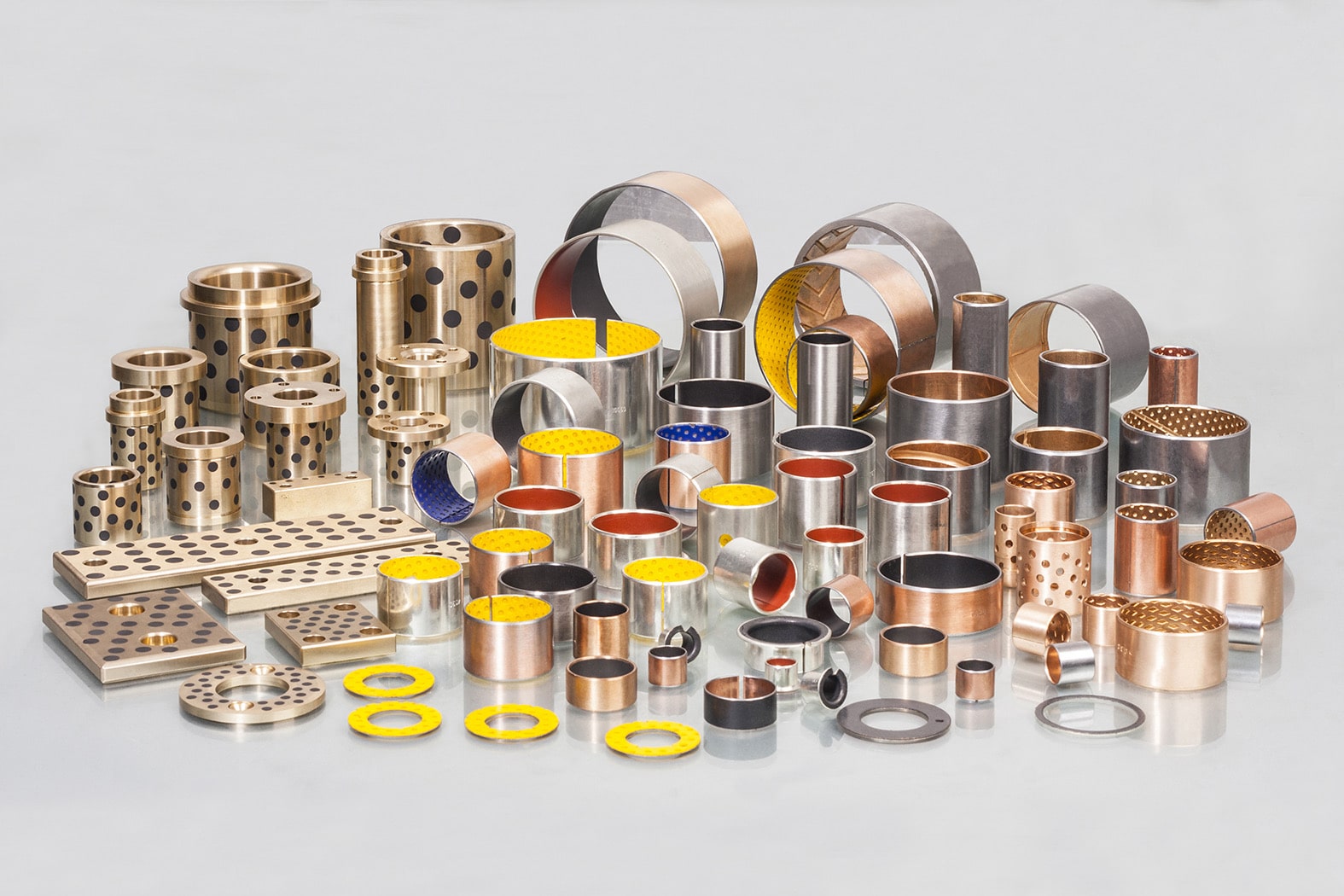
As a factory owner, I see this conversation happen every day. An OEM buyer needs to develop a new product and wants to test a few custom bushings first. It's a smart way to reduce risk. But there's a disconnect. Many buyers assume that the cost per bushing is the main factor, when in fact, the manufacturing method is far more important. The relationship between order quantity and price is not a straight line. Understanding this difference is the key to getting your project off the ground without breaking the bank. Let's dive into what really matters when you're sourcing a small batch of custom parts.
Why Is Low MOQ Easier for Some Bushings Than Others?
You found a supplier who promised a low MOQ, but they rejected your design. This is confusing and delays your project. The solution is knowing which bushing types fit low-volume production.
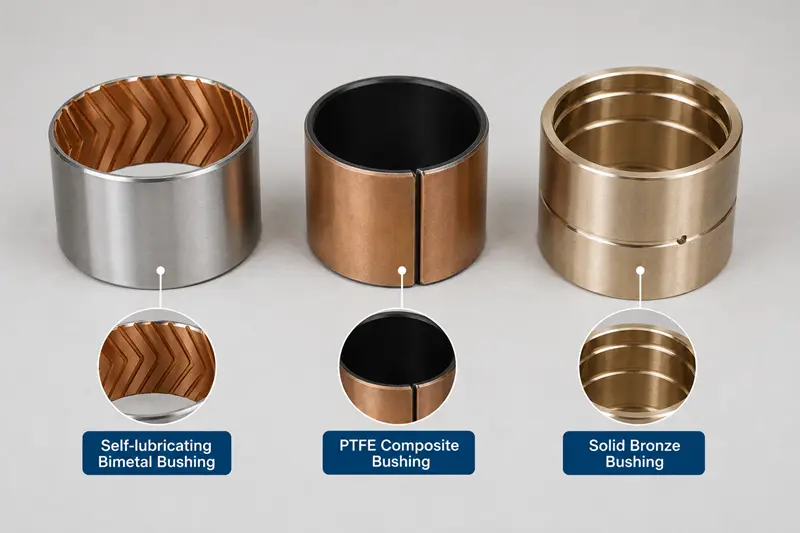
Machined bushings, like those made from solid bronze, don't require expensive molds, making small batches much easier to produce.[^2] In contrast, sintered or composite bushings often need custom tooling, making low quantities expensive regardless of the MOQ.
Dive Deeper: Process Determines Feasibility
In our factory, the first question we ask is not "how many?" but "how do we make it?" The manufacturing process is the single biggest factor in determining the feasibility and cost of a low-quantity order. Some processes are flexible, while others are built for scale.
Machining-Based Processes
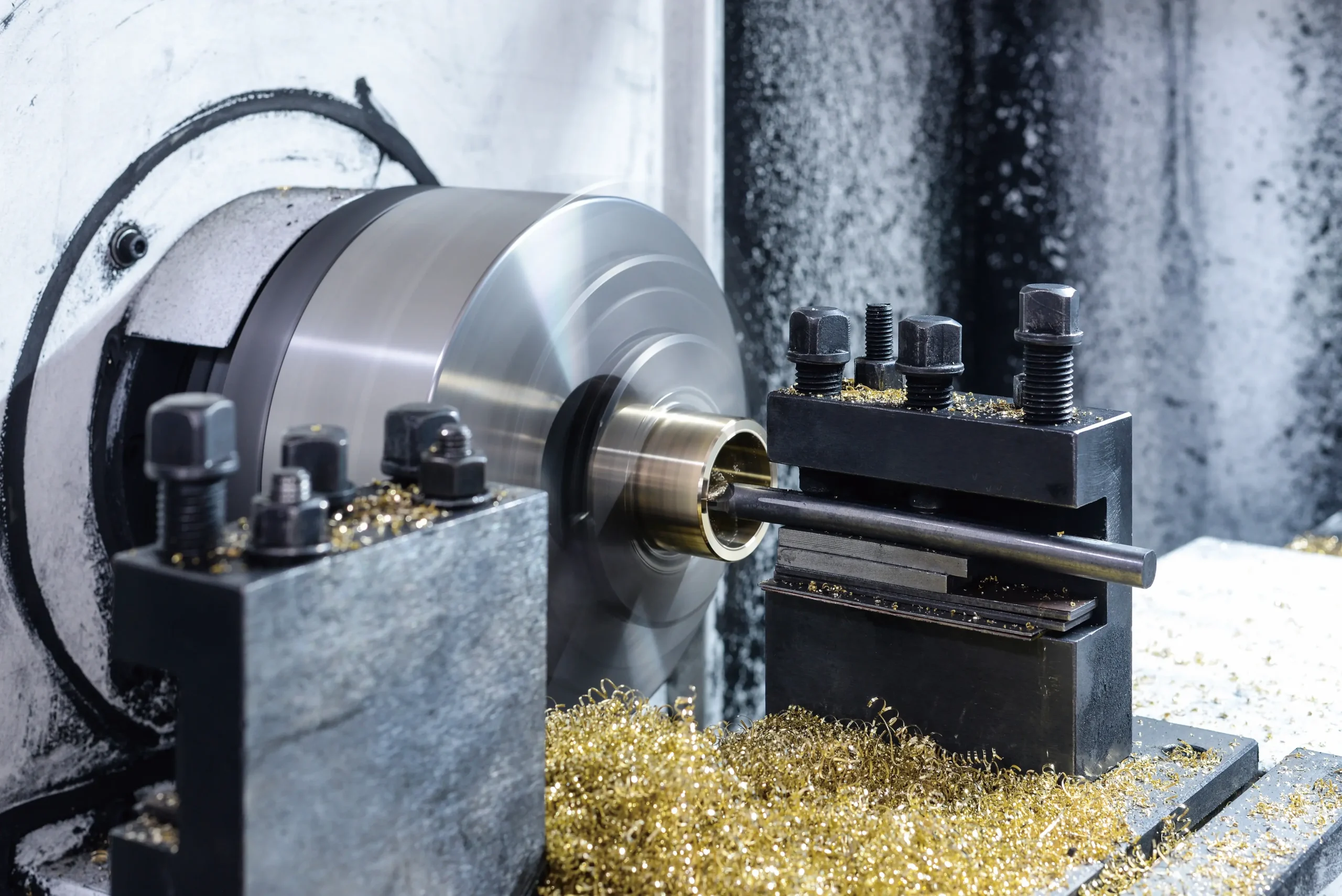
These methods are ideal for prototypes and small runs. We take a solid bar or tube of material and cut it down to your exact specifications using CNC lathes or milling machines. There's no need for expensive, part-specific molds.
Tooling-Dependent Processes
These methods are designed for mass production. Processes like sintering (powder metallurgy) or deep drawing require custom molds, dies, and punches.[^3] These tools are expensive to design and create. The cost of this tooling is the same whether we produce 50 pieces or 5,000 pieces.
Here is a simple breakdown:
| Bushing Type | Typical Process | Low MOQ Feasibility | Why? |
|---|---|---|---|
| Solid Bronze Bushings | Machining | Easy | No custom mold needed. |
| Graphite Plugged Bushings | Machining & Drilling | Easy | Standard processes on a custom part. |
| Sintered Bronze Bushings | Sintering / Powder Metallurgy | Difficult | Requires a dedicated sizing mold. |
| Bimetal/Composite Bushings | Stamping & Rolling | Difficult | Requires custom punching and forming tools. |
So, if your design can be machined, getting a small batch is straightforward. If it requires a mold, we need to talk about tooling costs, not just the MOQ.
Is Tooling Cost More Important Than the MOQ?
You keep asking suppliers for their MOQ, but the price quotes are confusing. The price doesn't scale down with the quantity as you expect. You need to shift your focus from quantity to tooling.
Yes, for many custom bushings, the one-time tooling cost is the biggest financial factor. This upfront investment can make 100 pieces cost almost as much as 500, because the manufacturing cost per piece is small in comparison.
Dive Deeper: The Question We Really Ask
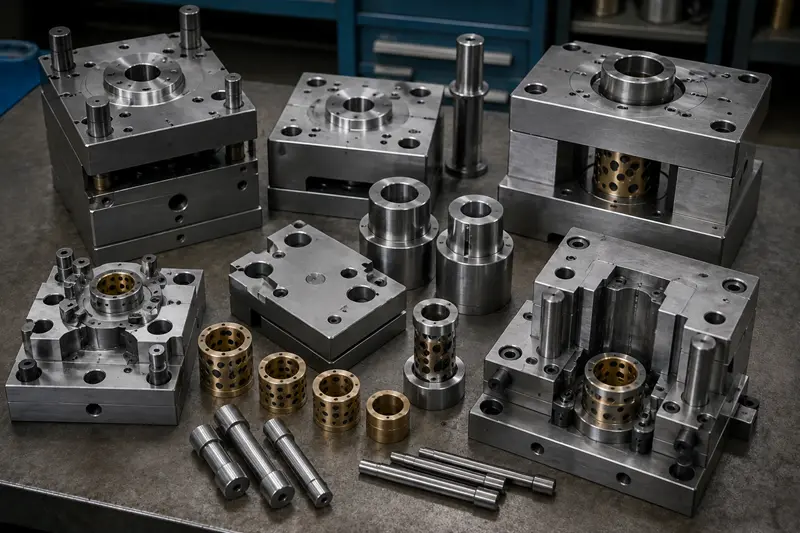
When a buyer asks me, "What is your MOQ?", the real question running through my head is, "Does this part need new tooling?" If the answer is yes, then the conversation changes completely. The initial investment in tooling is often the largest part of the quote for a small order.
This is why pricing can seem strange. For example:
- An order for 100 pieces might have a high unit cost.
- An order for 500 pieces might have a very similar total cost.
- An order for 5,000 pieces will have a dramatically lower unit cost.
The reason is that the tooling cost gets spread out over more parts. Think of it like this:
| Cost Component | Order for 100 Pieces | Order for 5,000 Pieces |
|---|---|---|
| Tooling Cost (Fixed) | $1,000 | $1,000 |
| Unit Material & Labor Cost | $1.00 / piece | $1.00 / piece |
| Total Unit Cost | $11.00 ($1000/100 + $1) | $1.20 ($1000/5000 + $1) |
This table is a simple example, but it shows the massive impact of that fixed tooling cost. The investment is in the capability to produce your part consistently.[^4] Once that's paid for, the cost to make each additional bushing drops significantly. So, the next time you get a quote, ask about the tooling cost breakdown. It will tell you much more than the MOQ.
Should You Use Low MOQ Orders for Cost Savings?
You want to test a new design without a large budget. But focusing on the lowest unit price for a prototype can be misleading and risky. The right approach is to use low MOQ for validation.
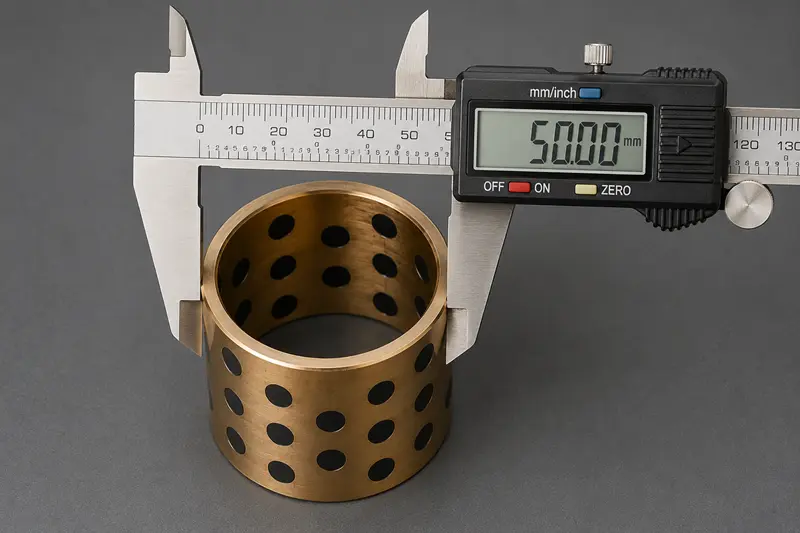
No. The main goal of a low MOQ order is not cost savings, but design validation. Use this small batch to confirm the bushing's fit, material choice, and performance in your actual assembly before committing to mass production.[^5]
Dive Deeper: Invest in Validation, Save in Production
I've seen many projects get into trouble by trying to cut costs at the prototype stage. True cost optimization doesn't happen on an order of 50 pieces. It happens when we are producing 50,000 pieces. The initial small order is your chance to make sure you're getting the right part.
Your focus during the low MOQ phase should be on answering critical questions:
- Design Validation: Does the bushing fit perfectly in the housing and on the shaft? Are the tolerances correct?
- Material Validation: Is the chosen material right for the load, speed, and environment? Will it wear out too quickly?
- Assembly Testing: Does it assemble easily on your production line? Are there any unexpected issues?
I remember a client who insisted on the cheapest possible material for a prototype to save a few hundred dollars. The bushing failed during their first field test. That failure cost them months in project delays and a complete redesign, far more than the initial savings. A low MOQ order is an investment in certainty. It's your insurance policy against much larger problems down the road. By spending a little more to validate your design with the right material and precise dimensions, you ensure that your mass production run is smooth, efficient, and cost-effective.
How Can You Reduce Costs on a Low MOQ Order?
Your low MOQ quote is still higher than you expected. You might feel that the factory isn't taking your small project seriously. The best way to solve this is by providing complete information upfront.
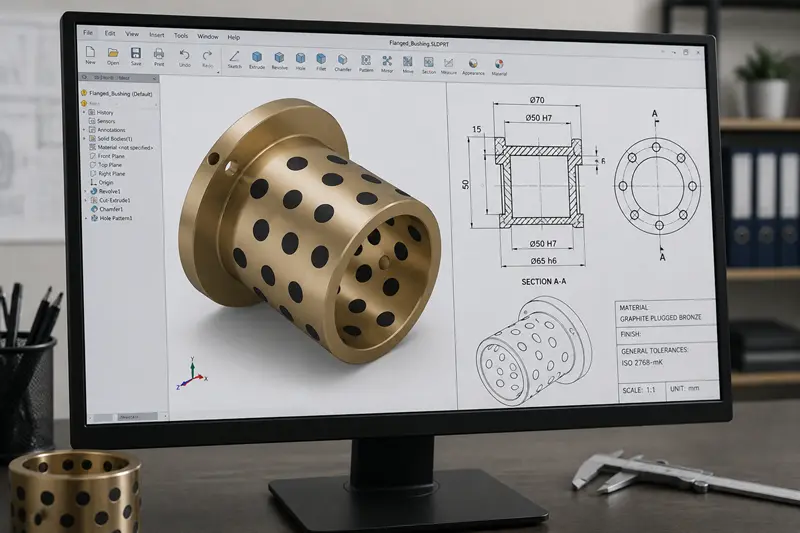
The most effective way to reduce costs on a small custom order is to provide complete and accurate information. Detailed drawings, material requirements, and operating conditions help us select the most efficient manufacturing method without expensive guesswork.
Dive Deeper: Help Us Help You
From a factory's perspective, uncertainty is expensive. When we receive an inquiry with incomplete information, we have to make assumptions. We might choose a more expensive material or a less efficient process just to be safe. This protects us, but it drives up your cost.
The more you tell us, the better we can optimize the process for you. If you can provide the following, you will get a much more accurate and often lower quote:
- A Complete Drawing: This should include all dimensions, tolerances, and special features. It is the single most important document.
- Material Requirements: Be specific. "Bronze" is not enough. Is it C93200, C95400, or something else? If you're not sure, describe the application.
- Shaft Information: What is the shaft material and hardness? Is it lubricated? This helps us choose a compatible bushing material.
- Load and Speed Conditions: How much weight will the bushing support, and how fast will it move? This is critical for performance.
- Annual Forecast Demand: Even if you only need 100 pieces now, knowing you plan to order 10,000 next year changes everything. It tells us that investing in more efficient tooling might be a smart choice for both of us in the long run.
Providing this information shows that you are a serious partner. It turns the conversation from "can you make this cheap?" to "how can we build a successful product together?"
Is the Supplier with the Lowest MOQ the Best Choice?
You found a supplier online promising "No MOQ!" or "1 Piece Accepted." This sounds great, but for a complex custom part, it might be too good to be true. You should look beyond the MOQ.
Not always. For standard, off-the-shelf parts, a supplier with no MOQ is convenient. But for true OEM custom projects, you need a manufacturing partner who provides engineering support, helps with material selection, and can guarantee consistency for future mass production.
Dive Deeper: A Sample Seller vs. a Manufacturing Partner
There's a huge difference between a supplier who can sell you one piece and a partner who can help you scale to one million pieces. A supplier with "No MOQ" might be a trader who buys and sells standard parts, or a small machine shop that can only handle simple jobs.[^6] This might be fine for a basic prototype, but it can become a problem later.
Your final goal isn't just to get a single sample. Your goal is to establish a reliable supply chain for a product you will sell for years.[^7] You need a partner who can grow with you.
Here’s how a simple trader compares to a true OEM manufacturing partner:
| Feature | Low MOQ Trader | OEM Manufacturing Partner |
|---|---|---|
| Focus | Selling a single item | Building a long-term supply chain |
| Support | Basic sales service | Engineering & material support |
| Capability | Limited to standard or simple parts | Complex custom parts, multiple processes |
| Consistency | May vary from batch to batch | High consistency and quality control |
| Scalability | Poor | Excellent, from prototype to mass production |
When you choose a supplier for your custom bushing, you are not just buying a part. You are choosing a partner for your product's future. The right partner will see your small validation order as the beginning of a long-term relationship.[^8] They will invest their expertise to ensure your project succeeds, because your success is their success.
Conclusion
Use low MOQ orders to reduce project risk and validate your design. The real goal is finding a long-term manufacturing partner, not just getting the lowest cost on a sample.[^9]
[^1]: "A 2026 Guide to Minimum Order Quantity (MOQ) - Impact Analytics", https://www.impactanalytics.ai/blog/moq. This source explains how manufacturing processes and tooling requirements influence the cost structure of low MOQ orders for custom bushings. Evidence role: mechanism; source type: education. Supports: The cost of low MOQ custom bushings is primarily influenced by manufacturing processes and tooling needs rather than the order quantity.. [^2]: "Customizable Machined Bushings - Bushing MFG", https://bushingmfg.com/machined-bushings/. This source provides an overview of why machined bushings are more feasible for low MOQ production due to the absence of mold requirements. Evidence role: mechanism; source type: encyclopedia. Supports: Machined bushings are easier to produce in small batches because they do not require expensive molds.. [^3]: "Sintering design recommendations | AMES recommended shapes", https://ames-sintering.com/sintering-design-recommendations/. This source explains the tooling requirements for sintering and deep drawing processes, highlighting their cost implications for low MOQ orders. Evidence role: mechanism; source type: education. Supports: Sintering and deep drawing processes require custom molds, dies, and punches, making them less suitable for low MOQ production.. [^4]: "Tooling in Manufacturing: The Backbone of Precision Production", https://shoplogix.com/tooling-in-manufacturing/. This source explains how tooling investments ensure consistent production quality for custom parts. Evidence role: mechanism; source type: education. Supports: Tooling investments are crucial for ensuring consistent production quality in custom parts manufacturing.. [^5]: "Small Batch | CPSC.gov", https://www.cpsc.gov/FAQ/Small-Batch. This source highlights the importance of using small batch orders for design validation before mass production. Evidence role: expert_consensus; source type: education. Supports: Small batch orders are essential for validating design, material choice, and performance before mass production.. [^6]: "Minimum Order Quantity (MOQ): Formula, Tips, & Benefits | NetSuite", https://www.netsuite.com/portal/resource/articles/inventory-management/minimum-order-quantity-moq.shtml. This source explains the limitations of suppliers offering "No MOQ" for complex custom parts. Evidence role: expert_consensus; source type: education. Supports: Suppliers offering "No MOQ" often have limited capabilities for complex custom parts.. [^7]: "Building Resilient Supply Chains: Strategies and Successes for ...", https://www.nist.gov/blogs/manufacturing-innovation-blog/building-resilient-supply-chains-strategies-and-successes. This source emphasizes the importance of building a reliable supply chain for long-term product success. Evidence role: expert_consensus; source type: education. Supports: Establishing a reliable supply chain is crucial for long-term product success.. [^8]: "Managing Relationships with Suppliers and Vendors You Use", https://www.apu.apus.edu/area-of-study/business-and-management/resources/managing-relationships-with-suppliers-and-vendors-you-use/. This source discusses how manufacturing partners view small validation orders as opportunities for long-term collaboration. Evidence role: expert_consensus; source type: education. Supports: Manufacturing partners often view small validation orders as opportunities for long-term collaboration.. [^9]: "The Impact of Partnerships and Information Sharing on Corporate ...", https://pmc.ncbi.nlm.nih.gov/articles/PMC9311420/. This source explains why prioritizing long-term partnerships over cost savings is essential in custom manufacturing. Evidence role: expert_consensus; source type: education. Supports: Prioritizing long-term partnerships over cost savings is essential in custom manufacturing..