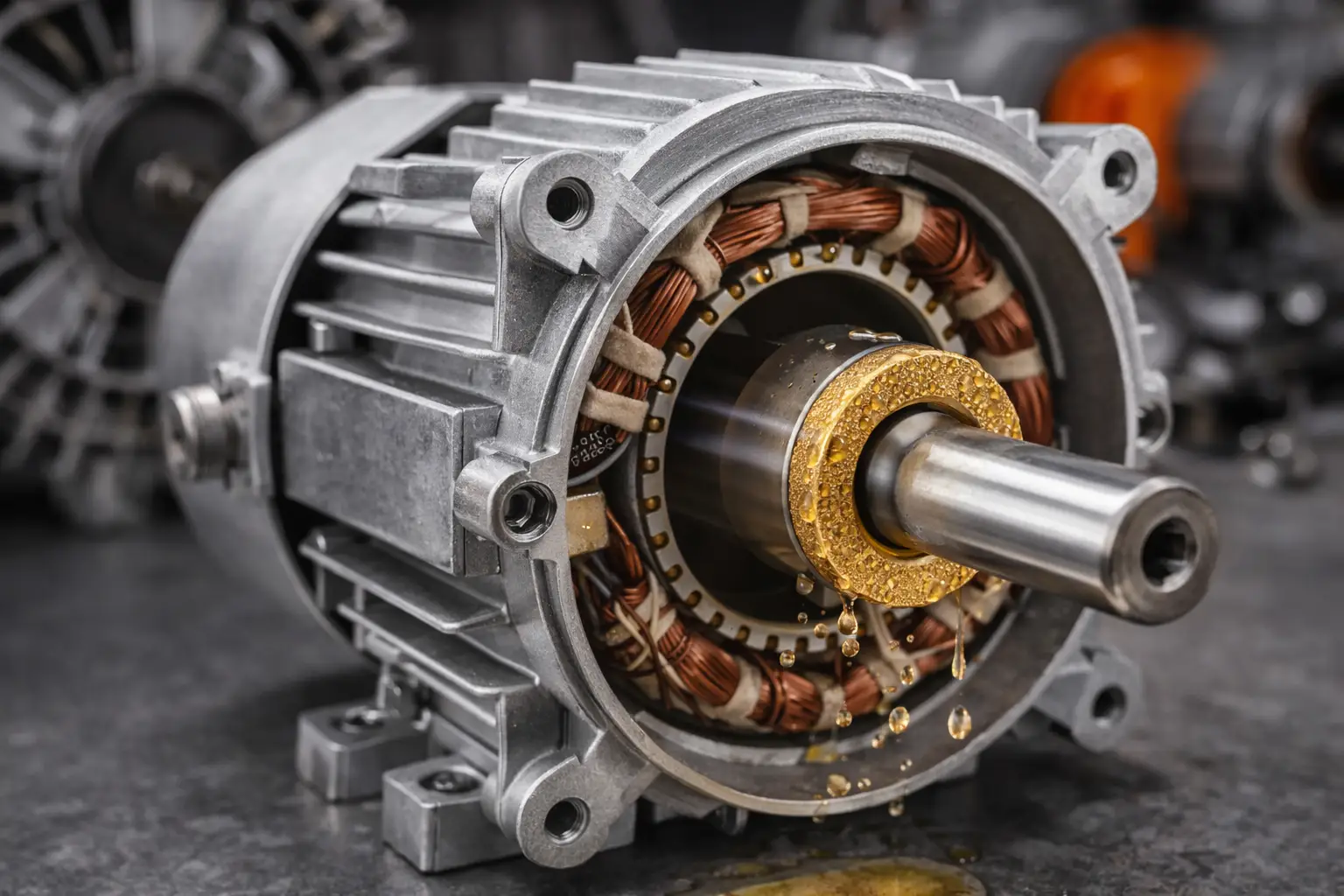
Struggling to find a bushing that lubricates itself? Maintenance downtime costs money and time. Sintered bronze bushings offer a built-in solution for consistent performance and lower upkeep.
Sintered bronze bushings are self-lubricating components made through powder metallurgy.[^1] Their porous structure is impregnated with oil, which is released during operation.[^2] This provides continuous lubrication, reduces maintenance, and is highly cost-effective for mass production, making them ideal for many OEM applications.
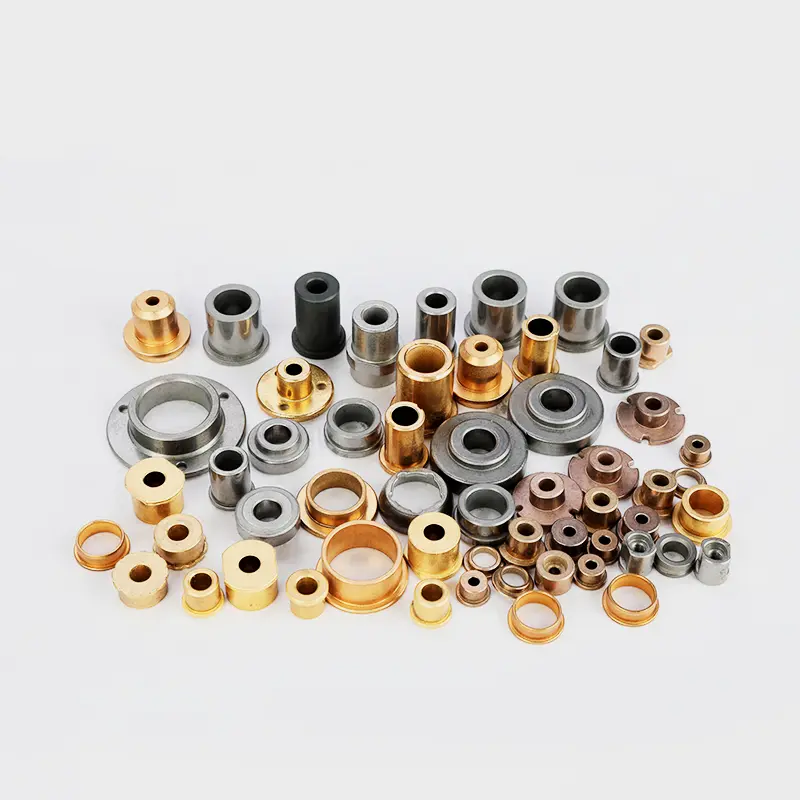
Many of our customers, especially in the OEM space, ask about these bushings. They often hear "self-lubricating" and wonder what that really means for their equipment. Let's break down the real-world advantages you get when you choose this type of bushing for your project.
What Are the Main Benefits of Sintered Bronze Bushings?
Worried about high maintenance costs and inconsistent performance? Bushings that need frequent greasing cause delays. Sintered bronze bushings solve this by providing reliable, built-in lubrication from day one.
The primary benefits are significantly reduced maintenance and consistent lubrication. Because oil is stored within the bushing itself, it ensures smooth, quiet operation. This makes them cost-effective and dimensionally stable for high-volume production lines, a key advantage for OEMs.
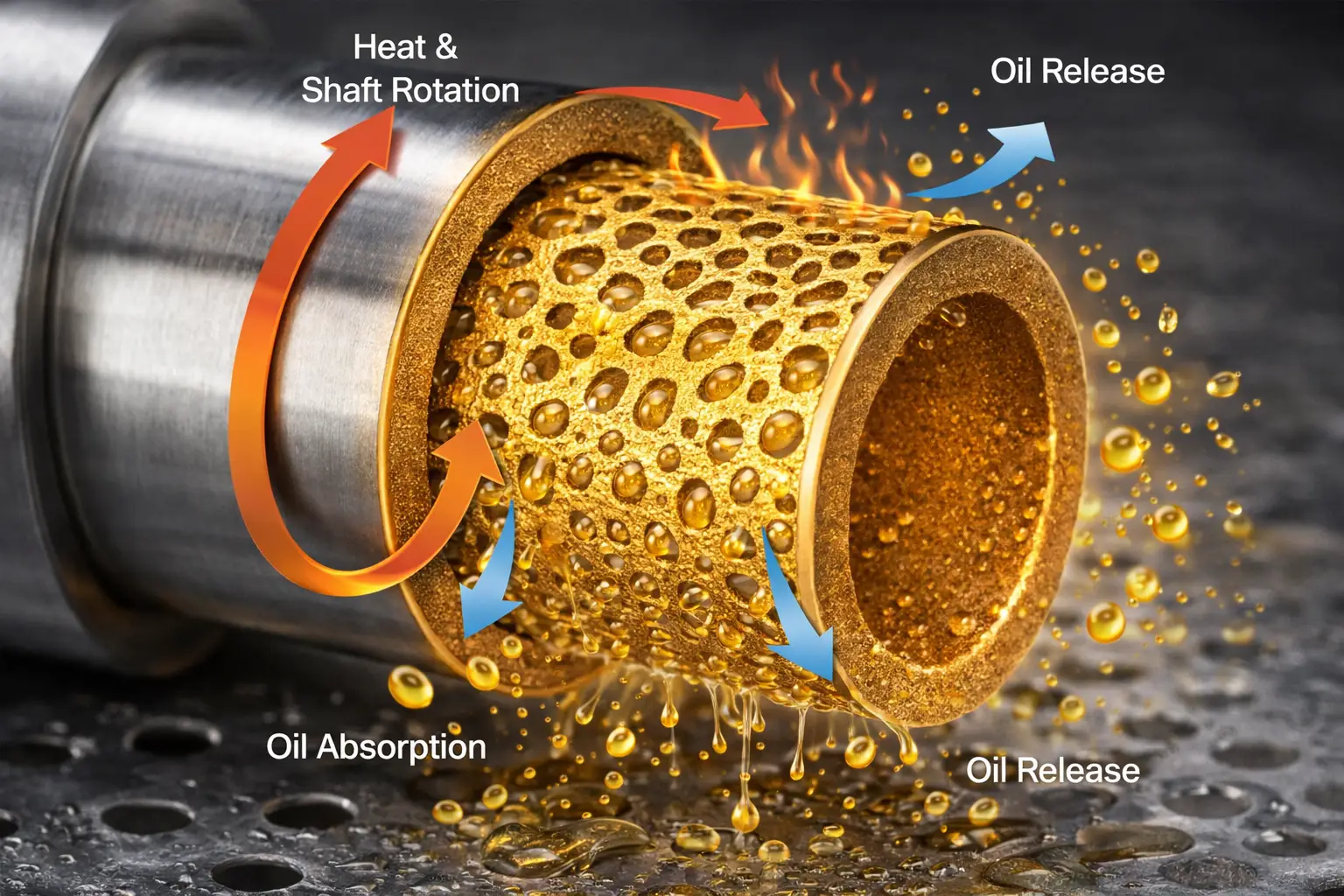
From our factory's perspective, the value of sintered bronze bushings comes from a balance of features, not just one. They are not just "maintenance-free." They are a smart engineering choice for specific conditions. Let's look closer at these advantages.
-
Self-Lubrication and Reduced Maintenance
The oil stored in the pores creates a constant lubricating film. This is perfect for machines where manual greasing is difficult or forgotten. For OEMs, this translates to a more reliable end product with a lower total cost of ownership for the customer. It's a "low-maintenance" solution, not "no-maintenance."
-
Cost-Effectiveness and Consistency
Powder metallurgy is an automated process ideal for making thousands of identical parts.[^3] For large OEM orders, this significantly lowers the cost per unit compared to machining solid bronze. The molding process also ensures high dimensional accuracy across large batches, which is critical for automated assembly lines.[^4]
| Benefit | Factory Insight | Impact on Your Business |
|---|---|---|
| Reduced Maintenance | "Low-maintenance," not "no-maintenance." | Lower warranty claims and labor costs. |
| Cost-Effective Volume | Powder metallurgy is built for scale. | Reduced component cost for OEM projects. |
| Quiet Operation | The oil film dampens vibration and noise.[^5] | Improved end-product quality and user experience. |
| Dimensional Consistency | Molding is more repeatable than machining. | Fewer delays on your assembly line. |
Where Are Sintered Bronze Bushings Commonly Used?
Choosing the wrong bushing can lead to early failure. You need a reliable part for your specific application. Sintered bronze bushings are perfect for many common light to medium-duty machines.
Sintered bronze bushings excel in applications with moderate speeds and loads where frequent maintenance is impractical.[^6] You'll find them in electric motors, fans, home appliances, power tools, and office equipment.[^7] Their self-lubricating nature makes them a reliable choice for these high-volume products.
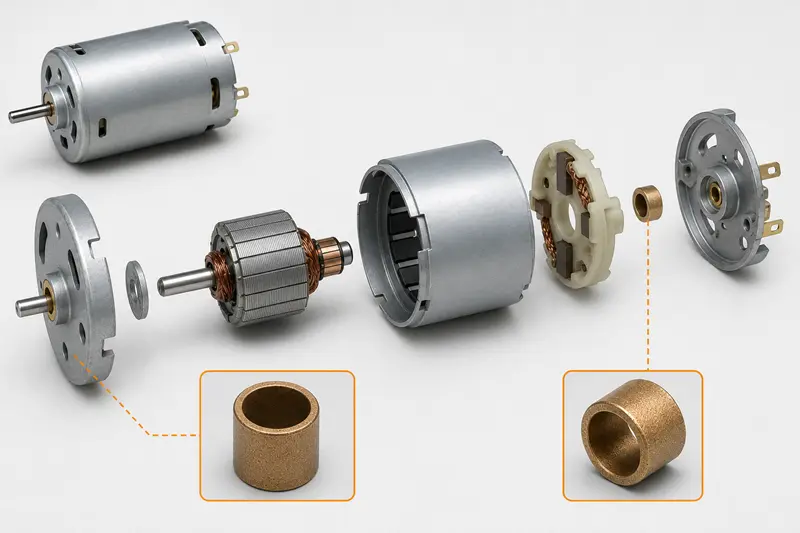
We see these bushings used across many industries. The common thread is always the same: the application needs reliable, long-term lubrication without manual intervention, and it does not involve extreme loads. A purchasing manager like Sophia, who sources parts for small appliances, would find these ideal.
-
Light-Duty Machinery
This is the sweet spot. Think about office printers, small fans, or power drills. These devices run intermittently but need to work smoothly every time. Sintered bushings provide that reliability without adding cost or complexity.
-
Automation and Robotics
In automated systems, thousands of small moving parts must operate without failure. Sintered bushings are often used in actuators and small gearboxes because they are consistent, low-maintenance, and cost-effective at scale. The goal here is to install it and forget about it for the life of the component.
| Application Category | Typical Devices | Why Sintered Bronze Works Well |
|---|---|---|
| Home & Office | Fans, Blenders, Printers | Quiet, low-maintenance, cost-effective for consumer goods. |
| Power Tools | Drills, Sanders | Handles moderate speeds and intermittent use reliably. |
| Automotive | Small Motors (wipers, seats) | Compact, self-lubricating for inaccessible locations. |
| Industrial Automation | Conveyors, Actuators | High consistency for large-scale, reliable systems. |
Are Sintered Bronze Bushings Suitable for Heavy-Duty Applications?
Using a light-duty bushing in a heavy-duty machine is a recipe for disaster. This common mistake leads to premature failure and costly downtime. It is crucial to know the limits.
No, sintered bronze bushings are generally not suitable for heavy-duty applications.[^8] Their porous structure, which is great for holding oil, results in lower load-bearing capacity compared to solid bronze or composite bearings.[^9] They cannot handle heavy or shock loads effectively.
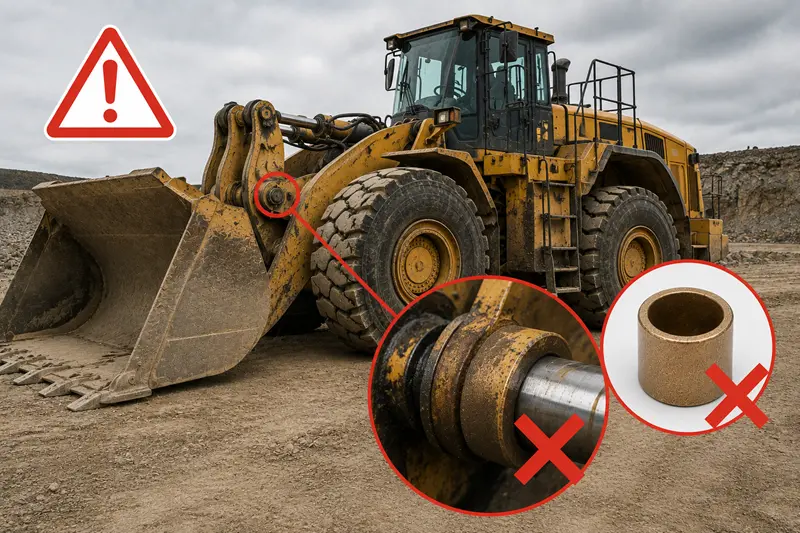
This is a critical point we always clarify with our clients. The term "self-lubricating" can sometimes be misleading. It refers to the lubrication method, not to infinite strength. The powder metallurgy process creates a strong part, but it is not as dense or robust as a solid, machined bronze block.
-
Understanding Load Capacity
The micro-pores that hold oil reduce the material's overall density. This means sintered bronze has a lower compressive strength. Under heavy loads, these pores can collapse, and the bushing can deform or fail.[^10]
-
When to Choose a Different Bushing
If your application involves high impact, heavy weight, or extreme conditions, you need a different solution. For heavy machinery like excavators or mining equipment, we always recommend solid bronze, bimetal, or graphite-plugged bushings.[^11] These are designed specifically for high strength and durability.
| Unsuitable Condition | Why It's a Bad Fit | Recommended Alternative |
|---|---|---|
| Heavy Loads | Porous structure can crush under pressure. | Solid Bronze Bushing, Bimetal Bushing |
| Shock & Impact | Material can be brittle and may crack. | Graphite Plugged Bronze Bushing |
| High Temperatures | Oil can burn off, losing lubrication. | Composite Bushings (e.g., PTFE-lined) |
| Abrasive Environments | Pores can get clogged with dirt. | Sealed Bearing or Hardened Steel Bushing |
Conclusion
Sintered bronze bushings are a cost-effective, low-maintenance choice for light to medium-duty applications. They balance performance and price perfectly for high-volume OEM manufacturing.
[^1]: "Sintered Bronze Part Manufacturer Supplier", https://powderedmetalparts.com/sintered-bronze-parts/. This source explains the powder metallurgy process and how it enables the self-lubricating properties of sintered bronze bushings. Evidence role: mechanism; source type: education. Supports: Sintered bronze bushings are self-lubricating components made through powder metallurgy.. [^2]: "Sintered Bronze Bushes Wholesaler Australia", https://www.finerpt.com/RodEndsPlainBearings/SinteredBronzeBushes.aspx. This source describes the porous structure of sintered bronze bushings and how oil is released during operation. Evidence role: mechanism; source type: research. Supports: Their porous structure is impregnated with oil, which is released during operation.. [^3]: "Powder metallurgy - Wikipedia", https://en.wikipedia.org/wiki/Powder_metallurgy. This source explains how powder metallurgy enables high-volume production of identical parts. Evidence role: mechanism; source type: education. Supports: Powder metallurgy is an automated process ideal for making thousands of identical parts.. Scope note: The efficiency may depend on the specific materials and production setup. [^4]: "Powder metallurgy - Wikipedia", https://en.wikipedia.org/wiki/Powder_metallurgy. This source discusses how the molding process in powder metallurgy achieves high dimensional accuracy for large batches. Evidence role: mechanism; source type: research. Supports: The molding process also ensures high dimensional accuracy across large batches, which is critical for automated assembly lines.. Scope note: Dimensional accuracy may vary depending on the specific molding techniques used. [^5]: "Do rubber bushings reduce motor vibration? - Facebook", https://www.facebook.com/groups/1747948095635914/posts/2380675995696451/. This source explains how the oil film in sintered bronze bushings reduces vibration and noise during operation. Evidence role: mechanism; source type: research. Supports: The oil film dampens vibration and noise.. Scope note: The damping effect may vary depending on the operational conditions and oil type. [^6]: "Comparison of sintered bushings: advantages and disadvantages", https://blog.igus.eu/comparison-of-sintered-bushings-advantages-and-disadvantages/. This source outlines the typical applications and performance characteristics of sintered bronze bushings under moderate speeds and loads. Evidence role: general_support; source type: encyclopedia. Supports: Sintered bronze bushings excel in applications with moderate speeds and loads where frequent maintenance is impractical.. Scope note: The suitability may depend on specific operational conditions. [^7]: "Everything You Need to Know About Bronze Bushings", https://www.readytechnology.com/blog/everything-need-know-about-bronze-bushings/. This source lists common devices and industries where sintered bronze bushings are used. Evidence role: case_reference; source type: education. Supports: You'll find them in electric motors, fans, home appliances, power tools, and office equipment.. Scope note: The examples may not cover all possible applications. [^8]: "Comparison of sintered bushings: advantages and disadvantages", https://blog.igus.eu/comparison-of-sintered-bushings-advantages-and-disadvantages/. This source explains the limitations of sintered bronze bushings in heavy-duty applications due to their porous structure. Evidence role: expert_consensus; source type: research. Supports: No, sintered bronze bushings are generally not suitable for heavy-duty applications.. Scope note: The limitations may vary depending on specific heavy-duty conditions. [^9]: "Influence of strut-size and cell-size variations on porous Ti6Al4V ...", https://pmc.ncbi.nlm.nih.gov/articles/PMC8792312/. This source discusses the impact of the porous structure on the load-bearing capacity of sintered bronze bushings. Evidence role: mechanism; source type: research. Supports: Their porous structure, which is great for holding oil, results in lower load-bearing capacity compared to solid bronze or composite bearings.. Scope note: The comparison may not apply to all types of solid bronze or composite bearings. [^10]: "Modelling of Pore Collapse during Polymer Sintering - PMC", https://pmc.ncbi.nlm.nih.gov/articles/PMC8123135/. This source explains how heavy loads can cause pore collapse and deformation in sintered bronze bushings. Evidence role: mechanism; source type: research. Supports: Under heavy loads, these pores can collapse, and the bushing can deform or fail.. Scope note: The failure mechanism may depend on specific load conditions and material quality. [^11]: "Best material for heavy equipment pin bushings - Facebook", https://www.facebook.com/groups/1104020856281121/posts/8917253421624453/. This source compares the suitability of solid bronze, bimetal, and graphite-plugged bushings for heavy machinery applications. Evidence role: case_reference; source type: institution. Supports: For heavy machinery like excavators or mining equipment, we always recommend solid bronze, bimetal, or graphite-plugged bushings.. Scope note: The recommendation may vary based on specific machinery requirements.