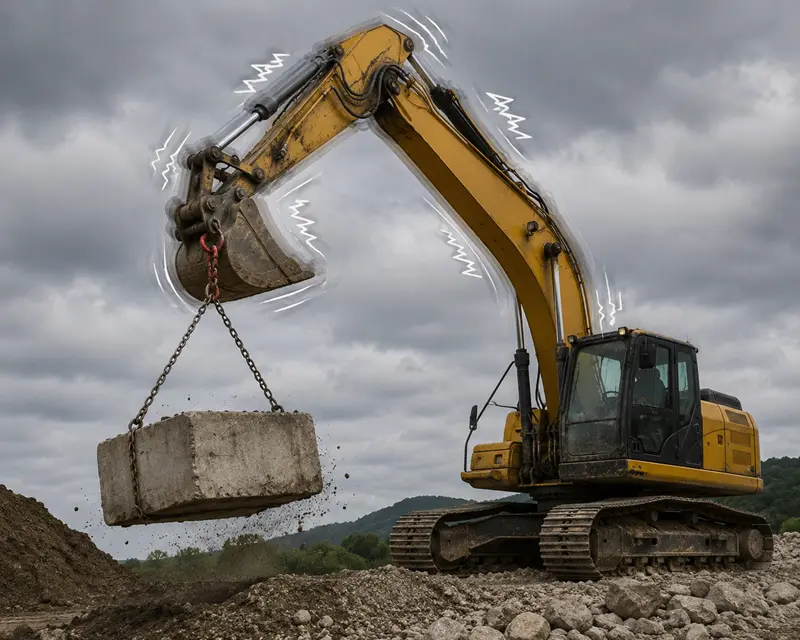
Choosing the wrong bushing for heavy loads causes equipment failure and costly downtime. You need a solution that works, but the options are confusing, leading to expensive mistakes.
There is no single "best" bushing for all heavy-load applications. The ideal choice depends on your specific operating conditions, including load type, motion, lubrication availability, and budget. Common solutions include solid bronze, graphite-plugged, bimetal, and composite bushings, each with distinct advantages.
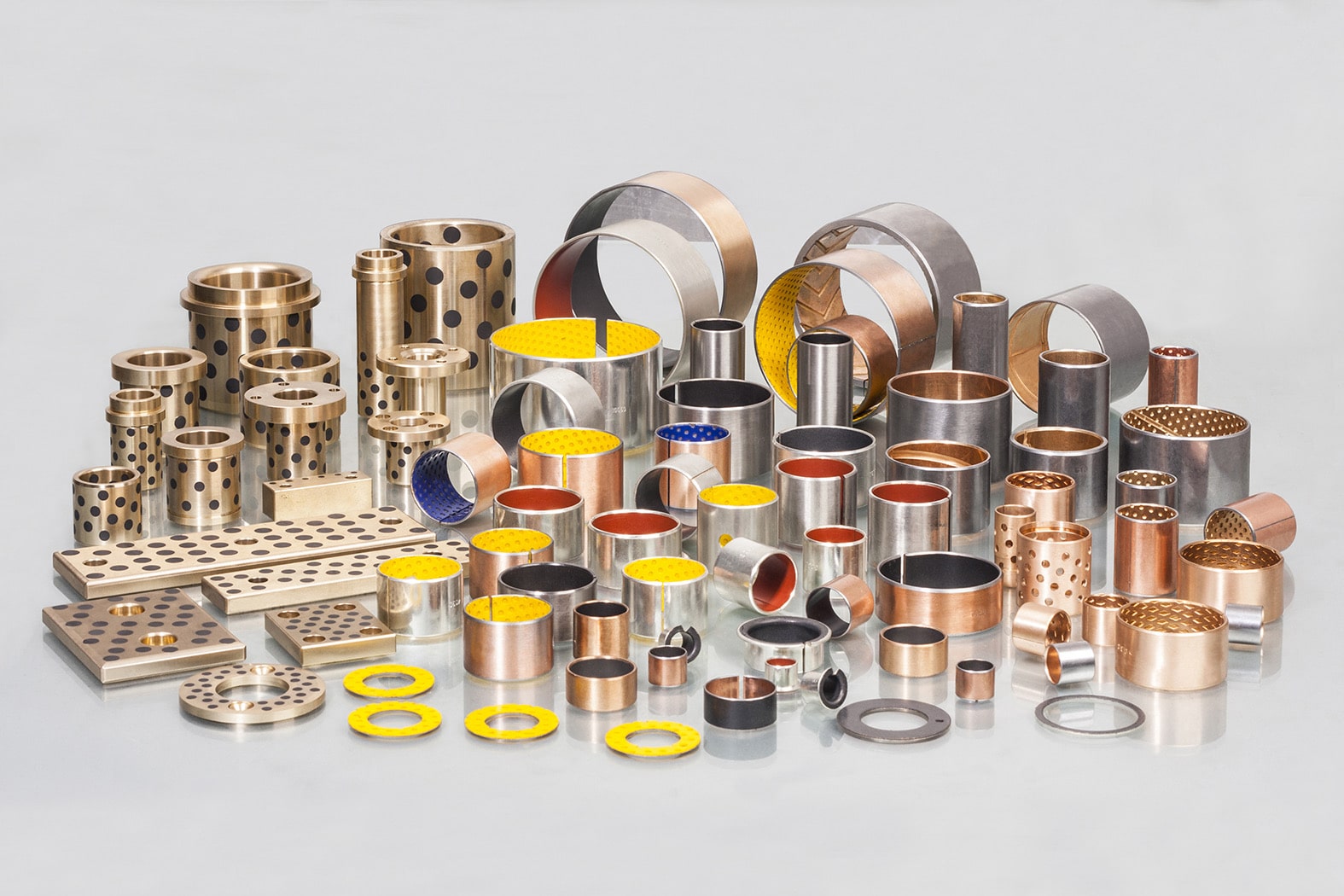
As a bushing manufacturer, one of the most common questions I get from OEM buyers is, "Which bushing is the most durable for heavy loads?" It's a great question, but it often starts from the wrong place. From a factory perspective, the true test in a heavy-load application isn't just about how "hard" or "strong" the material is. The real challenge is whether the bushing can work reliably under high pressure, shock loads, potential misalignment, and imperfect lubrication. Many buyers focus only on the load rating on a spec sheet. But I've seen firsthand that the toughest bushing can fail quickly if the real-world conditions are more complex than the design parameters. Let's break down the options to help you choose the right system, not just the right part.
Are Solid Bronze Bushings the Strongest Choice for Heavy Loads?
You need to support an extreme load and worry that other bushings will deform or fail under pressure. Solid bronze offers a robust, stable solution for these intense applications.
Solid bronze bushings are an excellent choice for very heavy, low-speed loads[^1], especially when you can provide consistent lubrication. Their strength comes from their solid metal construction, but they depend entirely on a reliable supply of grease or oil to perform without failure.
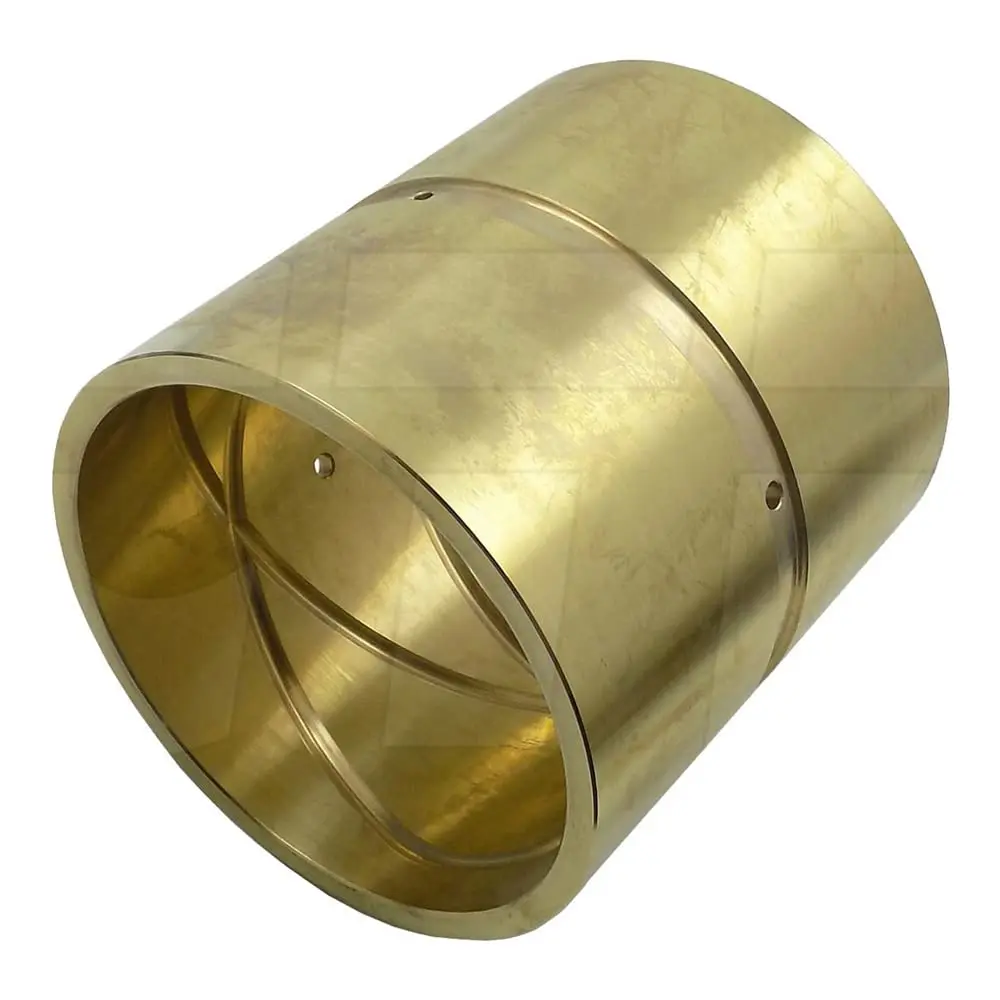
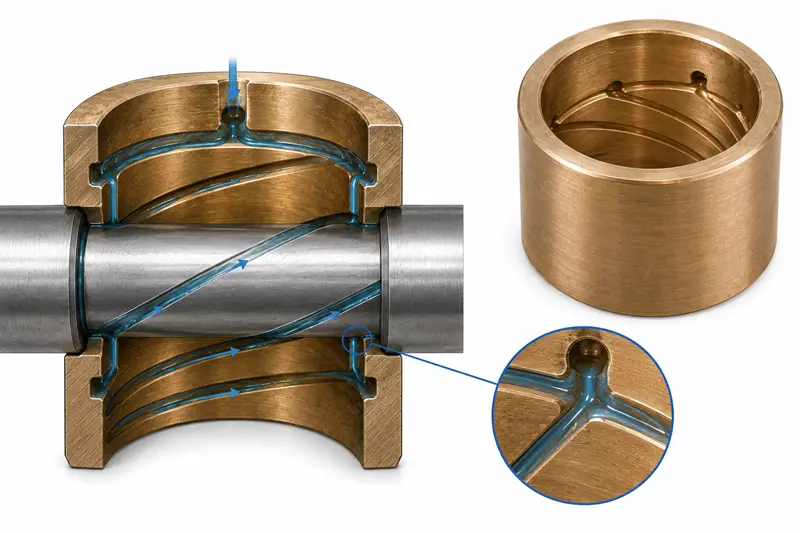
When we talk about solid bronze bushings, we are talking about parts machined from a solid piece of bronze alloy, like C93200 bearing bronze or C95400 aluminum bronze. They don't have layers or liners. Their strength is simply the strength of the material itself. This makes them incredibly tough and resistant to compression, which is why they are often used in heavy construction equipment, mining machinery, and large industrial presses. However, this strength comes with a critical requirement: lubrication. These bushings create a metal-on-metal contact with the shaft, and without a constant film of grease or oil, they will seize up very quickly. At our factory, we often machine complex oil grooves or pockets into these bushings. These features aren't just for show; they are engineered channels designed to distribute lubrication evenly across the bearing surface. This is a perfect example of building a system.
| Feature | Advantage | Disadvantage |
|---|---|---|
| Material | Extremely high load capacity, very robust | Heavy, can be more expensive |
| Lubrication | Grooves allow for excellent grease flow | Requires frequent, reliable lubrication |
| Manufacturing | Highly customizable shapes and sizes | Slower to produce than wrapped bushings |
| Failure Mode | Can cause severe shaft damage if dry | Less forgiving of misalignment |
When Should You Use Graphite Plugged Bushings for Heavy Loads?
Your equipment operates in a hard-to-reach or dirty location. Performing regular lubrication is difficult or impossible. Graphite plugged bushings provide self-lubrication, solving this constant maintenance headache.
You should use graphite plugged bronze bushings for low-speed, high-load applications where regular maintenance is impractical. The solid graphite lubricant provides continuous, maintenance-free performance, making them perfect for oscillating movements in equipment like bridges, dams, and presses.
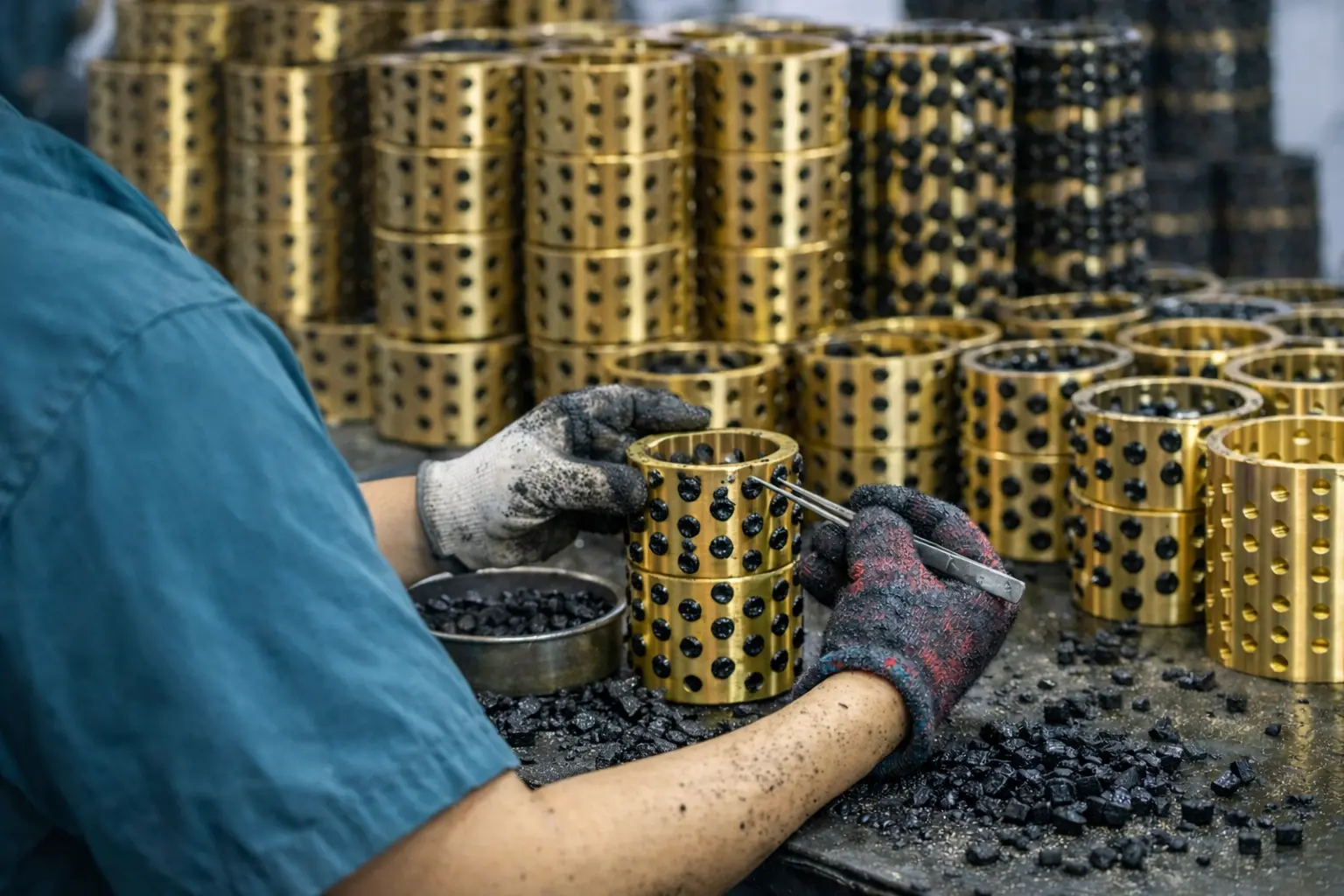
I once worked with a customer who designed large-scale architectural hinges. The problem was that once the hinges were installed, they were almost impossible to access for maintenance. For them, graphite plugged bushings were the perfect solution. These bushings start as a solid bronze base, which provides the high load capacity we talked about before. Then, we drill a precise pattern of holes into the bushing and press solid graphite plugs into them. When the shaft moves, it rubs against the graphite, smearing a thin, dry lubricating film over the entire contact surface. This creates a "self-lubricating" system that doesn't require any external grease. They are ideal for slow, heavy, back-and-forth movements. They are not a good fit for high-speed rotation, as the friction can generate too much heat. This is a premium solution for "fit and forget" applications where reliability is more important than initial cost.
| Application Scenario | Why Graphite Plugged Works Well | Key Limitation |
|---|---|---|
| Inaccessible Joints | No need for manual greasing after installation. | Higher initial part cost. |
| Oscillating Motion | Constant motion renews the dry lubricant film. | Not suitable for continuous high-speed rotation. |
| Dirty Environments | Solid lubricant is less likely to attract and trap dirt than grease. | Can be brittle under extreme shock loads. |
| Low-Speed / High-Load | The bronze base carries the load; the graphite reduces friction. | Performance depends on graphite coverage. |
Are Bimetal or Composite Bushings Good Enough for Heavy Loads?
You need a heavy-duty solution but face tight budgets or compact design constraints. You think you must compromise on performance. Bimetal and composite bushings offer a surprising balance.
Yes, for many medium-to-high load applications. Bimetal bushings are a cost-effective choice for large volume projects needing good load capacity. Steel-backed composite bushings (like DU) offer maintenance-free performance in tight spaces but are less tolerant of shock and contamination.
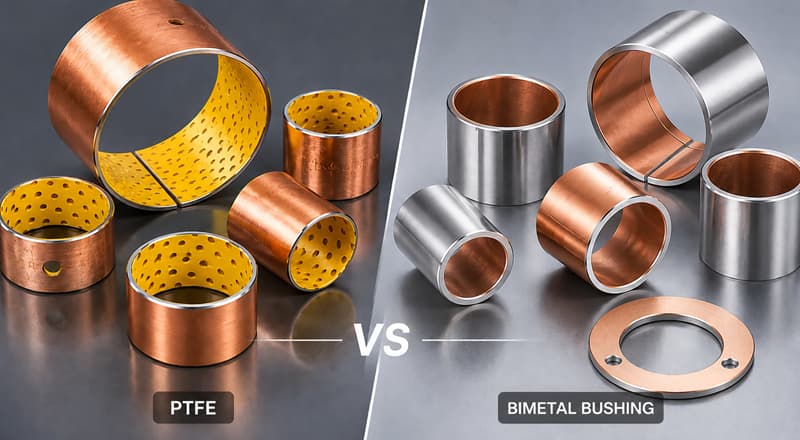
Many engineers are surprised by the capability of modern layered bushings. They aren't just for light-duty applications. A bimetal bushing has two layers: a strong steel backing and a sintered bronze wear layer on the inside. The steel provides the structural rigidity and allows for a press-fit, while the porous bronze layer holds grease. We often stamp them with diamond or circular indents to act as grease reservoirs. This makes them a great, low-cost solution for applications like vehicle suspensions or engine connecting rods, where there's high load but also some lubrication. A composite bushing (often called a DU, SF-1, or PAP P10 bushing) is more complex. It has a steel back, a porous bronze middle layer, and a very thin top layer of a PTFE-based polymer. This PTFE layer provides an extremely low-friction surface that requires zero lubrication. It's a "dry" running bushing. They are amazing for high-load, low-speed applications where space is tight and maintenance is impossible. But the PTFE layer is thin. It can be damaged by severe shock loads, misalignment, or contamination.
| Bushing Type | Best For | Not Ideal For |
|---|---|---|
| Bimetal | High-volume, cost-sensitive, medium-high load with grease | Completely unlubricated or highly corrosive areas |
| Composite (DU) | Compact, no-maintenance, high-load, low-speed designs | Severe shock loads, dirty environments, misalignment |
Why is a System Approach More Important Than Just the Bushing Material?
You chose a very strong bushing, but it failed much earlier than expected. You're frustrated by the unexpected downtime and replacement costs. The problem might not be the bushing.
A bushing never works alone. It is part of a system that includes the shaft, housing, clearance, alignment, and operating environment.[^2] A premium bushing will fail quickly in a poorly designed system, for example, with a soft shaft or in a misaligned housing.
This is the most important insight I can share from a factory floor. The biggest cause of premature failure in heavy-load applications is not a bad bushing; it's a bad system.[^3] I remember a customer in the agricultural machinery sector who kept having failures. They used a high-strength bronze bushing, which was correct for the load on paper. But when we investigated, we found two problems. First, the shaft they were using was too soft and was wearing down, which then destroyed the bushing. Second, the housing was slightly misaligned, which caused all the force to concentrate on the very edge of the bushing, a condition called edge loading. The bushing didn't stand a chance. We solved their problem not by suggesting a more expensive bushing, but by recommending they harden their shaft and improve their assembly alignment. Thinking about the whole system—the bushing, the shaft, the housing, and the seals—is the key to long-term reliability.[^4]
Key System Factors:
- Shaft Hardness: The shaft should always be harder than the bushing material[^5] to ensure the bushing is the sacrificial part.
- Clearance: The space between the shaft and bushing is critical. Too tight, and it will seize; too loose, and it will hammer itself to death.
- Alignment: Misalignment creates extreme pressure on a small area, leading to rapid wear and failure.[^6]
- Contamination: Dirt and grit act like sandpaper[^7]. Seals are a crucial part of the bearing system in dirty environments.[^8]
Conclusion
Choosing the right heavy-load bushing is not about finding the single strongest material. It is about designing a complete system for your specific application to ensure long-term reliability.
[^1]: "[PDF] BRUSH APPLICATORS ROLLER CHAIN GRAVITY FEED OILERS ...", https://gab.wallawalla.edu/~ralph.stirling/classes/engr480/docs/Mechanical/reid_bearings.pdf. Solid bronze bushings are widely recognized for their high load capacity and durability in low-speed applications, as supported by engineering studies on bearing materials. Evidence role: expert_consensus; source type: research. Supports: Solid bronze bushings are suitable for heavy, low-speed loads due to their robust construction and reliance on lubrication.. Scope note: The support is specific to low-speed applications and assumes proper lubrication. [^2]: "(PDF) Using the principles of axiomatic design in the development of ...", https://www.academia.edu/145383941/Using_the_principles_of_axiomatic_design_in_the_development_of_bushing_manufacturing_technology. Engineering systems theory emphasizes the importance of considering all components, including bushings, shafts, and housings, as part of an integrated system. Evidence role: expert_consensus; source type: education. Supports: Bushings are part of a system that includes the shaft, housing, clearance, alignment, and operating environment.. Scope note: The support is general and may not address specific failure modes in all applications. [^3]: "MEMS Approach for Rolling Bearing Fault Diagnosis Using ...", https://ui.adsabs.harvard.edu/abs/2025JVET...13...10S/abstract. Failure analysis studies in mechanical systems often identify poor system design as a leading cause of premature bearing failure. Evidence role: expert_consensus; source type: research. Supports: Poor system design is often the leading cause of premature failure in heavy-load applications.. Scope note: The support is general and may not address specific failure modes in all heavy-load applications. [^4]: "A Holistic Design Concept to Improve Safety Related Control Systems", https://www.academia.edu/91826932/A_Holistic_Design_Concept_to_Improve_Safety_Related_Control_Systems. Engineering design principles emphasize the importance of considering all system components for long-term reliability in bearing applications. Evidence role: expert_consensus; source type: education. Supports: Considering the entire system, including the bushing, shaft, housing, and seals, is crucial for long-term reliability.. Scope note: The support is general and may not address specific design challenges in all applications. [^5]: "[PDF] Little things that make big differences in bushing friction", http://research.me.udel.edu/~dlburris/papers/JA24.pdf. Material science research supports the principle that shafts should be harder than bushings to ensure the bushing acts as the sacrificial component. Evidence role: mechanism; source type: research. Supports: The shaft should always be harder than the bushing material to ensure the bushing acts as the sacrificial component.. Scope note: The support assumes standard operating conditions and may not apply to specialized materials. [^6]: "(PDF) Identification of wear and misalignment on journal bearings ...", https://www.academia.edu/22305531/Identification_of_wear_and_misalignment_on_journal_bearings_using_artificial_neural_networks. Studies on mechanical wear confirm that misalignment in bearing systems concentrates stress, leading to accelerated wear and failure. Evidence role: mechanism; source type: research. Supports: Misalignment creates extreme pressure on a small area, leading to rapid wear and failure in bearing systems.. Scope note: The support is specific to systems where misalignment exceeds design tolerances. [^7]: "Analysing the impact of solid contaminants on grease viscosity and ...", https://ui.adsabs.harvard.edu/abs/2025JLPPI..9405562S/abstract. Research on bearing contamination shows that dirt and grit significantly increase wear by acting as abrasive particles. Evidence role: mechanism; source type: research. Supports: Dirt and grit act like sandpaper, increasing wear in bearing systems.. Scope note: The support is specific to environments with high contamination levels. [^8]: "Design and analysis of Bearing Seal and it ' s Mold - Academia.edu", https://www.academia.edu/72564612/Design_and_analysis_of_Bearing_Seal_and_it_s_Mold. Engineering studies highlight the role of seals in protecting bearing systems from contamination in dirty environments. Evidence role: mechanism; source type: research. Supports: Seals are a crucial part of the bearing system in dirty environments to prevent contamination.. Scope note: The support is specific to environments with significant contamination risks.