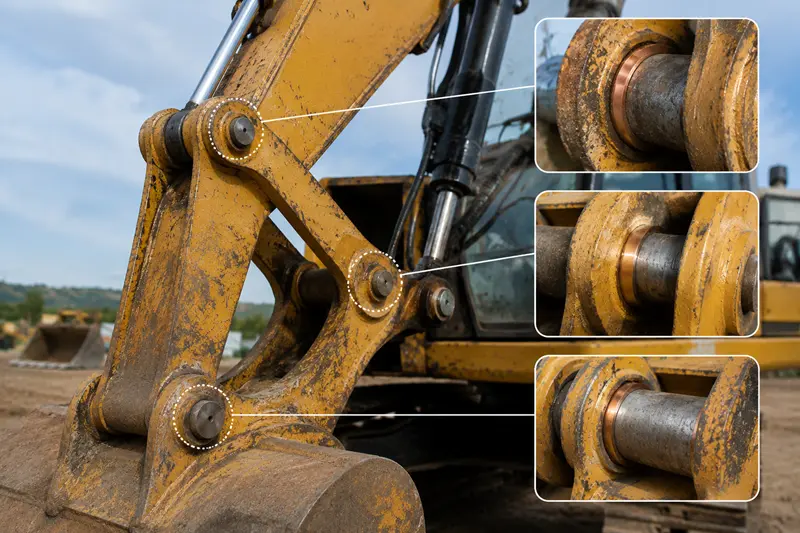
Struggling with standard bushings that don't quite fit your design? This mismatch can cause premature wear and costly machine downtime. Learn what makes a custom bushing project truly successful.
For OEM buyers, a successful custom bushing is not just about dimensions. It is a complete solution that matches the material, structure, and tolerances to your specific application, load, speed, and assembly needs. This approach ensures reliability and helps control your long-term costs.
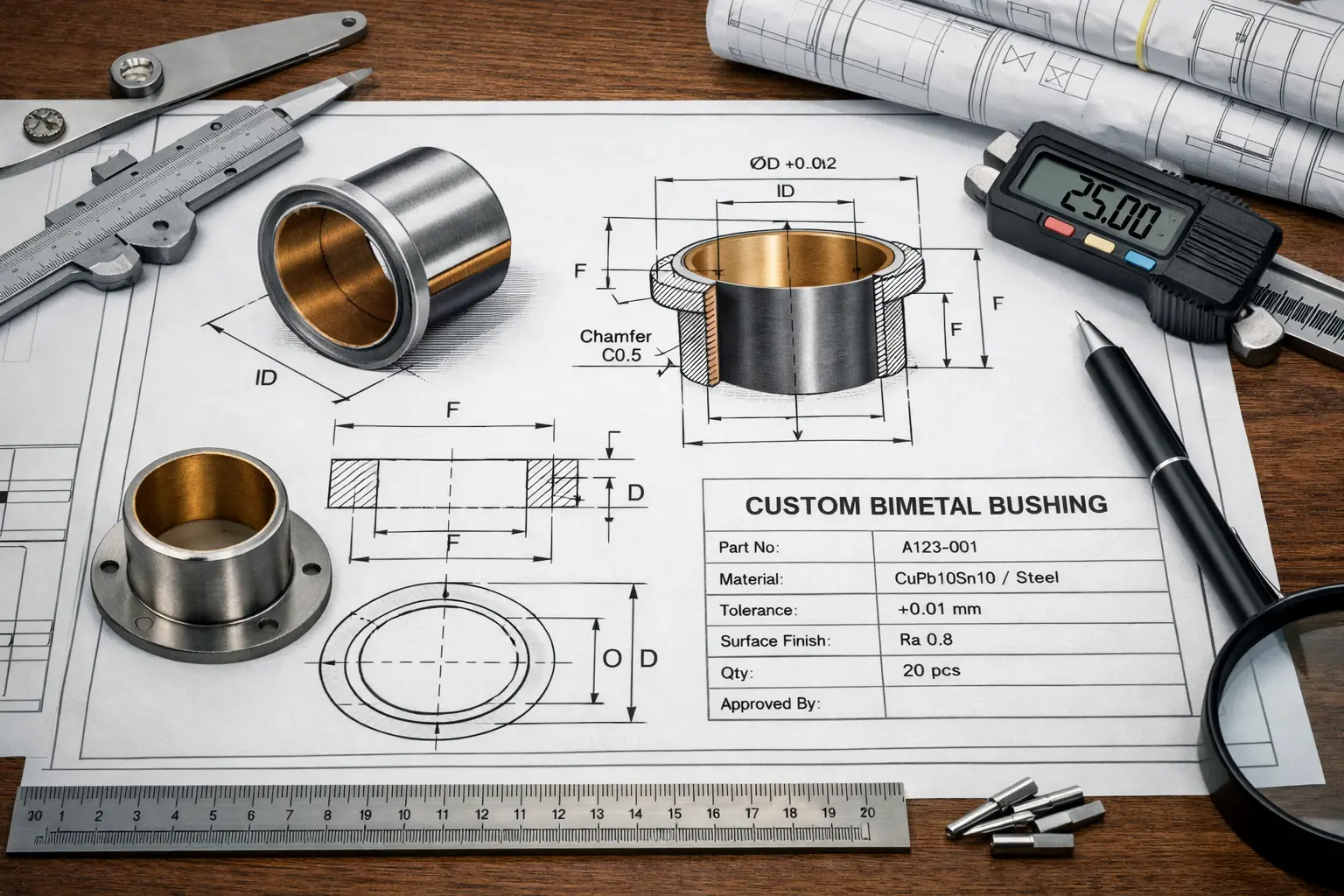
You might think providing a technical drawing is enough to get the perfect custom part. In my years running a bushing factory, I have seen many projects struggle because of this simple misunderstanding. The reality is that the drawing is just the beginning of the conversation. Let's look at what really goes into creating a custom bushing that performs perfectly in your machine, not just on paper. It's a process that, when done right, protects your equipment and your reputation.
Isn't a Custom Bushing Just About Changing the Size?
You have a unique design and need a bushing with specific dimensions. But just matching the size can lead to unexpected failures in the field. Discover why true customization goes much deeper.
No, it is much more than that. A true custom bushing project considers the entire operating environment. We look at the load, speed, and motion type to select the right material and design features. Simply changing dimensions without this analysis often leads to poor performance and a short service life.
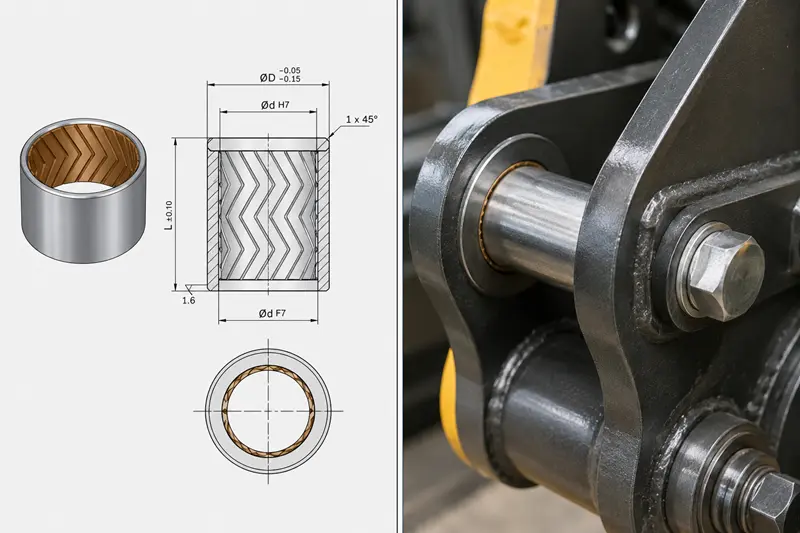
I often get requests like, "Can you make this bushing, but 2mm wider?" On the surface, it's a simple request. But without more context, it's a risky one. The performance of a bushing depends entirely on its application. A part that works well in one machine can fail catastrophically in another, even if the dimensions are identical. The difference lies in the operating conditions.
Let’s look at two different scenarios for a bushing with the exact same dimensions:
| Parameter | Scenario A: Excavator Arm Joint | Scenario B: High-Speed Conveyor Roller |
|---|---|---|
| Motion | Low-speed oscillation | High-speed rotation |
| Load | Very high, shock loads | Moderate, consistent load |
| Material Choice | Hardened steel with bronze overlay | Sintered bronze or polymer composite |
| Clearance | Tighter clearance for precision | Looser clearance to manage heat |
| Lubrication | Requires grease grooves for heavy lube | Self-lubricating or oil-impregnated |
As you can see, the "right" bushing for each case is completely different. In the excavator, we need a material that can handle immense force. In the conveyor, we need a material that can run fast and cool without constant maintenance. This is why we always say the application context is king. It's about engineering a solution, not just machining a part.
What Information Does a Factory Need for a Perfect Custom Bushing?
You want to order custom bushings but are unsure what details to provide. Missing information can delay your project or result in a useless part. Here is the checklist you need.
To create the ideal bushing, we need more than a drawing. Key details include the equipment type, load, speed, lubrication, and temperature. Also, tell us about the mating shaft's material and hardness, plus your target lifespan and annual quantity. This information guarantees a perfect fit.
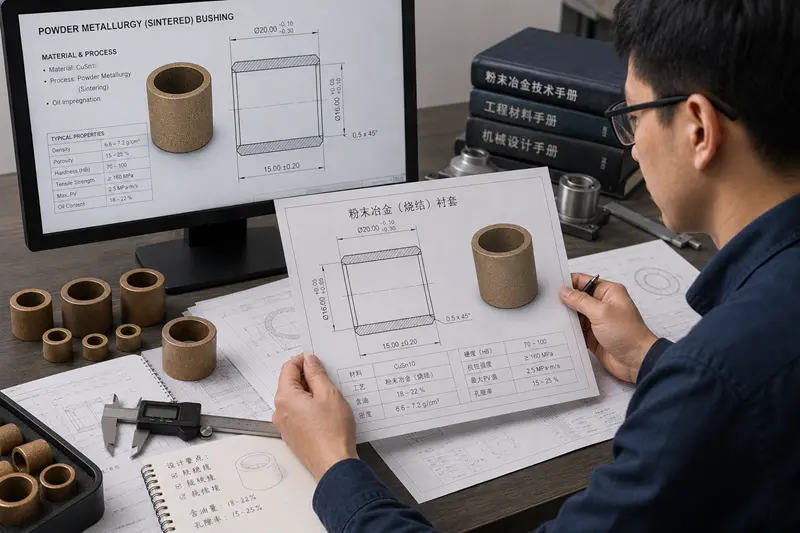
Sometimes, buyers think we are being difficult when we ask so many questions. The opposite is true. We ask these questions because we want your project to succeed and prevent problems down the road. A few minutes spent gathering this information upfront can save you weeks of delays and thousands of dollars in rework.
Here is a simple checklist of the information we need to design and manufacture a bushing that works for you:
Critical Information Checklist
| Category | Information Needed | Why It's Important |
|---|---|---|
| Application | What machine is it for? What is the motion (rotating, oscillating, linear)? | This tells us the fundamental job of the bushing and helps us anticipate challenges. |
| Operating Conditions | Load (force), speed, temperature, and environment (dusty, wet, etc.). | These factors directly influence material selection and the need for features like seals or special coatings. |
| Mating Parts | The shaft's material, surface hardness, and roughness. | The bushing and shaft work as a system. A hard bushing on a soft shaft will destroy the shaft quickly. |
| Project Goals | Target service life and estimated annual usage volume. | Lifespan goals affect material choices, while volume helps us choose the most cost-effective manufacturing process. |
Providing this complete picture allows us to be your partner, not just a supplier. We can use our experience to recommend materials or design tweaks that will improve performance and lower your total cost.
How Does a Properly Customized Bushing Benefit My Business?
You might see custom parts as just another expense on your bill of materials. But a poorly matched bushing creates much higher maintenance and warranty costs later. See the real return on investment.
A truly custom bushing delivers significant business value. It goes beyond just fitting a space. It actively reduces machine wear, minimizes maintenance needs, ensures consistent assembly on your production line, and ultimately lowers your total cost of ownership over the long term.
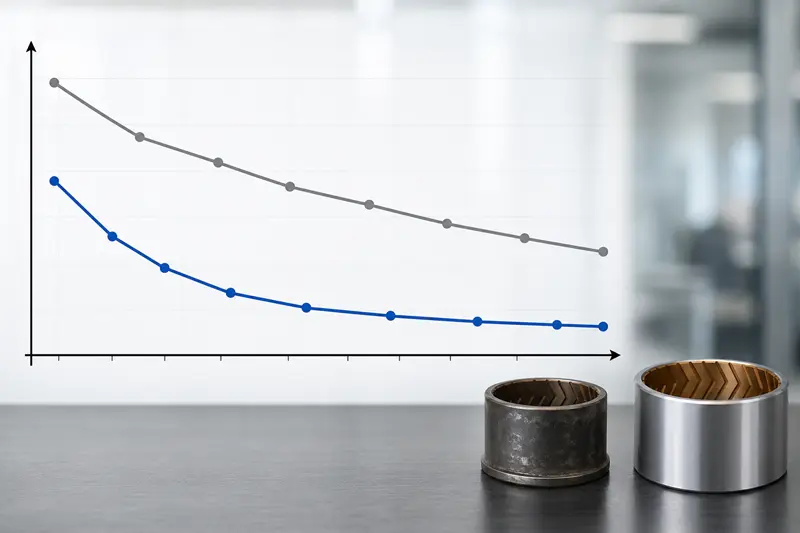
Let's move past the idea of a bushing as a simple commodity. You should think of it as a critical performance component that protects your investment and your brand. For an OEM buyer, the benefits are clear and directly impact your bottom line.
Here’s how a well-engineered custom bushing provides value:
-
Reduced Warranty Claims: A bushing designed for the specific load, speed, and motion of your machine will not fail prematurely. This means fewer calls from angry customers and lower costs for warranty repairs. A reliable machine builds a strong brand reputation.
-
Lower Maintenance for the End-User: We can design the bushing with features that extend service life. For example, using a self-lubricating material or adding specific oil grooves means the end-user spends less time and money on maintenance. This makes your product more attractive to buyers.
-
A Stable Assembly Process: When we understand your project is for mass production, we control our processes to ensure tight tolerances batch after batch. This means every bushing fits perfectly on your assembly line, preventing slowdowns, rework, and waste.
-
Controlled Long-Term Costs: Getting the design right the first time avoids expensive redesigns and re-tooling fees later. By understanding your annual volume, we can also optimize the manufacturing method to give you the best price at scale. It’s about the total cost, not just the price per piece.
What Special Features Can Be Added to a Custom Bushing?
You know a standard bushing won't work, but you are not sure what options are possible. This uncertainty can limit your design's potential performance and reliability. Explore these common and powerful custom features.
Customization is not just about size. We can add many features to enhance performance. This includes oil grooves for lubrication, through-holes for pins, flanges for axial load, or even embedded solid lubricants like graphite for maintenance-free operation. These features solve specific application challenges.
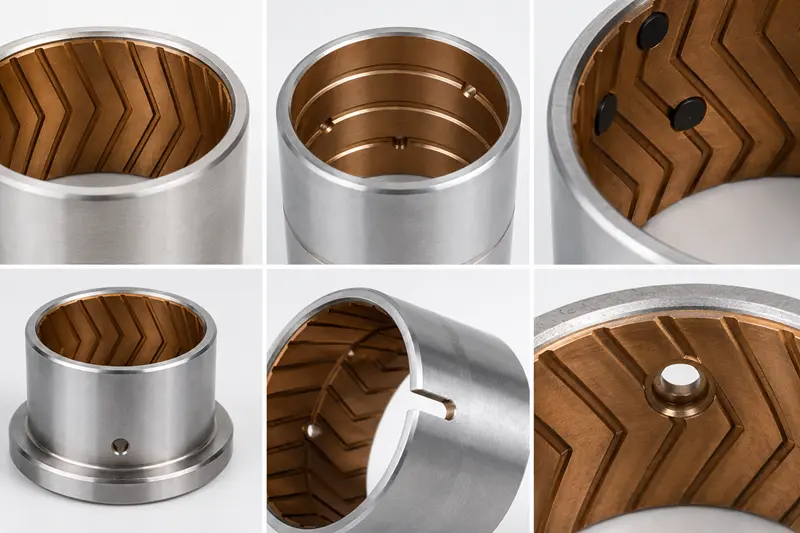
A simple cylindrical sleeve is just the starting point. We can engineer a part that does much more than just reduce friction. By adding specific features, we can solve complex engineering problems related to lubrication, alignment, and load management. These features turn a simple part into a high-performance component.
Here are some of the most common features we add and what they do:
| Feature | Purpose and Application |
|---|---|
| Oil Grooves & Holes | These channels distribute grease or oil evenly across the bearing surface. They are essential for lubricated, high-load applications. We can machine various patterns like straight lines, circles, or figure-eights depending on the motion. |
| Flanges | A flange is a lip on the end of the bushing. Its purpose is to handle axial loads (thrust loads). It stops the bushing from moving sideways and can act as a wear surface for components that press against it. |
| Graphite Plugs | We can embed solid graphite plugs into the bushing wall. This creates a self-lubricating surface. As the bushing wears, new graphite is exposed. This is perfect for locations that are difficult to re-lubricate. |
| Special Coatings (PTFE, Tin) | A thin coating can be applied to the bushing surface. These coatings can dramatically reduce friction, improve corrosion resistance, or provide critical lubrication during the initial machine run-in period before a full lubrication film is established. |
Thinking about these features early in your design process can open up new possibilities. It allows you to build a more robust, reliable, and maintenance-free machine.
Conclusion
In short, a true custom bushing is a partnership between you and the factory, designed for performance in your specific application, not just to fit a hole.