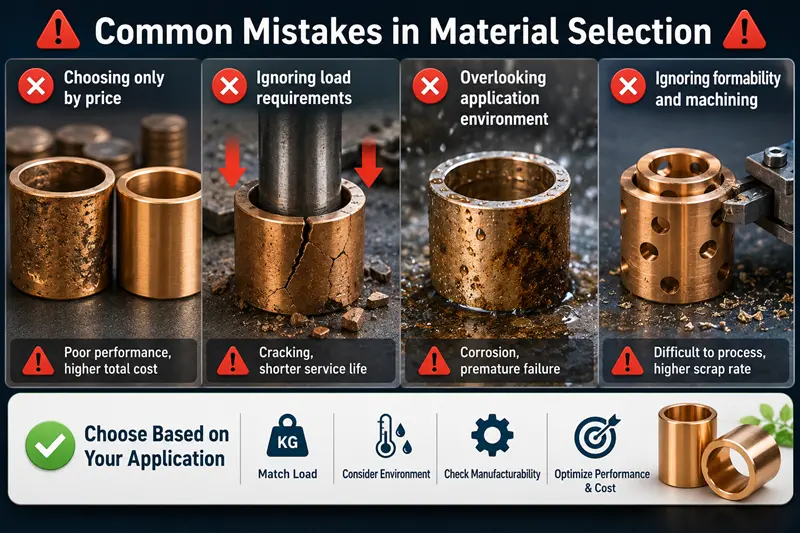
Are you frustrated when bushings wear out too fast, thinking it's a quality issue? This leads to costly downtime and a search for new suppliers, but the bushing is rarely the real problem.
Bushings are designed to wear out to protect more expensive parts like shafts.[^1] Premature wear isn't a quality defect but often a sign of a mismatch between the bushing and its operating conditions, like incorrect material selection, poor lubrication, or a damaged shaft.
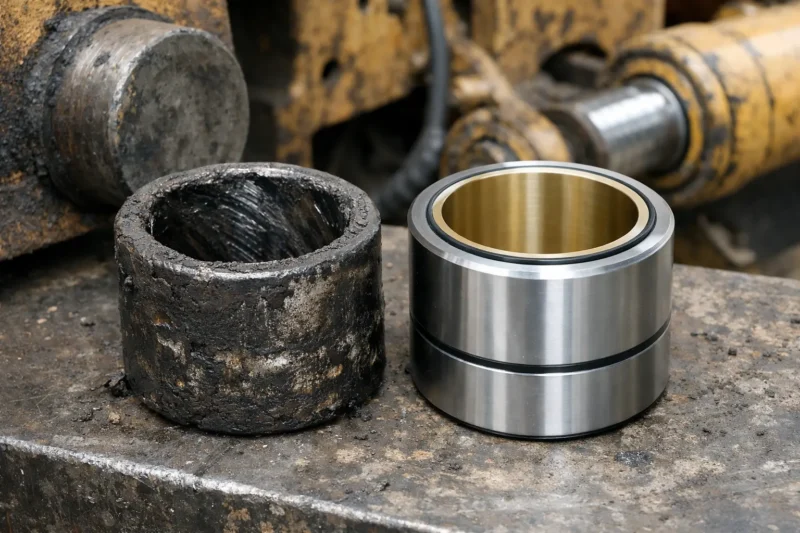
As a manufacturer, I see this situation all the time. A customer comes to us upset that a component failed, but the truth is, bushings are sacrificial parts. They are meant to take the wear and tear so your expensive shafts and equipment housings don't have to. The real question isn't if a bushing will wear out, but why it's wearing out faster than you expect.
Understanding the root cause is the key to improving equipment life and reducing maintenance costs. Let's break down the real reasons your bushings are failing ahead of schedule, based on thousands of cases we've analyzed from our factory floor.
Is the Bushing Material Right for the Job?
You specified a bushing, but it failed quickly. Now you're facing equipment failure and questioning your supplier's quality. The cause is often simple: the material wasn't matched to the actual load.
The most common cause of rapid wear is a mismatch between the bushing material and its application.[^2] For example, using a light-duty plastic bushing in a heavy-load environment or a standard bronze bushing in an oil-starved condition will guarantee premature failure.
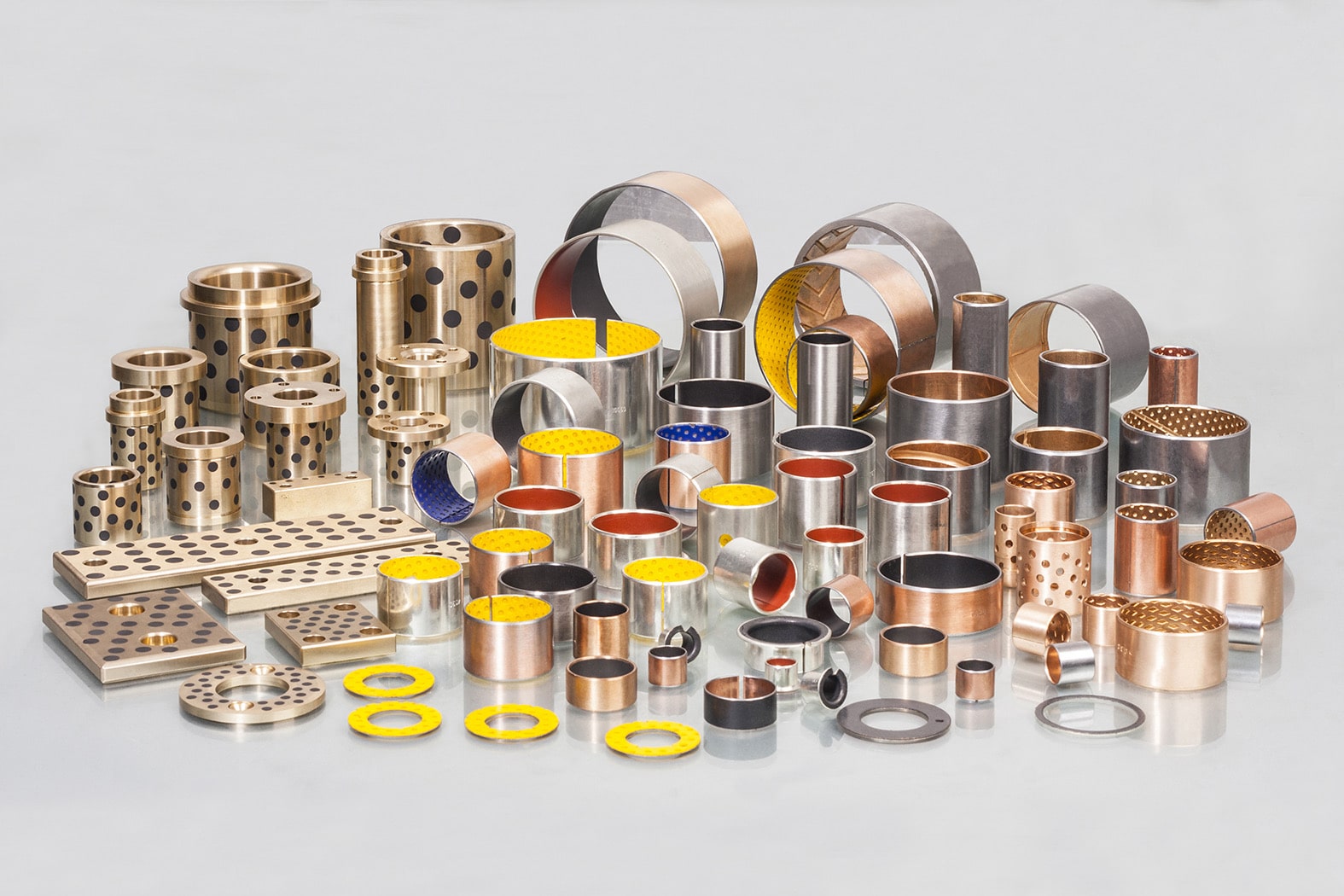
From our factory's perspective, this is the number one reason for premature failure. Every material has its own strengths. A procurement manager might choose a material based on price, but the real-world operating conditions—load, speed, and temperature—are what truly matter. For instance, putting a lightweight plastic bushing into the joint of a heavy-duty loader arm is a recipe for disaster. The intense pressure will simply crush or deform the material in a very short time.[^3] On the other hand, a high-strength bronze bushing might be overkill for a low-load, high-speed application where a self-lubricating sintered bearing would perform better and cost less. The key is matching the material properties to the job. In our OEM projects, we always start by analyzing the application to prevent this exact problem.
| Material Type | Best For... | Avoid In... |
|---|---|---|
| Metal-Polymer Composite | High load, moderate speed, no lubrication | High-temperature or extremely abrasive areas |
| Wrapped Bronze | High load, slow speed, with grease/oil | Dry or unlubricated conditions |
| Solid Bronze (Machined) | Very high load, impact, custom shapes | High-speed applications without lubrication |
| Sintered Bronze (Oil-Impregnated) | High speed, low load, self-lubricating | Heavy-load or high-impact environments |
Could Poor Lubrication Be the Real Culprit?
Your equipment's bushings are wearing down fast, despite being the "right" type. This causes unexpected maintenance costs and makes you doubt the product's reliability. The problem is often how it's lubricated.
Yes, absolutely. Insufficient lubrication, wrong lubricant type, or long intervals between greasing increase metal-to-metal contact and friction heat.[^4] In our experience, many issues reported as "quality problems" are actually rooted in poor lubrication management, which drastically accelerates wear.
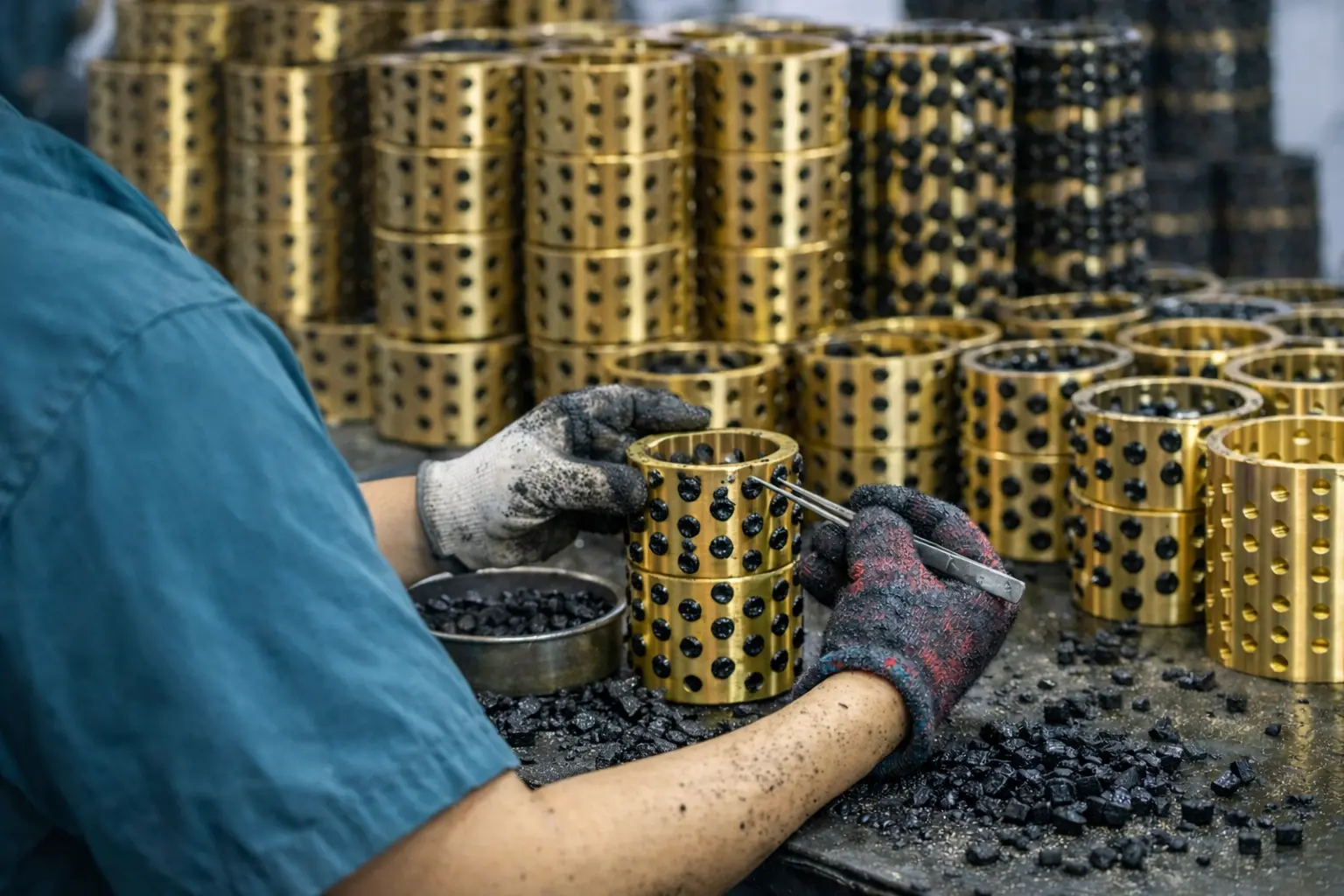
Lubrication is the lifeblood of many bearing systems. Its job is to create a thin film that separates the shaft and the bushing, preventing direct metal-to-metal contact. When that film is gone, friction and heat skyrocket, and the bushing material begins to wear away rapidly. We've received countless "defective" bushings for analysis, only to find them bone-dry and discolored from heat. This tells us the failure was not due to the bushing's quality but a lack of grease. This can happen for several reasons: the maintenance schedule is too long, the wrong type of grease was used (e.g., one that breaks down under high temperatures), or the grease channels are blocked. For bushings with oil grooves, like our wrapped bronze products, those grooves are designed to hold and distribute grease. If they aren't kept full, their design advantage is completely lost.
Have You Checked the Condition of Your Shaft?
You've installed a high-quality, perfectly lubricated bushing, but it still wears out. It's incredibly frustrating when you've done everything right, yet failure persists. The problem might not be the bushing at all.
Definitely. Even the best bushing will fail quickly if the mating shaft is too soft, has a rough surface finish, is bent, or has scoring. The shaft's condition is just as critical as the bushing itself, as it directly contributes to friction and abrasive wear.
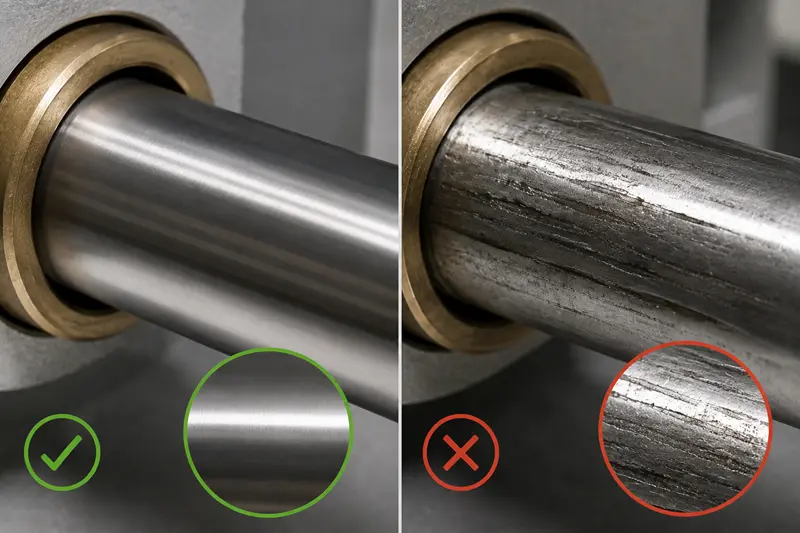
A bushing and a shaft work together as a system. If one part is bad, the other will suffer. I remember a case where a client with a fleet of excavators kept replacing bushings on a specific joint every few weeks. They were convinced our bushings were faulty. After some back-and-forth, we asked for a photo of the steel pin (the shaft) they were using. It was covered in deep scratches and grooves from a previous failure. A rough shaft surface acts like a file, grinding away the soft bushing material no matter how good the bushing is.[^5] We advised them to replace the damaged pin. After they did, the new bushings performed perfectly for their expected service life. Always check the shaft for these issues:
- Surface Roughness: It must be smooth.
- Hardness: It should be harder than the bushing material.
- Damage: No scratches, rust, or dents.
- Alignment: It must be straight and properly aligned.
How Does Contamination Affect Bushing Lifespan?
Your outdoor or agricultural machinery bushings fail constantly. You're dealing with constant field repairs and unhappy equipment owners. The invisible enemy is often dust, dirt, and grit getting into the joint.
Contamination is a major killer of bushings, especially in applications like construction and agriculture.[^6] Dust, sand, and metal particles get between the shaft and bushing, creating a grinding paste. This "abrasive wear" can destroy a bushing much faster than normal operational friction.[^7]
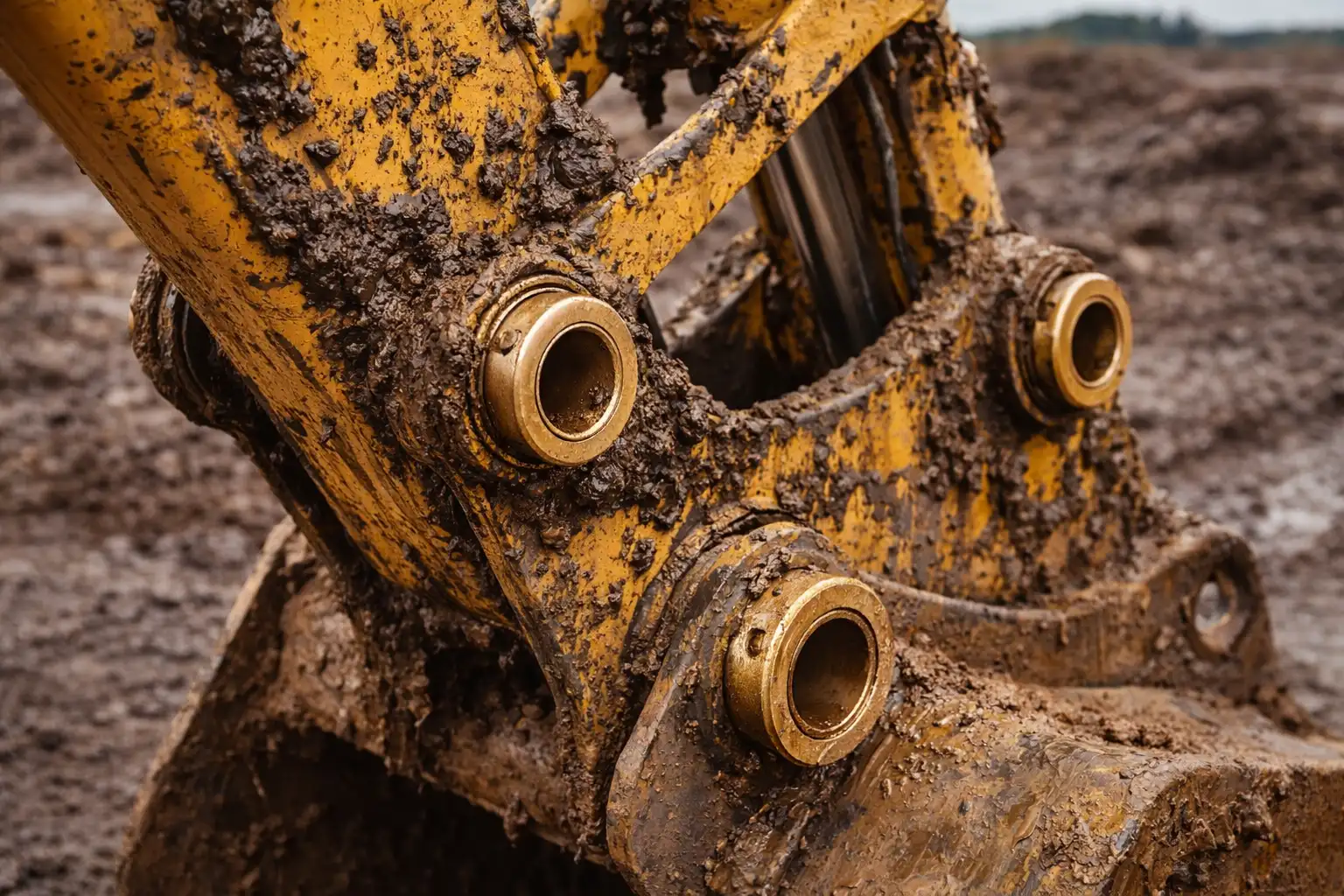
For equipment that works outdoors—like in construction, farming, or mining—contamination is a constant threat. When hard particles like sand or metal grit work their way into the space between the bushing and the shaft, they become embedded in the softer bushing material. As the shaft rotates, these particles act like sandpaper, grinding away both the shaft and the bushing. This is called three-body abrasive wear, and its destructive power is immense. A bushing that might last for years in a clean factory environment could be destroyed in weeks on a dusty construction site. The best defense is a good offense. Using seals is the most effective way to block contaminants from entering the joint in the first place.[^8] Regular greasing also helps by purging out old, dirty grease and replacing it with a clean protective layer.
Are Overloads and Impacts Silently Destroying Your Bushings?
The bushings on your equipment seem to wear unevenly or deform. This can lead to catastrophic failure and questions about the machine's design integrity. The cause might be hidden loads that exceed design limits.
Yes, frequent starts, stops, and sudden impacts create shock loads far exceeding the normal operating load a bushing was selected for. This constant overloading can cause material fatigue, deformation, and accelerated wear, even if the bushing seems correct for the application on paper.
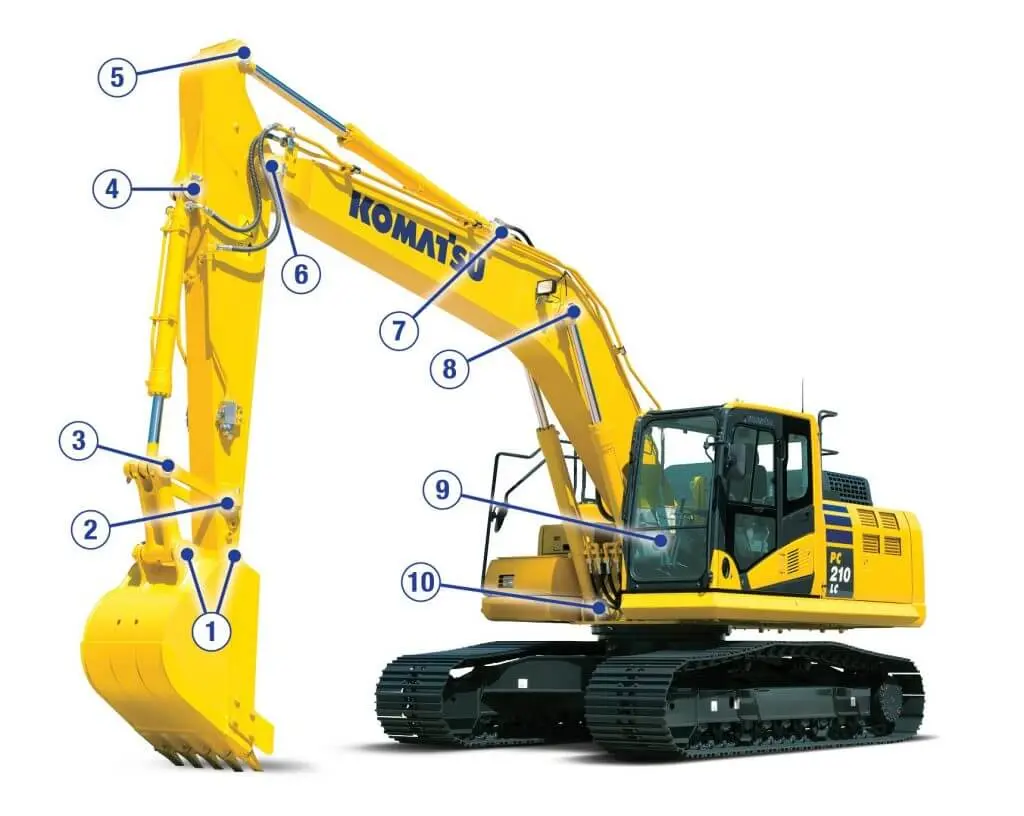
When selecting a bushing, many engineers and buyers look at the static load—the simple weight the component must support. But they often forget about dynamic and impact loads. Think of an excavator arm. The static load is just the weight of the arm and bucket. But the force generated when the bucket slams into the ground or hits a rock is many times higher. These shock loads put immense stress on the bushing. If the bushing material isn't strong enough to handle these peaks, it can deform, crack, or wear out extremely fast. We see this often in equipment that undergoes frequent start-stop cycles or heavy vibrations. The bushing material gets squeezed and fatigued with each impact.[^9] For these high-impact jobs, it is critical to select a bushing with a high load capacity, like a solid machined bronze bushing, and to account for these dynamic forces during the design phase.
Conclusion
Bushing wear is normal, but premature failure is a system problem. Focus on matching the material and design to the real-world application for a longer equipment life and lower maintenance costs.
[^1]: "What Are Bushings? Materials, How They Work & How to Choose", https://www.lily-bearing.com/resources/blog/what-are-bushings?hs_amp=true&srsltid=AfmBOoqGNnAJIhdXlJV8nI9IEEzDUjdqsYmTMyn-oOYz2sS5i2fWuuji. This source explains the sacrificial role of bushings in mechanical systems, emphasizing their design to protect more expensive components like shafts. Evidence role: mechanism; source type: education. Supports: Bushings are designed to wear out to protect more expensive parts like shafts.. [^2]: "Why Bushings Fail", https://www.millstreamengineering.com/why-bushings-fail/. This source discusses how mismatched material selection can lead to premature wear in bushings, particularly in industrial applications. Evidence role: mechanism; source type: education. Supports: The most common cause of rapid wear is a mismatch between the bushing material and its application.. [^3]: "[PDF] TESTING AND MAINTENANCE OF HIGH-VOLTAGE BUSHINGS", https://www.usbr.gov/power/data/fist/fist3_2/vol3-2.pdf. This source discusses how high-pressure environments can deform or crush bushing materials that are not designed for such loads. Evidence role: mechanism; source type: education. Supports: The intense pressure will simply crush or deform the material in a very short time.. [^4]: "Tribology: Friction, Wear, Lubrication Course | 3.5 Days On Campus", https://professional.mit.edu/course-catalog/tribology-friction-wear-lubrication-and-design. This source explains how improper lubrication practices, such as insufficient grease or incorrect lubricant type, lead to increased friction and wear in bushings. Evidence role: mechanism; source type: education. Supports: Insufficient lubrication, wrong lubricant type, or long intervals between greasing increase metal-to-metal contact and friction heat.. [^5]: "[PDF] Transient thermomechanical interactions of shaft-bushing pair in ...", https://repository.lsu.edu/cgi/viewcontent.cgi?article=1201&context=gradschool_theses. This source explains how rough shaft surfaces increase abrasive wear on bushings, reducing their lifespan. Evidence role: mechanism; source type: education. Supports: A rough shaft surface acts like a file, grinding away the soft bushing material no matter how good the bushing is.. [^6]: "Research Progress on the Wear Resistance of Key Components in ...", https://pmc.ncbi.nlm.nih.gov/articles/PMC10745111/. This source discusses how contamination from dust and grit accelerates wear in bushings, particularly in outdoor machinery. Evidence role: mechanism; source type: education. Supports: Contamination is a major killer of bushings, especially in applications like construction and agriculture.. [^7]: "Wear", https://en.wikipedia.org/wiki/Wear. This source defines abrasive wear and its accelerated impact on bushing lifespan compared to normal friction. Evidence role: definition; source type: encyclopedia. Supports: This "abrasive wear" can destroy a bushing much faster than normal operational friction.. [^8]: "Safe, Reliable, and Compliant: The Three Pillars of Sealing Solutions", https://www.sepco.com/community/blog/2023-11/safe-reliable-and-compliant-the-three-pillars-of-sealing-solutions/. This source explains the role of seals in preventing contamination and extending the lifespan of bushings in mechanical systems. Evidence role: mechanism; source type: education. Supports: Using seals is the most effective way to block contaminants from entering the joint in the first place.. [^9]: "Comparing damage on retrieved total elbow replacement bushings ...", https://pubmed.ncbi.nlm.nih.gov/29315772/. This source explains how repeated impacts cause material fatigue in bushings, leading to premature failure. Evidence role: mechanism; source type: education. Supports: The bushing material gets squeezed and fatigued with each impact..